
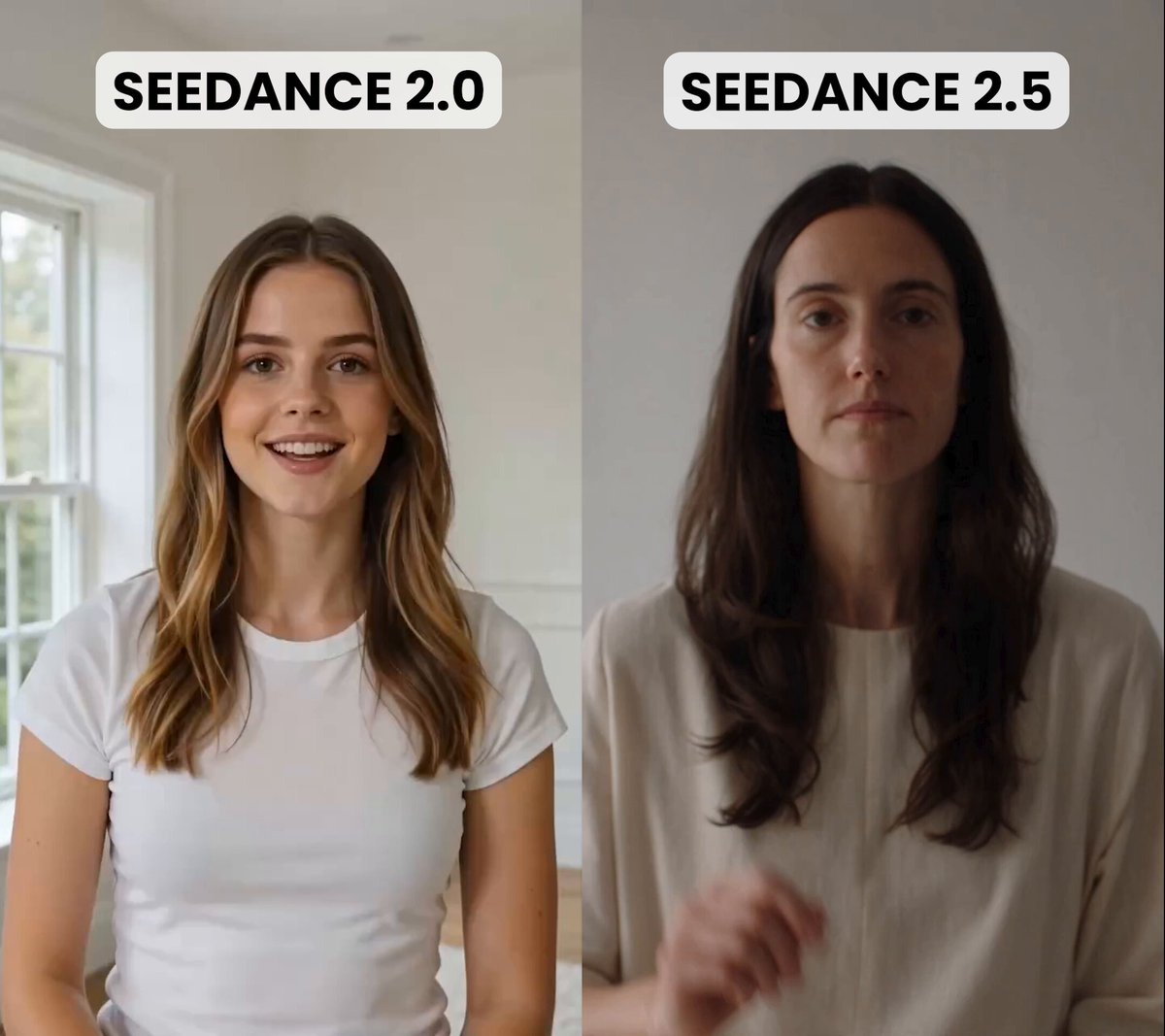

Why AI video is now a production tool, not a demo
Ask most creative teams what actually changed in the past year and few will point to a single model release. The real shift is that generated footage started fitting into a normal edit. Shot length grew from two-second loops into usable eight-to-ten-second takes. Subject identity stopped dissolving between frames. Conditioning tools became precise enough that you can direct a camera instead of hoping for one.
The commercial effects show up in how work gets commissioned. Brands ask for AI-assisted spots with genuine shot lists. Agencies build animatics that once required a crew, a location, and a week of scheduling. Solo creators ship weekly series with one editor and no studio. In almost every case the bottleneck is not the model — it is the workflow wrapped around it.
This guide is deliberately not a ranking of generators. It is the process layer: how to choose a model based on the shot you need, how to lock consistency across a sequence, how to fold audio and finishing into one pipeline, and how to avoid the small errors that quietly consume days. By the end you should be able to take a five-shot sequence from script to delivery, justify your technical choices to a client, and predict where a project is likely to break before it breaks.
The model layer: choose a generator by shot type
Model choice should follow the shot, not the other way around. Before you compare tools, write down what the shot requires: how long it runs, how many subjects are in frame, how much physical interaction there is, and how much camera movement you need. Those four answers eliminate most options immediately.
Realism, motion physics, and camera language
Ultra-realistic output is now table stakes for hero shots, but realism is not one quality. Look separately at texture fidelity — skin, fabric, foliage — motion physics such as how weight, cloth, and liquids behave, and camera language, meaning whether the model understands a slow dolly-in versus a handheld push. A generator that wins on texture often loses on physics, and physics is what matters whenever a character walks, runs, or handles an object on screen.
Reference conditioning and multi-subject control
The feature that separates professional tools from toys is how many references you can feed and how well they survive the generation. Single-image conditioning is basic. Multi-image fusion — a character sheet plus a location plate plus a lighting reference in one pass — is what makes recurring characters possible. Test every new tool with three references at once: one face, one environment, one object. If the object morphs shape, you will fight it for the entire project.
Specialist and regional strengths
General models are broad but shallow. Specialists trained on a narrow domain — product turntables, stylized animation, architectural walkthroughs, talking heads — frequently beat general-purpose models on their home turf and cost less compute to run. Regional ecosystems matter too, because prompt conventions, aspect ratio defaults, and aesthetic priors differ between them. Keep a short list of two or three specialists plus one general model, then route each shot to the best fit rather than forcing one tool to do everything.
Signals worth ignoring
Ignore leaderboard wins that measure short clips with no continuity requirement. Ignore demo reels where every shot is a single subject in slow motion. Ignore resolution claims until you have seen output at delivery size, because a 4K upscale of a soft 720p generation still looks soft. And ignore any benchmark that does not include a shot with two people interacting in the same frame.
A repeatable AI video workflow, brief to delivery
The difference between teams that ship consistently and teams that restart constantly is almost always structure. This is a five-stage workflow that holds up for a 20-second social spot and for a three-minute brand film.
Stage 1 — Brief, script, and shot list
Write the sequence as a shot list before opening any tool. One row per shot with duration, subject, action, camera move, location, time of day, and the audio cue. This forces the boring questions early: does the scene need eleven shots instead of five, do two shots share a background, and does any shot require a physical interaction that is hard to generate. AI video punishes vagueness, and the shot list is the cheapest place to discover it.
Stage 2 — Look development
Generate ten to twenty still frames per important shot and pick a clear direction: lens character, contrast curve, palette, grain. Approve two frames per scene — one wide, one close — and treat them as your visual contract. Everything downstream is measured against those frames, which means revisions become a matter of matching a reference instead of arguing about taste.
Stage 3 — Keyframes and reference sets
Build a small asset kit and freeze it: a character sheet with front, three-quarter, and profile views, a location plate, and a lighting reference. Reuse the same files across the whole sequence. This single habit does more for continuity than any prompt trick, because it removes the model's freedom to reinterpret your character every time.
Stage 4 — Generation passes and seeding
Work in passes rather than trying to finish shots individually. Pass one is cheap, low resolution, and high variety, used purely to find motion you like. Pass two locks that motion with a fixed seed and refines detail. Pass three upscales and extends only the shots that survived. Never polish a shot whose motion you have not approved; that polish gets thrown away when the motion changes.
Stage 5 — Edit, grade, and finishing
Edit the sequence as if it were live-action footage. Cut on action, respect screen direction, and use sound to bridge imperfect transitions. Grade all generated shots together through a shared look so they feel like they came from one camera. If a shot still reads as artificial, shorten it — a two-second insert reads as real far more often than a six-second one, because viewers have less time to notice what is wrong.
Consistency is the hardest problem in AI video
Continuity fails in predictable places: hands, jewelry, logos, weather, and the direction of light. The fix is boring but reliable — reduce variables. Lock the seed. Keep the reference set frozen for the duration of the sequence. Change one parameter per generation instead of three. Re-describe the scene with identical wording every time rather than paraphrasing, because even small wording changes shift composition more than you expect.
Plan around the weaknesses too. If a character must hand something to another character, frame the cut so the hand action is obscured or happens between shots. If a logo or interface needs to appear, composite it in post rather than generating it. Directors of live action solve continuity with props and blocking; in AI video you solve it with shot design and editorial timing.
Finally, document what worked. A one-page continuity sheet listing seeds, reference files, and the approved phrasing for each scene saves more time than any single tool upgrade, especially when a project gets revisited three weeks later.
Audio, voice, and lip sync in one pipeline
Audio is where AI video projects most often fall apart, because teams treat it as an afterthought. Treat dialogue, music, and effects as three separate tracks with separate tools and separate quality bars. Generate or record dialogue first and edit visuals to it, not the reverse — cutting picture first almost always produces awkward pacing because human speech does not fit arbitrary clip lengths.
For lip sync, favor shots where the face occupies more than a third of the frame and the head is relatively stable. Extreme angles, heavy motion, and hands near the mouth break alignment faster than anything else. Where sync is unreliable, use reaction shots, over-the-shoulder framing, or a cutaway during the line; audiences accept this instantly because it is what live-action editors do.
Music matters more than most creators admit. A track with a clear rhythmic accent every two seconds makes cuts feel intentional and masks small motion artifacts. Normalize loudness across the sequence so viewers never reach for the volume control, and check the mix on a phone speaker — most of your audience will watch there.
Compute, queues, and scheduling generation runs
Generation time is a planning constraint, not an inconvenience. Batch similar jobs so you can queue them overnight and review in a single session in the morning. Keep two quality tiers running in parallel: draft generations for exploration and final generations only for shots that have already been approved at draft stage.
Track how many attempts each final shot consumed. That number, not the raw runtime, is the honest cost of AI video work, and it changes how you scope the next project. A shot that consistently takes twelve attempts should be rewritten or replaced in the shot list rather than rescued in post.
Quality control checklist before publishing
Run the same list every time, in the same order, at full viewing size on a large screen.
- Does the subject's face, hair, and clothing stay identical across every shot?
- Are hands, teeth, and eyes free of visible artifacts at full size?
- Does light direction remain consistent between adjacent shots?
- Do motion and physics match the stated action and weight?
- Is every cut motivated by action, sound, or a musical beat?
- Are text, logos, and interface elements crisp, spelled correctly, and legible on a phone?
- Does the audio sit at consistent loudness with no clipping or harsh sibilance?
- Does the piece still make sense with the sound off?
- Are aspect ratio and safe areas correct for each destination platform?
- Would a viewer notice anything off in the first two seconds?
If a shot fails two or more items, replace it instead of trying to fix it in the edit. Replacing is usually faster.
Common mistakes that waste days of work
Generating before the shot list exists is the most expensive mistake, because it produces beautiful footage with no place in the sequence. Chasing hyper-realism in a shot that only needs to communicate information wastes both compute and review time. Reusing a good clip in the wrong moment because it was hard to produce creates a story problem that no amount of grading will solve.
Other recurring traps: ignoring sound design until picture is locked, delivering at maximum resolution instead of the resolution the platform actually rewards, over-promising a client more revision rounds than the workflow can absorb, and polishing a shot in isolation that will be cut to two seconds in the final edit. Each of these has the same root cause — decisions made out of order.
Team roles and handoffs for AI video
Even a two-person team benefits from clear ownership. The usual split is one person owning the look — references, prompts, seeds, approved frames — and one owning the sequence, meaning edit, audio, and delivery. On larger jobs, add a continuity checker whose only responsibility is comparing adjacent shots side by side at full size.
Write the approved reference set and seed values into a shared document, and version your outputs with consistent naming rather than final-final-v3. On AI projects, undocumented decisions get re-litigated weekly, and re-litigating taste is the fastest way to burn a schedule.
FAQ
How long should an AI-generated shot be?
Aim for two to six seconds for most narrative cuts, and up to ten seconds for static or slow-motion shots. Longer shots expose more opportunities for artifacts, and shorter ones are easier to replace without breaking the edit.
Do I need more than one video model?
Usually yes — one general model for flexibility and one or two specialists for the shots they clearly win. Routing shots by strength beats trying to master a single tool for every situation.
Can I keep characters consistent without training a custom model?
Yes, in most cases. A frozen reference set, a locked seed, identical scene wording, and shot design that avoids extreme angles will carry consistency through a short sequence. Custom training helps mainly for long series with many scenes.
What resolution should I deliver?
Match the destination. Vertical social placements rarely reward more than 1080p, while large-screen playback benefits from higher resolution — but only when the underlying generation is genuinely detailed. Upscaling soft footage produces a clean-looking image with no real detail.
How should I scope and price this kind of work?
Scope by shot count and revision rounds, not by minutes of finished video. Ask how many attempts a typical shot takes on your pipeline, multiply, and you have a defensible estimate that protects both you and the client.
Is AI video good enough for client work yet?
For inserts, transitions, stylized sequences, animatics, product shots, and social-first content, yes. For long dialogue-driven scenes with multiple characters interacting, it still needs heavy editorial cover — which is a shot design decision, not a failure of the tooling.
