
Why Prompt Engineering Is the Real Skill Behind Great AI Video
Two creators feed the same idea into an AI video generator. One gets a flat, forgettable clip. The other gets something that looks like it was shot by a real crew. The difference is rarely the model. It is almost always the prompt.
Prompt engineering has quietly become the most valuable skill in AI content production. The model does the heavy lifting, but the person who can translate a creative vision into precise, structured instructions controls the output. This guide breaks down how to write prompts that consistently produce high-quality video, covering structure, consistency, camera language, and the common mistakes that sink most generations.
The Four Building Blocks of a Strong Video Prompt
A good video prompt is not a sentence. It is a small specification. Break it into four parts and you will see immediate improvements.
Subject and Action
Be concrete about who or what is in the frame and what they are doing. Vague verbs produce vague motion. Instead of "a dog moving," write "a golden retriever running through tall grass, ears flopping, kicking up dust." The model needs to know the subject, the action, and the energy of that action.
Setting and Environment
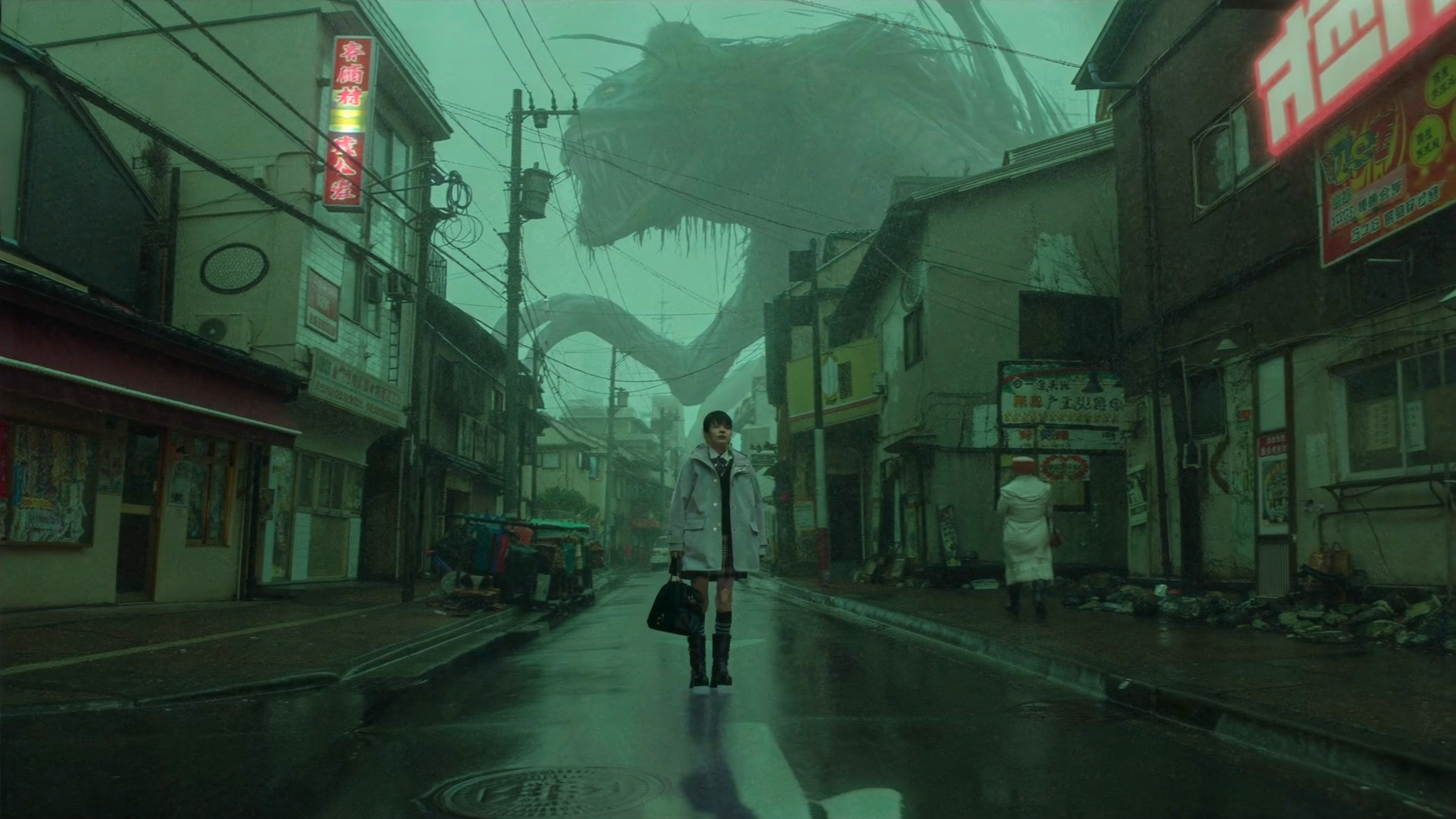
Describe where the scene takes place and how that place feels. Light sources, weather, and surrounding objects all anchor the model's interpretation. "A narrow Tokyo alley at night, neon signs reflecting off wet asphalt" generates a completely different world than "a city street."
Style and Aesthetic
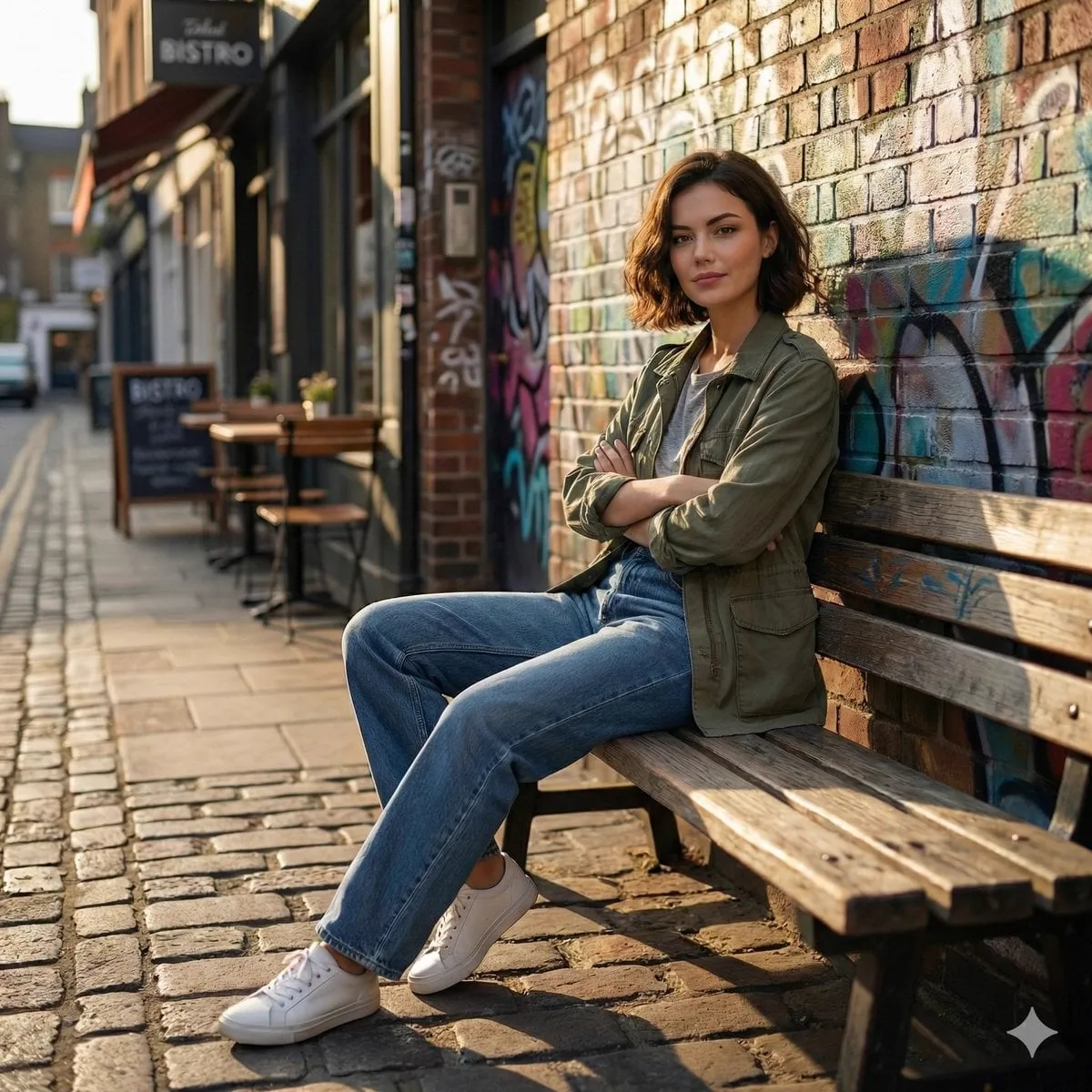
This is where you point the model toward a visual language. Cinematic realism, anime, claymation, documentary footage — naming the style explicitly is the fastest way to control the look. If you want photorealistic results, say so, and add texture cues like film grain or shallow depth of field. If you want stylized work, name the reference style directly.
Technical Parameters
Aspect ratio, frame rate, and camera behavior belong in the prompt, not in your head. Vertical 9:16 for social clips, 16:9 for cinematic work, slow push-in versus handheld shake — these parameters determine whether the output fits your delivery channel. Tools like Domer's AI video generator surface these options directly so you can set them before you generate instead of fixing them afterward.
Negative Prompts Are Half the Battle
Positive prompts tell the model what to include. Negative prompts tell it what to exclude, and they matter just as much. Common artifacts — flickering, warped hands, oversaturation, plastic skin — can usually be suppressed by explicitly listing them as unwanted.
If you are chasing a muted, dramatic look, exclude terms like "oversaturated" or "cartoonish." If realism is the goal, block "3D render look" and "painterly brushstrokes." The model's attention budget is limited; negative prompting helps it spend that budget on the details you actually want.
Camera Language Turns a Clip into a Scene
This is the upgrade that separates beginners from people who produce watchable work. AI video models respond to filmmaking terminology. Use it.
- Specify the lens: "85mm portrait," "wide-angle," "macro."
- Direct the movement: "slow dolly in," "handheld shake," "static tripod."
- Control focus: "shallow depth of field," "rack focus from subject to background."
- Set the light: "rim lighting," "golden hour from the left," "soft overhead diffusion."
- Name the grade: "teal and orange," "monochromatic," "high contrast."
You are effectively acting as a director for a virtual cinematographer. The more precise the camera direction, the more intentional the result. Pair this with a solid text-to-video workflow and you can iterate on shots quickly instead of regenerating from scratch.
The Consistency Problem: Why Characters Drift
The hardest problem in AI video is continuity. Generate a character in one shot, and the model may give you a slightly different face in the next. This is called identity drift, and it breaks narrative work instantly.
Use Reference Images Instead of Description Alone
Describing a face in words is unreliable. Reference images are not. When your workflow supports it, feed the model a source image of the character and instruct it to keep the face, costume, and silhouette identical. Multi-image fusion — combining several reference shots of the same character from different angles — is the strongest tool for locking a design across scenes.
Keep a Style and World Blueprint
Consistency applies to environments too. If a scene is set in a high-tech lab, every shot in that lab should share the same materials, lighting temperature, and layout. Write a reusable block that defines the world — textures, palette, atmosphere — and append it to every prompt in the sequence. Repeating the same environmental language prevents the model from drifting toward generic settings.
Repeat the Non-Negotiables Every Time
Do not assume the model remembers anything from a previous generation. If the character has a scar, a specific jacket, or a particular walk cycle, restate it. Consistency in prompts is a discipline, not a feature.
Practical Prompt Workflow
A reliable generation loop looks like this:
- Write the four-part base prompt: subject, setting, style, technical parameters.
- Add negative constraints for known artifacts.
- Attach reference images for characters or objects that must stay consistent.
- Generate a short test clip before committing to a long sequence.
- Review the test, adjust one variable, regenerate.
- Lock the winning prompt into a reusable template.
This loop is why AI image generation followed by image-to-video is often more reliable than pure text-to-video: you control the first frame, and the video model only has to animate it. Start from a strong still and you remove most of the guesswork.
Common Mistakes and How to Fix Them
- Overloading the prompt: three actions in one scene confuse the model. One clear action per clip.
- Mixing styles: "photorealistic anime cyberpunk watercolor" is not a style, it is a conflict. Pick one anchor.
- Ignoring aspect ratio: a 16:9 prompt reused for vertical video wastes most of the frame.
- No negative prompt: artifacts appear and you regenerate blind.
- Describing instead of directing: "a sad scene" tells the model nothing. Show sadness through lighting, pacing, and framing.
Frequently Asked Questions
How long should a video prompt be?
Enough to cover the four building blocks, usually 40 to 80 words. Shorter than that is vague; longer than that tends to dilute the model's attention.
Do I need to name a specific model in the prompt?
Naming a model can help if the tool supports it, but on most platforms the model choice is a separate setting. Focus on style, camera, and technical parameters in the text.
Why do my characters change between clips?
Identity drift is caused by descriptive prompts that the model interprets differently each run. Fix it with reference images and a consistent style block.
Is text-to-video or image-to-video better for consistency?
Image-to-video gives you control over the starting frame, which is the fastest path to consistent characters and stable scenes. Text-to-video is better for exploring totally new ideas quickly.
Final Thoughts
Prompt engineering is not about memorizing magic keywords. It is about learning to specify your intent precisely enough that a model can execute it. Once you master structure, negatives, camera language, and consistency, AI video stops being a lottery and becomes a production tool. Start with one short clip, apply the workflow above, and iterate — the skill compounds quickly.
