
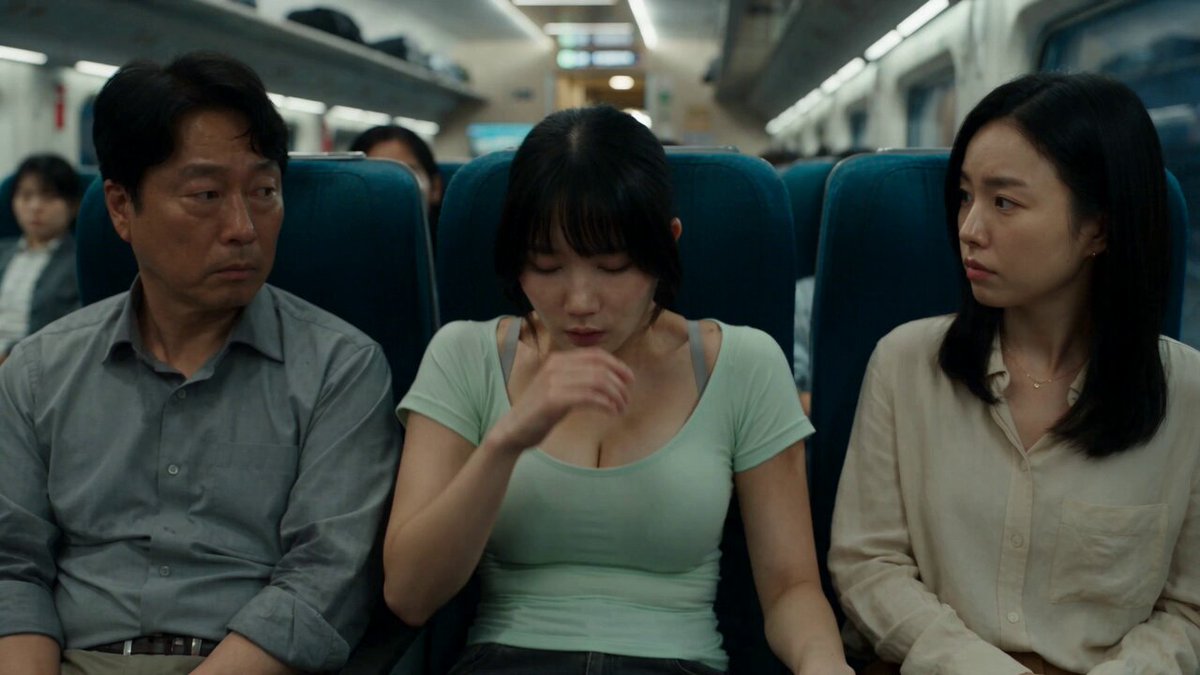
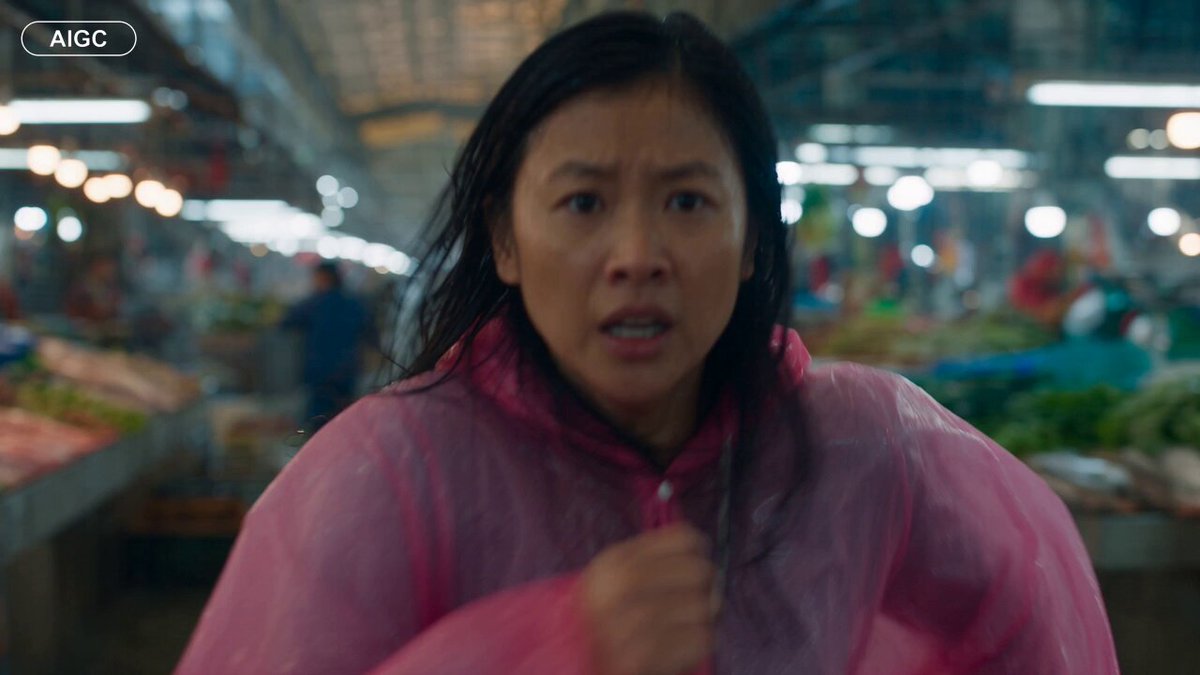
The video creation landscape has changed dramatically, and text-to-video AI sits at the center of that change. What once required a full production crew, expensive cameras, and weeks of editing can now begin with a single well-written prompt. For beginners, the gap between "I typed something" and "this looks like a film" usually comes down to how the prompt is built, not the quality of the tool.
This guide walks you through the fundamentals of prompt engineering for AI video generation. You will learn what a good prompt contains, how to describe subjects and camera movement, how to steer the style and mood, and how to avoid the most common beginner mistakes. By the end, you will be able to write prompts that reliably produce watchable, polished clips instead of confusing or generic results.
Why AI Video Generation Matters Right Now
The market for generative video has grown from niche demos into a professional production medium. What used to be limited to laboratories and well-funded studios is now accessible to anyone with a text window. Creators, marketers, educators, and small business owners are all producing short films, product previews, and social media content faster than ever before.
The practical effect is a leveling of the playing field. A solo creator can now explore visual ideas that would have required a storyboard artist, a cinematographer, and a colorist. The skill that matters most is the ability to translate an idea into language that a model understands. That is the craft of prompting, and it is more valuable than ever because it sits at the entrance of the entire pipeline.
The Shift from Stills to Stories
Early generative tools produced single images. The next wave added motion, but the movement was often simple or repetitive. Current-generation models can handle structured scenes, consistent characters, and coherent transitions. This is why the focus has moved from "what does it look like" to "what happens in the clip and how is it told."
For beginners this is good news. You no longer need to settle for a drifting image. You can request a character walking toward the camera, a camera pushing in during a tense moment, or a gentle parallax across a landscape. The challenge is communicating that intent clearly within the prompt.
What a Video AI Prompt Actually Controls
A prompt for AI video does several jobs at once. It defines the visual content, the camera behavior, the lighting and mood, and often the pacing. Every part competes for the model's attention, so you need to be deliberate about what you emphasize.
The most important principle is that the main subject should appear early and clearly. If the first item in your prompt is a busy background detail, the model may treat that as the hero of the scene. Put the primary subject first, then layer in the environment and the action.
The Core Building Blocks
A strong video prompt typically includes these elements:
- A clear subject, described by appearance, expression, and state of motion
- The setting or environment where the scene takes place
- The action, in simple active language such as "walking," "turning," or "glancing"
- Camera framing and movement, such as close-up, wide shot, or slow push-in
- Lighting and overall mood, such as golden hour, moody neon, or soft studio
- A short note on style or quality level when needed
You do not always need every element, but being aware of them helps you notice what is missing when a result falls short.
Describing the Subject Well
Ambiguity is the enemy of consistency. Instead of writing "a person," describe the person's approximate appearance: age range, clothing color, posture, and facial expression. Instead of "a city," indicate whether it is a rainy night street, a bright downtown, or an old European quarter.
The level of detail should be useful but not overwhelming. A prompt that crams in twenty adjectives often produces a muddy result because the model tries to honor everything at once. Aim for a strong subject identity, one or two defining visual traits, and a clear emotional tone.
Framing and Camera Language
Camera description is one of the most underused tools in beginner prompts. Even when the subject and setting are perfect, a static wide shot can feel flat. Adding a movement term gives the clip a sense of purpose.
Common camera phrases you can use in English prompts include:
- Close-up, medium shot, wide shot, establishing shot
- Slow push-in, pull back, pan left, tilt up
- Handheld, dolly, crane, aerial, drone shot
- Static locked-off shot
- Over-the-shoulder angle, low angle, high angle
Combining a shot size with a movement style communicates the most. For example, "slow push-in on a close-up" reads clearly to a model and gives you a cinematic feel without much extra text.
Matching the Camera to the Mood
The camera is part of the storytelling. A slow push toward a subject builds intimacy or tension. A wide establishing shot sets the scale of the world. A handheld shot feels documentary and urgent. Think about how the camera supports the emotion you want, then say so explicitly.
If you want a calm, premium look, prefer slow moves and stable framing. If you want energy, choose faster movement or a slight shake. Describing the camera this way moves the result from "moving footage" toward "intentional footage."
Managing Lighting, Color, and Mood
Lighting is often the difference between an amateur clip and a professional one. Models respond well when lighting is named explicitly. Terms like "soft diffused light," "dramatic rim light," "golden hour backlight," and "cool blue moonlight" give the model a concrete target.
Mood words help too, but they work best when grounded in something visual. Rather than only writing "sad," describe what sadness looks like: dim light, muted colors, slow movement, a lone figure. Rather than only writing "epic," say "wide vista, strong color contrast, dramatic clouds."
Using Negative Space and Composition
You can also guide composition. Phrases like "centered subject with negative space on the left," "rule of thirds," or "symmetry" nudge the model toward deliberate framing. These work especially well for static beats and opening shots.
When the background is distracting, say what you do not want. Keep negative phrasing concise and avoid long lists of forbidden elements, which can confuse the model. A short qualifier such as "plain background" or "no text overlays" is often enough.
Choosing the Supporting Settings
Beyond the prompt text, most platforms let you set parameters such as aspect ratio, duration, number of frames, and sometimes a style preset. These reinforce what the model reads from the text and prevent wasted generations.
Match the aspect ratio to your destination. A tall format suits social stories, a square format suits feed posts, and a wide format suits cinematic viewing. Longer durations are better for narrative scenes, while a few seconds is plenty for an impact cut.
Keep your first experiments short and low-complexity. It is far easier to diagnose a problem in a four-second clip than in a twenty-second one. Once the core prompt works, you can scale up.
A Beginner Workflow That Avoids Waste
A repeatable process helps you improve faster and spend less time re-rolling. Use this simple loop for each new scene idea:
- Write the core subject and action in one sentence.
- Add a setting and a lighting note.
- Add a single camera movement.
- Generate one short test version.
- Review what is wrong, then change only one thing.
- Regenerate and repeat until the result is close, then refine more.
This one-variable-at-a-time habit is the highest-leverage technique for beginners. When you change the subject and the lighting and the camera all at once, you cannot tell which edit fixed the problem.
Building a Personal Prompt Library
Keep a running file of prompts that worked. Note not only the text but also the parameters you used. Over time this becomes a personal style guide, and you will stop rediscovering the same solutions.
Tag your saved prompts by mood, subject, or camera style. For example, group "dramatic push-in" prompts together so you can adapt them quickly for new projects. This small habit turns raw experience into a reusable asset.
Avoiding the Most Common Beginner Mistakes
Several patterns explain most disappointing first results. Recognizing them saves you time:
- Vague subjects that change between frames because the identity was never pinned down
- Overloaded prompts that try to do too much in a single clip
- Missing camera instructions, which leave the model to choose arbitrary movement
- Unrealistic expectations about a single pass, when the best workflow is iterative
- Ignoring parameters such as aspect ratio and duration, which silently shape every result
Whenever a clip surprises you, walk back through the prompt and ask which element was ambiguous. Most bugs in AI video generation are communication problems, not tool limitations.
When the Result Is Almost Right
"Almost right" is a great place to be. It means your prompt is basically sound and the issue is precision. Change the least precise element and regenerate. If the framing is wrong, adjust the camera term. If the lighting feels off, replace the light descriptor. Resist the urge to rewrite the whole prompt.
Keep the parts that worked. Copy the prompt, modify one line, and save the variant. Clean iterative edits produce steady improvement, while full rewrites tend to reset your progress.
Prompt Templates to Steal and Adapt
Having a mental template helps you write faster while still staying specific. Here are three starting points. Adapt the bracketed parts to your scene.
Cinematic establishing shot:
"Wide establishing shot of [location] at [time of day], [lighting], static camera, cinematic color grade, [mood] atmosphere."
Character action beat:
"[Describe subject: age, appearance, clothing], [action such as walking toward camera], medium shot, slow push-in, [lighting], shallow depth of field."
Product or object reveal:
"[Describe object clearly], [lighting], tight close-up, slow pan around the object, reflective studio surface, premium commercial look."
These are not magic formulas. They work because they hit the core blocks: subject, setting, action, camera, and light. Swap the content freely; keep the anatomy.
A Worked Example, Before and After
Consider a weak prompt: "a dog running in a park."
It has a subject and an action, but the model has to invent everything else. You might get a scruffy dog, an unpredictable camera, and flat daylight. Now add specificity:
"a golden retriever puppy running through tall grass in a sunlit park, excited expression, medium tracking shot following the dog, warm afternoon sunlight, shallow depth of field, vibrant colors"
The difference is dramatic. The subject has identity, the setting and light are named, and the camera is told to track. This is the whole craft: making the model's choices for it, at least where it matters.
Negative Prompting Without Confusion
Negative prompting tells the model what to avoid, and it is a useful lever once the basics work. The key is restraint. A long list of exclusions often backfires, because the model may chase the mentioned items or lose focus on the positive description.
Keep negatives short and concrete. Ask for the absence of a real problem, not a fear. For example, "no text" is more reliable than "no annoying overlays." "plain background" is more reliable than "could you make sure there is nothing distracting in the background."
Use negatives for frequent real-world issues like unwanted watermarks, warped faces, or cluttered frames. Reserve the main prompt for what you do want, and let negatives handle the handful of things that tend to go wrong.
Practice Prompts for You to Try
The fastest way to improve is deliberate practice. Try these three short challenges in order:
- Recreate a single scene twice: once with no camera word, once with a specific push-in. Compare the feel.
- Describe the same subject in three different lighting moods and note how the clip changes.
- Take a personal photo idea and turn it into a full prompt using all five building blocks.
Each challenge teaches one lesson: the value of camera language, the power of lighting, and the value of a complete prompt. Spend ten minutes on each and you will feel the difference in the next clip you generate.
Frequently Asked Questions
How long should a prompt be?
Long enough to be specific, short enough to stay focused. Most strong prompts are a few sentences. If you are writing a paragraph, you are probably over-specifying.
Do I need to describe every frame?
No. Current models generate whole continuous clips. Describe the scene, the subject, and the camera once. Over-specifying frames can conflict with the generation and produce glitches.
Why does my character change appearance between clips?
Usually because the character's identity is described differently each time. Write a consistent base description and reuse it verbatim across scenes.
Can I use the output commercially?
Check the terms of the specific tool you use. Policies vary by platform, so confirm before publishing anything important.
What should I do first as a complete beginner?
Make one small goal: a single clean scene with a clear subject, a simple setting, and one camera move. Master that before attempting complex narratives.
Key Takeaways
- The quality of an AI video clip starts with the prompt, not the tool
- A clear subject described first, followed by setting, action, camera, and light
- Camera language is an underused and powerful lever for a cinematic feel
- Change one variable at a time during iteration to learn faster
- Keep a personal library of working prompts and parameters
- Respect using terms, and always confirm commercial rights for your output
Prompting for AI video is a learnable skill. Start small, iterate deliberately, and take notes on what works. The ability to turn a sentence into a scene is becoming one of the most practical creative skills around, and the best time to begin is now.
