

Why Short-Form Video Rewards Prompt-Driven Production
Short-form video has become the default advertising surface for most consumer brands. Feeds on TikTok, Instagram Reels, YouTube Shorts, and in-app discovery panels are built around rapid scrolling, which means the first two seconds of a clip carry more commercial weight than the next twenty combined. That structural reality creates a simple production problem: you need far more creative variations than a traditional shoot schedule can deliver. One hero video per quarter no longer competes with a feed that refreshes every hour.
AI video generation changes the economics of that problem, but not in the way most marketing teams expect. The value is not that a model can produce a finished commercial from a single sentence. The value is that a well-written prompt can be reused, remixed, and localized dozens of times while keeping the same visual identity. A campaign that once required six shooting days, a location scout, and a voice actor can instead become a library of twenty short clips generated from a structured prompt pack, with human editors shaping the final cut.
That shift moves the bottleneck. Instead of worrying about crew availability, you worry about prompt clarity, style consistency, and review throughput. Teams that treat prompting as a serious craft — with templates, naming conventions, and version history — ship faster and produce more coherent campaigns than teams that type loose descriptions into a text box and accept whatever comes back. This guide walks through the full pipeline: how to plan, how to write prompts that hold a brand together, which tools to use for each job, how to run a repeatable weekly rhythm, and how to measure results so the next round of prompts is better than the last.
The End-to-End Pipeline: From Brief to Published Cut
A reliable AI video workflow has four stages. Skipping any of them is the fastest way to generate pretty footage that never becomes a usable ad.
Step 1 — Lock the brief and the hook before touching a model
Write a one-page brief containing the product, the audience, the single promise, the call to action, and three candidate hooks. A hook is not a slogan; it is the visual or verbal opening beat. Examples: a hand snapping a phone case onto a cracked phone, a slow-motion pour that stops mid-air, a customer reaction shot with a bold caption. Decide the hook first because it determines the framing, lighting, and motion you need to request from the model.
The brief should also name the deliverable specs: aspect ratio (9:16 for feeds, 1:1 for some ad placements), duration target, caption language, and whether you need a voiceover. These constraints are not administrative details — they change the prompt. A 9:16 vertical clip with centered subject framing behaves very differently from a 16:9 cinematic shot.
Step 2 — Draft the prompt pack
A prompt pack is a set of related prompts that share a style block and differ only in the action, subject, or setting. Build one master style block, then create five to eight variants. This is where version control matters: name files like campaign-hook-a-v3.txt rather than final-prompt-new.txt, and record which model, seed, and settings produced each approved output.
Step 3 — Run generation passes
Generate more than you need, but do it in controlled batches. Typical practice is four to six variations per prompt, then a review pass to eliminate artifacts, awkward hands, warped text, and broken perspective. If a prompt fails across every variation, the prompt is the problem, not the model. If two out of six work, the prompt is close — tighten the negative constraints and rerun.
Step 4 — Assemble, caption, and sound-design
Raw generated clips rarely ship as-is. Assembly is where marketing videos become convincing: cut on motion, add captions styled to match brand typography, layer licensed music or generated ambient sound, and insert the product or logo as an overlay rather than asking the model to render it. Generated text inside video frames is still the least reliable element of the medium, so treat on-screen copy as a post-production task.
Prompt Architecture: A Template That Survives Reruns
A prompt that only works once is a cost, not an asset. The goal is a prompt structure you can hand to a teammate and get comparable output.
The six-slot structure
Write every prompt in the same order so you can debug it quickly:
- Subject: who or what is on screen, described with specificity ("a woman in her thirties wearing an oversized linen shirt")
- Action: the single motion or beat that matters ("she turns the bottle toward the light")
- Setting: location, time of day, background elements
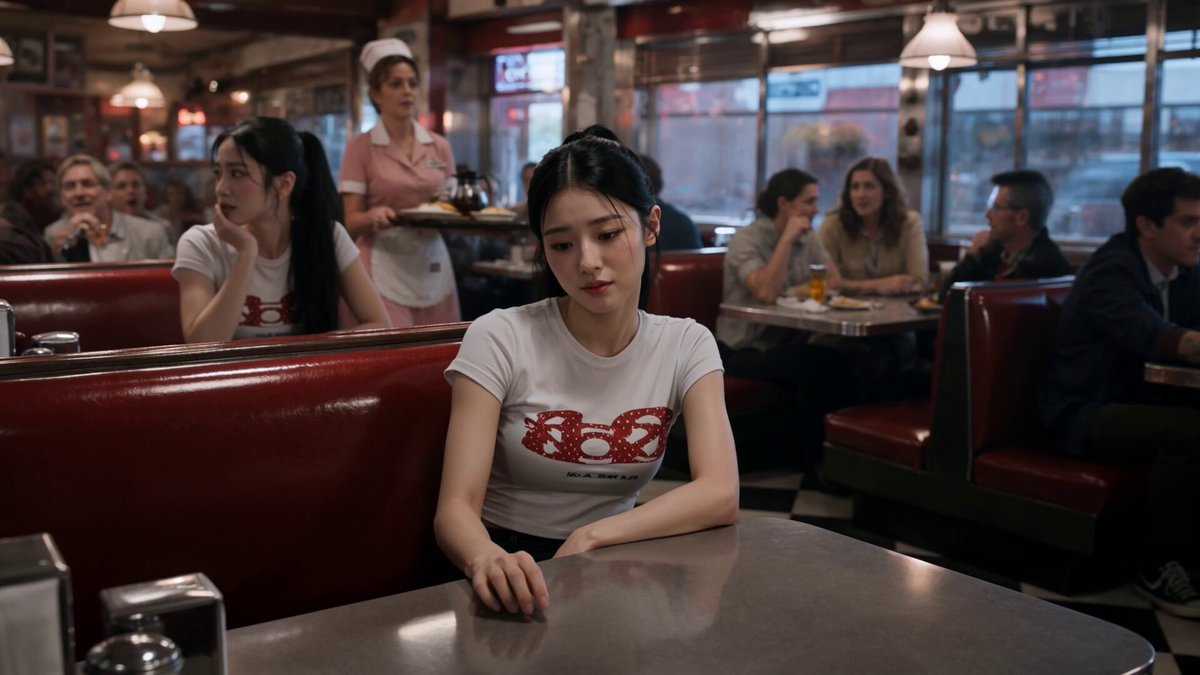
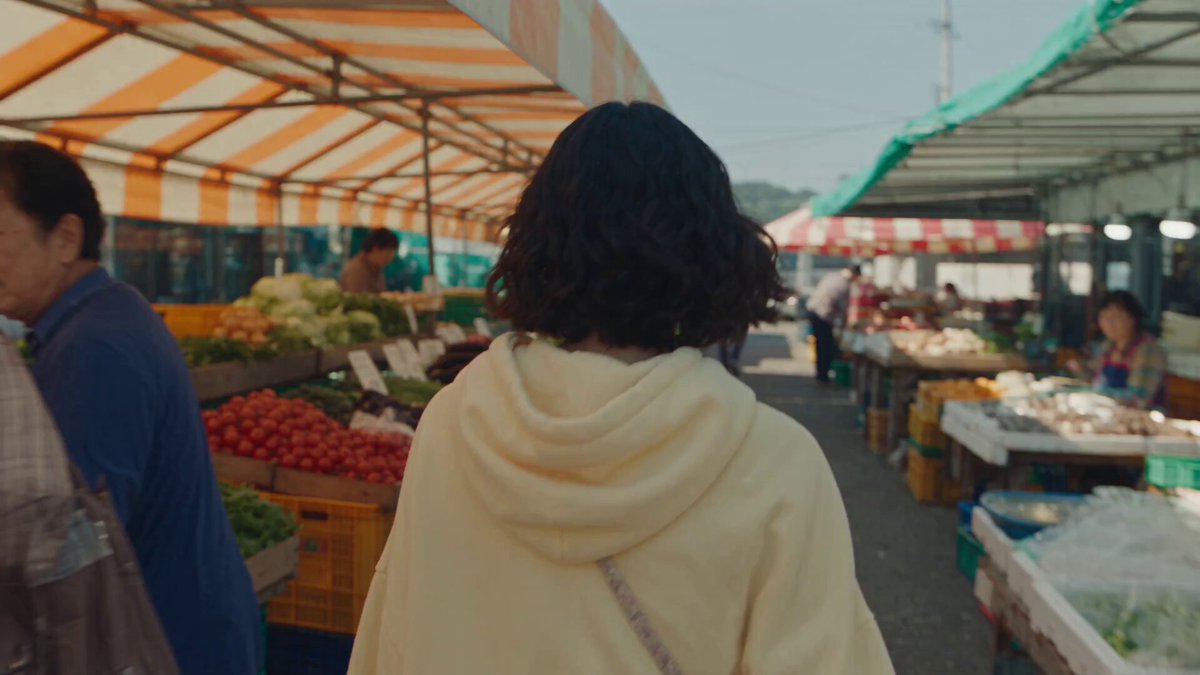
- Camera: shot size, angle, movement ("medium close-up, handheld, slow push in")
- Light: source, quality, mood ("soft window light from camera left, warm highlights")
- Style and format: visual treatment plus technical constraints ("clean commercial photography look, shallow depth of field, vertical 9:16")
Keeping the order fixed makes comparison trivial. When one variation looks wrong, you can see instantly whether the failure came from the camera slot or the light slot.
Style anchors for brand consistency
A style anchor is a short phrase you repeat in every prompt across a campaign — for example, "muted pastel palette, soft film grain, natural skin tones, minimal props." Repeating the anchor is what makes separately generated clips feel like they belong to the same brand. Without it, each clip inherits an arbitrary look from the model's own defaults, and editing can only do so much to paper over the mismatch.
Build two or three anchors per brand: one for product close-ups, one for lifestyle scenes, one for abstract or graphic backgrounds. Document them in a shared file with example frames so new team members can match the look without guessing.
Negative constraints and safety rails
Negative constraints are the fastest quality improvement most teams can make. Common ones: "no on-screen text, no logos, no extra fingers, no distorted faces in the background, no lens flare, no rapid cuts." Add constraints reactively — when you spot a recurring artifact, add the matching negative instead of rewriting the whole prompt.
Safety rails belong in the template too. Avoid prompts that imply a real person endorsing a product, avoid reproducing recognizable logos, and avoid depicting medical or financial outcomes. These rules protect the brand and keep outputs usable across advertising platforms with different review standards.
Iteration loops: change one variable at a time
When a clip is wrong, resist the urge to rewrite everything. Change the camera slot, rerun, compare. Then change the light slot. This single-variable discipline is what turns prompting from guesswork into a repeatable process, and it produces documentation you can reuse for months.
Choosing Tools by Job, Not by Hype
Model quality shifts constantly, so choose tools by the job they perform rather than by benchmark claims.
- Idea and script drafting: a general-purpose language model is sufficient. Ask for ten hooks, then pick three. Keep the model's output as raw material, not final copy.
- Text-to-video: best for scenes without a specific product. Useful for mood, lifestyle, and b-roll.
- Image-to-video: the workhorse for product marketing. Generate or photograph a still, then animate it. You retain control of composition and packaging, which is exactly where brand accuracy lives.
- Avatar or presenter tools: useful for explainers, testimonials, and localized versions. Screen them carefully — uncanny delivery hurts trust more than a plain voiceover.
- Voice generation: fast for multiple languages, but always review pronunciation of brand names and product terms.
- Editing and captioning: a standard timeline editor plus an automatic caption tool covers 90% of needs. Captions should be burned in for feeds and provided as a separate file where platforms allow.
- Music and sound: licensed libraries remain the safest option. Generated audio works for ambience, stingers, and transitions.
A practical rule: never let a single tool own the whole pipeline. Export intermediate assets in common formats so you can move a project between tools when a model underperforms on a specific shot.
A Weekly Production Rhythm for Marketing Teams
Consistency beats intensity. A team that ships three clips every week outperforms a team that ships twenty clips once a quarter, because platform algorithms and creative intuition both improve with repetition.
Monday: batch briefs and hooks
Review last week's numbers, pick the two best-performing angles, and write briefs for the coming week. Decide hooks first, then deliverables. Ten briefs in one sitting is faster than two briefs a day, because the creative context stays loaded.
Tuesday and Wednesday: generation
Run prompts in batches, tag outputs immediately as approved, close, or reject, and store approved clips in a dated folder. Keep a running log of which prompt produced which approved clip. This log becomes your most valuable internal document.
Thursday: edit and review
Assemble, caption, and sound-design. Then run a review with one person who has not seen the assets. Their job is to answer a single question: what is this ad selling, and why should I care? If they hesitate, the hook is the problem.
Friday: schedule and learn
Schedule the approved clips, note the hypothesis each one tests, and set a reminder to check performance after a fixed window. End the week by writing three sentences about what you would change in the prompt pack.
This rhythm also protects against the most common team failure: generating endlessly without ever publishing. Treat publishing as the unit of progress, not generation.
Quality Control: The Pre-Publish Checklist
Run every clip through the same checklist. It takes ninety seconds and prevents most embarrassing mistakes.
- Is the product recognizable, accurate, and correctly colored?
- Do hands, faces, and reflections look natural at normal playback speed?
- Is there any garbled or unintended text in frame?
- Does the opening frame work as a thumbnail and as the first second of the feed?
- Are captions legible on a small screen and free of typos?
- Does the audio balance hold on phone speakers?
- Is the call to action visible long enough to be read?
- Does the clip pass the platform's advertising standards for claims and disclosures?
- Is the file named and archived according to your convention?
A checklist also reduces review friction. Instead of debating taste, reviewers flag specific failures, and the editor knows exactly what to fix.
Common Mistakes and How to Fix Them
Asking for too much in one shot. Prompts with three actions, two characters, and a camera move rarely work. Split into separate clips and cut them together.
Ignoring aspect ratio until the end. Reframing a horizontal clip to vertical crops the subject unpredictably. Generate natively at the target ratio.
Letting the model render brand text. On-screen logos and product names are still unreliable. Add them as overlays in editing.
No style anchor. Clips look like they came from different campaigns. Fix it by repeating a fixed style phrase across every prompt.
Rewriting instead of iterating. Changing five variables at once means you learn nothing. Change one.
Skipping the sound pass. Silent-generated clips feel unfinished. Even a subtle ambience track and a music bed change perceived quality dramatically.
Publishing without a hook test. Show the first two seconds to a colleague with no context. If they cannot say what the video is about, the hook needs work.
No archive discipline. If you cannot find the prompt behind last month's best-performing clip, you cannot reproduce it.
Reading the Metrics and Feeding Them Back Into Prompts
Metrics should change your prompts, not just your reporting. Three-second retention tells you whether the hook worked. Average watch time tells you whether the middle holds. Saves and shares tell you whether the idea had value beyond the impression. Click-through and conversion tell you whether the promise matched the landing experience.
Map each metric to a prompt slot. Weak three-second retention usually means the action slot was too slow or the camera slot was too wide — start tighter and move earlier. Weak mid-video retention often means the setting slot was visually flat; add environmental detail or a second camera angle. High saves but low clicks usually means the style slot was attractive but the call to action was buried.
Keep a simple table: prompt ID, hypothesis, metric result, decision. After a month, patterns emerge that no single test would reveal.
FAQ
How many prompts should I write for one ad?
Write one master style block plus five to eight action variants. That gives enough coverage to find a working hook without overwhelming the review process.
Can AI video replace a product shoot entirely?
For lifestyle and mood footage, often yes. For hero product shots where packaging accuracy matters, a photograph or rendered still animated with image-to-video remains more reliable.
How do I keep multiple campaigns visually consistent?
Use shared style anchors, a fixed prompt structure, and a documented palette. Consistency comes from repetition in the prompt, not from post-production color grading alone.
What is the biggest time sink in this workflow?
Review. Generating clips is fast; deciding which ones are good is slow. A checklist and a single external reviewer cut review time significantly.
Should captions be burned in or uploaded separately?
Burn in for feed-first placements where most viewers watch muted. Keep a separate subtitle file in your archive for accessibility and for platforms that prefer it.
How often should I revisit my prompt templates?
Monthly. Review the performance log, retire phrases that consistently fail, and promote the style anchors that appear in your best clips.
Do I need a dedicated AI video platform?
No. A small stack — an image generator, an image-to-video model, a voice tool, and a timeline editor — covers most marketing needs. Add specialized tools only when a specific job keeps failing.
The teams that get the most from AI video treat it as a production discipline rather than a magic button. Clear briefs, structured prompts, disciplined iteration, and a weekly publishing rhythm turn generated clips into a dependable marketing asset instead of an experiment.
