

Why AI Video Tools Are Now Part of Normal Production
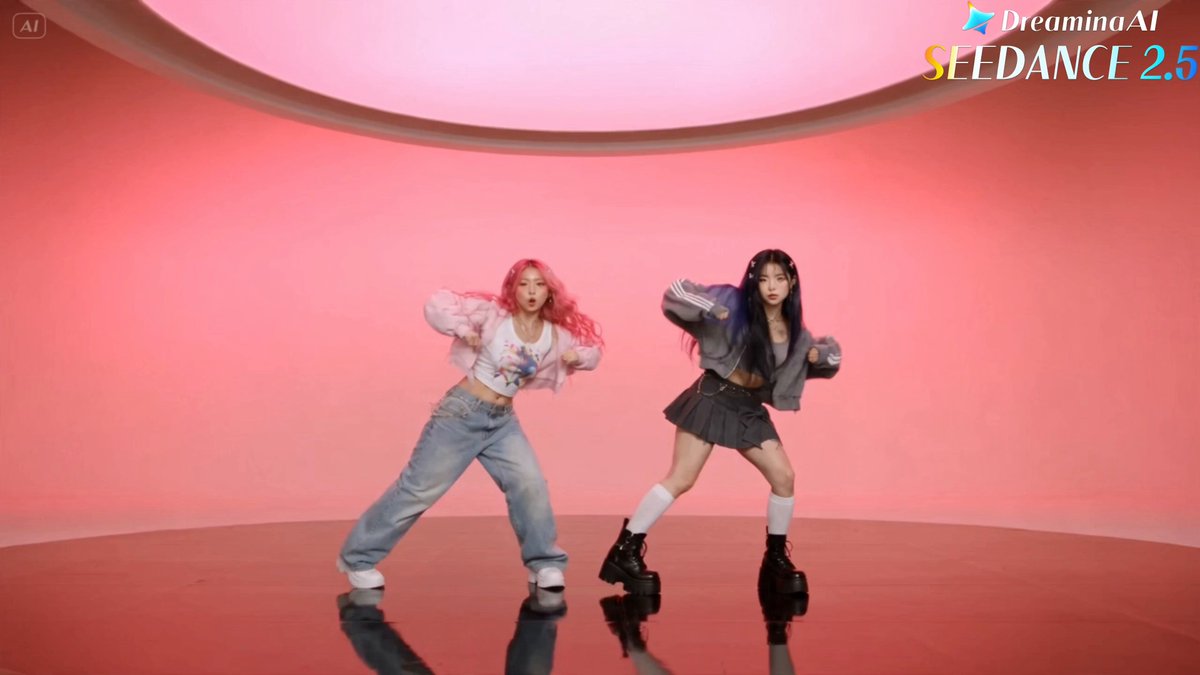
A few years ago, generating video with a model meant accepting smeared faces, drifting hands, and clips that fell apart after two seconds. Today's generators hold a subject together across shots, respect camera language, and produce lighting that matches real footage closely enough to cut against it. That jump in reliability is why AI video has moved from novelty demos into ordinary production pipelines.
The bigger change is iteration speed. A shot that once needed a location, a crew, and a shooting day can now be prototyped in minutes, reviewed, and regenerated with a different lens, palette, or performance. Teams stop arguing about storyboards and start reacting to moving options. Agencies use generators for concept films before a client signs off. Solo creators use them to fill gaps that would otherwise require stock footage or a second shoot day. Educators turn scripts into narrated explainers without booking a studio.
None of this means the craft disappeared. It moved. Direction, pacing, sound design, and editorial judgment matter more than ever, because raw material is now cheap and the difference between good and forgettable lives entirely in the choices around it.
How AI Video Generation Works Under the Hood
Diffusion and transformers
Most text-to-video and image-to-video systems build on diffusion: the model learns to reverse a process that adds noise to images, then extends that idea across time. A transformer or similar architecture tracks how pixels relate across frames, which is what prevents a face from rearranging itself mid-shot. Early systems treated each frame almost independently; current ones reason about motion as a sequence, which is why walking, turning, and camera moves look more plausible.
Conditioning: text, images, and control signals
You rarely drive these models with text alone. The strongest results come from layering conditions: a reference image for identity, a depth or pose pass for blocking, a camera-motion instruction, a style reference for grade and texture. Each additional signal narrows the space of possible outputs, which raises the odds that the first generation is usable. This is also why prompt wording matters less than building a good reference package.
Resolution, duration, and the drift problem
Generators typically produce short clips that you stitch together. Every additional second increases the chance of drift: clothing colors shift, light direction flips, a background detail changes. Professional workflows fight drift with reference images, consistent seeds, and deliberate cut points, hiding transitions behind motion, a reaction shot, or a sound cue rather than trying to generate one long unbroken take.
What These Tools Do Well and Where They Still Struggle
They excel at atmospheric B-roll, abstract and stylized sequences, product beauty shots, environments, transitions, animatics, and anything where a viewer's eye is not locked on fine hand articulation or precise lip movement for more than a beat. They also excel at scale: fifty variants of a five-second hook cost less time than one reshoot.
They still struggle with long dialogue scenes where lip sync must match exactly across cuts, complex physical interaction such as pouring, tying, or fighting, legible text inside the frame, and continuity across many shots featuring the same character in different lighting. The honest rule is simple: the more a shot depends on precise human choreography, the more you should plan to shoot it or design around it.
Audio is its own discipline. Voice synthesis and dubbing handle narration and localization well. Capturing a specific performer's emotional delivery is a different problem and usually needs a human performance as the source.
Decision Criteria That Actually Matter
Choosing a tool is less about feature lists and more about which constraints bind your project. Work through these in order.
Control versus speed
Some tools are prompt-first: fast, cheap to explore, limited direct control. Others expose camera paths, keyframes, masks, and reference conditioning. If you are exploring twenty directions a day, speed wins. If you are matching an approved brand look with a signed-off color script, control wins. Most teams end up with one fast exploratory tool and one controllable finishing tool.
Duration and shot length
Check native clip length before anything else. A tool that outputs five seconds comfortably is fine for social hooks and B-roll. Narrative work needs either longer native outputs or a stitching workflow you have actually tested end to end.
Consistency tooling
Look for reference-image support, seed locking, character or style references, and the ability to reuse a look across sessions. Consistency is the single most common reason a promising project stalls halfway.
Resolution and delivery targets
If the final deliverable is vertical social video, generation resolution matters less than aspect-ratio flexibility and clean upscaling. If it is widescreen presentation or broadcast-adjacent work, plan an upscaling pass from the start rather than hoping to fix softness later.
Audio and localization
Native speech, lipsync, subtitle export, and dubbing quality vary enormously. If your content is narrated or must ship in several languages, treat audio as a first-class selection criterion, not an afterthought.
Edit and handoff
Ask how the tool exports: frame sequences, ProRes, H.264, layered project files, alpha channels. A generator that cannot hand off cleanly to an editor will eventually cost more time than it saves.
Review and versioning
You need a way to compare take A against take B, and to know which prompt, seed, and reference produced each. Naming conventions and a simple shot log beat any memory.
A Repeatable Workflow From Script to Final Cut
1. Script, then shot list
Write the script first, then break it into shots with a purpose for each: establish, reveal, transition, reaction, product detail. Every generation attempt should answer a question the edit asks. This is the step most people skip, and it is the reason their timelines fill with pretty clips that do not cut together.
2. Build a look pack
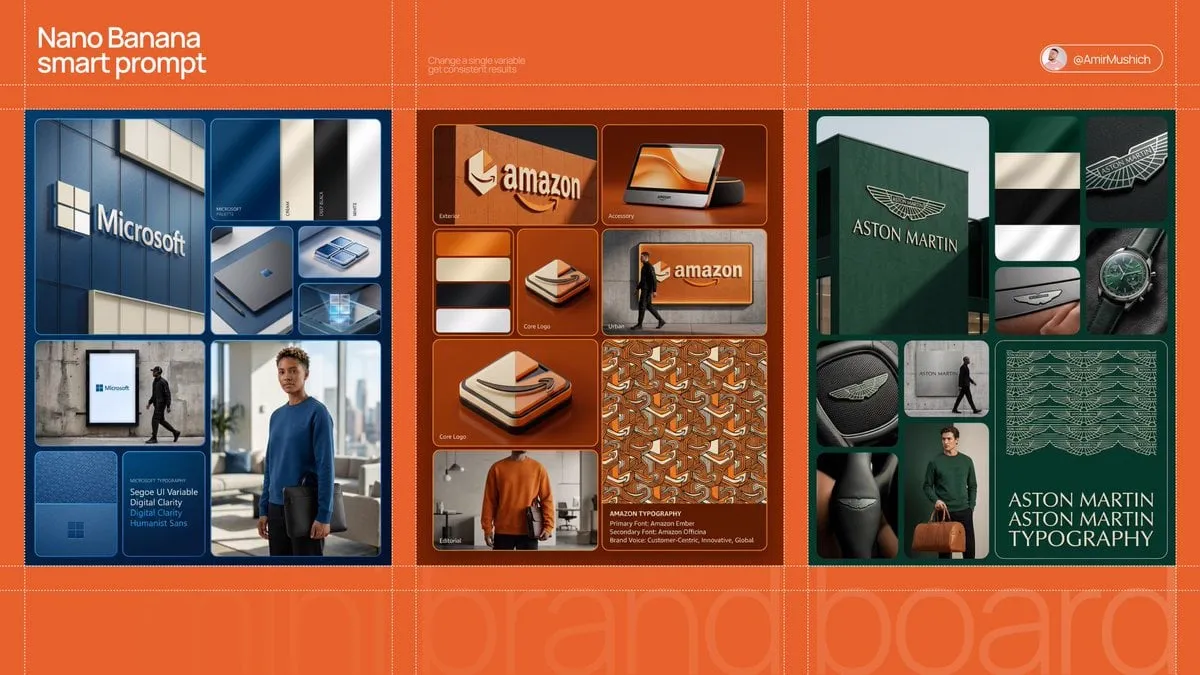
Collect five to fifteen reference images: palette, lens feel, lighting direction, texture, wardrobe. Keep them in one folder and reuse them as conditioning for every shot in that scene. Consistency across a project usually comes from consistent references, not from a better model.
3. Do cheap blocking passes
Generate low-commitment versions to test composition and motion. Accept roughness; you are testing whether the shot works in the edit, not whether it is beautiful. This is where you discover that the shot you imagined needs to be two shots, or that the camera move you wanted fights the subject.
4. Lock shots, then upscale
Once the edit works with rough takes, regenerate the approved shots at higher quality using the same references and seeds, then upscale. Upscaling before you have locked the cut is wasted effort, because half of what you polish will be deleted.
5. Assemble, then fix in the edit
Cut in an editor, not in the generator. Use speed ramps, whip transitions, and reaction inserts to hide generation seams. Contrast, grain, and a consistent grade tie differently sourced shots together more effectively than any single tool setting.
6. Sound first, then captions
Music, ambience, and effects carry more perceived quality than a marginal resolution bump. Lay sound before you polish picture, and you will suddenly notice which shots are actually weak. Add captions last, and check them on a phone.
7. Deliver and archive
Export per platform, keep a master, and store your prompts, seeds, references, and generation settings alongside the project. Six weeks later, that log is the only reason you can reproduce a look a client loved.
Tool Categories and Where Each One Fits
Text-to-video and image-to-video generators. The core engines. Strong for concept work, environments, stylized sequences, and B-roll. Choose based on motion realism, duration, and reference support rather than the demo reel.
AI-assisted editors. Tools that handle silence removal, scene detection, auto-reframing, transcription-driven editing, and background removal. These often save more hours per week than any generator, because editing is where the time actually goes.
Avatar and presenter video. Useful for training modules, internal comms, and localized explainers where a human presenter would otherwise have to be reshot for every language. Best when the content is informational rather than performance-driven.
Voice, dubbing, and localization. Voice synthesis for scratch narration and final voiceover, plus dubbing pipelines that preserve timing. Check pronunciation of brand terms and names before committing to a full pass.
Cleanup and finishing. Upscalers, denoisers, rotoscoping, object removal, and frame interpolation. Unglamorous, but they decide whether a generated clip survives contact with a real timeline.
Which combination you pick matters less than covering these five jobs. A team with one strong generator, one good editor, one upscaler, and one voice tool can ship almost anything.
Real Use Cases With Honest Expectations
Social advertising. Hooks, alternate openings, and rapid variant testing. Expect to shoot or source anything involving a specific product's exact details, since generated packaging and logos drift.
Explainers and training. Script-driven, largely narrated, heavy on graphics and simple staged scenes. This is the strongest fit for avatar and voice tooling because accuracy beats spectacle.
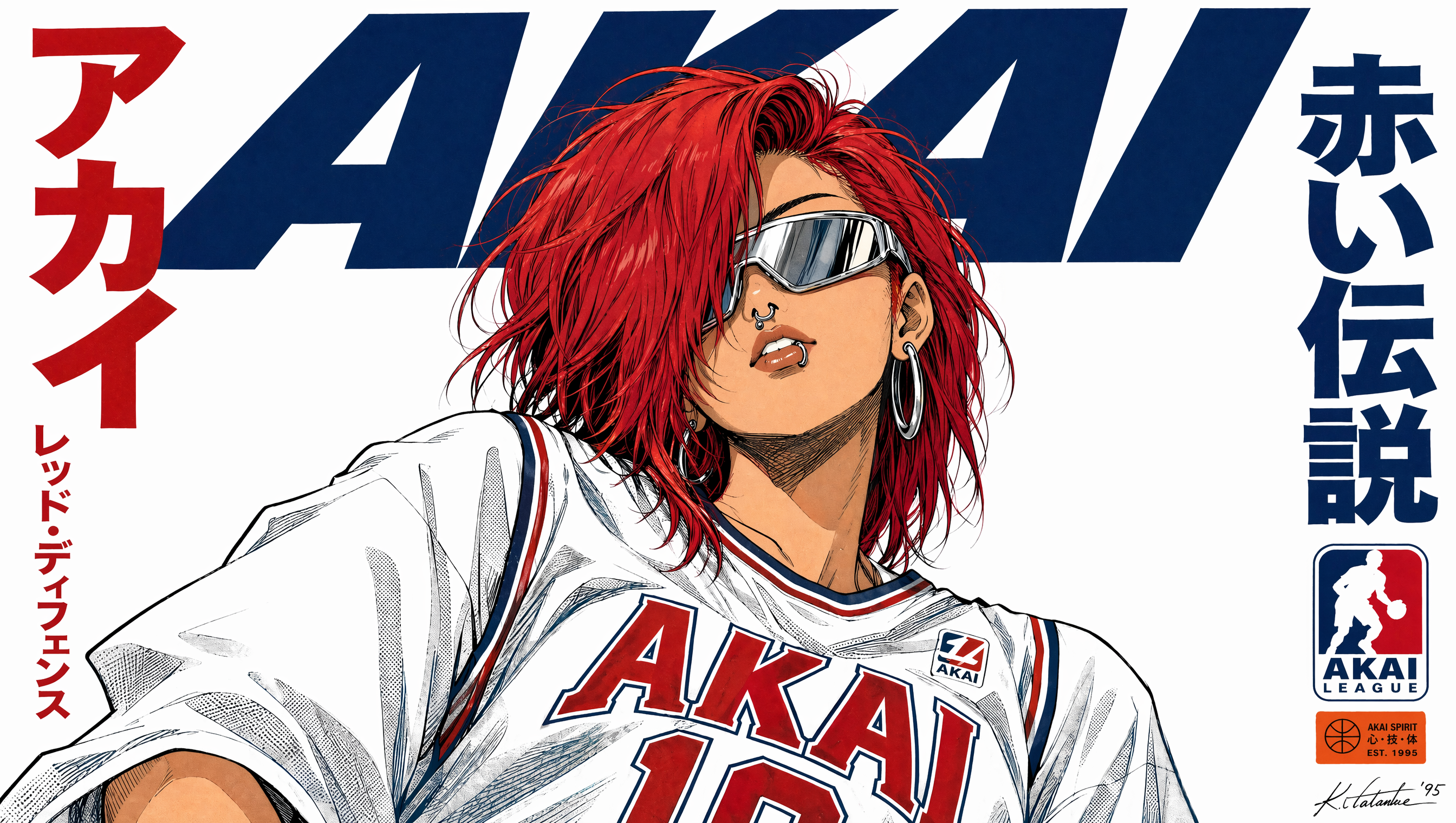
Narrative shorts and music videos. Stylized, mood-led, and forgiving of surreal detail. Plan around the model's weaknesses: cut on motion, avoid long dialogue close-ups, and treat continuity as a design constraint rather than an afterthought.
Product and e-commerce. Beauty shots, macro textures, and lifestyle context where the product can be composited or shot practically and surrounded by generated environments. Keep the hero product real.
Architecture and interiors. Camera moves through spaces, lighting studies, and early client walkthroughs. An excellent fit, provided you label renders as concepts and keep dimensions honest.
Common Mistakes and How to Avoid Them
- Starting with tools instead of a script. You end up with a folder of clips and no film.
- Chasing one perfect long take. Generate short, cut often, and let editing create flow.
- Ignoring audio until the end. Bad sound makes good picture look cheap.
- Skipping the reference pack. Without it, every shot drifts toward a different look.
- Upscaling too early. Lock the cut first.
- Trusting text inside the frame. Add titles and typography in post.
- Forgetting the shot log. You will never reproduce that one good take.
- Assuming consistency is automatic. It is engineered through references and seeds.
- Ignoring aspect-ratio planning. Reframe-friendly composition saves hours of rework.
- Publishing without a review pass. Watch on a phone, a laptop, and a large screen first.
Rights, Disclosure, and Review
Check the terms that apply to your account and region for commercial use, and keep records of the references you fed into the model, especially if they came from a client or a licensed library. Do not condition on footage you have no rights to use.
Disclosure expectations vary by platform and jurisdiction, and they are still evolving. When content depicts real people, events, or endorsements that did not happen, label it clearly. When in doubt, a short on-screen note or caption costs nothing and protects you.
Internal review matters too. Build a simple checklist: no unintended brand marks, no distorted faces in background frames, no text artifacts, correct captions, correct aspect ratio, consistent audio levels across cuts. Run it every time, because generation tools introduce errors in places editors do not instinctively look.
FAQ
Do I need professional experience to use these tools? No for exploration, yes for finished work. Anyone can generate a striking clip. Turning clips into something watchable requires editing instinct, sound design, and a shot plan.
Are AI video tools a replacement for shooting? Rarely. They are strongest as a supplement: B-roll, concepts, environments, variants, and sequences that would be impractical to shoot. Anything requiring precise physical performance is still faster to capture on set.
How do I keep characters consistent? Use the same reference images, the same seed where available, and the same descriptive vocabulary across every shot in a scene. Keep a character sheet with wardrobe, hair, and lighting notes, and reuse it relentlessly.
What should I learn first? Editing and sound design, then prompting. Generation skill improves quickly with practice, while editorial taste compounds and is what audiences actually respond to.
How long does a one-minute piece take? A simple narrated explainer can come together in a day. A one-minute narrative piece with several locations and consistent characters is realistically a multi-day project once you account for generation attempts, editing, sound, and review.
Which output settings should I start with? Match your delivery platform, generate at the highest resolution you can afford to iterate at, and always keep a master export separate from platform-specific versions. Reserve upscaling for shots that survive the final cut.
