
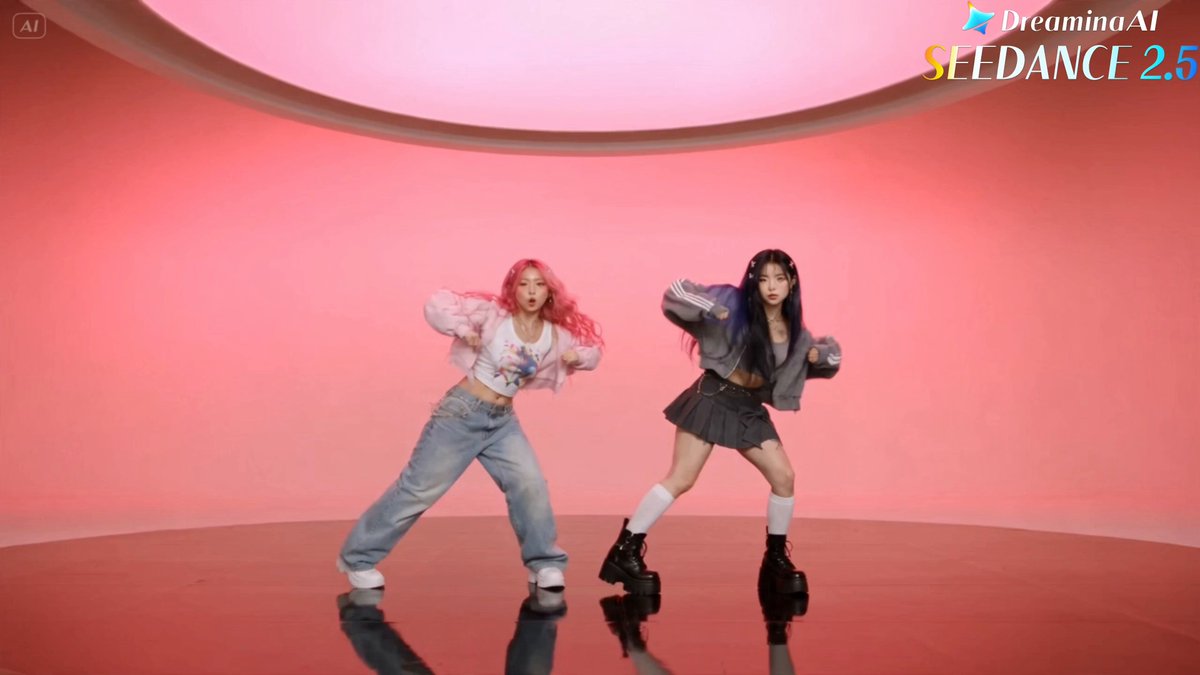

The average person scrolls past hundreds of videos every day and stops for only a handful. In that brutal contest for attention, the marketers who win are not necessarily the ones with the biggest budgets. They are the ones who can produce the right video, in the right style, at the right moment, faster than the competition. For most of the past decade, that speed was a structural advantage of large agencies with production teams. In 2025, AI has redistributed it. A two-person marketing team can now generate campaign-ready video assets in hours, test multiple creative directions in a day, and personalize content for different audiences without reshooting anything.
This guide is written for digital marketers who want to use AI video creation seriously. It covers the trends that matter, the workflows that scale, the models worth knowing, and the measurement habits that turn creative output into business results.
Why Video Is the Center of Digital Marketing
The shift toward video is not a trend; it is the default behavior of platforms and audiences. Social feeds are video-first, short-form video dominates engagement metrics, and advertisers report strong performance from video creative across most verticals. The AI-driven video content market is growing at a pace that makes traditional production planning look slow. Brands that fail to produce enough video creative simply disappear from the feeds where their customers live.
The strategic implication is a volume problem. One or two polished videos a month is no longer enough for brands that want consistent visibility. The winning pattern is a high-velocity testing loop: many creative variations, measured quickly, scaled once proven. AI is the only realistic way to run that loop without a production department, which is why it has moved from experimental to essential.
The 2025 Trends That Matter for Marketers
From Studio Production to Prompt-Led Creative
The center of gravity has moved from the editing suite to the creative brief. Instead of storyboarding in a room with a director, teams now write structured prompts, generate keyframes, and iterate on a visual language in days. This changes the skill set marketers need: the ability to write precise creative direction, to evaluate generated output against a brand standard, and to manage a pipeline of variations.
Consistency as a Competitive Weapon
Brands live or die by recognition. The biggest practical barrier to AI video for marketing was inconsistency: logos that morph between frames, mascots that change color, products that do not look like the real thing. Multi-image fusion and reference-based generation have largely solved this. By feeding the model a fixed set of brand references, the product, the colors, the mascot, the spokesperson, marketers can generate unlimited footage that stays on-brand.
Localization Without Reshoots
Markets like Southeast Asia reward local relevance: language, cultural references, and platform habits differ sharply across countries. AI makes localization a prompt problem rather than a production problem. The same product hero can be re-prompted for different markets, with local language, local faces, and local context, in a fraction of the time a reshoot would take. This is one of the fastest-ROI uses of AI video for regional brands.
Short-Form as the Testing Ground
Short-form platforms remain the most efficient place to test creative. AI tools fit this loop perfectly because they are fast, cheap, and easy to iterate. Run five variations of a hook, measure which one holds attention, then invest in producing the winner properly. The winners of this game treat AI video as a testing engine and a production engine at the same time.
The platform algorithms reward early engagement, so the first two seconds of a video carry enormous weight. AI lets you test ten hooks in a day, which is the fastest way to learn what your specific audience reacts to. Pair this with platform-native formats, vertical video, captions on, and a clear single message, and the testing loop compounds quickly. The best-performing teams treat every campaign as a set of experiments, not a single bet.
Building the AI Video Marketing Workflow
Step 1: Define the Creative Brief
Write the brief before touching any tool. Include the goal (awareness, conversion, retention), the audience, the platform, the tone, the call to action, and the non-negotiables: logo placement, brand colors, product accuracy, and compliance constraints. The brief is the source of truth that keeps the AI output aligned with the brand.
Step 2: Lock the Brand Reference Set
Create a reference package: high-quality images of the product from multiple angles, the logo on plain and textured backgrounds, the brand color palette, and approved mascot or spokesperson images. This package is the raw material for consistent generation. Store it centrally so every campaign uses the same references.
Step 3: Generate Keyframes First
Before generating any motion, generate still frames that match the brand look. Approve the keyframes with stakeholders. Once the frames are right, animate them with image-to-video models. This two-stage approach prevents the most expensive mistake in AI video: generating lots of footage that nobody approves because the look is wrong.
Step 4: Run a Variation Matrix
For each approved keyframe, generate several motion takes and several hook variations. Keep the matrix small and measurable: a handful of versions per campaign, not fifty. The goal is to learn what works, not to generate the largest possible pile of assets.
Step 5: Edit, Caption, and Localize
Assemble the chosen takes, add on-brand captions, and localize for the target markets. Captions matter enormously because most short-form viewing happens on mute. Keep the edit tight: the hook in the first two seconds, the value quickly, the call to action clearly.
Step 6: Measure and Feed Back
Track the metrics that match the goal: completion rate, click-through, conversion, or engagement. Log what creative elements won, the prompts that produced them, and the audience that responded. Over time, this log becomes a proprietary playbook that makes every future campaign cheaper and faster.
Choosing the Right Models for Marketing
For photorealistic product and lifestyle footage, Flux delivers outstanding photographic quality and style consistency, which makes it ideal for hero shots and keyframes. For narrative campaigns with recurring characters or spokespeople, Runway Gen-4 handles continuity across scenes well, and OpenAI Sora brings physical plausibility that matters for real-world product demonstrations. For volume, social-first content and stylized looks, MiniMax Hailuo, Luma Ray, and Pika offer fast, affordable generation. In Asian markets, Kling AI provides excellent prompt adherence and local-language understanding, while Vidu's multi-reference capability helps with complex product or character setups. PixVerse stands out for camera control, with shot-language presets that make even amateur prompts look professionally directed.
The professional approach is to standardize on a primary hero model and a secondary volume model, test them against real campaign prompts, and document the results. Marketing teams should not chase every new model; they should build a small, proven toolkit and upgrade deliberately.
Brand Consistency in Practice
Consistency failures are the fastest way to burn trust in AI-generated creative. Here is a practical checklist:
- Feed the same reference images into every generation for a campaign.
- Write the product and brand descriptions identically in every prompt.
- Approve keyframes before animating anything.
- Grade all accepted takes to a common color standard in the edit.
- Check logos and text rendering carefully; text is still a weak spot for many models.
- Keep a human in the loop for anything customer-facing that makes claims about the product.
Measuring Success
AI video is only valuable if it moves business metrics. Build the measurement before the production. Decide what a successful video looks like, set up tracking, and review results weekly. The most useful insight is often negative: this hook style failed, this audience ignored this product angle, this platform rewards this format. Those insights compound, and they are the reason teams that measure win over teams that merely produce.
A Concrete Campaign Example
To see the workflow in action, walk through a typical product launch for a consumer brand in Southeast Asia. The team has a new phone case, a mascot, and three target markets: Thailand, Vietnam, and Indonesia. The budget does not allow a photo shoot in three countries.
Week one, they lock the brand reference set: studio photos of the case in four colors, the mascot in three poses, and the approved brand palette. They write the creative brief: a 15-second vertical video for short-form platforms, hook in the first two seconds, product hero in the middle, logo and call to action at the end.
Week two, they generate keyframes for the hero shot and the mascot scene, iterate until the look matches the brand, and approve. Then they animate the frames with an image-to-video model, generate five motion takes per scene, and select the winners.
Week three, they localize: the same product, re-prompted with local language, local faces, and local context for each market, plus subtitles generated automatically and checked by a native speaker. They publish three localized versions and run a small paid test.
Week four, they measure completion and click-through per market, identify which hook worked where, and feed the results back into the next campaign. Total production cost is a fraction of a traditional shoot, and they now have a documented playbook.
Budgeting AI Video Production
Even with AI, video production is not free, but the budget structure changes completely. The traditional cost stack, crew, equipment, location, and post-production, shrinks to three main items: model usage, human review time, and finishing tools. Plan the spend by campaign phase: a small testing budget for volume models and variations, a larger budget for hero assets with premium models, and a fixed allocation for editing and sound. Track cost per accepted shot, not cost per generation; the number that matters is what you pay for footage you actually use.
When Not to Use AI Video
AI is not the right answer for every asset. Live-action testimonial footage, real product demonstrations with physical interaction, and anything where authenticity is the core message often work better shot traditionally. The strongest strategies use AI for scale and speed and reserve human production for the moments that need trust. Knowing when not to use the tool is part of using it well.
FAQ
Do I need to replace my whole creative team with AI tools?
No. The best setup is humans owning strategy, brand, and judgment, with AI owning volume and speed. The team gets smaller only if it refuses to adopt the tools.
How do I make AI video look like my brand and not like generic AI?
Lock the reference set, grade the output, add on-brand captions and sound, and keep the creative brief strict. Generic output is usually the result of a generic brief.
Is AI video cheap enough for always-on social content?
Yes, when used correctly. The economics work when you use fast models for volume testing and save premium models for hero assets. Generate only what you will actually test.
What should I do when the AI gets a brand element wrong?
Treat it as a prompt and reference problem, not a mystery. Fix the reference image, tighten the description, and regenerate. If a specific element keeps failing, use a different model for that element and composite it in the edit.
How much AI video should a brand publish?
Publish what serves the strategy, not what the tool can produce. A disciplined brand publishes fewer, better videos with a clear testing loop; a careless one drowns in volume and learns nothing.
Do I need to disclose AI-generated ads to platforms?
Many platforms and jurisdictions require disclosure for AI-generated content, especially in advertising. Check the rules for each platform and market, and disclose where required.
Conclusion
AI video has turned the creative bottleneck of digital marketing, the time and money required to produce good footage, into a skill problem. The teams that win in 2025 will combine a disciplined brief, a locked brand reference set, a fast testing loop, and honest measurement. The technology is ready; the competitive edge now comes from process. Start with one campaign, lock your brand package, generate keyframes before motion, and measure everything. Within a few cycles, you will have a machine that produces on-brand video faster than your competitors can brief their agencies.
