
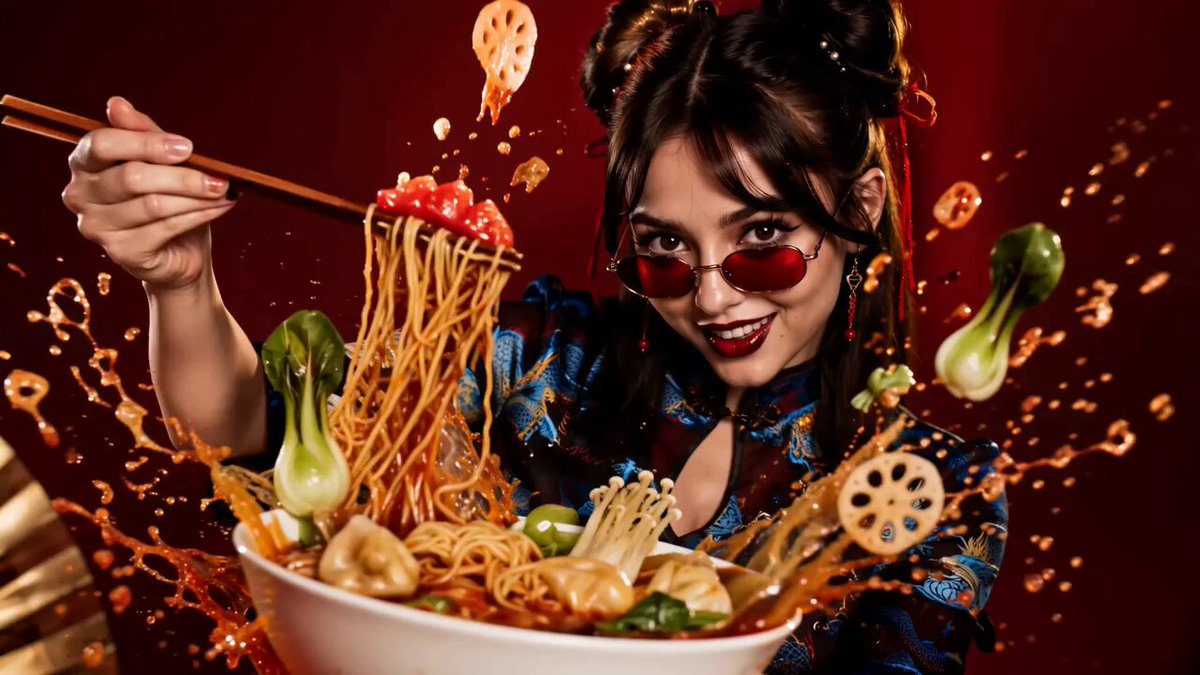

The content creation industry is going through a transformation powered by generative artificial intelligence. By the middle of the current decade, tools that turn a written description into a cinematic-looking scene had reached a very advanced stage, moving from intriguing experiments to production software that independent creators and small teams genuinely rely on. The journey from a sentence in a prompt box to a polished, film-like sequence has become both more capable and dramatically more accessible.
This article surveys the most important trends shaping AI video today. We will look at the underlying model generation, the move toward automated directing, the push for character consistency across scenes, and the practical consequences for the people making money and finding joy in digital content. Along the way a clear picture emerges: high-quality cinematic production is no longer reserved for studios with expensive gear.
The Turning Point: From Experimental Models to Production Tools
The current landscape of AI video creation marks a historical pivot. We have crossed the line from laboratory demonstrations to high-fidelity production tools that can be trusted in professional settings. Early text-to-video systems produced short, wobbling, faintly nightmarish clips. Contemporary systems generate coherent footage with stable lighting, sensible physics, and consistent subjects, and they can run long enough to tell a real scene.
Two things enabled this. The first is scale: better architectures and far more training compute have pushed quality upward. The second is the focus on temporal consistency, the ability to keep elements stable across time, which was the single biggest obstacle between "pretty images" and "watchable video." Both trends continue to accelerate.
The Fourth Generation and Its New Quality Bar
The newest wave of video models is sometimes described as a new generation of the technology. These models are distinguished by their ability to handle complex temporal dependencies, meaning they can reason about how a scene changes over time rather than simply stitching independent frames together. The result is output that is more coherent over longer durations and across more ambitious camera moves and scene changes.
For creators, this generation's practical meaning is that a single model can now deliver what used to require a multi-tool workflow: a stable subject, believable motion, and cinematic framing in one pass. The quality floor has risen, which means the barrier to entry for professional-looking content has fallen. Someone with a clear idea and a text box can now produce footage that viewers would once have assumed came from a camera and a crew.
Regional Innovation: A Global, Competitive Market
The video AI landscape is not dominated by a single region. Asian labs, especially from China, have emerged as a powerful force driving innovation in AI video, adding a vital competitive element to the global market. They have released models that rival or exceed Western counterparts on key benchmarks while pushing the pace of releases and the pressure on price and capability.
For users this competition is a gift. It accelerates the release cycles of every major provider, drives quality up, and keeps costs down as providers fight for the same creators. The practical takeaway is that the best model today is rarely the best model next quarter, so creators should build workflows that let them swap models easily rather than becoming tied to one tool.
Reference Models and Multimodal Control
Another defining trend is the rise of reference and reference-guided workflows. Instead of describing everything with a text prompt and hoping for the best, creators can now provide a reference image or short clip that anchors the style, a character, or the look of a place. The model then generates new footage that respects that reference, which is a huge step toward intentional, art-directed output.
Multimodal control extends this idea further. A modern generation pipeline may accept a prompt, a reference image, an audio track, and direction about camera movement or pacing, all at once. This fusing of signals lets a creator drive the result toward a specific vision instead of accepting whatever a text-only prompt happens to produce. Control is quietly becoming the most important differentiator between tools.
The Move Toward Automated Directing
Perhaps the most intriguing trend is the rise of the AI agent director. Where early tools made you talk directly to a raw model, the newest systems insert an intelligent layer on top that behaves more like a director or creative supervisor. It can translate a story goal into a plan of shots, suggest compositions and camera moves, and keep the details of a scene consistent from one shot to the next.
This changes the creative workflow in a meaningful way. Instead of engineering every prompt yourself, you can describe the kind of scene and emotion you want and let the assistant handle the tedious parts of shot planning and continuity. Skilled creators still bring their taste and judgement, but they no longer have to hand-write every detail. The tool becomes a collaborator that handles the mechanics while you make the creative calls.
Taming Character Consistency Across Scenes
The hardest problem in long-form generative video has been keeping a character recognisable from one scene to the next. Faces drift, clothes change, and locations shift unpredictably. Modern systems attack this with multi-reference workflows: you supply consistent reference images of the same character, and the pipeline locks that identity across every generation so the character survives scene transitions intact.
This matters enormously for storytelling. A character who changes face between shots destroys suspension of disbelief. Getting stable character consistency is what turns a collection of impressive clips into an actual story, and it is the feature independent filmmakers and animated-series creators need most. It is also one of the clearest places where better, more capable tools dominate their cheaper rivals.
The New Creator Economy: Monetising Creativity
These technical trends converge on an economic outcome: generative AI is democratising high-quality cinematic production and, with it, the ability to earn from it. Independent creators, small brands, and studios without budget can now produce content that stands alongside far more expensive work. The barriers that once kept polished video out of reach, crew, gear, time, and budget, have been lowered dramatically.
New revenue models have followed. Creators can generate branded clips, sell short-form series, build educational content, or produce marketing material on demand. The key differentiator in this new economy is no longer access to equipment but the ability to tell a compelling story, maintain a distinct style, and iterate quickly. Tools handle the mechanics; taste decides who wins attention.
Practical Implications for Creators and Teams
If you are building a video workflow around these trends, a few principles pay off. Keep your pipeline model-agnostic so you can plug in the latest and best model as it ships. Build a library of reference images for your recurring characters and locations so consistency is one click away. Treat the AI layer as a director's assistant rather than a magic box, and keep the editorial judgement in your hands. Finally, stay focused on story and emotion, because the technology increasingly handles everything else.
Frequently Asked Questions
Can AI now produce truly cinematic scenes from text?
In many cases, yes. The latest models handle lighting, camera moves, and coherent subjects well enough that results can pass for professional footage, especially for short-form scenes and with a little editorial polish.
Are AI video models only from a few big companies?
No. The field is highly competitive and globally distributed, with strong players in North America, Europe, and Asia. Competition across regions is actively improving quality and lowering cost.
How do I keep the same character across many clips?
Use a multi-reference workflow. Feed the same reference images of the character into every generation so the model locks the identity, rather than relying on a text prompt to remember who the character is.
Is AI video production affordable for small creators?
Increasingly, yes. Lower-cost and even free tiers combined with fast iteration make professional-quality work feasible for individuals and small teams, though premium output still usually involves some paid compute.
Will AI replace video professionals?
It is replacing some mechanical tasks, shot planning, layout, and rote generation, but the demand for taste, storytelling, style, and judgement is growing, not disappearing. The technology amplifies skilled creators rather than removing the need for their skills.
Building a Practical Workflow Around These Trends
Putting these trends to work means more than knowing about them; it means shaping a repeatable pipeline. A solid workflow keeps you productive as models change and grows your style over time. Start with a defined brief that captures the story, the audience, and the emotional target. Then advance scene by scene rather than trying to generate an entire film in one go. Keep character and location references in a small, organised folder so every scene pulls from the same visual DNA. Finally, review each shot for coherence before moving on, because a flaw noticed early is cheap to fix and expensive to discover later.
A second habit is versioning. Save your prompts, reference images, and settings alongside your outputs. When a new model ships, you can test your proven setup against it without losing the work that worked. This makes your pipeline resilient to the constant churn of the field, which is one of the most practical advantages you can build as a creator in this fast-moving space.
The Value of a Reference Library
Your reference library is a quiet competitive advantage. By curating a set of settings for characters, locations, and visual styles, you can reproduce a look reliably and experiment more aggressively. When you find a style that resonates with an audience, you can scale it across many pieces rather than reinventing it each time. Building this library takes a little discipline at the start but compounds in value rapidly, and it is exactly the kind of asset that separates professionals from occasional users.
A Glimpse at Model Capabilities in Practice
To understand what current tools can and cannot do, it helps to imagine a concrete production. Suppose you want a ten-second night city scene where a car pulls up, a person exits, and the camera tracks them toward a neon doorway. A single first-generation model might struggle to keep the person, the car, and the lighting stable over the whole sequence. A modern model handling complex temporal dependencies can often manage it, especially if you anchor the shot with a reference and guide the motion with clear, directional language. The result is footage that previously demanded a location shoot.
For still more demanding work, such as a dialogue between two recurring characters across several shots, no single generation is enough. You rely on reference-based consistency and a multi-shot plan. This is where the "director" layer earns its keep, by keeping identities stable while you focus on the narrative. The practical lesson is that the tool is no longer just a generator; it is a production partner that changes your planning and your standards.
Practical Limitations Worth Knowing
For all the progress, honest expectations help you avoid wasted effort. Extremely long single generations still tend to drift, so plan for shorter, linked shots rather than one marathon clip. Fast, complex camera moves and subtle physical interactions remain tricky, and small details such as hands, text, and fine patterns can still distort. Faces are far more stable than they used to be, but under extreme motion they can still collapse. And while models understand context better, they still sometimes invent fine details you did not ask for, so a close final review remains part of the job.
Understanding these limits turns setbacks into planning inputs. When you know that long single generations drift, you break the work into shots. When you know hands are fragile, you frame them less prominently. This is the difference between fighting the tool and designing around it, and it is a skill that carries across every new model that arrives.
Advice for Teams Adopting These Tools
Teams face their own set of choices, and a little structure avoids friction. Nominate someone to own the reference library and the shared prompt style, so the whole team generates consistent output rather than each member drifting in a different direction. Centralise version history and approved assets, and record why a particular generation was chosen or rejected, so institutional knowledge is not lost when someone leaves. Establish a clear review and approval flow so that creative freedom stays within the guardrails of the brand. And regularly revisit tool choices, because the pace of improvement means the best option six months ago may no longer be the best today.
At the same time, keep the human element central. The tools lower the technical barrier, but they do not supply taste, storytelling, or empathy. Teams that succeed are those that use the freed-up time to sharpen their ideas and their craft instead of simply producing more volume. The technology is a multiplier; the direction still comes from people.
The Road Ahead
The trajectory is clear. AI video has moved from text to cinematically credible scenes, and the trends shaping it, new model generations, automated directing, reference-based consistency, regional competition, and a maturing creator economy, are pushing quality up, cost down, and control into more hands. The result is a landscape where storytelling, not spending, is the deciding factor.
For anyone curious about where to begin, the advice is simple: experiment now. Start with a short text prompt and see what a current model can do, then experiment with references and directed setups. Each new capability is a new way to express an idea, and the creators who learn to harness the trends early will be the ones defining the look of content in the next couple of years.
