
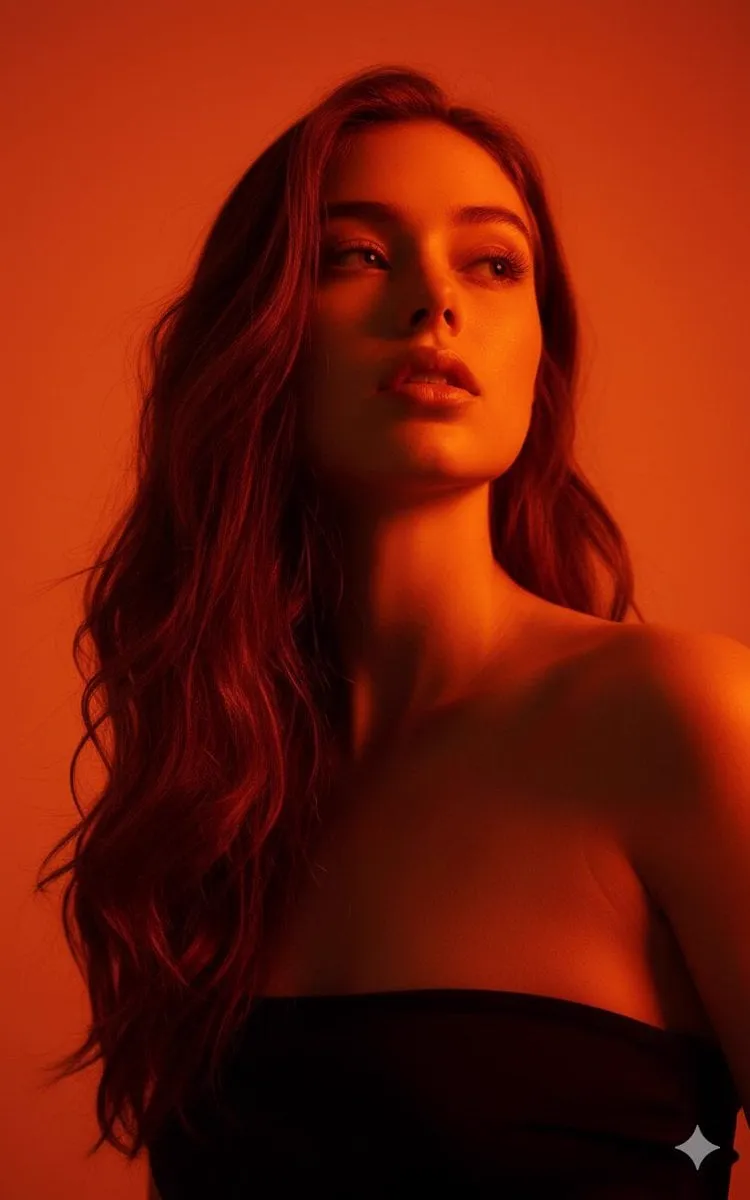
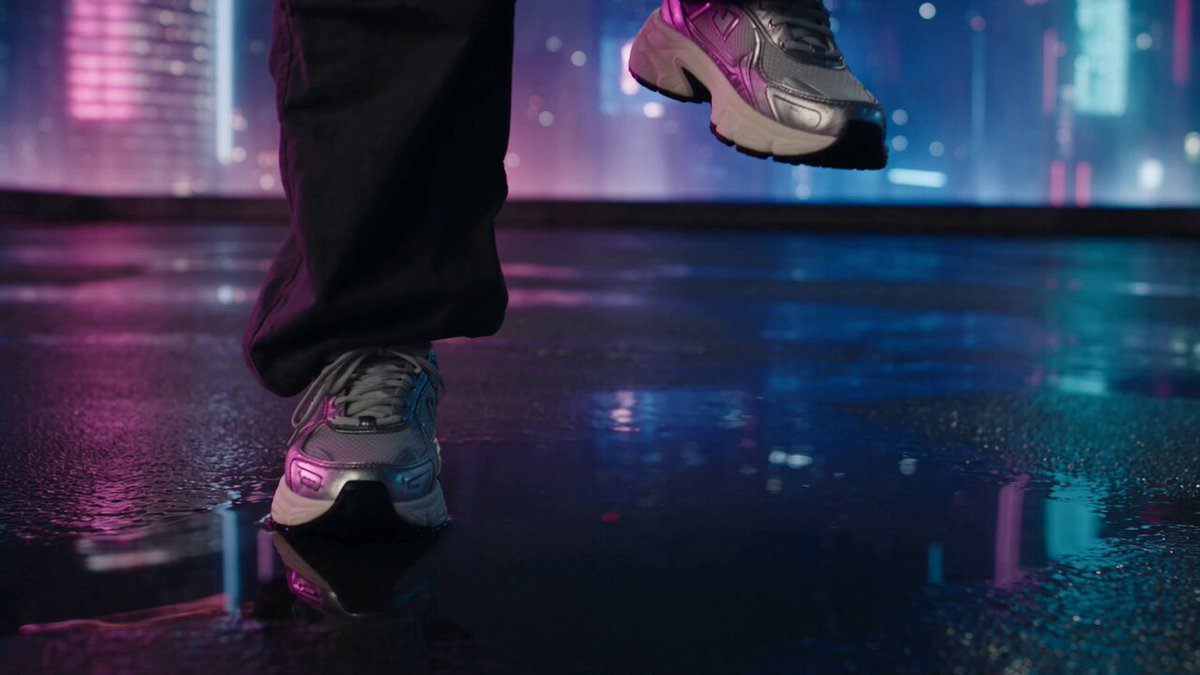
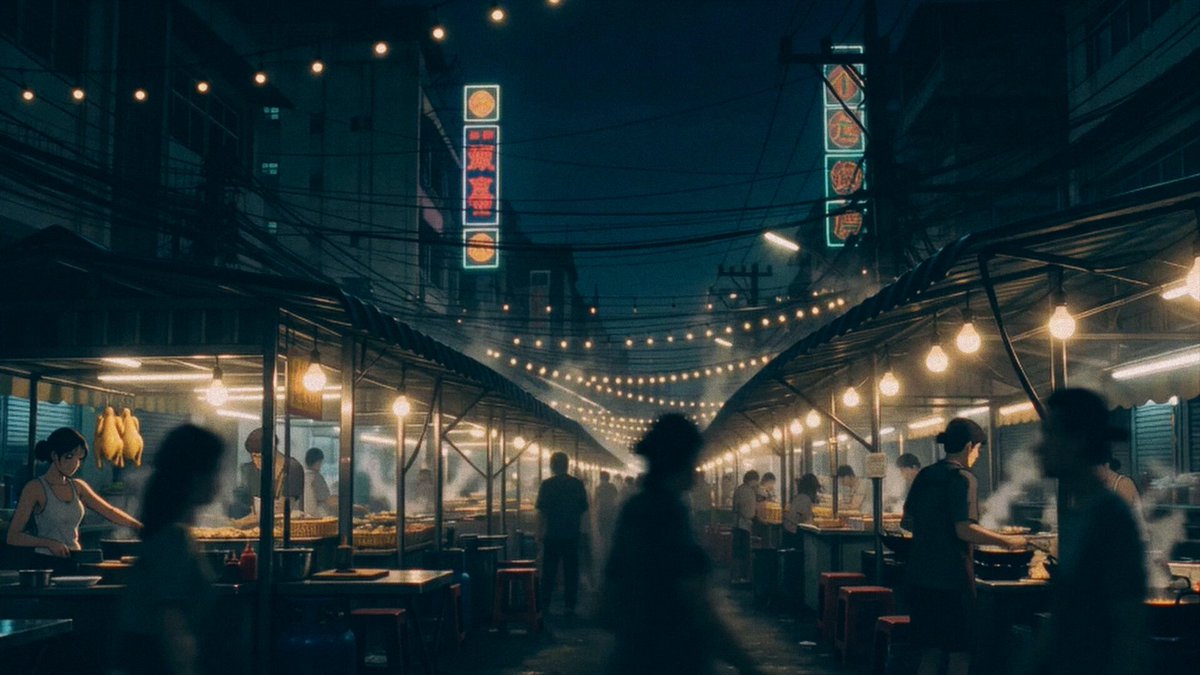
Generative video stopped being a novelty the moment viewers began judging clips by the same standards they apply to anything else: does the character look the same in shot three as in shot one, does the cut land on the beat, does the whole thing feel like it was made on purpose. That shift is the real story behind the explosion of AI-assisted short films. The tools got better, but more importantly the workflow around them matured. Creators who understand pre-production, continuity, model selection, and post-production are producing clips that hold attention instead of merely demonstrating a model's capability.
This guide lays out a repeatable workflow for building cinematic AI video that people actually finish watching and share. No single tool owns the process. The value is in the sequence: plan tightly, generate deliberately, edit ruthlessly.
Why Consistency Is the Real Viral Filter
Watch twenty AI-generated clips in a row and a pattern appears. The first three seconds are usually impressive. Then something slips. A jacket changes color. A face softens into a different person. A city street becomes an empty plain between cuts. Viewers may not articulate what broke, but they stop trusting the footage, and once trust drops, they scroll.
Consistency is not a technical detail; it is the foundation of narrative credibility. When a character holds together across a scene, the audience can invest in what happens to them. When a location holds together, the audience believes the space exists. Everything else — lighting, camera movement, music — amplifies a believability that continuity has already established.
This is why the modern AI video workflow front-loads planning. Random generation produces lucky shots. A structured pipeline produces a coherent film, and coherent films are what get saved, rewatched, and forwarded.
It also changes how you measure success. Instead of asking "does this shot look good in isolation," you ask "does this shot survive being placed next to the previous one." That single reframing will improve your output more than any prompt trick.
Pre-Production: From Hook to Shot List
AI video rewards the same discipline that live-action rewards, just compressed into hours instead of weeks.
Start with one sentence and one image
Write the premise as a single sentence, then describe the single image that would make someone stop scrolling. If you cannot produce both, the idea is not ready. A clip about "a lonely astronaut" is a mood. A clip about "an astronaut who replays a voicemail from Earth while their oxygen gauge ticks down" is a scene. Specificity creates shots.
Break the script into beats, not paragraphs
Most short-form AI films run 30 to 90 seconds. That is roughly five to nine beats. Write them as a list:
- Establishing shot — the environment and the mood.
- Character introduction — face, wardrobe, posture.
- Inciting detail — the object or line that changes everything.
- Reaction shot — the emotional turn.
- Escalation — movement, pressure, or a reveal.
- Turning point — the decision or discovery.
- Resolution or punchline.
Each beat becomes one generated shot or a small cluster of shots. When you work from beats, every prompt has a job.
Turn beats into a shot list with fixed variables
A shot list is where consistency is won. For each shot, lock down five fields before you generate anything:
- Subject: the exact character description, repeated verbatim.
- Wardrobe: colors, materials, any accessory that appears in more than one shot.
- Location: time of day, weather, architecture, dominant surface textures.
- Lens and framing: wide, medium, close, and the implied focal length.
- Lighting: direction, color temperature, contrast level.
Copy-paste these fields into every prompt rather than rewriting them from memory. Small wording drift produces large visual drift.
Character and Scene Consistency in Practice
This is where most projects succeed or collapse.
Use reference image sets, not a single portrait
A single photo gives a model one angle and one lighting condition. Supply several: a front view, a three-quarter view, a profile, and a shot in different light. Multi-image referencing lets the generator triangulate facial structure, hairline, jaw shape, and skin tone instead of guessing. The result is a character who survives camera moves and new environments.
Separate identity from performance
Treat identity and performance as two layers. Identity includes face, body type, hair, and signature wardrobe. Performance includes expression, gesture, and motion. Lock identity first with a simple, well-lit test shot. Only then introduce emotion, movement, and dramatic lighting. If you change both at once and something looks wrong, you will not know which change caused it.
Anchor the environment with recurring detail
Locations suffer the same drift as faces. Choose two or three anchor details per environment — a specific streetlamp, a cracked tile pattern, a particular shade of paint — and mention them in every prompt set in that space. Anchors give the model something concrete to reproduce and give viewers subconscious continuity cues.
Common consistency failures and their fixes
- Face morphs between shots: add a second and third reference image; simplify the prompt so appearance tokens are not competing with heavy atmosphere tokens.
- Wardrobe color shifts: name the color with a modifier (deep ochre, not brown) and repeat it exactly.
- Background architecture changes: describe geometry (arched doorway on the left) rather than mood alone.
- Scale drifts: state the framing and the subject's position in frame.
- Lighting flips: declare the light source direction and quality in every prompt, even for close-ups.
When to accept a mismatch
Not every inconsistency is a defect. Deliberate discontinuity — a jump cut, a dream sequence, a time jump — can be a stylistic choice. The rule is simple: unintentional drift reads as error; intentional drift reads as editing. Signal intent with a hard cut, a sound cue, or a title card.
Matching Generative Models to Shot Types
Model hopping is not indecision; it is craft. Different engines have different strengths, and the skilled workflow assigns shots accordingly.
Realism-first shots
Photoreal engines excel at skin texture, fabric detail, natural depth of field, and physically plausible light. These are your character close-ups, emotional beats, and anything that needs to feel documentary. They are less forgiving of loose prompts, so keep descriptions precise and grounded.
Stylized and illustrated shots
Animation-oriented models handle bold color, graphic shapes, exaggerated motion, and consistent character design across wide style shifts. Use them for title sequences, transitions, dream logic, and any sequence where visual personality matters more than realism.
Motion and dynamics
Some models handle fast action, camera whips, and complex physical interaction better than others. Test a hard shot — running, falling, water splashing — with each candidate model before committing a whole sequence to it. A model that renders a beautiful still frame may produce smeared motion.
A practical assignment grid
Build a small table for your project: shot number, description, priority (identity, motion, atmosphere), chosen model, and a notes column. Assign the model that best serves the priority. This prevents the common trap of forcing one engine to do everything and accepting mediocrity across the board.
Test before you scale
Generate one shot per model per sequence at low cost and compare. Look for three things: does the face hold, does the motion stay clean, does the grain or texture match the surrounding shots. Only then generate the full sequence.
Prompting and Camera Language That Reads Clearly
A prompt is a shot order, not a wish. Structure matters more than vocabulary.
A prompt skeleton that works
Use a consistent order so you can debug quickly:
- Shot type and framing: medium close-up, centered.
- Subject with locked description: the same character block every time.
- Action: one clear verb per shot.
- Environment: location anchor plus time of day.
- Lighting: source, direction, quality.
- Camera behavior: static, slow push in, handheld drift.
- Style and texture: film stock, grain, color palette.
- Negative constraints: what must not appear.
Keep it to a reasonable length. Extremely long prompts dilute attention across too many tokens and often produce a muddy composite of everything you asked for.
Camera vocabulary worth learning
Precise terms give you predictable motion: dolly in, dolly out, truck left, pedestal up, whip pan, rack focus, over-the-shoulder, low angle. Combine at most one camera move with one framing per shot. Two moves in a single generation usually produce mush.
One action per shot
If a character needs to enter a room, notice something, and turn in shock, that is three shots, not one prompt. Splitting action keeps motion clean and gives you edit points. Editors rarely complain about having too many usable shots.
Iterate in one variable at a time
When a shot fails, change one thing: the framing, the action, or the lighting. Wholesale prompt rewrites destroy your ability to learn what the model responds to. Keep a notes file of what worked; it becomes your personal recipe book.
Sound, Voice, and the Editing Pass
AI video is silent until you make it speak, and audio does more for perceived production value than any visual upgrade.
Voice and dialogue
Generate narration or dialogue separately, then align it to picture. Natural pacing matters more than perfect timbre. Slightly imperfect but emotionally committed delivery beats sterile perfection. For dialogue-driven scenes, animate mouth movement to the audio rather than generating audio to fit the animation.
Ambience and effects
Layer three levels: room tone, spot effects, and music. Room tone glues shots together — a consistent hum, wind, or street noise across a sequence makes cuts invisible. Spot effects (footsteps, fabric, a door click) add physical presence. Music sets pace.
Cut on motion and on beat
Place cuts during movement or at musical accents. A cut in the middle of a gesture hides imperfections and feels intentional. Cutting on a still frame exposes every continuity flaw.
Captions and subtitles
Most viewers watch muted. Burn in or add captions with high contrast and generous spacing. Keep lines short, keep them inside safe margins, and avoid covering faces. Captions are not accessibility decoration; they are a retention tool.
Color and grain pass
Apply a unified grade across all shots — one palette, one contrast curve, one grain setting. This single step does more to make disparate generated shots feel like one film than any amount of re-generating.
Repurposing One Story Into Many Formats
A finished vertical short is raw material, not a final product. The same footage can serve several placements.
- Vertical 9:16 for feed-first platforms, with fast hook and captions.
- Square 1:1 for grid-based placements and thumbnails.
- Horizontal 16:9 for long-form hosting and embedded pages.
- Silent loop versions where motion alone carries the story.
- Still keyframes exported as cover images and social cards.
Build the story so the hook lands in the first two seconds, then create a second, slower cut for audiences who arrive with more patience. One shoot, several edits, more surface area for discovery.
Quality Control Before You Publish
Run the same checklist every time, and do it on a small screen at low volume, because that is how most people will meet your video.
- Does the character look identical in every appearance?
- Does the wardrobe and location anchor hold across cuts?
- Is the opening two seconds clear without sound?
- Does every shot have a purpose, or is something decorative?
- Is the audio balanced — voice above music, no clipping?
- Are captions readable and correctly timed?
- Is the grade consistent from first frame to last?
- Does the ending earn a rewatch, a save, or a comment?
- Is the file exported at the correct resolution, frame rate, and bitrate?
Two more practical notes: check for watermark residue, stray text, and extra fingers in every shot with a slow frame-by-frame scrub, and get a second pair of eyes. A fresh viewer will spot the continuity break you have been staring past for an hour.
Distribution, Metadata, and the Compounding Effect
Publishing well is part of the workflow, not an afterthought. Write a title that states the payoff plainly, and a description that adds context the video does not show. Choose a thumbnail frame with a face, contrast, and a clear focal point — not the busiest frame, the clearest one.
Keep naming conventions disciplined in your project folders so versions never get confused: project, date, version, aspect ratio. Consistency in your file structure echoes consistency on screen.
Finally, treat every publish as a data point. Track completion rate, saves, and shares rather than raw views. If viewers drop at second four, your hook is late. If they drop at second twenty, your middle is sagging. Then adjust the next project based on evidence, not vibes.
Frequently Asked Questions
How many shots should a short AI film have?
For 30 to 60 seconds, aim for eight to fifteen shots. Fewer, longer shots demand flawless motion; more, shorter shots demand tight continuity but edit more forgivingly.
Do I need multiple generative models?
Not strictly, but most creators eventually specialize: one engine for photoreal character work, another for stylized motion. Testing before committing is the only real requirement.
Why does my character change even with a reference image?
Usually because the prompt's appearance tokens are crowded out by atmosphere and style tokens. Shorten the prompt, repeat the identity block verbatim, and add a second reference angle.
How long does a one-minute AI short take to make?
With an established workflow, a realistic range is one to three days including scripting, generation, editing, and sound. First projects take longer because you are building your own recipe book.
Can I fix continuity in editing instead of regenerating?
Sometimes. Matching color, adding grain, reframing, and inserting a transition can mask small mismatches. Large identity changes rarely survive, so regenerate those.
What is the most common beginner mistake?
Generating before writing. Without a shot list and locked variables, every shot becomes a fresh creative decision, and the final edit has no visual throughline.
Should captions be burned in or uploaded separately?
Burn in a styled version for feed platforms where autoplay is muted, and keep a clean master without text for other uses.
Building Your Own Repeatable Process
The difference between one lucky clip and a body of work is a process you can run again next week. Lock your pre-production template. Build a reference library for characters and locations. Keep a model note file that records which engine handled which shot type best. Maintain a consistent prompt skeleton with a stable variable order. Finish every project with the same quality control and the same export presets.
Do that, and the intimidating parts of AI video — continuity, motion quality, coherence — stop being gambles and become steps. The tools will keep changing, and new engines will keep arriving, but the workflow compounds. A creator with a disciplined pipeline will outperform a creator with better tools and no structure, every single time.
