

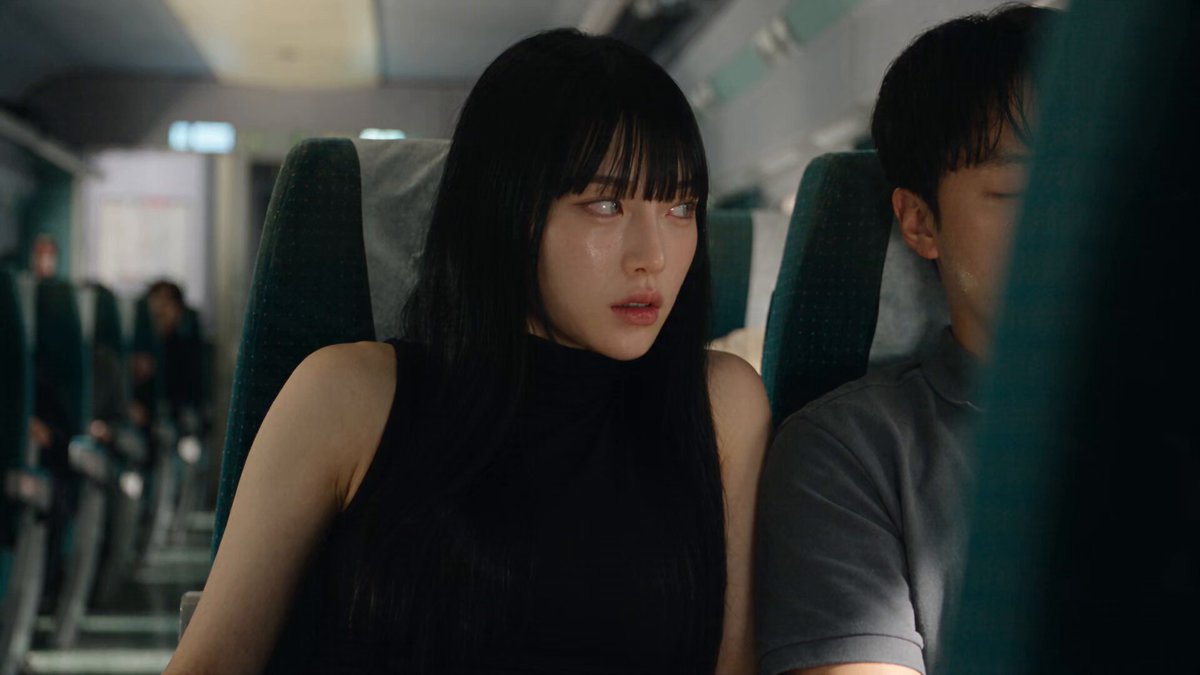

Why AI video workflows changed the production math
For most of the past decade, the bottleneck in high-quality video was never the idea. It was the ladder of dependencies between an idea and a finished cut: script to producer, producer to budget, budget to crew, crew to location, and every rung adding days. Generative video has not removed that ladder, but it has collapsed several rungs into a single afternoon of prompt work, clip review, and re-rolls.
The practical result is that a two-person team can now produce footage that reads as cinematic without renting a soundstage. The strategic result is subtler. When generation becomes cheap, differentiation moves from access to taste: shot selection, pacing, color, sound design, and the discipline to discard a technically dazzling clip that does not serve the story.
Three technical shifts made this possible. First, motion coherence improved — characters stopped melting between frames, and camera moves began to obey plausible physics. Second, reference conditioning matured, so a director can pin a face, a costume, a product, or a location and carry it across dozens of shots. Third, native audio and lip-sync generation arrived, which removed the awkward split between a generated visual track and a separately dubbed voice track.
That combination changes what a first draft means. A first draft is no longer a script plus a mood board; it is a watchable animatic with real motion, real pacing, and a scratch voice track. Reviewers react to it like an audience instead of imagining it like a reader. Feedback shifts from abstract notes about tone to concrete notes about a shot that is two seconds too long.
It also changes team shape. A traditional short film crew distributes labor across many specialists. An AI-assisted crew distributes attention: one person owns story and pacing, one owns generation quality, and one owns finishing, sound, and localization. On small projects a single person wears all three hats, but the hats never disappear — they only become harder to switch between, which is why batching work by stage matters more than working by shot.
The end-to-end pipeline: five stages
Whatever tool stack you choose, the workflow that survives contact with deadlines has five stages. Skipping any one of them shows up later as rework.
1. Concept and beat sheet
Write the story as beats, not shots. A beat is a change in information or emotion: the courier realizes the package is empty; the chef tastes the sauce and pauses. Ten to fifteen beats carry a ninety-second piece. Keep the beat sheet in a plain text file so it can be pasted into a generation tool, a script editor, or a shot-planning spreadsheet without reformatting.
2. Shot list and reference bible
Translate beats into shots, and for each shot define four things: subject, action, camera, and light. That is the minimum any video model needs to respond usefully. Then build a reference bible: one folder of stills for each recurring character, costume, prop, and location. Name files consistently, because you will reference them hundreds of times.
3. Generation and iteration
Generate in batches of the same shot rather than generating shot one to completion before moving on. Three to six variants per shot is usually enough to find one usable take. Keep a rejection log with a one-line reason per rejected clip, for example hand distortion or camera drifts left. Patterns in that log tell you whether to rewrite the prompt or switch models.
4. Assembly, sound, and color
Cut in a conventional editor. Generated clips arrive as raw material with inconsistent color temperature and motion energy; a timeline is where you impose rhythm. Add sound design before music, since footsteps, room tone, and cloth movement do more to sell realism than a score does.
5. Localization and delivery
If the video will travel across regions, plan the localized version at the script stage, not after the final cut. Text baked into the image, idioms in the voice track, and culture-specific humor are the three things that break localization most often.
Treat each stage as a gate. A shot list without references produces drifting characters. References without a beat sheet produce pretty clips with no through-line. Assembly without sound produces footage that feels synthetic no matter how good the frames look.
Choosing a generation model: decision criteria
Model choice is not a loyalty decision; it is a per-project decision. The criteria that actually predict whether a shot works:
- Motion fidelity: how well fast action, hands, and crowd scenes hold together.
- Reference conditioning: how many distinct references a single shot accepts before quality degrades.
- Clip length: native duration per generation, and whether the tool supports extension without a visible seam.
- Aspect ratio range: vertical, square, and ultrawide support without cropping away composition.
- Native audio: dialogue, ambience, or sound effects generated with the picture.
- Determinism: whether a seed reproduces the same result, which matters for reshoots.
- API access: whether you can script batch generation instead of clicking through a UI.
- Policy and language support: prompt language coverage and content restrictions for your subject matter.
A simple scoring table prevents argument by vibes. Score each candidate one to five on the criteria that matter for the current project, weight the two most important ones double, and pick the winner.
| Project type | Weight most heavily | Typical failure mode |
|---|---|---|
| Product ad | Text rendering, lighting control | Warped logos and labels |
| Narrative short | Reference conditioning, motion | Character drift between shots |
| Social vertical | Aspect ratio, generation speed | Cropped framing, rushed pacing |
| Explainer | Native speech, accuracy | Unnatural lip-sync |
Model families change quickly, so keep an abstraction layer in your workflow: store prompts, references, and seeds as data, not as clicks inside one interface. When a better model appears, you re-render from the same shot list instead of starting over. Teams that skip this step end up rebuilding their project every few months.
Reference images, characters, and visual consistency
Consistency is the difference between a short film and a slideshow of unrelated pretty pictures. Four techniques carry most of the weight.
Lock the face first. Generate a clean, evenly lit portrait of each principal character against a neutral background. That image becomes the canonical identity for every subsequent shot. If a shot accepts multiple references, pair the face with a costume reference rather than describing the costume in text.
Describe wardrobe, do not name brands. Brand names in a prompt produce distorted logos and wasted generations. Describe structure: charcoal wool coat, brass buttons, scuffed leather boots.
Separate what changes from what does not. For a recurring location, fix architecture and palette, then vary only weather, time of day, and camera position. This reads as a coherent world rather than a repeated backdrop.
Match grade across the batch. Add a color treatment at the end of the chain — a LUT or a consistent adjustment layer — so clips generated on different days sit in the same world.
If consistency still fails, the problem is usually that the shot prompt contains two competing subjects. Simplify: one subject, one action, one camera instruction per generation. A second common cause is contradictory lighting descriptions, such as soft window light paired with hard noon sun. Models resolve contradictions by inventing a compromise that looks like neither.
Keep a visual continuity sheet alongside the reference bible. One row per recurring element, one column per scene, and a note whenever something changes intentionally. When a reviewer asks why the jacket changed color in act two, you want an answer that is a decision rather than an accident.
Cinematography automation and shot planning
Automated camera guidance is useful precisely because it removes decisions beginners get wrong. The idiom it enforces: shot-reverse-shot for dialogue, slow push-in for realization, handheld for urgency, locked-off wide for geography.
A workable rule set to write into your shot planner:
- Never cut between two shots with the same framing and the same subject size; change the scale.
- Cover each scene with at least one wide, one medium, and one close shot, even if you only use two.
- Match movement to emotion: stillness for tension, drift for unease, acceleration for panic.
- Keep one anchor shot per scene that is unmistakably beautiful; cut to it when pacing lags.
- Reserve the most complex camera move for the moment with the most narrative weight.
Automation should propose, a human should dispose. Generated camera moves that violate continuity are common — a character crossing the frame in one direction should keep moving that direction across the cut. Tools rarely track that; you must. The same applies to eyelines: if a subject looks left in the wide, they should look right in the reverse.
Pacing deserves separate attention because it is the most common weakness in AI-generated edits. Generated clips tend to be exactly as long as they were requested, and editors keep them because they cost effort to produce. Cut by information: once a viewer understands the shot, end it. A useful exercise is to shorten every clip by twenty percent and watch the result. Most pieces improve.
Localization: subtitles, dubbing, and regional tone
Regional audiences punish two things: stiff dubbing and text that was clearly written for somewhere else. Plan for both.
For subtitles, keep them under two lines and around 42 characters per line so they survive vertical crops. For dubbing, translate meaning and rhythm, not words. A four-syllable phrase with a two-syllable beat will force awkward compression. If native speech generation is available, generate the voice from the translated script rather than trying to time-stretch the original performance.
Culturally, the same shot does not always carry the same meaning. A gesture that reads as friendly in one market can read as condescending in another. Humor built on wordplay rarely survives translation at all; replace it with visual humor or cut it.
Finally, check on-screen text. Signs, phone screens, and captions baked into generation are the most common source of embarrassment in localized releases. Generate those plates clean and add text in the edit.
Budget time for a native-speaker review pass on the localized voice track. Machine-generated speech is now good enough to pass casual listening, but tone errors — sarcasm delivered flat, warmth delivered clipped — are exactly what native speakers notice first. A thirty-minute review prevents a month of comments.
A worked example: from brief to a published cut
Take a sixty-second brand piece for a coffee subscription aimed at a bilingual audience.
Monday: write twelve beats and a shot list of eighteen shots — four interiors, six product macros, four hands-and-motion shots, four lifestyle wides.
Tuesday morning: build the reference bible. Two character portraits, one bag design, one kitchen, one window light plate. Generate three variants of each macro shot, since macros fail most often on texture.
Tuesday afternoon: review with the rejection log. Rewrite the six prompts whose failures share a cause, usually too many subjects. Regenerate those only.
Wednesday: assemble in the editor. Add room tone, pours, and lid clicks first. Then music. Then color. Export a silent version for subtitle timing.
Thursday: duplicate the timeline for localization. Replace baked-in text with clean plates, generate the translated voice track, retime subtitles. Export two masters plus vertical crops.
Friday: publish, then log which shots required the most iterations. That list becomes your prompt library for the next project.
The pattern worth noticing is that generation occupies one day out of five. Most of the value comes from the planning and finishing stages. Teams that expect generation to be the whole job burn their best hours on re-rolls and then run out of time for sound.
Quality control checklist and common mistakes
Run this checklist before anything leaves your machine:
- Faces: no identity drift across a cut; eyes track coherently.
- Hands: fingers counted, no extra joints in the hero shots.
- Text: nothing baked into the frame that must be translated.
- Continuity: screen direction, wardrobe, and props match across cuts.
- Audio: no clipping, no room-tone jump at the edit point.
- Pacing: no shot longer than its information deserves.
- Localization: subtitles within safe area, voice track matches runtime.
- Rights: music, voices, and likenesses cleared.
The recurring mistakes are predictable. Generating shot one to perfection before testing whether the story works. Overloading a prompt with four subjects and a camera move. Fixing a weak cut by making the shot prettier instead of shorter. Ignoring aspect ratios until the export step. Treating a lucky first generation as a repeatable technique instead of documenting the prompt and seed that produced it.
One more mistake deserves its own line: reviewing clips at full speed only. Scan generated footage frame by frame for the shots you intend to keep. Compression artifacts, warped background faces, and unstable signage hide in motion and become obvious on a large screen.
Tooling stack, infrastructure, and cost control
A durable stack separates four layers. The generation layer is whatever model produces your clips. The orchestration layer holds shot lists, prompts, seeds, and reference paths as structured data. The rendering layer runs batches as background jobs so a queue of forty clips does not block your laptop. The finishing layer is a standard editor plus audio and color tools.
Two engineering notes save real time. First, back-end job queues with retries matter when a batch fails halfway — a queue that resumes beats a script that restarts. Second, store every generated clip with its prompt metadata so you can rebuild a sequence after a model update changes output characteristics.
For cost control, track the ratio of generated seconds to finished seconds. Early projects often run ten to one. Bringing that to four to one is a bigger win than shaving a fraction off per-clip pricing. Generate at the lowest resolution that lets you judge performance, then re-render only the takes you keep.
Capacity planning follows the same logic. Estimate finished runtime, multiply by your generation ratio, and compare that number against what a single afternoon of batch rendering can produce. If the answer does not fit, cut shots rather than lowering quality on the shots that remain. Audiences forgive a shorter piece far more readily than a soft one.
FAQ
Do I still need a script if the model can improvise? Yes. Models improvise shot by shot, not story by story. The script is what keeps eighteen clips from becoming eighteen unrelated clips.
How many references is too many? When output quality drops, you have passed the ceiling. Test your model with two, three, and four references on the same prompt and note where faces start blending.
Should I generate audio natively or dub afterward? Native audio for ambience and non-speaking action; dedicated voice work for dialogue that must be localized later. Mixing both is normal.
How do I keep characters consistent across a long project? One canonical portrait per character, one costume reference, and a fixed seed family. Regenerate the canonical portrait only when the character genuinely changes.
What is the fastest way to learn this workflow? Produce a sixty-second piece end to end, including subtitles and sound, and keep the rejection log. Reading about pipelines teaches far less than fixing your own continuity errors.
Can a single person realistically do all five stages? For shorts and ads, yes. The constraint is not labor but attention; plan for one deep day of generation and one of finishing rather than fragmenting both.
When should I switch models mid-project? Only between shots, never mid-sequence, and only when a specific failure is blocking you. A mid-project switch resets your visual language and forces a full re-grade.
