
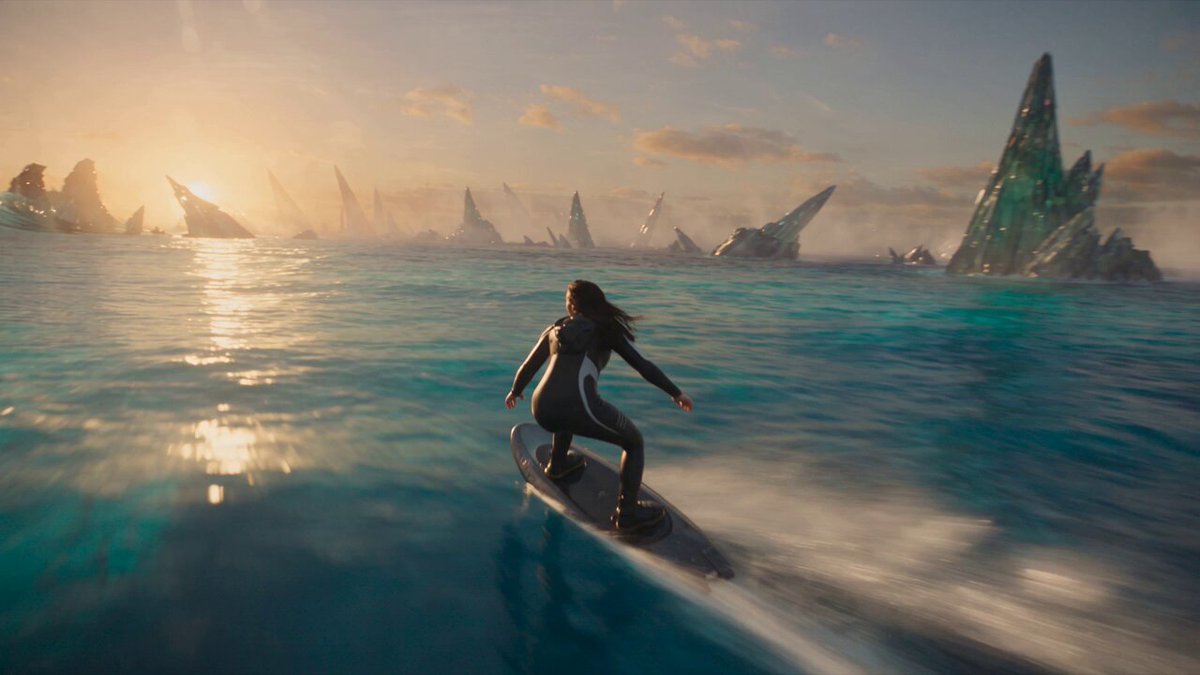
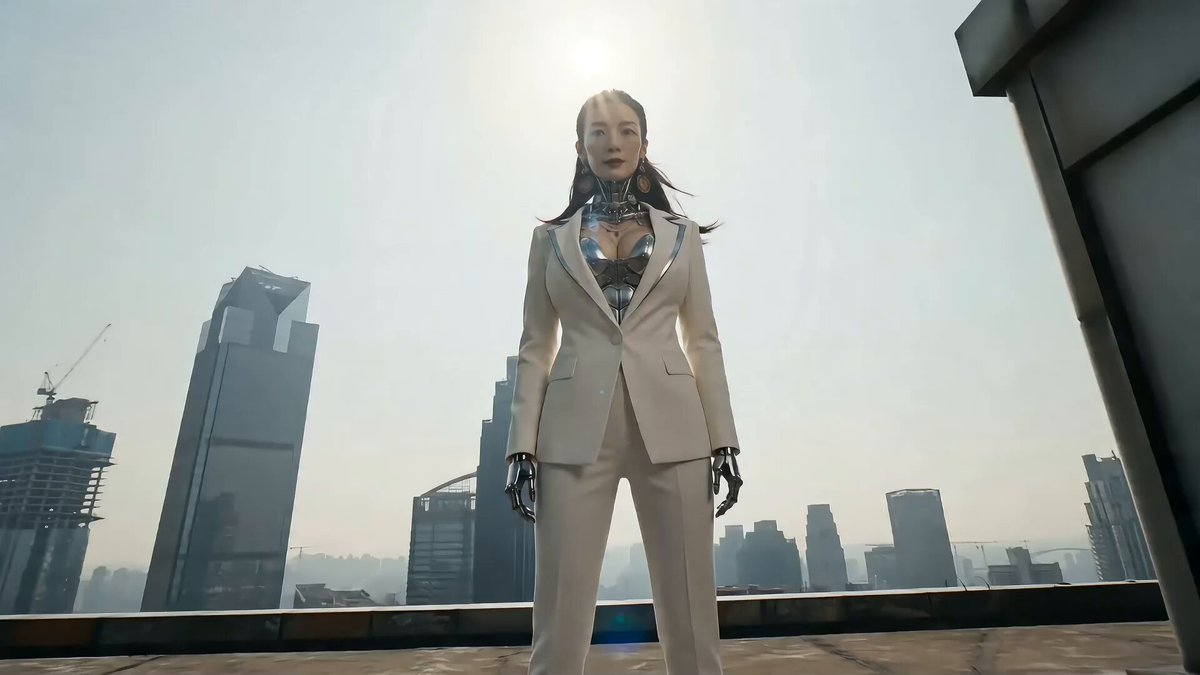
Video production used to begin with a camera, a location, and a schedule. Today it often begins with a prompt, a reference frame, and a decision about which model to call first. That is not a cosmetic change. When generation becomes the first step of the pipeline, every downstream craft has to adapt to a new kind of raw material: synthetic footage that is cheap to produce, uneven in quality, and endlessly re-rollable.
This playbook is for creators who already have access to modern text-to-video and image-to-video tools and now need a repeatable process instead of a folder full of experiments. It covers model selection, prompt design, continuity, automation, quality control, and the mistakes that quietly consume entire production weeks. The aim is not to hand creative judgment to a machine. The aim is to let the machine handle volume and iteration while you handle intent.
What Changes When Generation Becomes the First Step
Three old assumptions break at once.
First, footage stops being finite. In a traditional shoot, every additional angle costs money, so directors learn to be selective. With generative tools, the marginal cost of another variation is close to zero, and the discipline inverts: the hard part is knowing when to stop generating.
Second, re-shoots stop being expensive. If a performance feels flat, you can regenerate it - but regeneration also means the version you approved is no longer the only version. That creates a versioning problem most creators underestimate until they are staring at forty near-identical clips with names like 'final_v7_real.mp4'.
Third, post-production stops being a rescue mission. Editing still shapes rhythm and meaning, but no amount of editing fixes a clip where the hands have six fingers, the subject changes identity mid-shot, or the camera drifts through a wall. Quality has to be enforced at the point of generation.
The practical consequence is that your attention moves upstream. Instead of thinking about shooting, you think about specification: what exactly has to be true about this shot, and which tool setting is most likely to produce it. Teams that adapt fastest treat generation as sampling from a distribution, then curate aggressively.
The new bottleneck is judgment, not throughput
Anyone can produce hundreds of clips. Very few creators can look at fifty options and immediately identify the three worth keeping. That skill - fast, confident judgment about motion, framing, and continuity - is now the primary competitive advantage in a generative pipeline. Everything else is configuration.
Choosing the Right Model for Each Shot
Modern suites bundle many different generation engines, and they do not behave alike. Some prioritize photorealism. Some prioritize stylized motion. Some are excellent at short, controlled camera moves and terrible at complex human action. The first habit to build is refusing to use one model for everything.
Treat your available engines as a specialist bench: a cinematographer for realism, an animator for stylized sequences, a product photographer for tabletop shots, and a texture artist for close-up detail.
Text-to-video, image-to-video, and video-to-video
The three entry modes solve different problems.
Text-to-video is best for exploration. You have an idea and no visual reference, so you describe the scene and let the model propose a world. Use it to discover tone, blocking, and lighting direction - not to lock final shots.
Image-to-video is best for control. You supply a frame (a photo, a render, a hand-painted concept) and the model animates it. Because composition is already decided, this mode is far more reliable for product shots, character close-ups, and anything that must match an existing brand asset.
Video-to-video is best for transformation. You bring existing footage and restyle, re-time, or re-render it. This is the safest route when continuity matters most, because motion is inherited from real footage rather than invented.
A shot-to-approach decision table
| Shot type | Preferred approach | Why |
|---|---|---|
| Product hero, rotating | Image-to-video | Composition and label accuracy must be exact |
| Wide establishing landscape | Text-to-video | No reference needed; atmosphere matters more than detail |
| Dialogue close-up | Image-to-video with a locked reference | Identity stability across many takes |
| Stylized dream sequence | Text-to-video, then video-to-video restyle | Fast idea generation, then controlled finish |
| Existing interview footage | Video-to-video | Preserve performance and timing |
| Complex action beat | Shot-by-shot generation, then assemble | Long action sequences rarely survive a single pass |
Matching model temperament to shot intent
Before committing, run a three-clip test on any unfamiliar engine: one slow push-in on a face, one medium shot with hands visible, and one wide shot with background motion. Those three clips reveal most of what you need to know about motion stability, anatomy handling, and detail retention. Ten minutes of testing saves hours of regeneration.
Record your findings. A simple document listing which engine handles which shot type well becomes the most valuable asset in your studio, because it externalizes knowledge that would otherwise live in one person's memory.
Prompt Design That Survives Multiple Models
Most prompt advice is written for one specific engine. That is a problem the moment your project touches three of them. The more durable approach is to write prompts in layers, so the same description can be adapted to any engine with minimal rewriting.
Anatomy of a durable prompt
A layered prompt has six parts, in this order:
- Subject and action. Who or what, doing precisely what, in one clause. 'A ceramicist lifts a bowl from a wheel.'
- Shot specification. Framing and lens language. 'Medium close-up, 50mm equivalent, shallow depth of field.'
- Camera behavior. A single movement only. 'Slow dolly right.' Two movements at once confuses most engines and produces wobble.
- Lighting. Direction and quality. 'Soft window light from the left, warm ambient fill.'
- Environment. What surrounds the subject, with one or two texture cues rather than a novel.
- Tone and grade. 'Muted, documentary-like, slight grain.'
Keeping these layers separate makes iteration surgical. If the lighting is wrong, you change one line instead of rewriting the whole prompt and losing the parts that worked.
Negative constraints and failure recovery
Negative prompts are corrective, not decorative. Add them only after you see an actual defect. Common ones include 'no text overlays', 'no extra fingers', 'no jump cuts', 'no camera shake', and 'no plastic skin'. Unnecessary negatives narrow the model's options and often degrade the image - a classic over-correction trap.
When a shot fails repeatedly, do not keep adding adjectives. Instead, change one of four variables, in this order: the entry mode (text versus image versus video), the shot framing, the model, or the length of the clip. Most persistent failures come from asking a model to do something outside its comfortable range, not from a missing keyword.
Keeping Characters and Styles Consistent Across Scenes
Continuity is where generative workflows either look professional or instantly amateur. A viewer will forgive a slightly odd shadow; they will not forgive a protagonist whose face, jacket, or eye color changes between shots.
Reference-first pipelines
Build a reference kit before you generate anything narrative:
- A clean front-facing portrait and a three-quarter portrait, both evenly lit.
- A full-body reference against a neutral background.
- Two or three wardrobe details at close range: collar, cuff, shoe, accessory.
- A lighting reference for each scene, ideally a still you generated and approved.
- A color script: four to six swatches describing the grade across the story.
With a reference kit in place, every subsequent clip is anchored to something real rather than to a verbal description. This is the single biggest reliability upgrade available to a generative video workflow.
The continuity checklist
Run this list after every batch, before moving to the next scene:
- Identity. Same face structure, hairline, and skin tone?
- Wardrobe. Same garment details, same fastenings, same colors?
- Props. Does the object still exist, and is it in the correct hand?
- Spatial logic. Does the background match the previous shot's geography?
- Direction of light. Does the key light come from the same side?
- Screen direction. Does movement across frame stay consistent?
- Grade. Would the two clips cut together without a visible jump in tone?
Anchoring rules matter too. Characters often drift after many generations, so re-anchor at least once per scene using your reference images rather than chaining from the previous clip. Chained generation accumulates error the way photocopies accumulate noise.
Automating Direction Without Losing Authorship
Automation is genuinely useful, but only when it is asked to execute decisions you have already made. The moment it starts making aesthetic choices for you, output quality becomes unpredictable and your voice disappears.
Storyboards as executable specifications
A storyboard used to be a communication tool for humans. In a generative pipeline it becomes a specification the system can execute. Each panel should carry, at minimum: shot type, subject, action, camera move, duration, and continuity anchors. Adding a one-line intent note ('this shot exists to show hesitation') keeps the automation aligned with narrative purpose rather than surface aesthetics.
Once your board is that explicit, batch generation becomes straightforward, and you can queue an entire scene instead of babysitting single clips. The efficiency gain is large - but only if the board was honest about the amount of detail each panel needed.
Where automation should stop
Let automation handle repetition: batching, upscaling, subtitle generation, loudness normalization, file naming, proxy creation, and versioning. Keep humans on: selection of the best take, rhythm and pacing decisions, performance nuance, and anything that requires taste about meaning.
A useful test is reversibility. If an automated step is easy to undo and evaluate, automate it aggressively. If a mistake would be expensive to detect later - say, an automated assembly that buries your best take in position forty - keep it manual.
Multi-Pass Assembly: Blending Styles and Reducing Artifacts
Single-pass generation rarely produces a finished shot. A three-pass approach handles most situations:
Pass one, structure. Generate short clips focused purely on motion and composition. Do not worry about detail. You are confirming that the shot works at all.
Pass two, refinement. Take the best structural take and refine it - restyle it, increase resolution, or regenerate with a locked reference for detail. This is where skin texture, fabric weave, and edge quality get corrected.
Pass three, integration. Composite, stabilize, and blend. Where a clip must sit inside live-action footage, match grain, add subtle lens artifacts, and unify the grade. The goal is not perfection per frame; it is invisibility in motion.
Where you have several takes that each get one element right - one has better motion, another better color - combining them is often faster than chasing a perfect single generation. Treating each pass as a separate craft lets you fix problems without destabilizing what already works.
Quality Control: The Screening Room Mindset
The most expensive mistake in generative video is approving clips one at a time on a laptop screen. Context changes perception, and a shot that looks convincing in isolation can collapse inside a sequence.
Screen in context. Assemble a rough cut at low resolution, watch it start to finish without pausing, and write notes instead of fixing. Then do targeted repair passes. This rhythm mirrors how professional editorial rooms work, and it prevents the classic trap of polishing a shot that will be cut anyway.
Run four passes on every project:
- Technical pass. Resolution, frame rate consistency, audio sync, no black frames, no accidental watermarks.
- Continuity pass. Identity, wardrobe, props, light direction, screen direction, grade.
- Narrative pass. Does each shot earn its place? Does the sequence communicate without captioning?
- Delivery pass. Platform-specific aspect ratios, safe areas for subtitles, loudness targets, filenames, and export presets.
Keep a written defect log. Patterns emerge quickly - the same model failing on the same kind of shot, the same scene needing unnecessary regeneration. That log becomes your workflow's memory and saves days on the next project.
Workflows by Project Type
The 15-second commercial
Work backwards from the final frame. Lock the product imagery first with image-to-video so labels and shapes are accurate, then generate the human or environmental shots around it. Keep the shot count low: three to five setups. Music and sound design carry more weight than extra footage. Budget most of your generation effort on the hero product moment.
The music video
Let the track dictate structure. Generate to beats, not to page counts, and allow stylistic discontinuity - this is the one format where a change of visual world between verses reads as intentional. Build a small library of recurring motifs and return to them. Reuse and restyle existing material rather than generating everything fresh; it keeps visual coherence and cuts rendering time.
The explainer
Prioritize clarity over beauty. Generate simple, low-noise backgrounds and reserve detail for the elements the narration is discussing. Static or barely moving shots survive compression better and keep attention on the message. Produce visual variants that match each section of the script, then cut to narration rather than stretching generation to fill time.
The vertical episodic short
Consistency compounds here because the audience returns. Keep a locked reference kit for every recurring character, a fixed grade, and a recognizable title treatment built from your own graphic device rather than a generic preset. Generate in batches by scene, not by episode, so continuity anchors stay fresh.
Common Mistakes That Cost the Most Time
- Generating before specifying. Without a written shot intent, you cannot evaluate results, so you keep generating. Fix: one sentence of intent per shot, always.
- Using one engine for everything. Different shots need different strengths. Fix: keep a shot-to-engine reference document.
- Chaining every clip from the previous one. Errors accumulate. Fix: re-anchor from reference images each scene.
- Adding negatives preemptively. It narrows output and hurts image quality. Fix: only add a negative after observing a defect.
- Judging shots in isolation. Fix: watch sequences, not clips, before approving.
- Chasing perfect takes. Diminishing returns arrive fast. Fix: set a take limit - often eight to twelve - then change approach instead of re-rolling.
- Neglecting audio until the end. Sound hides flaws and ugly cuts; early sound design changes which visuals you need.
- No naming convention. Late-stage confusion burns hours. Fix: a simple structure like
project_scene_shot_take. - Skipping resolution discipline. Upscaling too early locks in artifacts. Fix: refine motion first, then raise resolution.
- Automating taste. Fix: automate the repetitive, hand-verify the meaningful.
FAQ
How many takes should I generate per shot?
For exploratory shots, eight to twelve options is a healthy range. For controlled image-to-video work with a locked reference, three to five is usually enough. If you pass twenty takes without a usable result, the problem is the approach, not the sampling.
Is text-to-video or image-to-video better for dialogue scenes?
Image-to-video wins almost every time. Dialogue depends on identity and micro-expression stability, and a locked reference frame gives the engine far less room to drift.
How do I stop characters changing between shots?
Build a reference kit, re-anchor at the start of each scene, and keep wardrobe and lighting documentation next to your prompts. Consistency is a documentation problem before it is a model problem.
Should I upscale before or after editing?
Refine motion and continuity at working resolution, edit the sequence, then upscale the locked cut. Upscaling early multiplies artifacts and slows every later revision.
What is the fastest way to learn a new engine?
Run the same three test shots on every new engine: a slow push-in on a face, a medium shot with hands, and a wide shot with background motion. Compare, note the results, move on.
Do I still need a storyboard?
Yes, but its purpose changes. It becomes an executable specification rather than a pitch document, which makes batching and automation practical.
How long should generated clips be?
Shorter than you think. Three to six seconds gives you room to trim, keeps motion stable, and reduces the chance of the model inventing unwanted action mid-clip.
What belongs in a defect log?
Engine, shot type, prompt summary, what went wrong, and what fixed it. After three projects the log will tell you which engines to trust for which shots - and which mistakes you keep repeating.
How do I keep a consistent look across a series?
Fix three things: a grade you can reproduce, a lighting philosophy, and a reference kit. Everything else can vary. Those three carry recognizability.
Where to Go From Here
The frontier is not a single tool; it is a set of habits. Specify before you generate. Anchor before you chain. Judge sequences, not clips. Automate repetition and protect taste. Those four practices will outperform any new engine release, because engines improve on a predictable curve while discipline compounds on its own.
Start small: one project, one scene, a full pass through specification, generation, continuity review, and delivery. Then write down what you learned. That written record - not the tool list - is the asset that makes your next project faster than this one.
