
Why Short-Form Video Became an AI Production Problem
Vertical video is where attention lives now. A clip can reach millions of viewers in a day, and a creator who publishes something competent every day will almost always beat someone who publishes something perfect once a month. That arithmetic is what pushed so many people toward AI generation in the first place — not laziness, but the simple fact that a good hook needs twenty attempts before one of them lands.
The trouble is that most AI video workflows are assembled backwards. People pick a tool first, then look for something to make with it. The result is a folder full of disconnected clips: a beautiful shot of a city at night, a talking-head avatar with the wrong lip sync, a character who changes hairstyle in every scene. Individually impressive, collectively unusable.
A production workflow inverts that order. You decide the format, the recurring visual identity, and the publishing cadence first. Only then do you choose which generation model handles which shot. Everything below follows that order: format, consistency, model selection, prompting, queue management, assembly, and measurement.
What Trending Short-Form Video Actually Requires
Trending is not a single property you can add at export. It is a bundle of smaller properties that platforms reward and viewers respond to.
The first is a hook inside the first two seconds. If nothing visually surprising happens before the viewer's thumb has decided, the rest of the clip does not exist. AI generation is genuinely good at this: you can generate twenty different opening frames and test them as thumbnails or as the first frame of a clip.
The second is a recognisable identity. Accounts that grow steadily tend to have recurring elements — the same character, the same colour grade, the same narration voice, the same editing rhythm. This is where AI video gets hard, because default generation is designed for novelty, not continuity.
The third is legibility on a small screen with no sound. Large captions, one idea per shot, strong silhouettes.
The fourth is production consistency. A format you can repeat for thirty days without burning out beats a format that produces one extraordinary clip and leaves you unable to reproduce it.
Write these four down before you generate anything. They become your acceptance criteria later, and they will save you from approving a shot that looks great in isolation but breaks the series.
The Three Pillars of a Repeatable AI Video Workflow
Character and visual consistency
Consistency is the difference between a series and a pile of clips. A character needs a stable face, stable proportions, stable clothing, and a stable palette. You achieve that by treating a small set of reference images as canon — avatar sheets, front, side, and three-quarter views, a signature outfit, a signature lighting setup. Everything generated afterwards must be traceable to those references.
Shot stability
Shot stability means the camera does not do something absurd halfway through a shot: no melting hands, no warping architecture, no horizon that tilts without reason. Longer shots compound risk, so keep individual generations short — three to six seconds — and stitch them into longer sequences in the edit. The audience never sees the seams if the cutting rhythm is deliberate.
Cinematic finish
Finish is lighting logic, lens behaviour, grain, and colour. It is cheap to add and expensive to fake. A slight film grain pass, a consistent lookup table, and a limiter on saturation will make AI-generated footage feel like it belongs to a single production instead of a demo reel. Sound design belongs in this pillar too: room tone, impacts, and transitions do more for perceived production value than any generation setting.
Choosing the Right Generation Model for Each Shot
Instead of asking which model is best, ask which model is best for this shot. Different engines specialise, and the fastest way to waste a week is to force one engine to do everything.
Cinematic and narrative models
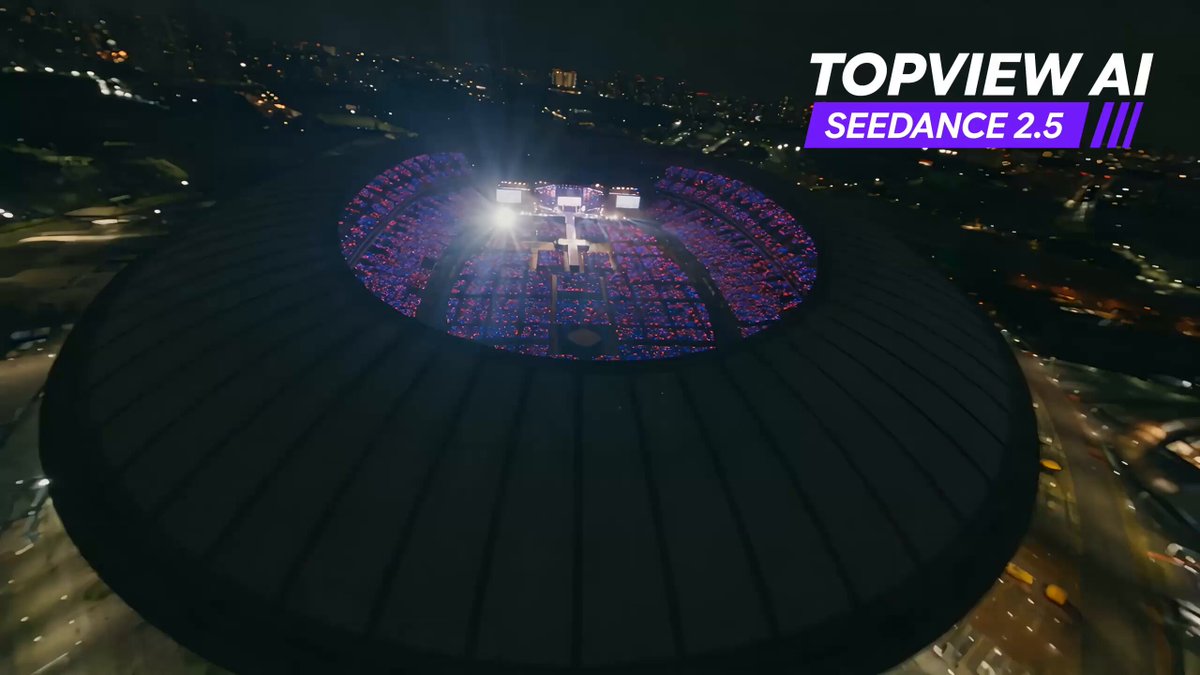
Some engines are tuned for dramatic lighting, camera movement, and physics-heavy scenes: crowds, water, vehicles, fire. They tend to be slower and more expensive per second, so reserve them for hero shots — the opening two seconds, a transformation moment, the payoff. Everything else can be generated elsewhere.
Dialogue and performance models
Other engines handle facial performance, lip sync, and subtle expression better. Those are the ones to use for talking-head content, mascot characters, and explanation clips where a person on screen needs to feel human. Test them with a five-second monologue before you commit an entire episode to one.
Motion-transfer and stylisation models
A third family takes a driving video and repaints it, or takes a reference image and animates it. This is the fastest route to a distinctive visual style and, crucially, to consistency, because the source performance already carries the structure. If your format is dance, sport, or gesture-driven, this family will outwork everything else.
Fast, low-cost draft models
Always keep one cheap, fast engine for drafts. Rough out every shot with it, approve the composition, then re-render only the approved shots on the expensive engine. This single habit often cuts total generation spend by more than half, and it forces you to judge composition separately from detail.
Practical decision criteria: shot length, whether faces are visible, whether physics matters, whether the shot will reappear across episodes, and how many retries you can afford. Score each shot on those five and the model choice usually makes itself.
Multi-Image Fusion: The Technique Behind Real Consistency
The most useful technical idea in modern AI video work is multi-image fusion — feeding several reference images into a single generation so the model has more than one anchor instead of guessing from text alone.
A typical setup for a recurring character:
- A neutral front-facing portrait for facial structure.
- A three-quarter view for depth.
- A full-body shot for proportion and outfit.
- A background or environment plate for lighting continuity.
- A style reference — a film still, a painter, a colour palette.
The prompt then describes only the action and the camera, because identity and look are already handled by the references. This division of labour is the key insight: references carry identity, text carries action. When you blur that line and try to describe a face in words, you get a new face every time.
When fusion fails, it is usually because the references contradict each other. A bright outdoor portrait combined with a dim studio plate will produce a face lit by neither. Curate references the way you would curate a style guide — four to six images that agree on lighting direction, colour temperature, and styling. Fewer, better references beat a folder of maybes.
Prompting Like a Director, Not a Search Engine
A prompt is not a search query. It is a shot description written for a crew member who has never met you and cannot ask follow-up questions.
Useful prompt structure:
- Subject and action in plain language.
- Shot size: extreme close-up, medium, wide.
- Camera behaviour: static, slow push in, handheld follow, crane down.
- Lighting: soft key from the left, neon rim, overcast daylight.
- Environment and time of day.
- Mood or genre reference: documentary, 1990s commercial, animated short.
- Negative constraints: no text on screen, no extra limbs, no camera shake.
Two rules save the most time. First, one camera move per shot — models can handle a push or a pan, rarely both convincingly at once. Second, when a shot fails repeatedly, change the shot, not the words. Rewriting a prompt eight times is a sign the composition is beyond the model, so simplify the frame, remove a character, or shorten the duration and generate again.
Also build a prompt library. When a shot works, save the prompt, the seed, the references, and the settings. Future episodes become variations instead of experiments, and the library becomes the most valuable asset in your workflow — more valuable than any single subscription.
Building a Render Queue That Does Not Collapse
Generation is asynchronous. You submit a job, wait, review, retry, and submit again. With a dozen shots per episode and multiple candidates per shot, you are running a small render farm across several providers — and the bottleneck stops being compute and becomes bookkeeping.
What a queue needs to do:
- Store every job with its prompt, references, model, duration, and status.
- Group jobs by project and by shot, so retries stay linked to the shot they belong to.
- Support batching, so you can submit twenty variations of the same shot at once.
- Track cost or allowance per project, so a single hero shot does not quietly consume the whole episode budget.
- Keep an audit trail of which take made the final cut.
Practical habits: name files with a shot number before you upload them, never overwrite a failed take, and review in batches rather than refreshing one job at a time. Roughly speaking, a finished sixty-second clip needs twenty to forty generations. Plan the queue around that ratio, not around your hope.
Priority ordering also matters. Submit the shots with the highest uncertainty first — the ones with faces, hands, or fast motion — because those will need the most retries. Background plates and simple inserts can be generated last and rarely fail, so they should never be blocking your critical path.
A Complete Workflow: From Idea to Published Clip
Step 1 — Pre-production
Choose the format: thirty to sixty seconds, one idea, one twist. Write a shot list of eight to twelve shots. Define the character sheet and the colour palette. Decide which shots are hero shots and which are connective tissue, then allocate your generation effort accordingly.
Step 2 — Storyboard stills
Generate still images for every shot first. Stills are cheap and fast, and they let you approve composition before spending on motion. Export a contact sheet and mark what works, what needs a new angle, and what should be cut entirely.
Step 3 — Draft motion
Animate approved stills with a fast engine. Keep each clip short. Assemble a rough cut immediately, with music or a scratch voiceover, so you feel the rhythm while it is still cheap to change. Most pacing problems are visible here and invisible on paper.
Step 4 — Re-render the keepers
Identify the shots that carry the episode. Re-generate only those on the cinematic engine, using the same references and seeds where possible. Everything else stays as a draft, because viewers will not notice the difference in a two-second cut.
Step 5 — Assembly and finish
Cut on the beat. Add captions in a large, high-contrast typeface. Apply a consistent grade, a light grain pass, and a subtle sound design layer. Watch the whole thing once with the sound off to confirm it still reads, then once with sound to confirm the emotional arc lands.
Step 6 — Publish and iterate
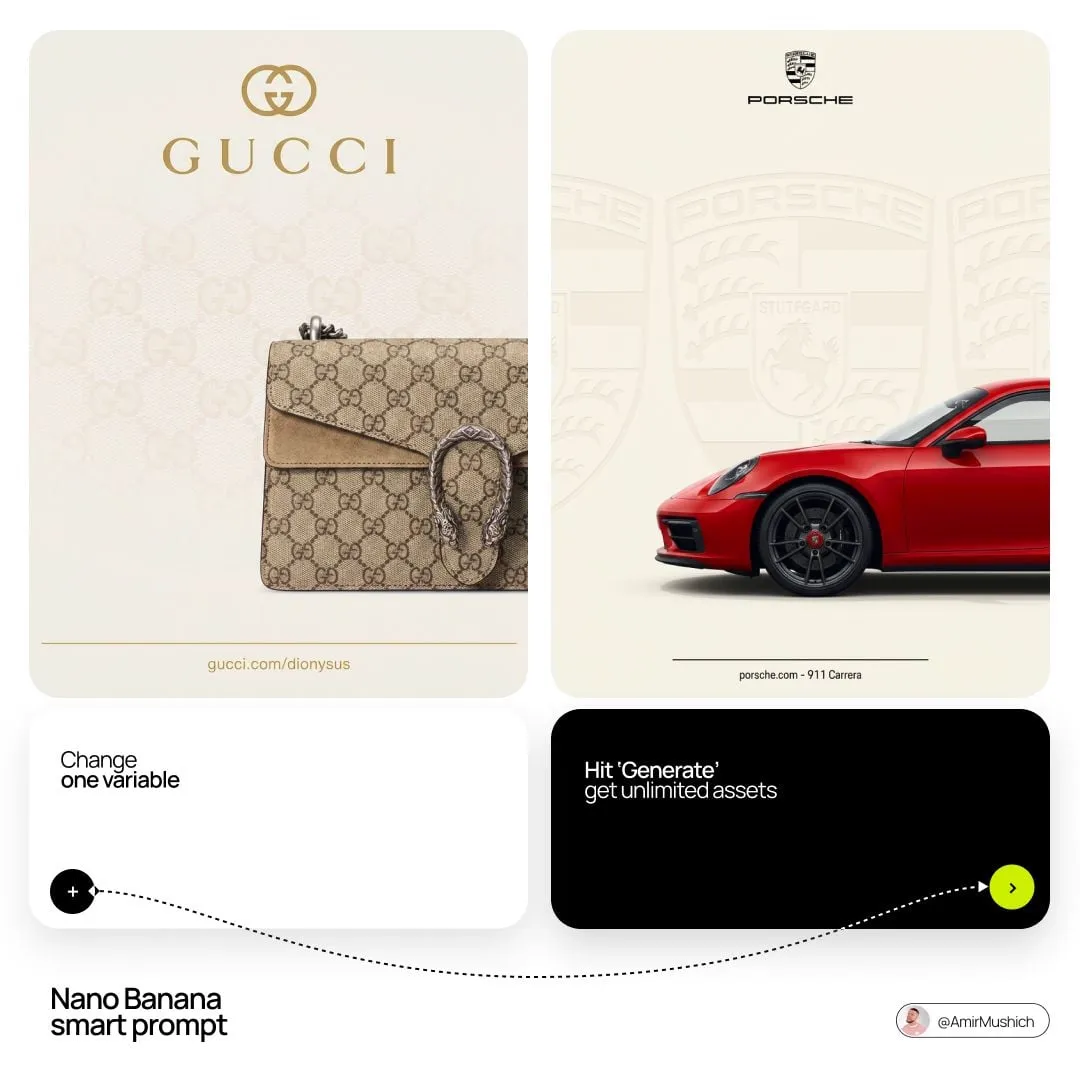
Export in the platform's preferred aspect ratio and bitrate. Publish, then log the results against the shot list: which hook, which pacing, which character beat held attention. The next episode should change one variable, not all of them, or you learn nothing from either.
Common Mistakes That Kill Otherwise Good AI Videos
Chasing the model instead of the format. Every week brings a new engine. The creators who grow are the ones with a repeatable format who swap engines inside it.
Long shots. A ten-second generation has more chances to deform. Cut faster, generate shorter, and hide the seams in the edit.
Too many ideas per clip. One hook, one payoff. A second idea belongs in a second clip.
Ignoring audio. Muted autoplay means captions and sound design are not optional extras. They are the difference between watchable and skipped.
Skipping reference curation. Ten mediocre reference images produce a worse character than four consistent ones.
No naming convention. If your files are called final_v3_actual.mp4, you cannot rebuild a series, and you cannot hand the project to anyone else.
Publishing the first acceptable take. Trending content is usually the twentieth attempt at a format that already works, not the first attempt at a new one.
How to Know the Workflow Is Working
Track leading indicators, not just views. Time from idea to publish. Number of generations per finished minute. Retry rate per shot type. The share of shots that survive from draft to final cut. If retry rate is climbing, your prompts or your references are drifting. If time to publish is climbing without a rise in quality, your queue is the problem, not your creativity.
Then track the outcome: three-second retention, completion rate, shares per thousand views, and follows per thousand views. Compare these only between episodes of the same format. A format change resets the baseline, and comparing across formats produces confident nonsense. Keep a simple spreadsheet with one row per episode and you will spot the pattern within two weeks.
FAQ
Do I need multiple AI video tools?
Not to start. One general engine plus one cheap draft engine covers most formats. Add specialised engines only when a specific shot type keeps failing, and remove the old one when you do.
How do I keep a character consistent across many clips?
Curate four to six agreeing reference images, use multi-image fusion where available, keep lighting and palette fixed, and store seeds with your prompt library. Consistency is a system, not a setting.
How long should each generated clip be?
Three to six seconds for anything with faces or motion. Longer shots are possible for landscapes and slow camera moves, where deformation is far less visible to the viewer.
Is AI video good enough for client work?
For short-form social, product loops, and stylised narrative, yes — provided you can reproduce the result and have a clear process for revisions. Document your settings from day one, because clients will ask for a change six weeks later.
How many attempts should I budget per shot?
Plan for two to four generations per shot on average, with heavy outliers on hands, fast motion, and complex interaction. Build the budget around the outliers, not the average.
What matters more, the model or the edit?
The edit, by a wide margin. A mediocre generation cut tightly with good captions and sound outperforms a beautiful generation cut badly, almost every time.
Should I post the same clip everywhere?
Reformat rather than repost. Reframe, re-caption, and adjust the hook per platform; a clip that opens correctly on one feed does not always open correctly on another, and the first two seconds decide everything.
Where to Take This Next
Pick one format and run it for thirty days. Build the character sheet once, keep the reference images stable, and let the prompt library grow instead of rebuilding from scratch each time. Treat generation as a pipeline stage rather than a magic trick, and the output stops being unpredictable.
The creators who win with AI video are rarely the ones with the newest engine. They are the ones whose twentieth episode is recognisably part of the same body of work as their first — and who can still explain exactly how they made it.
