
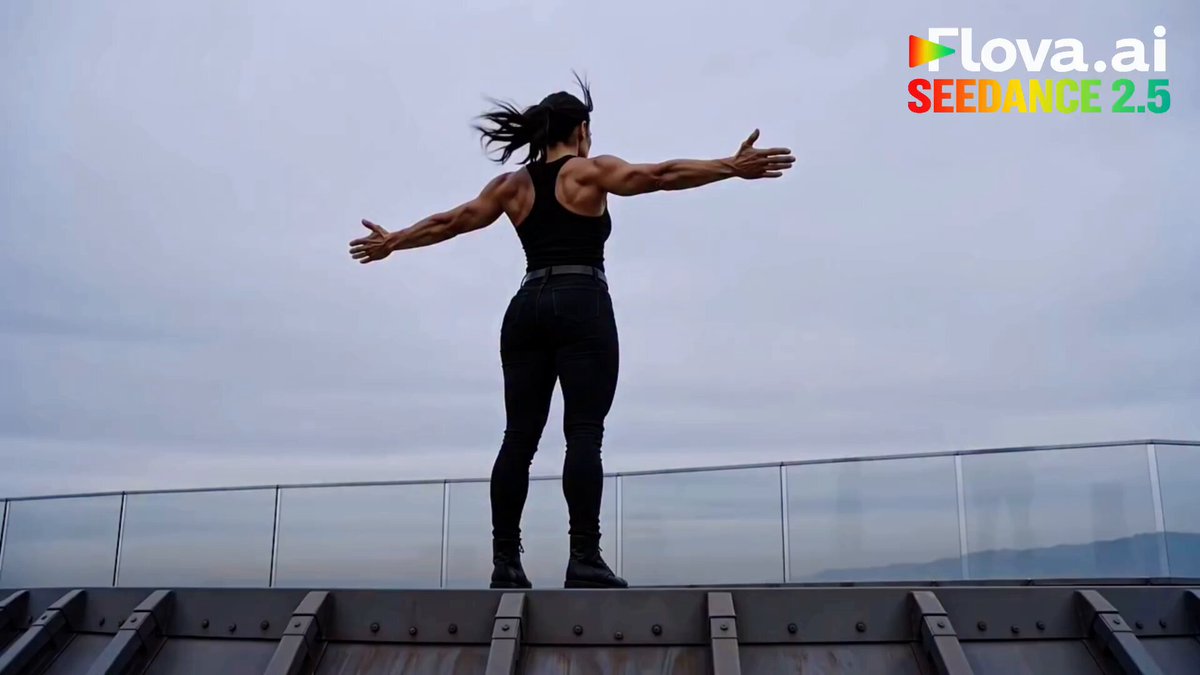
Why AI Video Rewrote the Short-Form Playbook
Five years ago, producing a polished short video meant a camera, a lighting setup, an actor, a location, and an editor. Today the same output can come from a browser tab, a shot list, and a clear understanding of how generative models behave. That shift is not just about speed. It changes what kinds of stories are economically viable to tell. A creator can now test twenty visual concepts in a weekend, discard eighteen, and publish the two that actually hold attention.
The catch is that generative video is not a slot machine. The creators who consistently produce watchable, shareable clips treat it as a production pipeline with defined stages: ideation, scripting, shot design, reference creation, generation, selection, editing, sound design, and distribution. Tools are only one layer of that pipeline. The rest is craft, repetition, and a willingness to throw away output that does not serve the hook.
This guide is a neutral, tool-agnostic walkthrough of that pipeline. It covers how to choose between different families of video models, how to write prompts that survive multiple generations, how to keep characters and locations consistent across shots, and how to measure whether any of it worked.
Start With the Hook, Not the Model
The most common failure mode in AI video production is starting with a tool. Someone discovers an impressive model, generates something visually striking, then tries to build a story around it. The result usually looks expensive and performs poorly, because attention on short-form feeds is not won by render quality. It is won by the first two seconds.
The three-second contract
Every short-form platform makes an implicit deal with the viewer: give me three seconds and I will give you something worth staying for. If the opening frame is generic — a slow drone shot, a logo, a talking head clearing their throat — the viewer leaves before the interesting part arrives. When you write your shot list, the first shot should be the single most unusual or curiosity-generating image in the entire concept. Generative models are extremely good at producing strange, specific, hyper-detailed imagery. Use that strength in the opening frame, not in the middle.
Hooks that work without sound
A large share of viewers scroll with audio off. That means your hook must function visually: an unexpected object, a violation of physics, a face mid-reaction, a text overlay that raises a question. Design the first frame as a still image first. If the still does not stop a scroll, no amount of motion will save it. This is also a practical workflow tip — generating a still frame is faster and cheaper than generating video, so validate the hook as an image before committing to motion.
Write three candidate hooks per concept and generate all three as stills. Then pick one. This small habit prevents the sunk-cost trap of defending a weak opening because you already animated it.
Pick the Right Model for Each Shot Type
There is no single best video model. There are families of models, each with a different bias toward motion, realism, stylization, or temporal stability. Matching shot type to model family is the highest-leverage decision in the whole pipeline.
Cinematic establishing shots
For wide landscapes, architectural reveals, and atmospheric establishing frames, prioritize models with strong photorealism and controlled camera language. Look for tools that respond well to camera directives — slow push-in, lateral dolly, handheld drift — and that render materials like glass, water, and fabric convincingly. These shots are usually short, so temporal stability matters less than a single beautiful moment.
Character-driven shots
When a person is the subject, the priority flips. Facial identity stability across frames becomes the deciding factor. Some models handle a single expressive moment beautifully but drift in the face after two seconds. Others are less cinematic but hold a likeness reliably. For narrative shorts, favor stability and fix the drama in the edit rather than chasing photoreal perfection per frame.
Dialogue and lip-sync
Talking-head content needs a different toolchain entirely: a strong portrait source image, a clean audio track, and a lip-sync model that respects phoneme timing. Record or synthesize the audio first, then drive the visuals. Doing it the other way around — generating a face and trying to fit audio to it — produces the uncanny mismatch that viewers detect instantly even if they cannot name it.
A useful rule: generate the shot that is hardest to fake first. If your concept depends on a believable human face, test that before you spend time on environments.
A Prompt Structure You Can Reuse
Prompt quality is the difference between a model that feels magical and a model that feels random. The goal is not longer prompts. It is structured prompts that specify the variables the model actually responds to.
The five-slot recipe
Build every video prompt from five slots:
- Subject: who or what, with two specific physical details.
- Action: one clear verb phrase, present tense, no compound actions.
- Camera: framing plus movement, for example "medium close-up, slow handheld drift left."
- Light: source, direction, and quality — "late afternoon sun through blinds, hard shadows."
- Texture or mood: film grain, lens character, color palette, weather.
Compound actions are the most common mistake. "A woman walks into a cafe, orders coffee, and sits down" gives the model three competing priorities and produces three blurry compromises. Split it into three shots.
Negative guidance
Most modern video tools accept some form of negative description. Keep it short and concrete: distorted hands, morphing faces, text artifacts, sudden jump cuts, warped geometry. Long lists of negatives confuse the model and flatten the image. Three to six specific exclusions is usually the sweet spot.
Common prompt failures
Watch for these patterns:
- Abstract emotion words. "Melancholic" does little; "overcast sky, wet pavement, muted teal palette" does a lot.
- Conflicting camera moves. Pick one movement per shot.
- Reusing the same prompt for different models. Each model family has its own prompt dialect. Keep a per-model prompt library and note what worked.
- Overloading detail. Past a certain density, additional adjectives reduce fidelity rather than increase it.
Keep a running log of prompts that produced usable output, tagged by model and shot type. Over a few weeks this becomes the most valuable asset in your production stack.
Consistency Is the Real Production Bottleneck
Anyone can generate one good clip. The difficulty begins when a story needs eight clips that look like they belong to the same film.
Reference frames and character sheets
Before generating motion, produce a character sheet: three to five approved stills of the same person from different angles and in different lighting conditions. Then use image-to-video rather than text-to-video for any shot featuring that character. The reference image anchors identity far more effectively than a paragraph of description ever will.
Do the same for locations. A single approved wide shot of a room gives every subsequent shot in that room a visual anchor.
Continuity across shots
Continuity is mostly bookkeeping. Maintain a simple shot bible with columns for shot number, location, time of day, wardrobe, and camera side. When generating, reuse the exact lighting and palette language from the approved reference for that scene. Small inconsistencies — a jacket that changes color, shadows that flip direction — read to viewers as amateurish even when they cannot articulate why.
Accept that some drift is inevitable. Where it cannot be fixed, hide it: cut on motion, insert a close-up of a hand or object, or use a transition with intentional texture. Editing is where continuity problems go to die.
The End-to-End Workflow, Step by Step
Step 1: Script and shot list
Write the script as a shot list from the beginning. Every line should describe something visible. Aim for shots between two and four seconds for fast-paced content, longer for atmospheric pieces. Ten to fifteen shots is a comfortable length for a thirty-to-sixty second short.
Step 2: Generate keyframes first
Generate a still image for every shot before animating anything. Review them as a contact sheet. If the sequence does not read as a story when you look at the stills in order, no amount of motion will fix it. This stage catches roughly eighty percent of structural problems at a fraction of the cost.
Step 3: Batch generation and selection
Once the keyframes are approved, animate them in batches. Generate three to five variations per shot rather than one, then select. Expect roughly one in three generations to be usable and one in ten to be genuinely good. Budget your time accordingly and do not emotionally invest in any single output.
Step 4: Edit, sound, and captions
Assemble on a timeline with a consistent frame rate matching your target platform. Add sound design early — footsteps, room tone, a rising bed of music — because audio changes perceived pacing dramatically. Burn in captions for anything spoken; most viewers watch muted at least part of the time. Keep caption type large, high contrast, and positioned away from platform UI overlays.
Step 5: Publish, measure, iterate
Publish one clear concept per video. Do not stack three ideas into one clip hoping one lands. Then measure retention at three seconds, average watch time, and completion rate. If retention holds and completion drops, the payoff is too late. If retention drops immediately, the hook is the problem.
The Tool Landscape at a Glance
Rather than a ranking, think in categories. Each category solves a different problem, and most serious creators keep two or three options available.
| Category | Primary strength | Best used for | Trade-off |
|---|---|---|---|
| Photoreal text-to-video | Image fidelity, camera control | Establishing shots, product visuals | Shorter effective clip length |
| Stylized text-to-video | Motion energy, artistic coherence | Animation, surreal sequences | Less believable faces |
| Image-to-video | Identity and scene anchoring | Character shots, continuity | Depends on reference quality |
| Lip-sync and avatar tools | Precise mouth timing | Talking heads, explainers | Limited camera freedom |
| Upscaling and interpolation | Resolution, smooth motion | Finishing, platform delivery | Cannot repair a bad generation |
| Editing suites with AI features | Assembly, captions, cleanup | Post-production | Not a generation tool |
For most creators, image-to-video combined with one strong photoreal text-to-video model covers the majority of shots. Add a lip-sync tool if your format includes dialogue, and an upscaler for final delivery.
Scaling Production Without Losing Quality
When you move from occasional clips to a publishing schedule, throughput becomes a systems problem. Generation is slow, so queue work rather than waiting on it. A practical approach is to keep a running backlog: while one batch renders, you are writing the next script, approving keyframes, or editing the previous episode.
Standardize what should be standard. Lock a caption style, a title card, an intro rhythm, a color grade, and an audio mix template. Standardization is not creative laziness — it is what allows you to spend your creative energy on the hook and the concept instead of reinventing your export settings every week.
Templatize your prompts too. A prompt template for "character medium shot in interior, daytime" lets you swap in variables without rewriting structure from scratch. Document what each model does well, and build a small internal wiki of approved prompts, reference images, and rejected approaches. Teams that keep this record ship faster than teams that rely on memory.
Mistakes That Quietly Kill Reach
- Chasing a trend after it peaks. Trend-driven content works best in the first window of a trend. If you need a week to produce it, choose a different idea.
- Prioritizing render quality over concept. Viewers forgive soft resolution. They do not forgive boredom.
- Mismatched audio and visuals. Slightly wrong footstep timing is more noticeable than slightly wrong lighting.
- Platform-hostile formats. Vertical framing, safe zones for UI overlays, and caption placement matter more than you think.
- Publishing inconsistently. Algorithms and audiences both reward rhythm. Three videos a week for a month beats twelve videos in one weekend.
- Never reusing what worked. Your best-performing hook is a template. Make a sequel to your own success before chasing someone else's.
Measuring What Matters
Track a small set of numbers. Retention at the three-second mark tells you whether the hook works. Average watch time tells you whether pacing holds. Completion rate tells you whether the payoff is worth the wait. Shares and saves tell you whether the content has durable value beyond one scroll.
Compare videos within the same format rather than across formats. A talking head and a cinematic sequence will never have comparable retention curves, so benchmarking them against each other produces false conclusions. Instead, iterate on one format until you beat your own previous best, then move on to a new format.
FAQ
How long should an AI-generated short be?
For most feeds, twenty to sixty seconds. Long enough to deliver a payoff, short enough that individual shot generation costs stay manageable.
Do I need multiple video models?
Two or three is the practical sweet spot: one photoreal generator, one image-to-video tool for consistency, and optionally a lip-sync tool. More than that fragments your prompt knowledge.
How do I stop characters from changing between shots?
Generate a character sheet of approved stills, then use image-to-video for every shot featuring that character. Reuse identical lighting and wardrobe language in each prompt.
What is the biggest time sink?
Selection and iteration. Generating is fast; reviewing, comparing, and choosing is where production hours disappear. Build a review habit that lets you reject quickly and move on.
Can AI video content rank and get recommended?
Platforms rank on watch behavior, not production method. If retention and completion are strong, distribution follows. The origin of the pixels is irrelevant to the algorithm.
Should I write my own scripts or use AI writing tools?
Use AI for structure and variations, but write the hook yourself. The hook is where voice and specificity matter most and where generic phrasing is most punished.
How often should I change my visual style?
Keep a recognizable core — caption style, color grade, pacing — and vary the subject matter. Style consistency builds return viewers; subject variety keeps the feed interested.
What do I do when a generation looks almost right?
Regenerate the same prompt once or twice with minor variations rather than rewriting entirely. Small changes in seed and phrasing often fix near-misses, while major rewrites throw away the parts that were working.
The through-line in all of this is simple: treat generative video as a production discipline rather than a novelty. Build the shot list, validate the keyframes, anchor your characters, batch your generations, edit with intent, and measure honestly. The tools will keep changing. The pipeline and the craft are what compound.
