
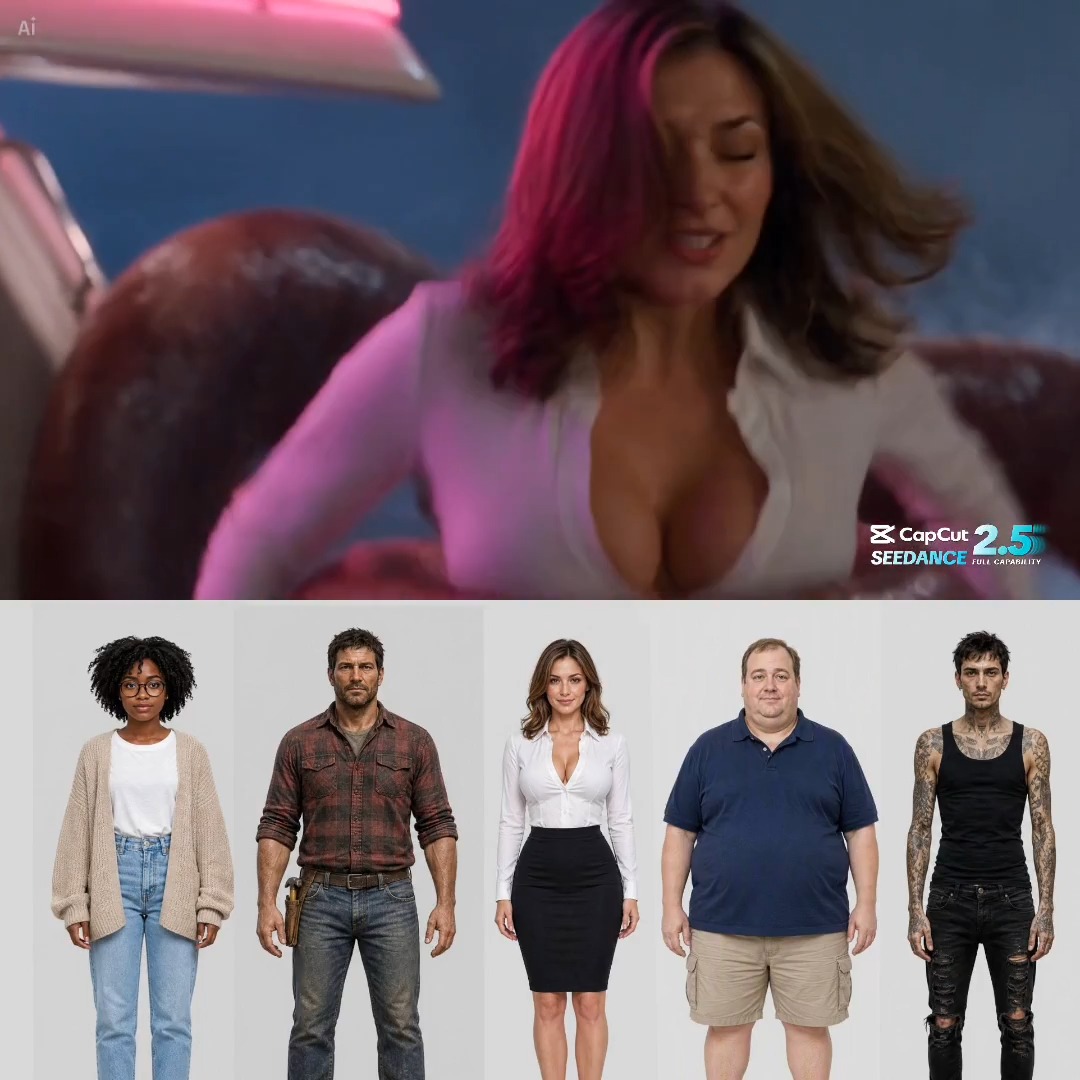
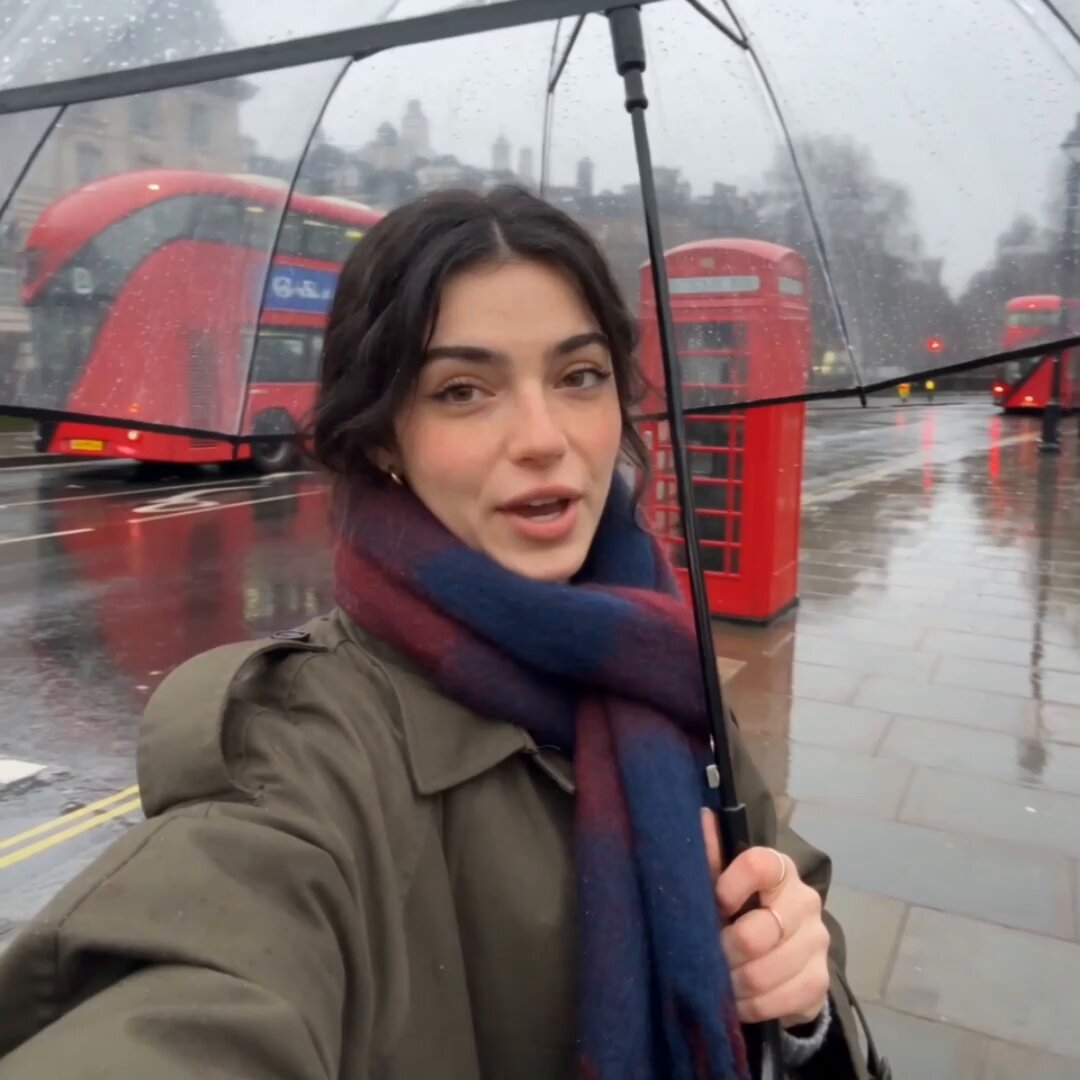
AI video generation has moved past the demo stage. What used to be a party trick — a five-second clip of a cat surfing — is now a real production lane for explainer channels, documentary-style storytelling, faceless niches, and full narrative shorts. The tools are fast enough, cheap enough, and consistent enough that a single creator can ship a polished episode in an afternoon.
But speed creates a new problem. When anyone can generate footage, the differentiator stops being access to the tool and becomes everything around the tool: story structure, direction, editorial judgment, sound, and the discipline to publish something that feels like it was made on purpose. This guide walks through a complete AI video workflow built for platforms that reward originality — with concrete steps, decision criteria, and the mistakes that quietly sink otherwise competent channels.
Why AI-Generated Video Became a Normal Production Path
Three shifts happened at roughly the same time, and together they changed what a small team can produce.
First, generation quality crossed a usability threshold. Faces stay consistent across shots, hands mostly behave, and camera movement reads as intentional rather than glitchy. That means you can cut generated clips into a sequence without the audience being pulled out of the story every four seconds.
Second, iteration cost collapsed. A reshoot used to mean scheduling, gear, location, and talent. Now it means rewriting a prompt and regenerating. This changes creative risk tolerance dramatically: you can try a bold visual idea, discover it does not work, and move on in ten minutes.
Third, editing became the bottleneck instead of filming. The scarce skill is no longer operating a camera — it is knowing which 40 of the 120 generated seconds actually belong in the cut.
That last point matters for anyone hoping to build a channel. Platforms do not evaluate your tools. They evaluate your output: is this a coherent, valuable, non-duplicative piece of media that a real person would choose to watch? Everything below is in service of answering that question with a yes.
The Rules That Decide Whether AI Video Gets Promoted
Monetization programs and recommendation systems overlap heavily, and both are trying to solve the same problem: separating genuine creative work from mass-produced filler. Two categories of content get filtered out most often.
Repetitious content is templated and formulaic. Same intro, same structure, same visual rhythm, dozens of uploads that differ only in the nouns. It does not matter whether it was made by a person or a model — it gets suppressed because it is low-value to viewers.
Reused content is material republished or lightly rearranged from elsewhere without meaningful added value. Compilations, reaction-adjacent edits, and re-uploaded footage all fall here unless you add substantial commentary, structure, or transformation.
Both policies come down to one practical test: is there evidence of significant human input? For AI-assisted production, that evidence lives in your decisions, not your disclosure line. A generated clip is a raw material. The question is what you did with it.
Practical signals that a video contains real human direction:
- A specific point of view or argument, not just a topic
- Custom narration or scripted voiceover written for this episode
- Deliberate pacing, with cuts that respond to the content rather than a fixed interval
- Original music, sound design, or audio treatment
- Visual continuity between shots: wardrobe, palette, lighting direction, geography
- Value added beyond the raw footage: analysis, context, humor, or narrative
If you can point to five of those six in a single upload, you are in good shape regardless of how the pixels were produced.
Step 1: Define the Format Before You Generate a Single Clip
The single biggest predictor of long-term AI channel failure is generating first and thinking about format second. You end up with beautiful clips that do not belong to anything.
Choose a niche that survives volume
A good niche for AI production has three properties: it is visual, it is repeatable, and it has an audience that does not require your face. Strong candidates include historical reconstructions, science explainers with abstract visualization, mythology retellings, speculative product concepts, language and travel vignettes, and creepy short-form storytelling.
Weak candidates are ones where viewers overwhelmingly expect authenticity — vlogs, reviews of physical products, day-in-the-life content. Generated footage in those formats reads as a lie rather than a style.
Write a repeatable episode blueprint
The blueprint is your show format in one page. It should answer:
- What is the cold open? A question, a striking image, a contradiction.
- How long is the body, and how many beats does it contain? Three beats is usually the floor for a satisfying short, five to seven for a longer episode.
- What is the recurring visual signature? A color grade, a transition style, a framing habit.
- What is the closing move? A callback, a resolution, or an open loop that sets up the next episode.
Once the blueprint exists, production becomes assembly rather than invention, and consistency improves automatically — which is exactly what the recommendation system rewards.
Step 2: Build Story Architecture That AI Cannot Invent
A generator will happily produce a shot of a lighthouse in a storm. It will not decide that the lighthouse should appear three times as a metaphor. That is your job.
Beat sheets and emotional pacing
Write a beat sheet before writing any prompts. A workable structure for a five-minute video:
- Hook (0:00–0:20): the most visually arresting thing you have, plus one sentence that creates tension.
- Setup (0:20–1:00): who or what this is about, and what is at stake.
- Complication (1:00–2:30): the obstacle, the surprise, or the counterargument.
- Escalation (2:30–4:00): two or three beats that raise cost or intensity.
- Resolution (4:00–4:40): the payoff that answers the hook.
- Button (4:40–5:00): one clean closing image or line; resist the urge to add a new idea.
Map each beat to one or two shots. That map becomes your shot list, and your shot list becomes your prompt queue.
Scene continuity and shot lists
Continuity is where AI video most often falls apart, and it is also where your editorial value is most visible. Track these in a simple spreadsheet:
- Character anchors: a written description of age, build, wardrobe, and hair that you paste into every prompt for that character.
- Location anchors: time of day, weather, architectural style, dominant materials.
- Look anchors: lens feel, aspect ratio, color temperature, grain.
- Screen direction: if a character moves left to right in shot one, they should keep moving that way until a deliberate reversal.
Build a reusable reference block for each project and paste it verbatim. Consistency is boring to write and thrilling to watch.
Step 3: Prompt Like a Director, Not a Search Engine
Vague prompts produce generic footage. You are not describing a thing; you are describing a shot in a film.
Elements of a production-grade prompt
A strong prompt usually contains most of these:
- Subject and action: who does what, in verb form, with a clear start and end state.
- Shot type: wide establishing, medium, close-up, over-the-shoulder, macro.
- Camera behavior: static, slow push in, handheld drift, crane up, dolly along.
- Lens and depth: shallow depth of field, wide-angle distortion, telephoto compression.
- Lighting: motivated source, time of day, contrast ratio, practical lights.
- Environment and atmosphere: weather, particles, haze, reflections.
- Color and mood: cool desaturated, warm amber, high-key, noir contrast.
- Duration and rhythm: single continuous motion, no cuts, slow reveal.
Negative instructions and artifact control
Equally important is telling the model what to avoid: text overlays, watermarks, distorted hands, extra limbs, jittery motion, sudden zooms, morphing faces, inconsistent wardrobe. Keep a persistent negative list and append it to every prompt in the project.
Generate more than you need. For a final five-minute episode, expect to generate two to three times the runtime in raw clips. Then trim aggressively. A clip that is 80 percent beautiful and 20 percent unstable becomes five seconds of usable footage — and five seconds is often all you need.
Step 4: Edit for Originality — The Human Layer
This is the stage where AI-assisted content either earns its place or reveals itself as filler. A generated clip is inert; the edit is where authorship happens.
The six-pass edit
- Assembly: lay every usable clip on the timeline in script order. Do not trim yet.
- Structure: cut for argument and story. Delete any shot that does not advance the beat.
- Rhythm: tighten each shot to its last useful frame. Vary shot length deliberately — long, long, short, short, long.
- Sound: add narration, ambience, music, and transition effects. Audio is what makes generated footage feel filmed.
- Grade: apply a single consistent look across every clip. Unify black levels and saturation.
- Detail: on-screen text, subtle motion, title cards, end screens.
The sound pass deserves special attention. Adding room tone, footsteps, cloth movement, or wind under an otherwise silent generated shot increases perceived realism more than any visual upgrade.
Narration, voice, and the value question
If you use a synthetic voice, script it for the ear: short sentences, concrete nouns, no throat-clearing. If you use your own voice, even better — it is unfalsifiable evidence of human authorship and it is a competitive advantage in a sea of uniform narration.
Ask one question after every export: does this video tell a viewer something they could not get by watching the raw generated clips? If the answer is no, the edit is not finished.
Step 5: Disclosure, Trust, and Long-Term Channel Health
Disclosure is not a threat to your channel; it is a trust signal. When synthetic or altered elements are realistic, labeling them is standard practice across major platforms and increasingly required. Handle it cleanly:
- Use the platform's built-in synthetic media flag when your content qualifies.
- Add a short, calm line in the description: what tools were used and what the human contribution was.
- Never use a real person's likeness or voice without permission, and avoid implying endorsement.
- Keep your on-camera or voice presence consistent; audiences forgive generated visuals far more readily than they forgive inconsistency.
A practical framing for the description field: one sentence on process, one on sources, one on what the viewer will get. That is enough. Over-explaining reads as defensive.
Step 6: Pre-Publish Quality Control Checklist
Run this list before every upload. It takes four minutes and prevents most avoidable problems.
- Does the first three seconds contain the most interesting image in the video?
- Is the audio normalized, with narration clearly above the music bed?
- Are there any visible artifacts, morphing frames, or unstable hands in the final cut?
- Is the color grade consistent from first shot to last?
- Does the title promise something the video actually delivers?
- Is the description accurate, with a clear disclosure line?
- Are thumbnail and first frame visually related, so viewers recognize the video?
- Does the video add something the raw footage does not contain?
If any answer is no, fix it before publishing. Fixing after publishing costs you the first 48 hours of performance, which are the hours that matter most.
Scaling, Measuring, and Avoiding Content-Farm Drift
Scaling AI production is tempting because generation is cheap. The trap is that scale without variation produces exactly the repetitious pattern platforms filter out.
Batch workflows that do not flatten your voice
Batch efficiently but vary deliberately. A workable rhythm: generate for two or three episodes in one session, edit them separately on different days, and rotate at least one production variable per episode — a new opening device, a different narrator cadence, a shifted color palette. The audience should recognize the show and still feel each episode was made individually.
Metrics that tell you what to keep
Track retention at the 30-second mark, average view duration as a percentage, and the ratio of returning viewers. These three tell you more than raw view counts. If retention collapses before 30 seconds, your hook needs work. If it collapses in the middle, your complication beat is too slow. If returning viewers stay flat while views grow, your format is not building a habit yet.
A useful rule: change one variable at a time, over at least five uploads, before judging the result. Single-video experiments produce noise, not insight.
FAQ: AI Video Production Questions Answered
Can AI-assisted videos be monetized on major platforms?
Yes, when they meet the same originality and value standards as any other content. The deciding factors are human authorship, added value, and non-duplicative structure — not the tools used to generate footage.
How much of a video can be AI-generated before it becomes a problem?
There is no magic percentage. The workable test is whether a viewer receives something beyond the raw generated clips: an argument, a story, a perspective, professional sound and pacing. A fully generated visual track with an original script, narration, and edit is generally fine; a compilation of generated clips with no structure is not.
What is the fastest way to make AI footage look intentional?
Unify the grade, add sound design, and vary shot length. Those three changes close most of the gap between amateur and professional output, and none of them require better generation.
Do I need to disclose that I used AI?
You should disclose when the output could be mistaken for real footage of real people or events. A clear, brief line in the description, plus the platform's synthetic media label where applicable, is the standard approach.
How many shots do I need for a five-minute video?
Roughly 40 to 70 shots at an average of four to seven seconds each, depending on pacing. Plan to generate two to three times your target runtime to have enough usable material.
Why did my AI video get limited reach?
The most common causes are a weak hook, a template that makes each upload look identical to the last, and a lack of added editorial value. Improve the first three seconds and vary your structure before assuming the format itself is the problem.
Where to Go From Here
Start small and structure first. Pick one narrow niche, write a one-page blueprint, and produce three episodes using the same anchors and the same beat sheet. Do not chase volume yet. Your goal for the first month is a repeatable process that produces a video you would genuinely watch.
Once the process holds, layer in the improvements that compound: better sound design, tighter retention curves, a stronger recurring visual signature, and faster generation batching. The creators who last in AI-assisted video are not the ones with the widest prompt library — they are the ones who treat the model as a camera crew and themselves as the director, the editor, and the person with something to say.
