
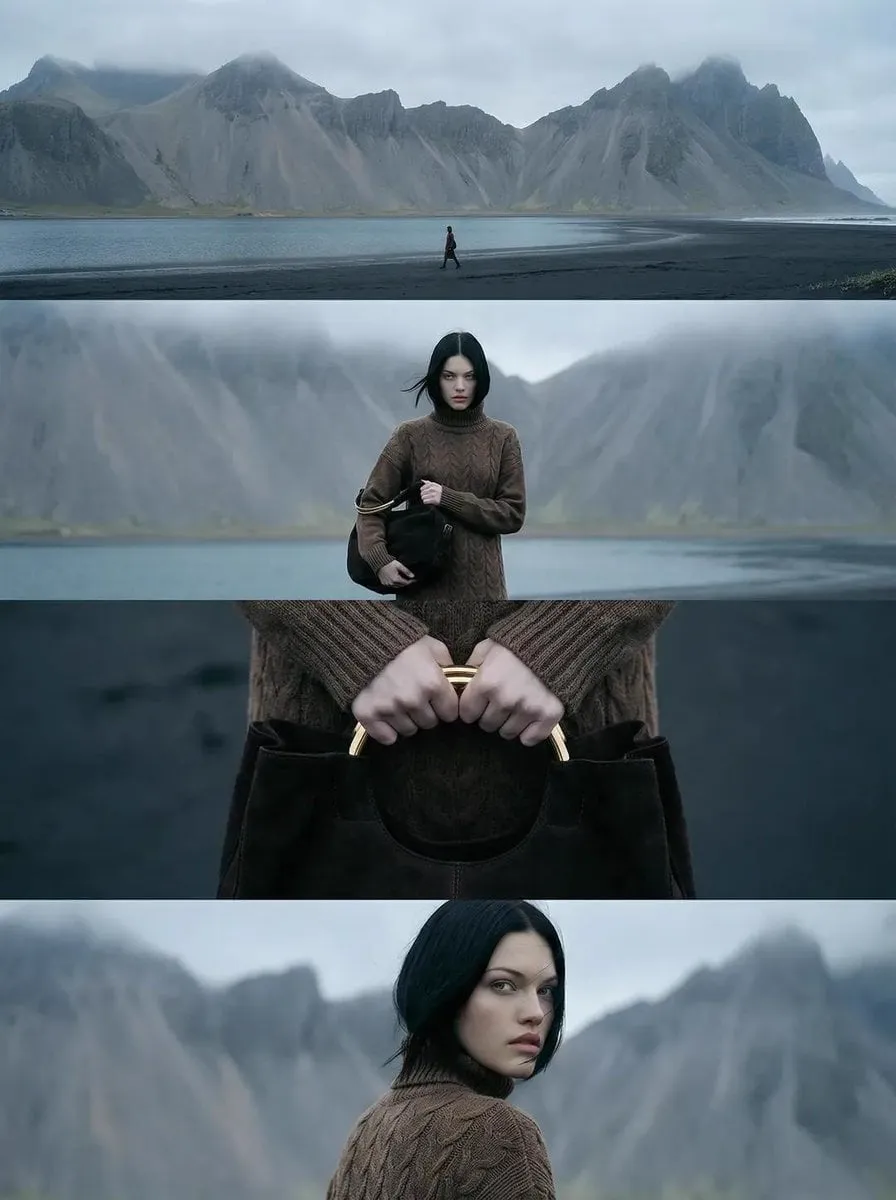
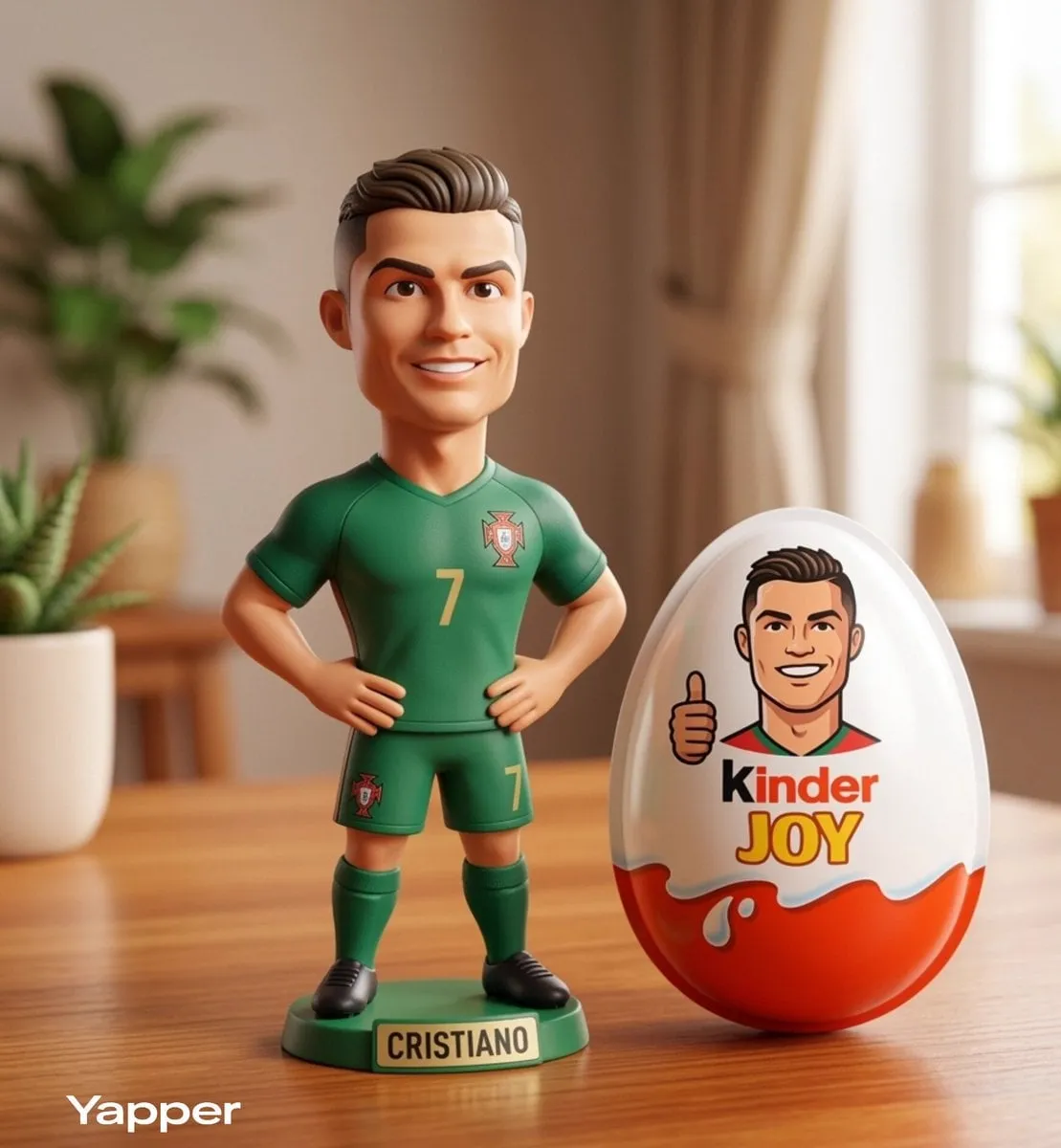
Why Visual Storytelling Is the Backbone of Influencer Campaigns
Influencer marketing has moved past the era of one-off sponsored posts. Audiences scroll past obvious advertising, and they scroll even faster past content that looks like it was assembled by a committee. What stops the thumb is a story that feels like it belongs to the person telling it. The product may be the reason the campaign exists, but the narrative is the reason anyone watches to the end.
That shift puts enormous pressure on production. A creator who used to film a single vertical clip now needs a coherent visual world: the same color palette, the same tone, the same character energy across a six-part series, a product launch, and a seasonal follow-up. Doing that with traditional crews is slow and expensive. Doing it with generic stock footage is fast and forgettable.
This is where AI-assisted video production earns its place. Not as a replacement for the creator's voice, but as a production layer that makes consistent, high-quality visuals achievable at the pace social platforms demand. The workflow in this guide is deliberately platform-neutral. It focuses on decisions you can make with almost any modern generation tool, and on the parts of the process that most teams get wrong: planning, consistency, review, and measurement.
If you take one idea from this article, take this: the model is the least interesting variable. The teams that ship great AI-assisted campaigns are the ones with a disciplined pipeline around the model.
A Repeatable AI Video Workflow, Step by Step
The fastest way to waste a week is to open a generation tool first and ask questions later. A repeatable pipeline front-loads decisions and back-loads polish.
Step 1: Lock the message hierarchy
Before any visuals, write three sentences: what the campaign is about, what the audience should feel, and what they should do next. Everything downstream gets judged against those three sentences. When a generated clip is beautiful but off-message, this is the document that lets you cut it without argument.
Step 2: Build a beat sheet before a shot list
A beat sheet describes emotional turns, not camera angles. For a 45-second piece you might have five beats: hook, tension, discovery, proof, invitation. Only after the beats are settled do you translate each one into two to four shots. This ordering prevents the classic failure mode where a campaign has twelve gorgeous shots and no reason for any of them to follow the previous one.
Step 3: Prepare reference assets
Collect the raw material that will anchor your generation: a character reference sheet, product photos from at least three angles, a color palette, and two or three stills that capture the intended lighting. Reference images do more for visual consistency than any amount of prompt engineering. Keep them in a single folder with clear names so every collaborator pulls from the same source of truth.
Step 4: Run generation in passes, not one-offs
A pass means generating a batch of variations for every shot in the sequence, reviewing them together, and then deciding. Reviewing shots in isolation leads to a sequence that looks like a collage. Reviewing them as a set reveals which shots match in tone and which ones quietly break the world you are building.
A practical rhythm is three passes. The first pass is about composition and motion. The second pass refines detail, lighting, and continuity. The third pass fills gaps, generates alternates for the edit, and produces any inserts you discovered you needed during assembly.
Step 5: Edit for rhythm, sound, and captions
Generated clips rarely land in the edit as-is. Trim the first and last six to ten frames, where artifacts usually hide. Then treat sound as a first-class element: a room tone bed, a music cue that changes with the beats, and captions that match the platform's viewing conditions. Sound design is what makes AI-assisted footage feel intentional rather than assembled.
Step 6: Export platform-specific variants
One master, many cuts. Produce a 16:9 master for brand channels, a 9:16 cut with safe-zone captions for short-form feeds, and a 1:1 or 4:5 option for paid placements. Plan for this at the shot-list stage so you generate with enough headroom to reframe without losing the subject's face or the product.
Matching the Right Generation Model to Each Shot Type
Different shots stress different capabilities. Rather than picking one tool and forcing it to do everything, map tools to shot types.
Talking-head and dialogue-driven shots
Prioritize tools with strong lip-sync and stable facial identity across frames. If your campaign includes a human presenter, identity drift is the single most damaging artifact: a face that subtly changes between cuts destroys trust instantly. Generate in short segments, keep the camera relatively static, and avoid extreme head turns.
Product macro and texture shots
Look for models that preserve fine structure: stitching, liquid surface tension, brushed metal grain, condensation. These shots are where viewers consciously evaluate realism because they are looking at the thing they might buy. If a model smears texture, generate the shot from a still reference and use image-to-video rather than pure text-to-video.
Lifestyle b-roll and environment shots
This is where generative video shines: golden-hour walks, kitchen counter moments, city movement, hands opening packaging. Because there is no dialogue and no need for a perfectly stable face, you can push motion and camera energy further. Generate generously here — b-roll is the connective tissue that lets you fix pacing problems in the edit.
Stylized, animated, and graphic sequences
For transitions, abstract reveals, and animated overlays, favor tools with strong temporal coherence and controllable stylization. These sequences are usually short, so a slightly higher cost per second is justified when it saves an afternoon of manual compositing.
A simple decision table
| Shot type | What matters most | What to avoid |
|---|---|---|
| Talking head | Face identity, lip-sync | Fast camera moves, profile angles |
| Product macro | Surface detail, stable lighting | Heavy motion blur, zoom-ins |
| Lifestyle b-roll | Natural motion, depth | Long static holds |
| Stylized transition | Temporal coherence | Complex text inside the frame |
Keeping Visual Consistency Across a Multi-Part Campaign
Consistency is what turns a set of clips into a campaign. It is also the hardest thing to achieve when multiple people and multiple tools are involved.
Character, wardrobe, and prop anchors
Write a short character sheet: age range, hair, build, one distinctive accessory, and the exact wardrobe for the campaign. Attach a reference image. Then repeat the same description verbatim in every prompt that includes that person. Rewriting the description "more naturally" each time is the fastest route to a cast of near-identical strangers.
Color, lighting, and lens recipes
Define two or three lighting setups and reuse them: soft window light with warm skin tones, cool overcast exterior, high-contrast studio with a single rim light. Specify approximate focal length language too — wide environmental, normal conversational, tight macro. Repeating these cues creates the visual signature audiences recognize without being able to name.
Aspect ratio, pacing, and subtitle style
Decide the pacing contract early: how many cuts per ten seconds, whether captions sit center or lower-third, whether transitions are cuts or wipes. A campaign that mixes three subtitle styles across four clips reads as three different campaigns.
Versioning and asset naming
Name files with a predictable pattern such as campaign-shot-version. Store approved reference images separately from experimental generations, and lock a folder called "approved" that only reviewed assets enter. This one habit prevents the most embarrassing mistake in AI-assisted production: publishing a draft generation because it was the most recent file.
Prompting and Shot Direction That Survive Generation
Prompts are not magic words. They are compressed direction. Write them the way you would brief a camera operator.
The five-part shot prompt
A reliable structure is: subject, action, environment, camera, and look. For example: a woman in her early thirties wearing a linen shirt, opening a small package on a kitchen counter, morning light through a side window, slow dolly-in at eye level, natural color with soft shadows. Five elements, no poetry, no ambiguity.
Negative constraints that matter
Constraints reduce the number of bad generations you have to review. Useful ones include: no on-screen text, no extra limbs, no rapid zoom, no flickering light, no heavy grain. Keep the list short — five to eight constraints — because overly long negative lists can flatten motion and make output look static.
The two-pass iteration loop
First pass: change one variable at a time, usually composition or camera movement. Second pass: refine look and motion while keeping composition fixed. Changing subject, camera, and lighting simultaneously makes it impossible to know which change improved the shot, and it makes reproducing a good result nearly hopeless.
Prompt mistakes to avoid
Vague mood words such as "cinematic masterpiece" add nothing. Conflicting directions such as "static handheld" confuse the model. Requests for legible text inside generated footage almost always fail. And describing a person differently in every prompt guarantees identity drift.
Collaboration Between Creators and Synthetic Assets
The strongest campaigns combine a real creator's voice with generated visuals rather than replacing one with the other. Treat the creator as the director of the story and the AI pipeline as the production unit.
Start with a shared document that contains the beat sheet, the character sheet, and the approved reference folder. Give the creator veto power over anything that misrepresents them: their face, their voice, their opinions. Synthetic voice cloning in particular should require explicit, documented consent, and it should never be used to put words in a creator's mouth that they did not approve.
Set a review cadence. Two reviews usually suffice: one after the first generation pass, where the creator reacts to composition and tone, and one after the fine cut, where they react to pacing and captions. More reviews slow the pipeline without improving the result.
Finally, decide who owns what. Generated footage, source references, music, and captions all have separate usage considerations. Document them once, at the start, so nobody is negotiating rights during a launch week.
Quality Control and Failure Modes to Catch Early
Reviewing AI-assisted video requires a different eye than reviewing camera footage. You are looking for inconsistencies, not imperfections.
The pre-publish checklist
- Watch the full sequence once at normal speed without pausing. Note where your attention drops.
- Watch again frame by frame at every cut point.
- Check hands, teeth, eyes, and jewelry in every shot with a person.
- Check product labels, packaging, and any surface with text.
- Verify lip-sync on a phone speaker, not studio headphones.
- Confirm captions respect platform safe zones.
- Confirm the first two seconds communicate the hook without audio.
Common failure modes and their fixes
Flickering texture, especially in fabric and foliage, usually means the clip is too long for the model's coherence window. Split it into two shorter generations and cut between them. Warped hands are best solved by reframing rather than regenerating: crop tighter, or change the action so hands are less prominent. Lip-sync drift is usually a frame-rate or audio-length mismatch; align the audio length to the video segment before generating. Uncanny motion, where movement is technically smooth but reads as wrong, is often a pacing problem — speed the clip up slightly or cut earlier. Garbled on-screen text should never be generated at all; add typography in the edit where you control kerning, spelling, and legibility.
Measuring Impact Beyond Views and Likes
Vanity metrics will not tell you whether the campaign worked. Track a small set of signals that map to your actual goal.
Retention on the first three seconds
If more than a third of viewers drop before the hook completes, the problem is the opening frame, not the story. Test a different first shot rather than rewriting the whole piece.
Completion and rewatch rate
Short-form platforms reward rewatches heavily. A clip with modest reach but a strong rewatch rate is often a better candidate for paid amplification than a high-reach clip that nobody finishes.
Saves and shares
These are intent signals. Saves suggest the viewer plans to act later; shares suggest the content carries social value. Split these out by creative variant so you learn which visual style drives which behavior.
Comment sentiment and question patterns
Read the comments for questions rather than praise. Repeated questions about price, availability, or sizing reveal that the story created interest but the call to action was unclear.
Assisted conversion
Use platform-specific links or codes per creator so you can attribute downstream behavior without relying on last-click models that undervalue narrative content.
Common Mistakes and How to Avoid Them
- Generating before planning. You end up with attractive clips that cannot be sequenced. Fix: beat sheet first, always.
- Changing the character description between prompts. The result is a cast of similar-but-different people. Fix: one verbatim character sheet, copied into every prompt.
- Reviewing shots individually. Continuity problems stay invisible until the edit. Fix: review in batches, side by side.
- Overloading the prompt. Long, contradictory prompts produce flat, static output. Fix: five elements, one variable per iteration.
- Ignoring sound until the end. Silently assembled footage feels unfinished no matter how good the visuals are. Fix: build a sound bed with the first rough cut.
- Chasing maximum realism on every shot. Not every shot needs to be photoreal. Fix: reserve high-fidelity generation for hero shots and use simpler treatments for connective tissue.
- Skipping platform variants. A single export ratio underperforms everywhere. Fix: plan reframing at the shot-list stage.
- Publishing the newest file instead of the approved one. Fix: a locked approval folder and a naming convention that includes version numbers.
- Forgetting disclosure. Audiences respond badly to undisclosed synthetic content. Fix: include clear disclosure and follow the rules of the platforms you publish on.
FAQ
How long does an AI-assisted campaign video take to produce?
A 45-second piece with five beats and roughly twelve shots typically takes three to five working days with a small team: one day for planning and references, two days for generation passes, one day for editing and sound, and a half day for variants and review. Timelines stretch when the concept includes a recurring human character, because identity consistency requires more iterations.
Do I need a different tool for every shot type?
No, but most teams benefit from two or three. One tool for dialogue-driven and human-centric shots, one for product macro and texture, and one for stylized transitions covers the vast majority of campaign needs. Standardizing on a single tool is fine if you accept compromises in one of those categories.
How do I keep a character looking the same across many clips?
Use an image reference rather than words alone, repeat the same character description verbatim, keep wardrobe and accessories fixed, and avoid extreme angles or fast head turns. Generate in short segments and select the frames that match your reference most closely before moving on.
Is AI-generated footage acceptable in influencer content?
It depends on the platform's disclosure rules and on your audience's expectations. Synthetic b-roll, backgrounds, and transitions are widely accepted. Synthetically recreating a real person's face or voice without explicit consent is not, and it is the fastest way to lose audience trust permanently.
What resolution and frame rate should I generate at?
Generate at the highest resolution your tools and timeline allow, then downscale. Higher source resolution gives you room to reframe into vertical formats without softening the image. Match your project frame rate from the start; mixing frame rates causes stutter that no amount of editing fixes cleanly.
How many variations should I generate per shot?
Three to five in the first pass is a reasonable starting point. Review them as a set, pick one, and note why. Once you have a winning look, reduce variations to two for later shots to save time without losing quality.
Can AI video replace a creator's own filming entirely?
It can replace supporting visuals, b-roll, and stylized sequences convincingly. It struggles to replace the specific unrepeatable quality of a real person speaking about something they genuinely use. The best results blend both: real creator presence, generated production value around it.
What is the biggest technical risk in this workflow?
Continuity. Individual clips are usually impressive; sequences often fail because lighting, wardrobe, or pacing shifts between shots. Budget more time for the review pass than you think you need, and treat the sequence, not the clip, as the unit of quality.
How do I keep costs predictable when generating many variants?
Decide in advance how many passes you will run, cap the number of variants per shot, and use low-resolution previews to test composition before generating final-quality versions. Most overspend comes from iterating on finished renders instead of previewing first.
Putting the Pipeline Into Practice
The teams that get the most from AI-assisted video are not the ones with the largest tool subscriptions. They are the ones with a beat sheet on the wall, a locked reference folder, a naming convention, and the discipline to review sequences rather than clips.
Start small. Pick one campaign, run it through the six-step workflow, and measure retention, completion, and saves separately for each creative variant. Then take the two decisions that worked and write them into a document you reuse next time. Over three campaigns, that document becomes your production advantage — one that no single generation model can hand you, because it lives in your process rather than in someone else's software.
