


Why Short-Form Video Now Rewards Production Discipline
Every few years, the cost of producing a watchable video falls by an order of magnitude. Each time it happens, the same sequence follows: volume explodes, attention fragments further, and craft becomes the only durable differentiator. Generative video has pushed us into another of those cycles. A convincing five-second shot can now come from a sentence, and a competent editor can assemble a thirty-second vertical clip in under an hour.
That abundance changes what works. A hook has roughly one to two seconds to earn the next five. Sound design matters as much as the picture, because most viewers start muted but stay for rhythm. And series-level consistency — the same face, palette, and tone of voice — determines whether someone follows an account or simply watches one clip and moves on.
The practical consequence is that short-form success is a systems problem more than a creativity problem. Creators who publish daily without burning out rarely rely on inspiration; they run a repeatable pipeline: a brief template, a shot list, stable generation settings, a caption style, and a review checklist. The rest of this guide builds that pipeline for anyone producing Reels, Shorts, or vertical feed content with a mix of AI generation and conventional editing.
The Three Tiers of AI Video Generation
Generative video has stratified into three rough tiers. Choosing the wrong tier for a shot is the most common source of wasted hours, because a task that needs iteration rarely benefits from maximum fidelity, and a hero shot almost never survives a low-fidelity render.
Cinematic tier: fidelity as the selling point
These models excel at texture, lighting, camera movement, and plausible physics. They are the right choice for product reveals, brand films chopped into verticals, title sequences, and any shot where the audience is meant to stop and stare. What you pay for it: slower renders, higher cost per second of finished footage, and less tolerance for repetition, so plan a smaller number of carefully specified shots.
Mid tier: the practical default
Balanced models hit a sweet spot of quality, speed, and control. Most episodic content lives here: lifestyle b-roll, character-driven scenes, stylized explainers, and the connective tissue between hero shots. Speed matters because you will almost always generate two or three variants of a shot before one reads correctly.
Speed tier: volume, testing, and iteration
Fast, inexpensive models trade detail for throughput. Use them to prototype hooks, animate stills for A/B tests, and generate background variations at scale. Expect artifacts on hands, faces, and fast motion, and treat those outputs as sketches rather than finals.
| Tier | Best for | Watch out for |
|---|---|---|
| Cinematic | Hero shots, product reveals | Cost, render time, slow iteration |
| Mid | Series b-roll, character scenes | Consistency drift between shots |
| Speed | Hook testing, backgrounds, volume | Artifacts on hands and faces |
Familiar names in each tier include Runway, Kling, Luma Dream Machine, Pika, Google Veo, Sora, Hailuo, Wan, Seedance, and LTX Studio, with Hedra and similar tools handling talking avatars and ElevenLabs or comparable engines handling voice. The specific ranking matters less than the habit of matching the tier to the job.
Consistency Is the Hardest Problem — and the Most Solvable
Character consistency
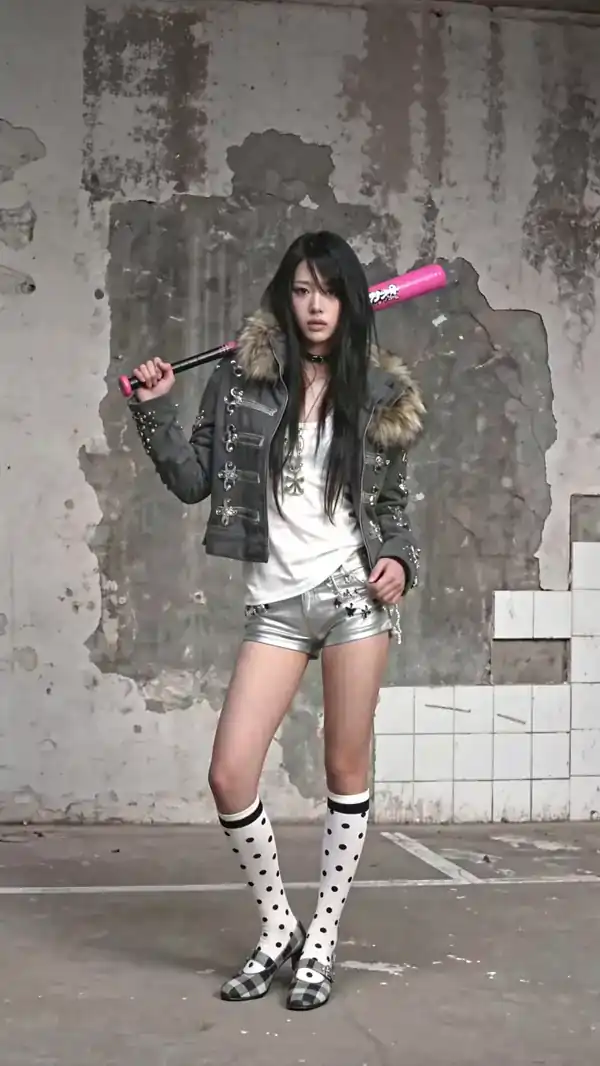
A recurring face is what turns clips into a channel. Build it deliberately: generate a character sheet with front, three-quarter, and profile views; keep a fixed reference image; animate from that image rather than from text alone; and keep descriptive adjectives in the same order every time. Avoid describing details that depend on camera angle, such as a mark on one cheek, because mirrored shots will contradict you.
Style bibles
Write down the look once so you do not re-decide it for every clip. A useful style bible is short: two or three palette values, a lens vocabulary such as 35mm, 50mm, or macro, a lighting phrase or two, a grain or polish level, a motion language such as slow dolly, handheld, or locked-off, and typography rules for on-screen text.
Continuity between shots
Match light direction, wardrobe, and screen direction. A reliable trick is to generate a wide establishing shot first, then use frames from that shot as reference for close-ups, so the environment carries over instead of being reinvented. If a model supports seed locking, lock it; if it supports reference images, use the same one for every shot in the sequence. Small continuity decisions compound: viewers may not name what feels off, but they feel it.
Localizing for Regional Audiences
Localization is more than subtitles. In fast-growing markets such as Türkiye, Brazil, or Poland, the clips that travel use native-language voiceover rather than machine-translated captions, and on-screen text is short enough to read in a moving feed. Humor, references, and music choices are highly local: family scenes, football, food, and everyday urban situations outperform generic stock-style footage.
Pacing differs too. Many regional audiences reward rapid cuts, dense on-screen text, and direct address, a style closer to a friend explaining something than to a polished advertisement. That is good news for small teams, because it favors energy and specificity over budget.
A few practical habits help:
- Record the hook twice. Produce a version in the local language and an English version, then test both.
- Keep captions inside safe zones. Vertical platforms crop differently across devices, so leave margins for interface elements.
- Check music and voice rights. Licensing rules vary by market and by platform, especially for commercial content.
- Disclose synthetic presenters where advertising rules or platform policies require it.
A Repeatable Workflow from Brief to Published Clip
1. Brief and hook
Write one sentence describing who the clip is for and what they should feel or do. Then write three candidate hooks and pick the one that works without sound. If a hook needs context to make sense, it is not a hook.
2. Script and shot list
Keep scripts short: 60 to 120 words for a 30-second clip. Convert the script into a shot list of four to eight shots, each with a purpose — hook, context, proof, payoff, call to action. Most weak videos are weak because three shots try to do the same job.
3. Stills before motion
Generate or capture the key frames first. Stills are cheap to iterate, and approving them early prevents expensive re-renders later. This is also where you lock the character sheet, palette, and wardrobe.
4. Animation and generation settings
Animate each still with image-to-video, keeping prompts short and focused on motion rather than appearance. Describe camera movement, subject action, and duration. Generate two variants per shot and keep the better one; do not chase perfection on the first pass.
5. Edit, sound, and captions
Cut to a beat. Reduce each shot to the shortest version that still reads. Layer ambience, a music bed, and one or two accents. Burn in captions or upload them as a track, and check loudness so the clip does not feel quieter than its neighbours.
6. Publish, tag, and archive
Export at platform-specified resolution and bitrate, publish consistently, and archive the project file with prompts and settings. Your archive becomes the template for the next ten clips, which is where the real time savings appear.
Product and E-Commerce Video
Product content is where AI video pays for itself fastest, because the alternative — a studio shoot, a model, a location — is expensive and slow. The strongest use cases are unglamorous:
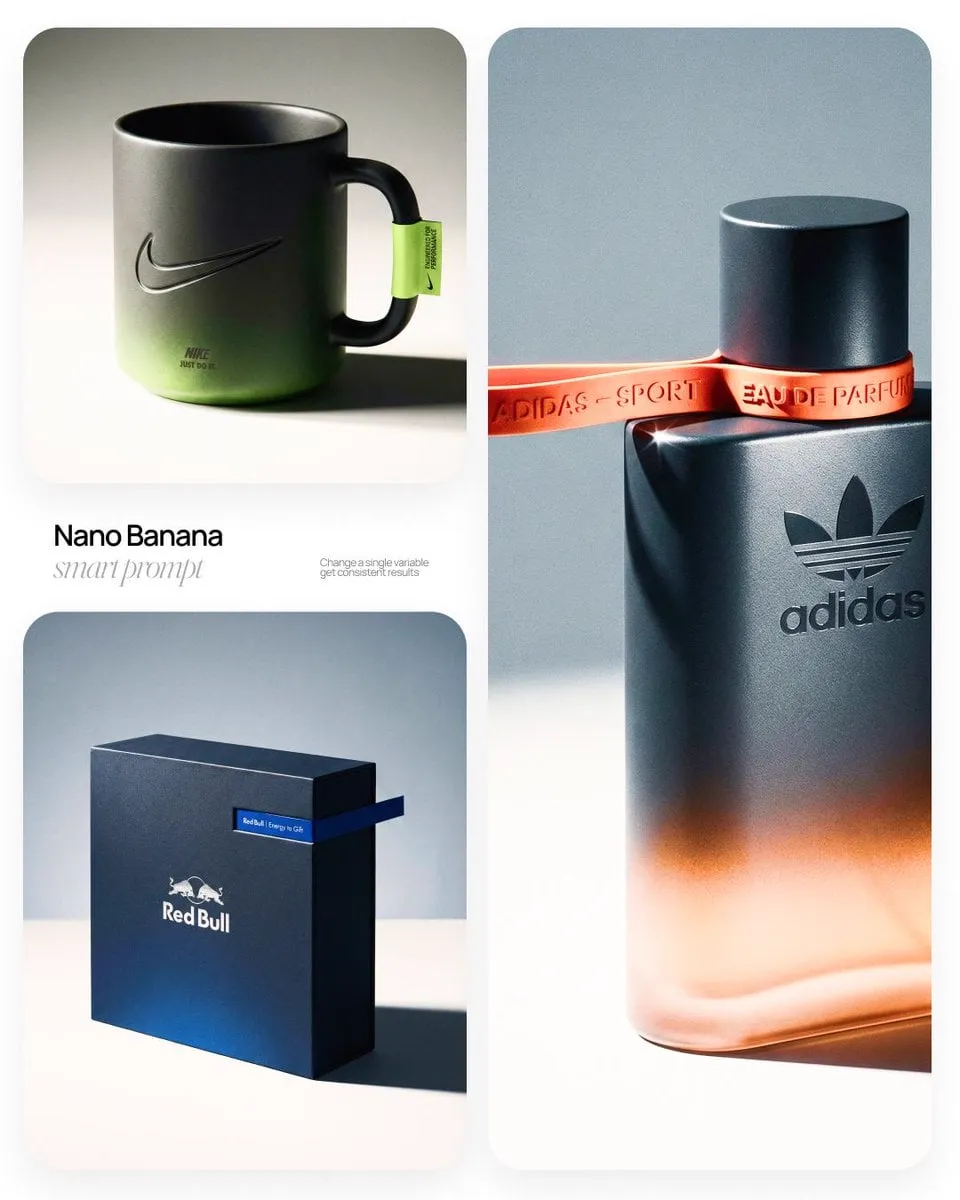
- Static-to-motion. Animate a catalog photo into a slow orbit or a push-in, keeping the product label crisp.
- Context generation. Place a product in a plausible lifestyle scene: a kitchen counter, a car interior, a street at dusk.
- Conversational reviews. Combine a synthetic presenter with a script written in a natural speaking voice.
- Variation testing. Produce three openings for the same product and let performance decide which one leads the campaign.
Accuracy is non-negotiable. A generated clip that implies a colour, size, or function the product does not have creates returns and complaints that outweigh any reach it earns. Keep the real product visible, avoid exaggerated transformations, and follow the disclosure rules that apply in your market. Where a claim matters legally or commercially, put it in text you control rather than in a generated scene.
Mistakes That Quietly Kill Retention
Most underperforming clips fail for mundane reasons:
- A buried hook. A logo animation or slow establishing shot before the point.
- No captions. A large share of viewers watch on mute.
- Audio that is too quiet. Loudness mismatch reads as low quality.
- Everything moving. With no locked-off anchor shot, viewers cannot orient themselves.
- Character drift. A face that changes slightly between clips erodes trust in the series.
- Length without reason. If the clip works at 18 seconds, do not publish 45.
- Irrelevant audio trends. Trend audio that clashes with the message confuses both the algorithm and the viewer.
- Bad exports. Low bitrate or a wrong aspect ratio creates a soft, cropped look that no amount of good writing can fix.
Choosing Tools: Decision Criteria
Rather than chasing the newest model, evaluate against the job:
| Criterion | Why it matters |
|---|---|
| Control | Reference images, seed locking, camera and motion prompts |
| Speed | How many iterations fit in your working day |
| Cost per finished clip | Includes failed generations, not just successful ones |
| Commercial rights | Clear terms for monetized and advertising content |
| Moderation rules | Whether your subject matter is allowed at all |
| Automation | Batch generation and API access for volume |
| Editing fit | How cleanly output drops into your editor |
A sensible stack for a small team: one mid-tier generator for daily work, one cinematic model for hero shots, a fast model for testing, a voice tool, an upscaler, and a single editing app you know well. Resist adding a fourth generator until you have exhausted the first three.
Measuring and Iterating
Vanity metrics are comfortable and useless. Track a short list and review it weekly:
- Three-second hold rate — whether the hook works.
- Average watch percentage — whether pacing holds.
- Completion and rewatching — whether the payoff is worth it.
- Saves and shares — whether the clip has practical or emotional value.
- Profile visits and follows per thousand views — whether the series builds an audience.
- Time and cost per published clip — whether the workflow is sustainable.
Change one variable per test. If hold rate is low, rewrite the hook and keep the rest identical. If watch percentage drops in the middle, cut the middle. If shares are low but views are high, the clip is entertaining but not useful, so add a takeaway, a checklist, or a specific recommendation. Reviewed monthly, this habit turns guesswork into a short list of fixes.
FAQ: Practical Answers for Busy Creators
How often should I publish?
Consistency beats frequency. Three well-made clips a week outperform seven rushed ones, and a fixed schedule teaches both the audience and the platform what to expect.
Do I need paid tools to start?
No. A phone, free editing software, and one low-cost generation tool are enough to validate a format. Upgrade only when a specific limitation — render speed, resolution, or control — is actually blocking you.
Can AI-assisted video be used commercially?
Usually yes, but terms differ between providers and change over time. Check the current licence for each tool you use, keep records, and disclose synthetic presenters where required.
How do I keep the same character across many clips?
Build a reference sheet, keep a fixed image, animate from that image, and keep your descriptive language identical. Store the winning prompt alongside the project file.
What length works best?
Long enough to deliver the payoff, short enough that nothing repeats. For most vertical feeds, 15 to 40 seconds is a practical range, with the first two seconds doing most of the work.
Do platforms downrank AI content?
Platforms generally reward watch time and engagement rather than penalizing a production method. Low-quality, misleading, or undisclosed synthetic content is a different matter, and that is a policy problem rather than a technology one.
Where should a beginner focus first?
Hook writing and captions. Those two skills improve results faster than any upgrade in generation quality, and they cost nothing but attention.
Closing thoughts
The tools will keep changing and the tiers will keep reshuffling. What stays stable is the pipeline: a clear hook, a short shot list, locked assets, an edit that respects the viewer's time, and a measurement habit that tells you what to fix next. Build that once, and every new model becomes an upgrade to a system that already works rather than a fresh experiment.
