
What Does It Mean to Tell Stories with AI Video?
Every strong piece of visual content starts with a single frame. The best videos, however, are not collections of beautiful pictures; they are sequences that carry emotion, momentum, and meaning from one moment to the next. That is the essence of visual storytelling, and it is exactly what modern AI video tools now allow creators to build directly from still images.
Image-to-video generation has matured from a technical novelty into a practical production method. You can take a photograph, an illustration, a brand asset, or a concept sketch, and turn it into a moving scene with realistic motion, camera movement, and atmosphere. For creators who already have a library of images, this is a shortcut to video production that did not exist a few years ago.
This guide walks through the ideas, tools, and workflows you need to move from still images to full video with AI. It covers the underlying technology, the practical steps for keeping characters and scenes consistent, the role of sound, and how to fit AI video into real production pipelines.
Why Image-to-Video Is the Core Skill Right Now
Video is the dominant format across social platforms, e-commerce, and brand communication, but it remains expensive to produce. A polished studio shoot needs cameras, lighting, sets, actors, editors, and days of schedule. That model simply does not scale for small teams, independent creators, or businesses that need to publish regularly.
Image-to-video changes the economics. If you already have strong stills, whether from a photoshoot, a design team, or an AI image generator, you can animate them instead of reshooting. The result is a much faster iteration loop: change a reference image, regenerate a clip, compare versions, and publish. Teams that master this workflow can produce ten times more video for the same budget.
The timing matters as well. Models that understand motion, physics, and light well enough to animate a single image convincingly only became broadly available recently. The gap between a still image and a believable moving scene is closing quickly, and the creators who learn the craft now will have an advantage as the tools keep improving.
How Image-to-Video Technology Works
Behind the scenes, most image-to-video tools rely on diffusion models trained on large collections of video data. Instead of generating a picture from noise, the model receives your still image as a conditioning signal and predicts what the frames around it should look like. It learns temporal relationships: how a character's hair moves, how light shifts across a room, how an object accelerates and stops.
In practical terms, the model tries to answer three questions for every frame. First, what should stay the same? The identity of your subject, the color palette, and the general composition should remain stable. Second, what should change? Movement, camera motion, and time-based effects such as rain or fire. Third, what is physically plausible? Objects should not deform wildly, shadows should behave, and motion should respect the laws of the world you are building.
The quality of the result depends heavily on the reference image you provide. A sharp, well-composed image with clear subject separation gives the model strong signals. A cluttered, low-resolution, or ambiguously lit image forces the model to guess, and guessing produces artifacts. This is why the most important skill in AI video is not prompt writing; it is knowing how to prepare good input images.
Building Character and Scene Consistency
The oldest complaint about AI video is that characters change appearance between shots. Hair color shifts, clothing patterns mutate, facial features drift. For a single short clip this is often acceptable, but for any real narrative, a product video, or a series of posts, consistency is non-negotiable.
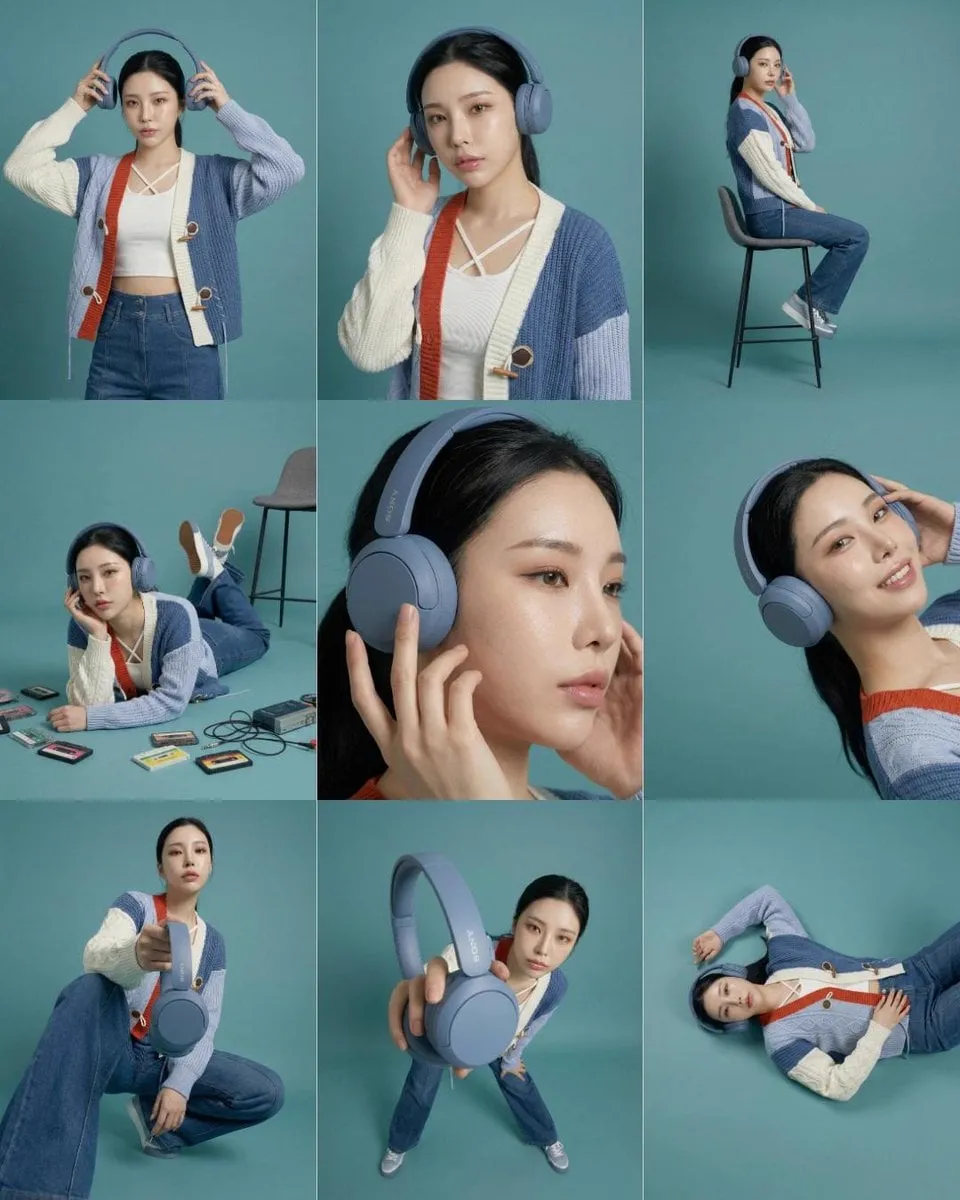
The most reliable technique is to use multiple reference images of the same subject. Upload several views of your character: a front portrait, a side angle, a full body shot, and maybe a detail of the costume. The model can then lock onto the stable features, the face structure, the signature clothing, and the color scheme, instead of inventing them fresh for every clip.
You can push this further with keyframe control. Instead of generating one long sequence blindly, define the start frame and the end frame, or a chain of intermediate frames, and let the model fill in the motion between them. This turns generation into a kind of digital animation: you are essentially posing the character at critical moments and asking the AI to connect them smoothly.
For long-running projects, consider training or saving a dedicated character model. Many platforms allow you to feed a small set of images and create a reusable identity that works across scenes, styles, and even different base generators. This is the closest thing AI video has to a consistent cast of actors, and it is worth the setup time if you plan to produce a series.
Controlling the Camera Like a Director
Motion is not only about what the subject does; it is also about what the camera does. A slow push-in creates tension. A sweeping pan reveals a world. A handheld shake adds urgency. Modern AI video tools let you specify camera behavior directly in your prompt or through control options, and learning a few standard moves will improve your output immediately.
Start with the basics: static, push in, pull out, pan left, pan right, tilt up, tilt down, and orbit. Write them explicitly in your prompt, for example "slow push-in toward the character's face" or "camera orbits the vehicle from right to left". The more specific you are about direction and speed, the more control you get.
Keep the camera language consistent with the mood of the story. A product reveal might use a slow orbit to feel premium. A chase scene needs fast cuts and dynamic angles. A documentary-style piece should favor stable, locked-off shots. When you think of the camera as a character in the scene, your AI videos will feel directed rather than generated.
Adding Sound, Voice, and Music
Visual storytelling is incomplete without audio. A silent AI clip feels flat, no matter how good the motion is. The good news is that the audio side of AI production has become just as accessible as the visual side.
Start with a music bed that matches the emotional arc of the clip. Rising tension, a drop, a resolve; the music should mirror the visuals. Next, consider sound design: footsteps, wind, engine hums, crowd noise. Many AI platforms now include sound generation that can produce effects synced to the action in the video. Finally, for narrated content, AI voice synthesis can deliver clean voiceover in multiple languages, which is a huge advantage when you want to localize a single video for different markets.
The rule of thumb is to design audio in layers. Music first, then effects, then voice. Mixing at moderate levels and letting the most important element lead will keep the result professional even when every layer was generated.
Using AI Video in Marketing and Advertising
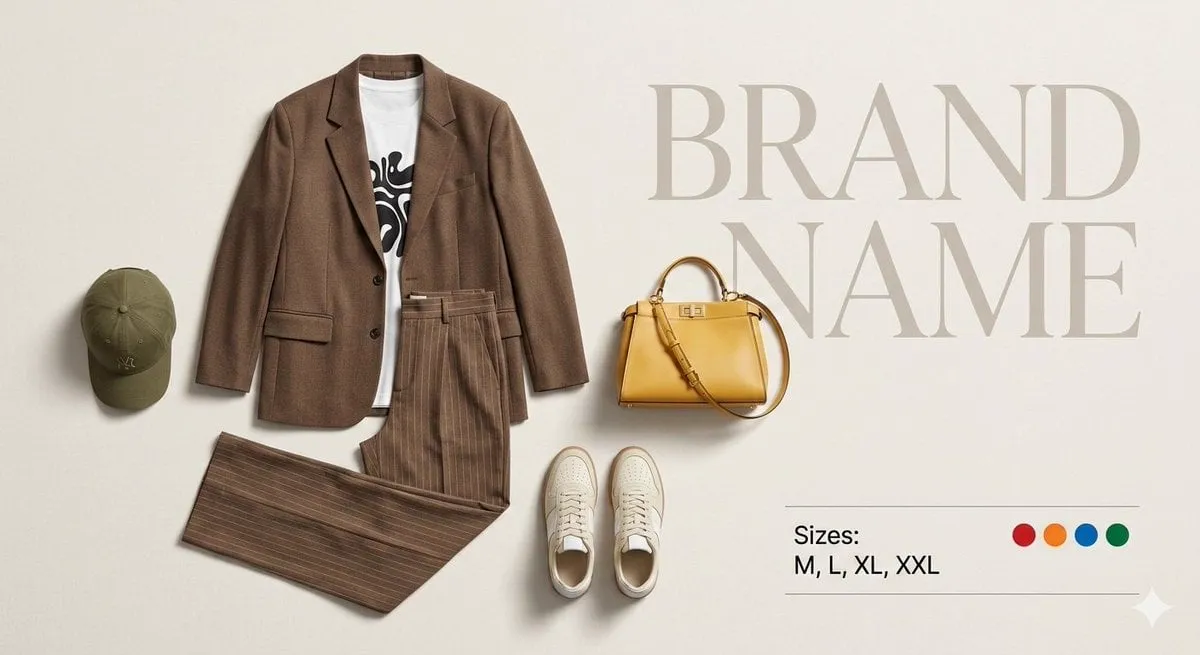
Marketers were among the first to see the potential of image-to-video, and for a clear reason: they already own a mountain of brand imagery. Product shots, campaign photography, lifestyle images; every one of those can be animated into social clips, display ads, and landing page backgrounds without a new shoot.
The most effective use cases are simple. Animate a product photo so the product rotates or the liquid pours. Turn a lifestyle image into a short loop for an ad placement. Create a subtle motion background for a hero section. These are small, fast productions that add perceived production value with almost no cost.
For conversion-focused work, keep the message clear. The first two seconds should communicate the product and the benefit. The motion should support the message, not distract from it. Test different motion styles against your click-through and conversion metrics, and let the data tell you which kinds of movement your audience responds to.
Fitting AI Video into a Professional Workflow
AI video works best as part of a pipeline, not as an isolated trick. A typical production workflow looks like this: concept and script, then storyboard, then still frame creation, then image-to-video generation, then audio, then editing and finishing.
The storyboard step is where AI saves the most time. Instead of drawing rough frames by hand, you can generate concept stills that closely match the final look. Those stills become the reference images for the animation phase, which means the team agrees on the visual direction before a single second of video is generated.
Editing still matters. Generated clips are rarely perfect end to end. You will want to trim, reorder, add text overlays, adjust color, and sync audio in a traditional editor. Treat the AI as a powerful shot generator inside a normal production process, and the quality of the final video will be much higher than any fully automated output.
A Step-by-Step Starter Workflow
If you are starting from zero, here is a repeatable workflow you can adapt.
First, define the goal. What is the video for, and what emotion should the viewer feel? Write one sentence and keep it visible. Second, gather or generate reference stills. Aim for at least three per character or scene. Third, write a motion prompt for each shot: subject, action, camera move, mood, and duration. Fourth, generate short clips and review them ruthlessly; keep only what works. Fifth, add music, effects, and voice. Sixth, edit the keepers into a sequence and add titles or captions.
Keep a log of what worked. Note which prompts produced smooth motion, which models handled your subject well, and which reference images caused problems. After a few projects, you will have a personal playbook that makes every future production faster.
Common Mistakes and How to Avoid Them
The most common mistake is using low-quality input images. If the source is blurry, the output will be blurry, and no prompt will save it. Fix the input first.
The second mistake is over-prompting. Cramming ten actions into one prompt produces muddled results. Keep the action simple and the camera clear. One subject, one action, one camera move per clip.
The third mistake is ignoring consistency. If you plan to cut between shots, lock the character and environment first. Generate all clips from the same reference set, and if something drifts, regenerate rather than trying to fix it in editing.
The fourth mistake is skipping audio until the end. Sound changes how motion is perceived. Design the audio alongside the visuals, even if you only rough it in early.
Frequently Asked Questions
How long should AI-generated clips be? Start with five to ten seconds per clip. Longer sequences tend to drift, and short clips are easier to control and edit.
Do I need a powerful computer? No. Most modern image-to-video tools run in the cloud, so a normal laptop is enough for prompt writing and editing.
Can I use my own photos? Yes, and it is recommended. Your own images give you full control over the subject, the brand, and the legal status of the content.
How do I keep the same character across videos? Use the same reference images, save a dedicated character model if the platform supports it, and document the exact prompts that worked.
Is AI video ready for professional work? For many use cases, yes. The key is to use it where it is strong, short motion sequences, product animation, concept visualization, and social content, and to combine it with human editing and sound design.
The Future of Visual Storytelling
The boundary between still and moving images is dissolving. Photographers are becoming filmmakers. Designers are becoming directors. Marketers are becoming producers. The tools are still imperfect, but they improve fast enough that the constraint is no longer technology; it is imagination.
The creators who will stand out are not the ones using the most expensive tools. They are the ones with clear stories, disciplined workflows, and the willingness to iterate. Start with your strongest still image, give it motion, add sound, and tell the story you could not tell before. That is the craft of AI visual storytelling, and it is available to anyone willing to practice.
