
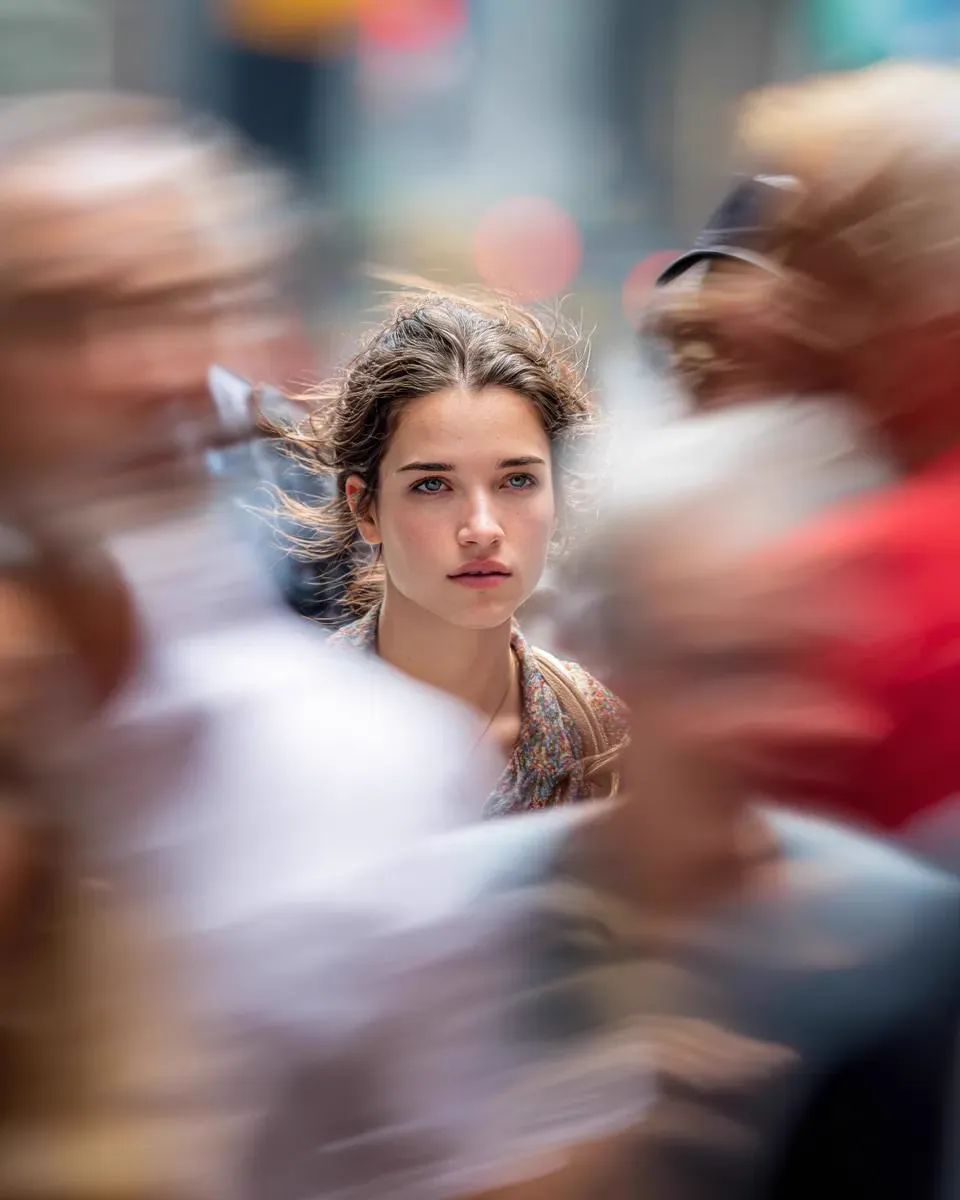
Tired of Repetitive Videos? Start with a Strong Visual Hook
Scroll through any feed for a few minutes and you will see the same pattern: the same transitions, the same stock clips, the same template-style motion graphics. Audience attention is brutally short. Studies consistently show that if a video does not catch interest within the first few seconds, viewers move on. Two of the most reliable ways to break through the monotony are animated logos and action-packed scenes — and generative AI has made both dramatically easier to produce.
This guide covers how to create distinctive animated logos, build high-energy action scenes, keep characters and objects consistent across shots, and manage the production workflow so you can scale from one experiment to a full campaign.
Why Repetition Kills Engagement
The attention cliff
In a crowded feed, novelty is a survival trait. When every competitor uses the same intro animation and the same talking-head format, standing out means doing something visually different. An animated logo with real motion — a badge that flies in, a monogram that assembles itself, a mascot that jumps out of the frame — gives your brand a recognizable signature that template videos simply do not have.
The cost problem of custom video
Traditionally, animated logos and action scenes meant expensive motion design work. Logo animation alone could cost hundreds or thousands of dollars per version, and action scenes required sets, actors, and effects teams. Generative AI changes the economics: the same work can be iterated in minutes, and multiple variations can be tested before committing to a final look.
The consistency trap
The reason many creators fall back on templates is consistency. If you generate ten different clips, will they look like they belong to the same brand? Modern AI workflows solve this with reference images and style anchors: define the look once, then reuse it across every shot.
Creating Animated Logos with AI
Define the logo identity first
Before generating anything, decide what the logo is made of: a wordmark, an icon, a combination of both, a mascot? Gather reference images of the logo from different angles and on different backgrounds. The model needs to understand the shape, the colors, and the personality of the mark.
Generate motion around the logo
Instead of asking for a generic "logo animation", describe the motion specifically:
- Entrance: does the logo fly in, assemble piece by piece, or fade in with a light sweep?
- Camera: is there a slow push-in, a subtle orbit, or a dramatic zoom-out?
- Environment: is the logo floating in space, sitting on a textured surface, or interacting with particles?
Each choice changes the personality of the brand. A fintech company wants precision; a gaming brand wants energy; a lifestyle brand wants warmth.
Iterate with variants
Generate several versions with different motions, then pick the strongest. Because the cost per iteration is low, you can afford to test directions you would never have tried with a traditional animator. Save the prompts and settings that produce the best results — you will want to recreate that motion for future content.
Building Action-Packed Scenes
Start with a clear scene plan
Action scenes fail when they are chaotic. Even a ten-second clip needs a mini-story: a character enters, a threat appears, the character reacts, the moment resolves. Write the beat sheet before generating, then translate each beat into a prompt.
Direct the camera like a filmmaker
The camera is half of the energy. Fast whip pans, low-angle hero shots, tracking shots that follow the action — these are the tools that make a scene feel like cinema. Describe the camera movement in the prompt: "low angle, camera pushes in as the character leaps", "fast pan following the explosion". Models trained on cinematic footage respond well to precise camera language.
Keep characters consistent
Action scenes are where character consistency breaks most often: a running figure, a punching arm, a jumping hero — each pose can drift. Use reference images of the character from multiple angles, and keep the same reference set across all shots. If a character is central to your campaign, consider building a dedicated character model so every frame matches.
Layer effects in post
Generated action is a starting point, not a finish line. Speed ramps, motion blur, sound design, and color grading in an editor make the difference between "AI clip" and "action scene". Match cuts — cutting between two shots on a similar visual element — are especially effective at hiding seams between generated clips.
Managing the Production Workflow
Build a style bible
A style bible is a short document that defines the visual rules of the project: color palette, lighting direction, camera language, character descriptions, and the logo version to use. Every generated clip should be checked against it. This is what turns a pile of nice clips into a coherent brand video.
Use tiered generation
Not every shot needs maximum quality. Generate rough versions quickly to test ideas, then re-generate the winners with a higher-quality model for the final cut. Tiered generation keeps costs under control without sacrificing the hero shots.
Keep a prompt library
Track what works: exact prompts, model choices, camera settings, and reference sets. Over time this library becomes your most valuable asset. Recreating a successful style is then a matter of pulling the right recipe from the shelf instead of starting from scratch.
Plan GPU-heavy work wisely
Video generation is compute-intensive. Batch similar tasks, run heavy renders outside peak hours, and keep an eye on queue times. A little scheduling discipline prevents production from stalling at the worst moment.
Real-World Use Cases
Brand campaigns and micro-campaigns
A brand launching a limited product can produce a mini campaign in days: an animated logo intro, three action-style product shots, and a short stinger for social. Each asset is consistent because they share the same references and style rules.
Gaming and esports content
Game communities reward energy. Animated team logos, highlight reels with cinematic camera moves, and stylized action clips fit the format perfectly. Generators let small teams produce content that looks like it came from a bigger studio.
Product launches and demos
A product photo becomes a hero shot: the device rotates in space, materials catch the light, the camera orbits for a reveal. For hardware brands, this kind of dynamic demo outperforms static images across ad platforms.
Personal branding
Creators use animated signature logos to open every video. A recognizable motion signature builds brand recall over time, and generative tools make it possible to update the signature as the brand evolves.
Common Mistakes and How to Avoid Them
- Generating without references: you get pretty but generic results. Always feed the model the actual logo, character, or style you want.
- Describing actions vaguely: "make it cool" produces chaos. Describe what happens, how the camera moves, and what the mood is.
- Ignoring consistency checks: review all clips together before publishing. Small drift in character or color breaks the illusion.
- Skipping post-production: audio, color, and pacing matter as much as the visuals.
- Forgetting the brand: a stunning clip that does not look like you is still off-brand. Measure every clip against the style bible.
Frequently Asked Questions
Do I need design skills to animate a logo?
Basic design literacy helps, but the core workflow is accessible: provide a clean logo image, describe the motion, generate variants, and pick the best. A professional designer can polish the result, but the entry barrier is low.
Can generated action scenes look realistic?
With current models, yes — especially for stylized and semi-realistic looks. Fully photorealistic action with complex physics still benefits from post-production and careful prompt design. For social content, stylized action often looks better anyway.
How long does a logo animation take to produce?
From minutes to an hour, depending on the model, the length, and queue times. Most of the time goes into iteration: generating variants, selecting, refining. The actual render of a short clip is fast.
What about copyright of my brand logo?
You are animating your own logo, so ownership is not an issue — but check the terms of the tool you use, especially if it trains on uploaded images. For commercial brand work, use tools with clear data policies.
Can I use this workflow for client work?
Yes, and it is becoming standard. Clients increasingly expect multiple animated options in the initial proposal. The key is documenting the process: references, prompts, and style rules so the work can be reproduced and extended.
What about audio for generated videos?
Audio is often the difference between a clip and a finished video. Add sound design, a music bed, and voiceover in your editor. Many generators now produce synchronized audio or let you add narration separately. Match the energy of the audio to the energy of the visuals — a logo animation with a subtle whoosh and a soft impact sounds intentional, not accidental.
Building a Repeatable Production Checklist
Consistency comes from process, not from luck. Before every production run, walk through this checklist:
- Is the style bible up to date? (palette, characters, logo version, camera language)
- Are reference images prepared and consistent?
- Is the shot list written out with a clear beat for each shot?
- Are the models chosen per task: fast tier for exploration, high-quality tier for finals?
- Is post-production time scheduled, including audio and color?
- Are prompts and settings being logged for reuse?
Teams that skip this checklist burn time redoing work; teams that follow it produce predictable results. The checklist also makes handoff easier: a new team member can pick up a project by reading the style bible and the prompt log instead of asking questions.
Case Study: A Product Launch in Five Days
Imagine a hardware brand launching a new device. On day one, the team defines the style bible: the product must appear on a dark textured surface, with warm rim light and a slow orbital camera move. They shoot three reference photos of the prototype. On day two, they generate rough versions of the hero shots — an orbit reveal, a close-up of the charging port, a lifestyle scene — using fast models. On day three, they select the winners and re-generate them at high quality. On day four, they add sound design, a music bed, and a logo stinger animated in the same style. On day five, they review everything against the style bible and deliver. This workflow would have taken weeks with a traditional motion design agency, and the brand still owns a reusable style system for the next launch.
Common Questions from First-Time Users
How many iterations should I expect per shot?
For a simple shot, two to four iterations usually suffice. For complex scenes with characters and camera movement, plan for more. The key is to iterate on the description and references, not to keep clicking generate and hoping — each iteration should teach you something specific.
Do I need to learn prompt engineering formally?
No formal training is needed. Write like you are directing a shoot: what is in frame, what is happening, how the camera moves, what the mood is. Study the language of film — close-up, tracking shot, low angle — because models trained on cinematic footage respond well to it.
Can generated clips be combined with real footage?
Yes, and this is a growing practice. Use generated clips for shots that are expensive or impossible to film, then intercut with real footage in the edit. Keep the color and lighting consistent so the blend is seamless.
Conclusion
Repetitive video is a choice, not a requirement. With generative AI, animated logos and action scenes are within reach of any team that can define a clear style and follow a consistent workflow. Start with a strong logo identity, direct your scenes with real camera language, keep references consistent, and finish everything in post-production. The tools will keep changing, but the fundamentals — novelty, consistency, and craft — are what make content memorable.
