
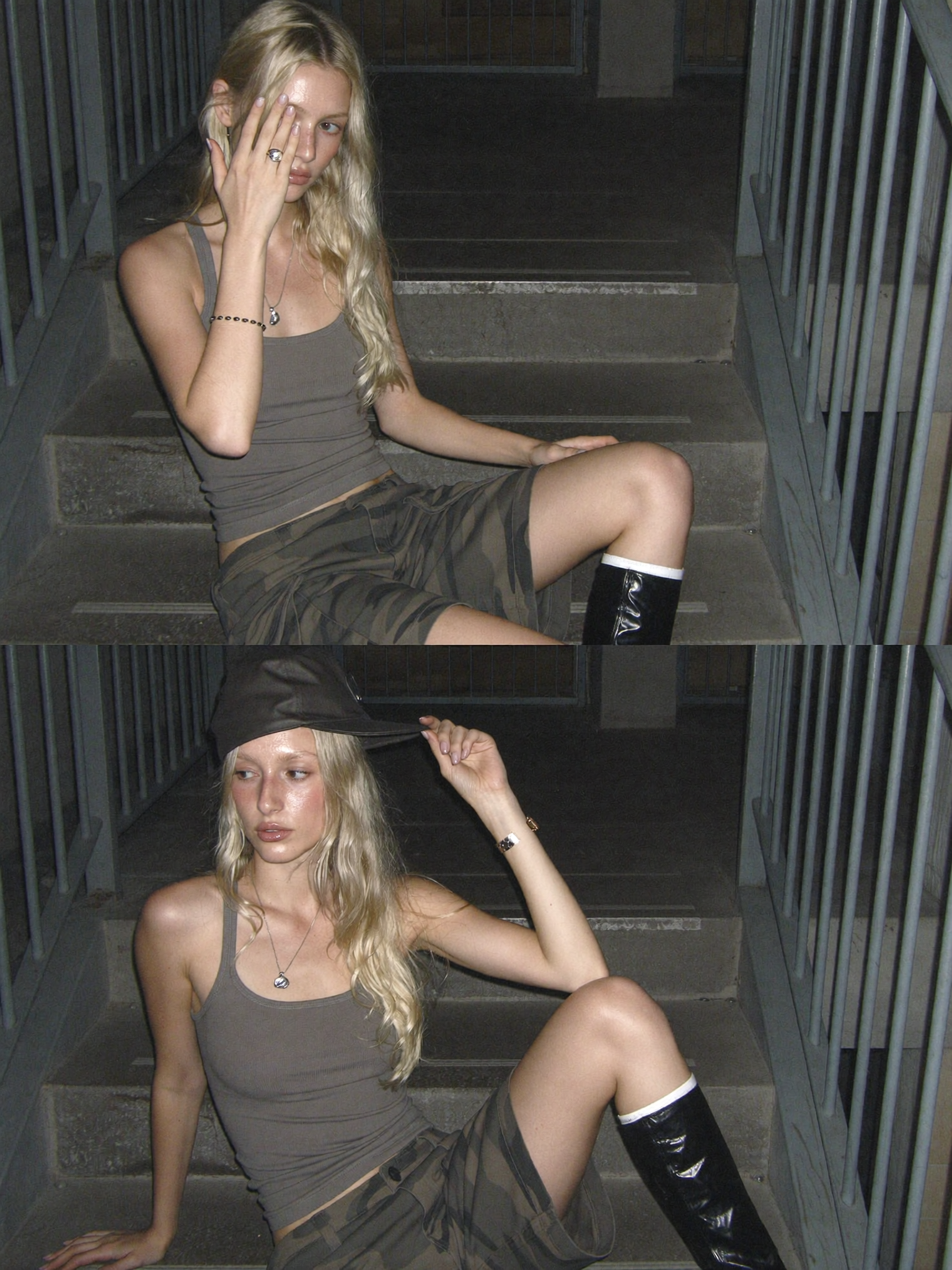
Generative video has reached a strange milestone: the hardest problem is no longer producing a beautiful frame, but producing the same character over and over again. A creator can generate an astonishing single image or a stunning ten-second clip, then watch the character's face subtly change in the very next scene. For anyone building avatars, series, or branded content, this drift is the wall that stops production cold.
Reference-based style systems exist to break that wall. By analyzing a set of starting images and encoding their visual DNA — palette, texture, line weight, graphic patterns — these systems let you reuse a consistent style and character across scenes, models, and projects. This guide explains how they work, how to use them well, and how creators are turning consistent styles into recognizable brands and income.
Why Character Consistency Is the Real Bottleneck in AI Video
The AI video landscape in 2025 is defined by capability. Text-to-video models from OpenAI, Runway, Kling, and others produce footage with cinematic lighting, plausible physics, and strong prompt adherence. Yet the same models struggle with identity: ask for a character in scene two, and the model invents a cousin instead of the same person.
Why does this happen? Diffusion models generate from noise, guided by text and image conditioning. They are excellent at sampling from a distribution of "what a person looks like," but they have no internal memory of your specific character. Every scene is a fresh roll of the dice. Unless the model is anchored to reference material, its sampling drifts.
This matters commercially. A brand avatar that changes face between posts destroys brand trust. A web series whose protagonist morphs every episode is unwatchable. A game character who changes costume mid-scene breaks immersion. Consistency is not a nice-to-have; it is the difference between content that looks professional and content that looks like a demo reel of failures.
How Reference-Based Style Systems Work
Reference-based systems solve the drift problem by encoding what makes a character or style unique. The process has a consistent shape across tools, even when the marketing names differ.
First, you supply reference images: a face from several angles, an outfit from front and back, or a set of frames that define a visual style. The system analyzes these images and extracts stable descriptors. Color palette is extracted — the dominant hues and their relationships. Texture density is measured — how much visual noise, grain, or detail sits in the surface. Line weight is captured — whether the art style uses thin delicate lines or bold cartoon outlines. Graphic patterns are logged — recurring shapes, motifs, or layout conventions.
These descriptors become a style profile: a compact representation the video model can condition on. When you later prompt a new scene, the model does not invent a look from scratch; it generates within the boundaries of the profile. This is why a well-made profile survives across different prompts, different scenes, and often across different models entirely.
The second pillar is multi-image fusion. Instead of relying on a single reference, the system combines several images into a richer model of the subject. One image tells the model about the face; three images from different angles tell it about the face as a three-dimensional object; five images with different expressions and lighting tell it about the subject as a person. The more complete the reference set, the more stable the output.
Building a Strong Reference Set
The quality of your style profile is only as good as the images you feed it. Follow these rules when assembling references.
Cover the angles. Include a front view, a three-quarter view, and a profile. Faces read differently from each angle, and a profile from a side image prevents the model from guessing the nose.
Vary the lighting. One image in soft daylight, one in studio light, one in low light. This teaches the model that the character's identity is independent of illumination.
Keep the outfit consistent. If the character wears a specific costume, show it from multiple angles. Costume drift is one of the most common and most visible failures.
Show expressions. Neutral, smiling, and serious expressions give the model a sense of the face's range. This reduces the uncanny "same face, wrong mood" effect.
Use high resolution. Blurry references produce blurry profiles. Upscale before you upload.
Stay consistent with the target style. If your final video is a pixel-art style, do not use photorealistic references; the model will try to blend two worlds.
Aim for a set of five to ten images for a character, and three to five for a style. More is not always better — contradictory references confuse the encoding. Quality and coherence matter more than quantity.
Working with Leading Video Generation Models
No single model fits every job, and reference-based consistency is strongest when you match the model to the task.
Flagship cinematic models such as OpenAI Sora and Runway Gen-4 deliver the highest realism and the best prompt adherence. They are the right choice for hero content: brand films, trailers, and anything where polish matters most. Their consistency depends heavily on your reference quality, so invest your best reference sets here.
Fast, high-volume models from providers like Kling and MiniMax prioritize speed and cost efficiency. They are ideal for social media volume, testing concepts, and iterating on an idea before committing to an expensive flagship render. Consistency is improving quickly in this tier, and with a solid reference profile the results are often good enough for short-form platforms.
Specialized models such as Vidu and PixVerse bring their own strengths: Vidu's multi-reference support excels at character work, while PixVerse's template-driven approach is convenient for quick style transfers. The right move is not to pick one model and defend it, but to build your style profile once and run it through the model that fits each deliverable.
Keeping Style Consistent Across Different Models
One of the strongest arguments for reference-based systems is portability: a good style profile survives a model change. That portability is what lets a creator experiment without rebuilding assets from scratch.
To keep a style stable across heterogeneous models, follow a strict routine. Use the same reference images everywhere — do not re-crop or re-color them for each tool, because small changes in the input create large changes in the output. Write prompts with a fixed descriptive core: the same character description, the same style keywords, in the same order. Keep the negative prompts aligned so you suppress the same artifacts. Finally, run a consistency check after each render: compare the new frame against the original reference and reject anything that drifts beyond tolerance.
This discipline pays off in production. A creator who maintains one canonical style profile and a fixed prompt template can swap models freely, chasing quality, speed, or cost without losing identity. That flexibility is a genuine competitive advantage in a market where everyone else is re-rolling the dice on every scene.
Commercial Uses: Style Packs, Avatars, and Licensing
Consistent styles are not just a technical convenience; they are a marketable asset.
Brand avatars. A company mascot or spokesperson avatar that stays identical across posts, ads, and videos is a valuable brand asset. Businesses pay well for creators who can build and maintain one.
Series and webtoon-style content. Long-form projects depend on consistency. A creator who can produce a ten-episode series where the protagonist never changes face is doing something most of the market cannot.
Style packs. If you develop a distinctive visual style — a specific cel-shaded look, a particular watercolor treatment, a recognizable character design — you can package it as a reusable style set and license it. This is a low-margin product that scales far better than hourly work.
Licensing and reuse. A well-built style profile means you are not reselling one render; you are selling a repeatable look. License it per project or per series, and the same asset generates income repeatedly.
The common thread is that consistency converts effort into equity. A one-off render is consumed the moment it is delivered. A consistent style is an asset that keeps producing.
Cutting Production Costs With Reusable Styles
Consistency also changes the economics of production. The biggest cost in AI video is not the generation fee; it is the rework. Every drifted frame you throw away, every scene you re-roll ten times because the character changed, is wasted money and time.
A strong reference profile reduces rework dramatically. Instead of ten attempts to land one usable scene, you land it in two or three. For serial content — a daily character series, a weekly branded segment — those savings compound. The same budget that produced ten episodes now produces fifteen, or the same output costs a third less.
There is a second, subtler saving: a consistent style means your back catalog stays coherent. You can reuse scenes, stitch episodes, or repurpose assets without an obvious visual seam. Inconsistent libraries are full of unusable fragments; consistent libraries are warehouses of building blocks.
A Practical Step-by-Step Workflow
Here is a workflow you can adopt today, regardless of which tools you use.
- Define the character or style. Write a one-paragraph description: who they are, what they wear, what world they live in, which art style applies.
- Collect references. Gather five to ten images following the rules above. If you do not have images, generate them first, then curate the best.
- Build the profile. Feed the references into your platform's style or character profile feature. Review the extracted descriptors if the tool exposes them.
- Test the profile. Generate a simple test scene, then a second scene with a different background and lighting. Compare. Fix the reference set if the identity does not hold.
- Lock the template. Write the canonical prompt: fixed descriptive core, fixed style keywords, fixed negative prompts. Store it with the profile.
- Produce with checks. For every scene, run a visual consistency check against the original reference before accepting it.
- Archive everything. Keep the profile, the prompt template, the seeds, and the accepted outputs in one folder. Your future self will thank you.
Frequently Asked Questions
How many reference images do I need? Five to ten for a character, three to five for a style. Quality and coherence beat raw quantity.
Will a reference profile work across different video models? Often yes, and that is one of its main advantages. Test it when you switch models, and keep your prompt template fixed to maximize portability.
What causes drift even with references? Usually weak references, contradictory inputs, or a prompt that overrides the profile with new descriptive details. Keep the prompt core stable and the reference set clean.
Can I create a style profile from someone else's art? Respect copyright. Build profiles from your own designs, licensed assets, or public-domain sources.
Do I need to be an artist? No. The skill is curation and judgment: picking good references, writing stable prompts, and rejecting bad output. Artists have an advantage, but consistency is a craft anyone can learn.
How do I keep a series consistent when the team changes? Standardize the assets, not the people. The canonical profile, the prompt template, and the verification checklist should live in a shared project folder that any teammate can open. New collaborators follow the template instead of reinventing prompts, and the verification step catches drift before it ships. Consistency survives team changes when it lives in the files, not in someone's head.
Should I create separate profiles for the same character in different outfits? Yes, if the outfit is distinctive and central to the scene. A detective in a trench coat and the same detective at a gala in a tuxedo are two profiles built from the same face references. Keep the facial references identical so the identity reads as the same person, and swap the outfit profile at the story points where the change is intentional.
Final Thoughts
Reference-based style systems answer the question that defines modern AI video: not "can you generate something beautiful" but "can you generate the same thing twice." The creators who will dominate the next wave are not the ones with the fanciest prompts; they are the ones with disciplined reference sets, stable templates, and the taste to reject drift.
Build your style profile once. Test it. Lock it. Then let it travel with you across models, projects, and clients. Consistency is the moat that turns a single good idea into a durable creative business.
