

Most B2B teams already believe in video. Product explainers, demo walkthroughs, customer stories and paid social clips outperform static assets on engagement and recall almost every time. The obstacle is arithmetic. One polished ad can take three to six weeks from brief to launch, and B2B marketers rarely need one ad. They need one per product line, per industry segment, per funnel stage, and per language. AI video platforms change that arithmetic — not by removing craft, but by shifting the expensive part of the work from physical production to message design and editorial judgment. This guide lays out a practical production system for teams that want to ship credible B2B video ads in days, using AI generation alongside the editing, review, and distribution tools they already own.
Why B2B Video Ads Stall and How AI Compresses the Timeline
The traditional pipeline is a chain of dependencies. Write a brief, get budget approval, hire a production company, cast talent, book a studio or location, shoot, log footage, edit, color, mix audio, run legal review on every claim, then export five aspect ratios. Each link adds days, and any late change — a new headline, a corrected product interface, a compliance note — can force a re-shoot or at least a full re-edit.
AI generation does not remove those dependencies. It dissolves the ones tied to capturing footage. Three shifts matter most:
- Iteration cost collapses. Generating ten visual variations of the same shot costs a fraction of a studio day, so teams explore direction instead of defending the first idea they had.
- Versioning becomes routine. One master concept can be re-cut for manufacturing, fintech and logistics audiences without a new shoot.
- Localization stops being a project. Subtitles, synthetic voice tracks, and re-rendered on-screen text can be produced per market in hours rather than weeks.
The bottleneck moves upstream, to the message. Teams that miss that shift produce a lot of polished footage that says nothing specific, which is precisely the failure mode B2B buyers punish. A buyer comparing three vendors does not need cinematic grandeur. They need to recognize their own problem in the first three seconds and see one believable proof that you solve it.
The Five-Stage AI Production Workflow
Treat AI generation as one stage inside a normal production process, not a replacement for it. The stages below are ordered so the cheapest work happens first, which means every mistake costs minutes instead of days.
Stage 1: Message architecture before pixels
Before any prompt, write five things on a single page: the audience, the problem, the promise, the proof, and the action. Then build a small matrix mapping each proof point to a visual idea.
A procurement platform's promise might be fewer unapproved purchases. The proof is an audit trail. The visual idea is scattered paper receipts reassembling into a single clean ledger line. That metaphor can be generated, animated, or filmed — that decision comes later, and it is much easier once the metaphor exists.
Deliverables at this stage: three tone adjectives (for example, calm, precise, understated), a list of claims that require legal sign-off, and a never-say list of overused phrases your competitors are already shouting.
Stage 2: Script and shot list
Write two columns: what the viewer hears and what the viewer sees. B2B scripts live or die in the first three seconds, and consequence-based openings consistently beat rhetorical questions. Compare a question like "Are you struggling with compliance?" against a statement like "One missed signature costs a quarter of pipeline." The second one earns the next fifteen seconds.
For a 30-second spot, target 8 to 14 shots at 2 to 4 seconds each. Tag every shot with its source: live footage, screen recording, stock, motion graphic, or synthetic generation. This tag sheet becomes both your production plan and your budget, because it forces you to notice when a simple idea is quietly asking for a factory floor and a drone.
Stage 3: Visual generation
Work keyframe-first. Generate still images, approve the look, then animate approved frames with an image-to-video model. This is more controllable and typically cheaper than pure text-to-video, and it prevents the drift that appears when a model reinvents the environment every few seconds.
Keep a shot log with prompt, model, seed, and settings so a strong result can be reproduced instead of lost in a downloads folder. Generate at the highest sensible resolution and derive every aspect ratio from the same master rather than regenerating vertically. For screen content, capture the real product interface where possible — authentic UI builds more trust than a stylized approximation.
Stage 4: Voice, music, and sound design
Choose one synthetic voice and reuse it across the entire campaign. Consistency in narration is a brand signal, and switching voices between videos makes a series feel assembled rather than authored. Pronounce product names reliably by spelling them phonetically in the script before generating audio, and check pacing: B2B narration usually needs to be slower than consumer advertising.
Music should be licensed and restrained. Ambient, low-dynamic-range beds work better than dramatic builds for enterprise audiences. Assume the viewer is watching muted in a feed: every key claim must be legible on screen without audio. Sound design — keyboard clicks, a soft office ambience, a subtle transition whoosh — is often what separates a professional cut from one that reads as obviously auto-generated.
Stage 5: Assembly, captions, and formatting
Edit in whatever editor the team already knows well. Add burned-in captions for social placements and keep a separate subtitle file for platforms that support it. Build one reusable end card with logo, call to action, and legal footer so it never has to be rebuilt per video.
Export a high-quality master plus platform-specific files: 16:9 for web and presentations, 9:16 for social, 1:1 for feed placements. Check safe margins so on-screen text never collides with platform interface elements.
Live Action, Synthetic, or Hybrid
Not every shot should be generated, and knowing where to draw the line is the single biggest quality decision in the workflow.
When live footage still wins
Real people, real offices, real hands on real hardware. If the ad asks a buyer to trust a human face — customer testimonials, executive statements, support teams — film it. Synthetic humans are convincing in wide shots and background roles, but close-up authenticity is where audiences detect something slightly wrong, and in B2B that flicker of suspicion is expensive.
Where synthetic generation wins
Abstract concepts, impossible scale, future states, animated data flows, and any shot that would otherwise require a studio, a crane, or a factory floor. Localization also belongs here: regenerating a background or swapping on-screen text per market is trivial when the shot was never filmed.
The hybrid default
Most effective B2B ads combine a short live shoot — a spokesperson, a product screen, a customer — with generated B-roll, animated diagrams, and localized variants. This keeps trust signals real while keeping iteration costs low. A practical split for a 30-second spot: two or three live shots, six to ten generated or screen-captured shots, and one or two motion graphics.
Prompting Techniques That Make Abstract Value Visible
Build shots as sentences
A useful generation prompt reads like a shot description, not a wish. Include subject and action, environment, camera framing and movement, lighting, and mood. For example: a warehouse supervisor scanning a barcode on a tablet, handheld medium shot, morning light through high windows, shallow depth of field, calm and efficient. B2B imagery should look observed rather than epic. Words like cinematic usually push a model toward epic, which is the wrong register for enterprise buyers.
Keyframe first, animate second
Generate and approve stills before spending time on motion. Motion models amplify whatever is already wrong in a frame, so a slightly off composition becomes a visibly off shot once it moves.
Control one variable at a time
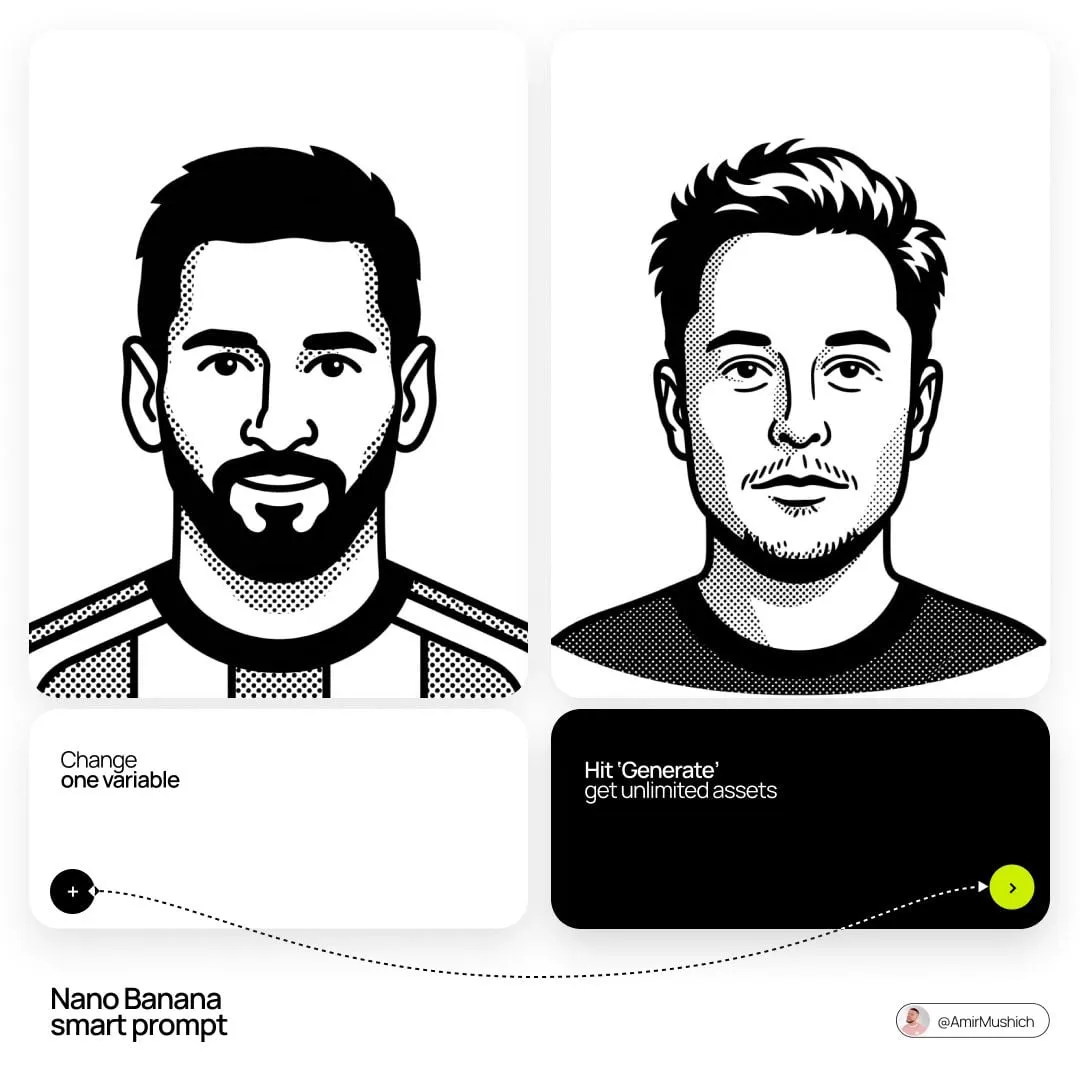
When a shot is close but not right, change one element — lighting, camera angle, wardrobe, environment — and regenerate. Changing five things at once produces a new shot that is different but not diagnosable.
Handle text in the edit, not the prompt
Video models still render lettering unreliably, and garbled text instantly destroys credibility. Prompt for clean, text-free surfaces and add headlines, labels, and interface text in the edit where you control spelling, font, and alignment.
Keeping Brand Consistency Across a Series
Lock the visual vocabulary
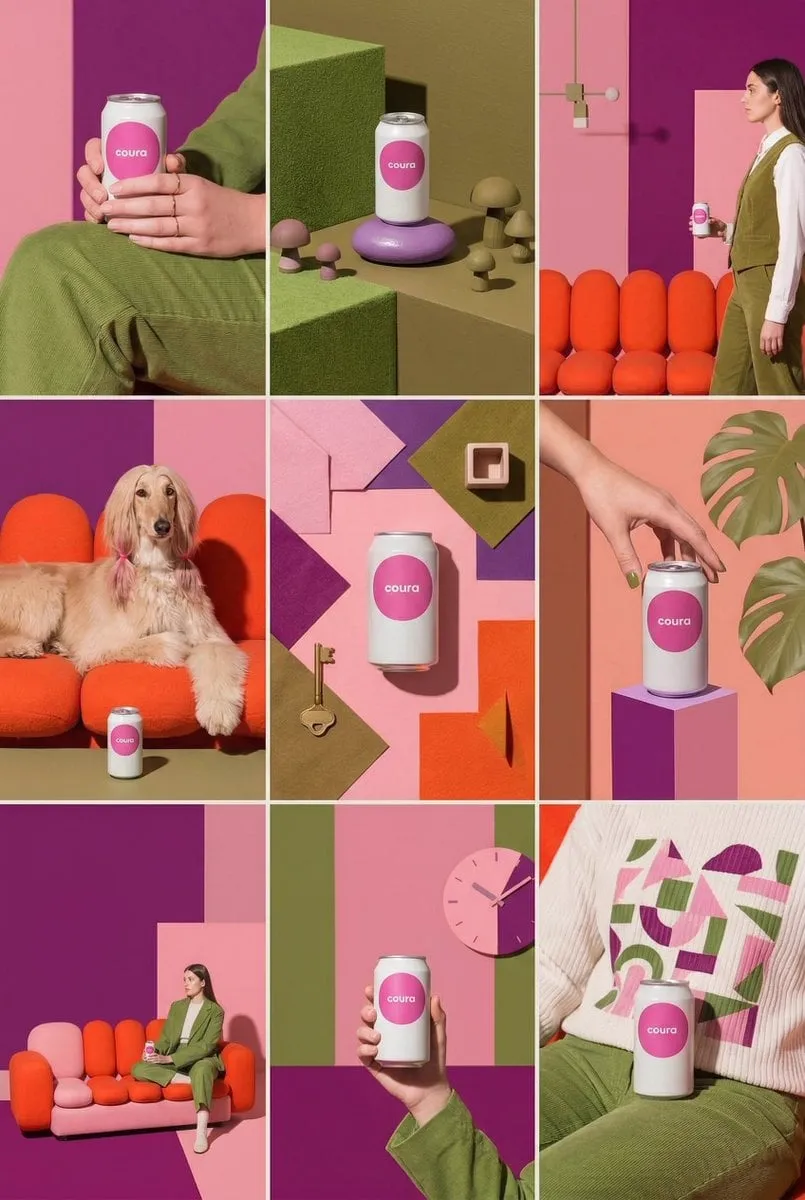
Write down your palette with specific color values, the direction your light usually comes from, the typical camera height, and the pace of movement you use. A one-page visual style sheet turns generation from guesswork into a repeatable process, and it is the fastest way to make ten videos look like they came from the same studio.
Consistent characters and voices
If recurring people appear across a series, keep reference images and reuse them rather than describing a person again from scratch. Do the same for narration: one voice, one pace, one pronunciation guide.
Build a reusable asset library
Store approved stills, generated clips, music beds, voice tracks, lower thirds, end cards, and transitions in a shared library with a naming convention that includes campaign, shot, version, and aspect ratio. Teams that skip this step regenerate the same background three times in a quarter and then wonder where the time went.
Review, Approval, and Compliance
Two-pass review
Run message review first, with marketing and the product owner, then run brand, legal, and compliance review second. Mixing them creates circular feedback where a legal note triggers a creative rewrite that triggers another legal pass. Use time-stamped comments on a shareable link so feedback attaches to specific moments instead of arriving as vague paragraphs.
Compliance checklist for B2B claims
- Substantiation on file for every performance number, percentage, and comparison.
- Written permission for customer logos, names, and quotes.
- Testimonial consent covering paid media use, not just the website.
- No real employee likeness used in synthetic scenes without explicit permission.
- Accessibility: captions, adequate contrast on text overlays, and no meaning conveyed by color alone.
- Regional review for markets with stricter advertising or data rules.
AI disclosure and asset provenance
Keep a lightweight record of which shots are synthetic, which model produced them, and which are licensed stock. Some buyers and some markets expect disclosure when synthetic people or voices appear. A short internal log answers that question in seconds and protects the brand if a clip is ever questioned.
Cost, Speed, and Quality Trade-offs
Three tiers of production
A test ad is roughly a page of script, stills animated into motion, synthetic narration, and captions. It exists to learn whether the message lands, and it should be cheap enough that nobody fights over it.
A campaign ad adds a small live shoot, professional audio mix, motion graphics, and three aspect ratios. This is the workhorse format for always-on demand programs.
A flagship ad is reserved for launches and events, where full craft, custom illustration, and a real director's eye are worth the spend.
Where to spend and where to save
Spend on script, voice, audio mix, and editing rhythm. These carry perceived quality in B2B more than image fidelity does. Save on B-roll, background plates, and anything visible for under a second. Buyers remember one clear claim, not the resolution of the third shot.
Mistakes That Waste the Most Time
- Choosing a tool before choosing a message. The tool choice then dictates the idea instead of the other way around.
- Cramming four value propositions into thirty seconds. Each one weakens the rest.
- Using synthetic close-ups of humans in trust-critical moments, then wondering why the response rate dropped.
- Ignoring the muted viewer so the entire argument lives in narration.
- Skipping captions, which cuts off a large share of feed viewers.
- Reusing consumer tone — urgency, hype, exclamation marks — with an enterprise audience.
- Exporting one aspect ratio and letting platform crops destroy the composition.
- No asset library, so every new video starts from zero.
- Leaving legal review until the end, when a single claim can invalidate the longest shot in the edit.
- Over-polishing a video aimed at a placement where most viewers leave after four seconds.
Repurposing One Master Into Many Placements
A single master ad is raw material, not a finished deliverable. From one 30-second cut you can derive a 15-second hook-only version for paid social, a 6-second bumper for retargeting, a vertical cut for mobile feeds, a silent version for autoplay environments, a subtitled version for regions with low audio tolerance, and a still frame or two for display and carousel creative.
Beyond advertising, the same footage feeds sales enablement decks, landing pages, onboarding emails, event loops, and customer story pages. Plan the derivatives before you generate, because it is far cheaper to render a shot with extra vertical headroom than to re-render the whole sequence later. If your team sells into several industries, build a variant matrix: same structure, swapped proof point, swapped B-roll, swapped on-screen statistics.
FAQ and Pre-Launch Checklist
How long should an AI-assisted B2B ad take?
A test ad can be scripted, generated, edited, and approved in two to four days with an experienced editor. A hybrid campaign ad with a half-day live shoot usually takes one to two weeks including review cycles. The variable is almost never rendering time; it is approval time.
Do we still need a professional video editor?
Yes, and it is the highest-leverage role in the workflow. Generation produces raw material. Pacing, timing, sound, captions, and restraint are what make it feel credible.
Can AI handle technical and regulated products?
Visuals can be generated around sensitive subject matter as long as claims come from approved language. For regulated categories, generate metaphor and environment rather than simulated product functionality, and let real screen recordings carry the technical detail.
Is synthetic footage acceptable in B2B advertising?
It is widely accepted for B-roll, environments, abstract concepts, and localization. It is riskier for close-up human trust moments. A common pattern is real faces, generated context.
How many variations should we ship?
Start with three distinct creative directions rather than ten minor tweaks. Test the message before optimizing the edit; variation on a weak concept produces weak data.
What about licensing and rights?
Confirm commercial usage terms for every model, stock clip, music track, and voice you use, and keep the receipts in one folder. Rights questions that take five minutes at production time can take five days at launch time.
Pre-launch checklist
- Message, proof, and call to action are visible in the first five seconds.
- Every claim is substantiated and approved.
- Captions burned in or attached, and checked for typos and line breaks.
- Audio mixed for both headphones and phone speakers.
- All aspect ratios reviewed for crop safety, especially text overlays.
- End card consistent with the rest of the campaign and compliant with local requirements.
- Synthetic assets logged, rights documented, source files stored in the shared library.
- A named owner for performance review after two weeks of delivery.
Speed in B2B video does not come from pressing generate more often. It comes from deciding what the ad is about before spending anything, generating in a controlled sequence, and treating editing, sound, and review as first-class stages. Teams that build this rhythm stop asking whether they can afford another video and start asking which message deserves the next one.
