
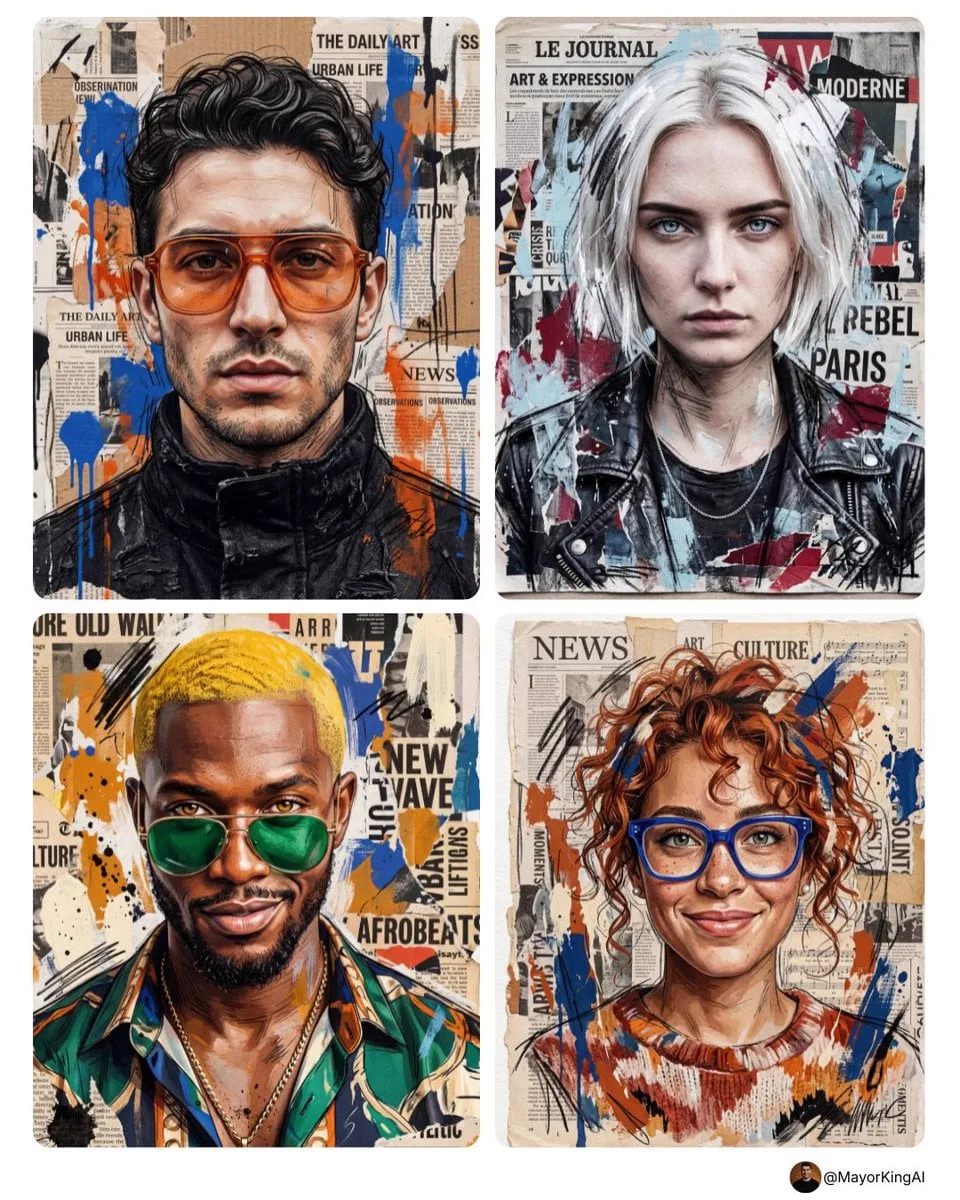
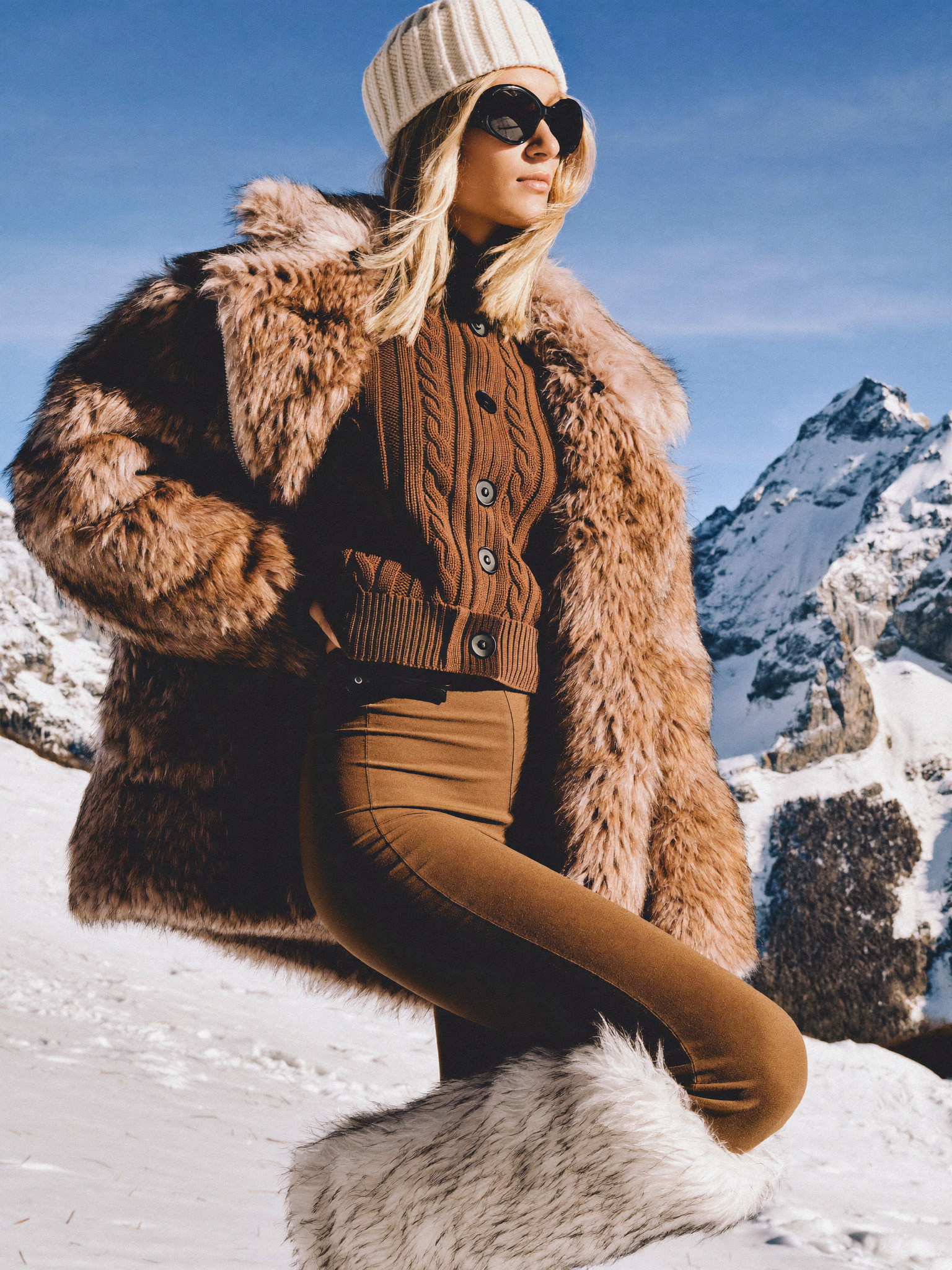
The world of AI image generation has moved fast
If you have opened any creative community or ad platform in the last twelve months, you have almost certainly seen images that are difficult to tell apart from photographs. Artificial intelligence image generation is one of the fastest-moving corners of generative AI, and in 2025 the gap between a stylized render and a genuinely photographic result has shrunk dramatically. Diffusion models and transformer-based architectures now handle lighting, skin texture, hair strands, reflections and perspective with a level of fidelity that would have seemed impossible only a couple of years ago.
The field is no longer experimental. These tools have become assets that studios, agencies and solo creators rely on every day, not just for single pictures but for entire video sequences that start from a still frame. This guide walks you through the current landscape of AI image generators, explains what separates high-end photographic models from animation-oriented ones, and gives you a practical framework for choosing the right tool for your specific production needs.
Why the tool you pick matters more than ever
Choosing an image generator is no longer about picking a model with pretty results. It is about matching the model to the job. A fashion brand might need photorealism with flawless product renders, a motion designer might need consistent characters across dozens of frames, and a gamer or animator might want a stylized, painterly look. Each of these goals rewards a different tool. Getting this right saves you hours of retouching and shields you from the painful process of trying to turn a stylized image into a photoreal one, which rarely works.
The quality bar has also changed user expectations. Users are no longer satisfied with plastic-looking faces or distorted hands. They expect impeccable imitation of light and material, and they grow frustrated quickly when a model cannot hold a subject consistent across multiple generations. In short, the modern conversation is not just about beauty but about control and consistency.
The evolution from static pictures to moving video
The most significant shift in the last year is that image generation has stopped being purely static. The same models and pipelines that produce a stunning still picture are now capable of extending it into a short animated loop or a cinematic sequence. This blurs the boundary between image generation and image-to-video generation.
Photorealism as the new default
Photorealism has become the baseline requirement rather than a premium feature. High-end models in the Sora, Runway Gen and Flux families produce images that hold up under close inspection, with correct anatomy, natural materials and believable environments. The leading engines tune specifically for cinematic production, giving directors and photographers a shortcut to studio-quality frames without a physical set.
The path toward animation
The path toward animation is really a continuum. Some models stylize a real-looking subject into a painterly image; others take a drawn input and animate it into a full sequence; still others do text-to-video directly. Deciding where on this continuum you need to be is the most useful question you can ask before buying into any tool.
Consistency across frames
Consistency is the hardest problem in this space. It is one thing to generate a great single image of a character, and quite another to generate the same character in dozens of scenes with the same face, clothes and proportions. Leading workflows now use multi-image references so that a subject stays recognizable across an entire sequence, which is the key enabler for serialized content.
Analyzing the leading models and their specialties
The market can be grouped into a few clusters. Rather than listing every name, this section focuses on the main families and what each one is really good at.
Premium cinematic engines
Models such as the Sora family, Runway Gen and Flux are the current premium picks for cinematic production. They combine strong photorealism with the ability to render complex motion and depth. If your deliverable is a polished commercial shot or a short film sequence, these are the tools to evaluate first. Their trade-off is higher resource usage and cost, and in some cases a learning curve around prompting language.
Asian-market leaders and scene control
Kling, Wan and Hailuo have earned a strong reputation, especially for advanced scene control and for features tuned to specific regional aesthetic expectations. They often ship very fast iteration cycles and a broad library of stylistic presets. If you need tight control over camera and scene details, these are worth strong consideration. In practice many teams keep one western engine and one eastern engine and switch based on the shot.
Specialist and experimental models
Beyond the headline players there is a long tail of specialized models for niche tasks: architecture visualization, product design, gaming assets, anime and stylized illustration. Many of these run on open-source foundations you can fine-tune yourself. If your use case is very specific, a specialist model often beats a general one, because its training data already matches your domain.
Platforms are the key to reliable output
A great model is only part of the equation. Platforms and orchestrators decide how reliably a model is deployed, how resources are managed and how you control the output. For professional work, a platform that bundles model management, prompt iteration and asset organization is worth far more than a raw model hosted in isolation.
The role of AI agents and directors
The most interesting development in 2025 is the rise of AI agents that act as a kind of director for the generation process. Instead of prompting one image at a time, you describe the creative intent and the agent coordinates the right models, applies style and maintains consistency across the project. This is a genuine productivity leap for anyone producing content in volume, because it moves the human from operating a machine to directing a team of tools.
Task queues and resource management
When you generate dozens or hundreds of frames, resource management decides whether you finish on schedule. Platforms expose task queues so batch jobs can run efficiently on GPU pools. Planning batches sensibly, pricing in retries and monitoring cost per frame keeps production predictable and prevents runaway spending.
Building a workflow that fits your project
Here is a practical framework you can adapt regardless of which models you end up choosing.
Step 1: Define the deliverable
Write down what you actually need: a single hero image, a consistent character set, a sequence of storyboard frames, or a finished short animation. This decision changes everything downstream.
Step 2: Pick two candidate models
Rather than evaluating ten tools, shortlist two: one strong on photorealism and control, one strong on style and iteration speed. Compare outputs on a small, representative test rather than on generic examples.
Step 3: Set up consistency
If the project needs repeated characters or scenes, prepare a character bible and collect clean reference images before you start. This pays off immediately when you begin generating multiple frames.
Step 4: Iterate in batches
Generate small batches, review them critically, and refine the prompt or reference material. Build your prompt vocabulary for the specific model, because each model responds to slightly different language.
Step 5: Keep assets organized
Give each generation thread a clear file structure: prompts, references, outputs, and final selects. This makes editing, licensing and reuse dramatically easier.
Comparing photorealism versus animation priorities
To choose well, it helps to separate the two dominant priorities.
Photorealism priorities
If photorealism is the goal, prioritize models with strong material rendering, correct anatomy and stable lighting. Test with skin close-ups, glass and water, since those reveal weaknesses fast. Motion that passes the eye test is a bonus, but the still frame is the primary deliverable.
Animation priorities
For animation, prioritize frame consistency and motion coherence. A gorgeous single stylized frame is useless if the character changes between shots. Look for models with proven multi-frame tools and reference support rather than raw pixel fidelity.
Common mistakes and how to avoid them
A few errors reliably cost people time and money.
Chasing results instead of control
Beginners often run the same prompt on five models and pick the lucky output. That does not scale. Invest early in learning one or two models deeply, including their prompting idiom and their failure patterns.
Ignoring consistency until too late
By the time you realize a character drifts across frames, you may have generated hundreds of unusable images. Set up references and a style lock before mass production, not after.
Overspending on retries
Retries are expensive. Use small test batches to lock the prompt, then run volume. Monitor cost per delivered asset and revisit the workflow if failure rates climb.
Frequently asked questions
Can AI image generators really match a camera?
For still frames, leading fully-rasterized models come impressively close to a camera for common portraits and landscapes. On complex material interactions or unusual lighting, skilled retouching is still often needed, so budget for post-processing.
Is photorealism always better than style?
No. Many brands get better engagement from a distinctive stylized look than from a generic photoreal one. The right answer depends on the brand and the medium.
Are these tools worth the cost for a small creator?
They can be, if you target output carefully and avoid wasteful retries. The cost per usable asset is often far below hiring a studio, especially once the workflow is dialed in.
Can I fine-tune open-source models myself?
Yes. Several strong open-source foundations support fine-tuning and can be tailored to a specific aesthetic or product line. This gives maximum control but requires more technical setup and maintenance.
How important is prompt engineering, really?
It matters, but its importance is fading as models become more forgiving. The bigger lever in 2025 is reference management and orchestrating multiple models rather than mastering a single prompt language.
A practical comparison to guide your choice
To make the decision concrete, it helps to think about the real trade-offs between a generalist and a specialist approach, and between an open workflow and a managed one.
Generalist versus specialist
A generalist model handles many styles competently and is great for teams with varied needs. The trade-off is that it rarely excels at one niche the way a specialist does. If your output is concentrated in a single niche, a specialist pipeline (product, architecture, anime) will outperform a generalist for that specific job. Many professional teams keep a versatile default model and bring in a specialist only for the shots that demand it.
Open workflow versus managed platform
An open workflow gives you total control and the freedom to fine-tune, but it demands engineering time and GPU management. A managed platform bundles model switching, reference management and task queues, trading control for speed. Most solo creators and small studios prefer the managed route because it protects their time; larger teams with dedicated engineers often run open pipelines to own the full stack.
Quality, speed, cost trade-off matrix
Before committing, score your shortlist on three axes: output quality for your use case, iteration speed, and cost per asset. High quality almost always costs more per generation, so define a baseline threshold you cannot drop below, then optimize for speed and cost within that constraint. This simple matrix prevents overpaying for quality you do not use and under-delivering where quality actually matters.
Practical examples in different industries
Seeing how others use these tools clarifies what matters in your own context.
A fashion e-commerce team
A fashion team generating product shots for a catalog needs consistent materials, accurate draping and believable studio light. They typically use a photorealistic engine with strong reference support, lock a style, and generate variations per product. The priority is fidelity, so they invest in material rendering quality.
A YouTube creator doing animated storytelling
A creator building an animated series needs a character to stay identical scene after scene. They lean on multi-image references and a stylized model, and they plan batches so the character look stays locked. For them, consistency far outweighs raw photorealism.
A game studio prototyping environments
A game team exploring level concepts needs fast, varied concept art. They prefer a fast generalist model and iterate quickly, accepting a lower fidelity bar in exchange for breadth and speed. They only escalate to a premium engine for final key art.
Final thoughts
The AI image generation field has matured into a set of production-grade tools that sit across a spectrum from strict photorealism to full animation. The winning approach is not to find one magical model but to build a clear workflow: define the deliverable, choose models for the specific job, lock consistency early, iterate in batches and keep assets organized. Understand your priority between pixel-perfect realism and seamless movement, and let that priority guide every choice you make.
Whether you are producing marketing assets, a short film, game art or product visualizations, the tools exist to help you move from concept to finished visual far faster than before. Spend your effort on the creative direction and on disciplined workflow, and let the models handle the heavy lifting.
