

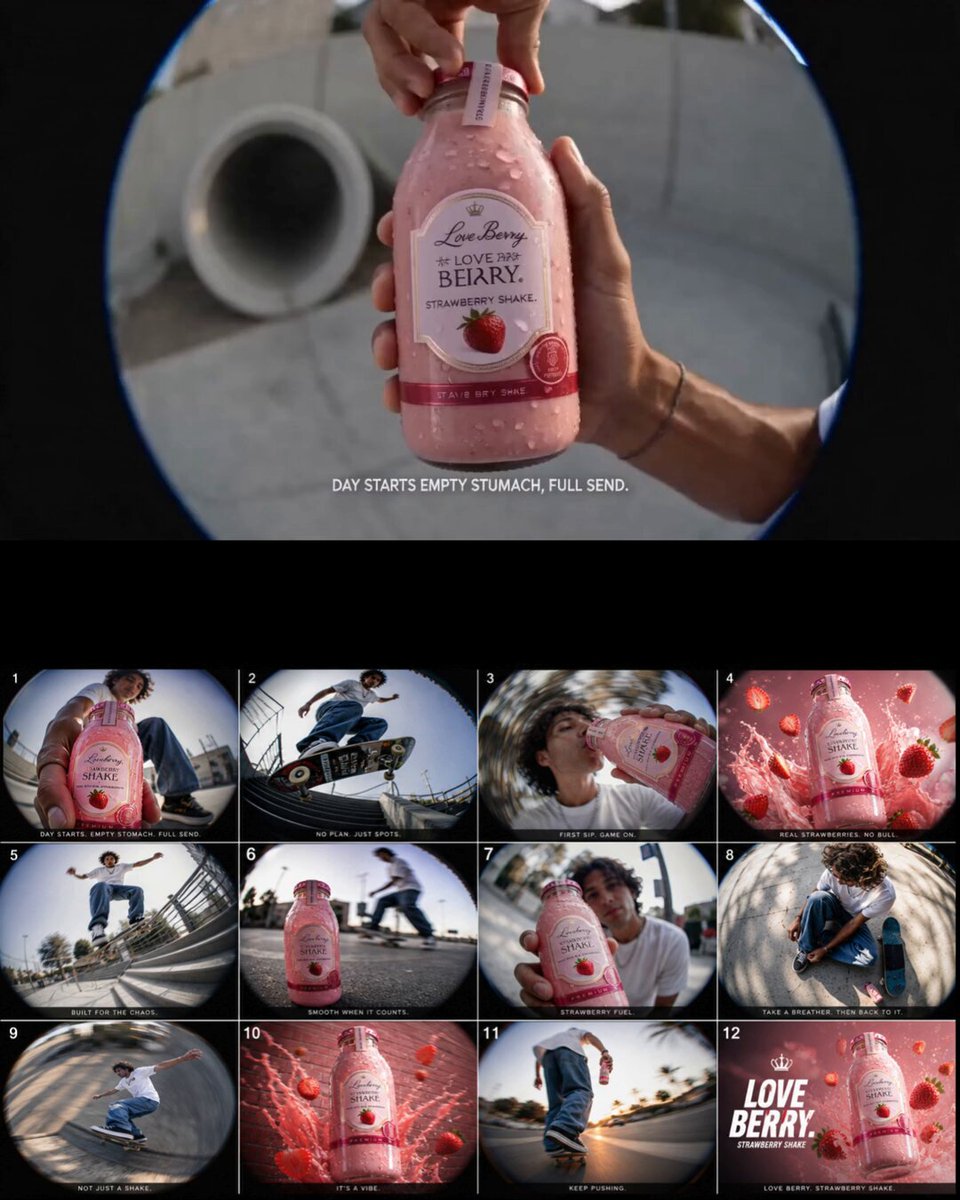
Every few months, the bar for what a computer can turn into moving images moves again. What started as crude, flickering clips has become footage that holds a steady light source, respects gravity, and keeps a character recognizable from one shot to the next. For creators, marketers, and small teams who could never justify a studio budget or a room of render nodes, this matters more than raw novelty. It changes which ideas are worth trying at all.
This guide walks through the tools that define the current landscape of AI video generation, the specific strengths and weaknesses of each, and the decision framework you can use to choose between them instead of chasing the latest headline. The goal is practical: by the end, you should have a shortlist that fits the way you actually work, whether you are making social clips, product demos, explainers, or concept reels for a client.
What Counts as a Good AI Video Generator in the Current Market
Not every tool that says "AI video" does the same job, and the fastest way to waste money is to judge them all by the same scorecard. Before comparing specific products, it helps to define the dimensions that actually separate them.
The first dimension is generation type. Text-to-video starts from a written prompt and invents footage from nothing. Image-to-video takes a static image you already have and animates it, which gives far more control over the subject, the composition, and the look. Some tools also support video-to-video, which restyles or extends an existing clip. They serve different jobs, and a tool that excels at one can be mediocre at another.
The second dimension is visual consistency. The hardest technical problem in this field is not making a pretty frame; it is making a person, a location, or an object look the same across many seconds and many shots. Tools that integrate character references or "multi-image fusion" style features solve this with source imagery, while others drift as soon as the camera changes angle.
The third dimension is controllability. The best prompt in the world is useless if you cannot steer camera motion, shot duration, pacing, and subject placement. Tools like Runway give you timeline-like controls and keyframes; others treat everything as one free generation. For anything beyond a single throwaway clip, controllability matters more than raw realism.
The fourth dimension is practical throughput, which includes render time, resolution limits, and how the billing works per generation. A tool that produces gorgeous stills but fails on every third job will cost you time and frustration even if each frame is flawless.
Fourth is the ecosystem: whether the tool plays well with your editing software, whether you can iterate on the same seed or reference image, and whether the outputs are licensed for commercial use without additional headaches.
Keep these five dimensions in mind as you read the breakdowns below.
The Cinematic Tier: The Tools Aiming for Feature-Grade Realism
At the top end of the market, a handful of models are chasing the same prize: footage that an audience cannot immediately identify as synthesized. The brand that pushed the entire field forward in this direction is OpenAI's Sora. When it became broadly available, it redefined expectations for long, temporally coherent clips — shots where the physics follow the action, where reflections behave, and where a single scene can run for many seconds without warping into a nightmare. Sora's strength is narrative and physical plausibility. Its trade-off is that it is less deterministic: you are influencing an agent rather than commanding a machine, so iteration becomes a conversation with the model rather than a precise instruction.
Runway Gen-4 sits in a similar tier but takes a different philosophy. Runway is built for production-minded users. It offers a timeline-based editor, keyframing, motion brushes, and a video-to-video engine that lets you restyle existing footage. That makes it excellent for professionals who want to integrate generated segments into an actual edit rather than treat the model as a stand-alone trivia generator. Its image-to-video and control features are among the most granular in the industry.
Luma Dream Machine and the Ray line, and the family of tools around it, emphasize short, fast generations with strong motion quality. Where Sora and Runway lean toward cinematic control, Luma-focused users often value speed and spontaneity for social content where a perfect frame matters less than a good idea executed in twenty seconds.
The common denominator across this tier is that they are best for hero shots, concept visualization, and anything where visual believability is the point. They are heavier on iteration time and often on cost per generation.
The Value Tier: Fast, Reliable, and Built for Volume
Not every project needs feature-film physics. For social-first creators, ads, and internal mockups, throughput and reliability often beat raw realism. This is the tier where most of the practical work happens.
Runway, despite its pro aspirations, also operates here with its fast modes. Tools like Pika, meanwhile, were built from the start for playful, action-oriented short clips — surfing cats, melting buildings, spinning props — that thrive on viral platforms. Pika is not trying to out-cinematograph Sora; it is trying to give a bored audience something to watch and share. Its controls for specific visual effects are approachable and its turnaround is quick.
Kling AI, from the Kuaishou team, emerged as a major value contender. It delivers impressively consistent character motion and handles longer clips than many western rivals at a competitive price point. A common workflow for indies is to use Kling when they need a full animated sequence with a stable protagonist and reserve more expensive tools for a handful of hero shots.
PixVerse is another strong value option, especially popular with users who want clean, stylized output and simple prompt-to-video with minimal tweaking. It tends to produce tidy, commercial-looking results that slot easily into brand content, and its straightforward pricing makes it a low-risk starting point for teams on a budget.
The pattern across this tier: pick a tool that matches the motion style you produce most often, and do not overpay for features you will not use on ninety percent of jobs.
The Standalone Image and Motion Tools Worth Knowing
Several models that live partly in the image-to-video and image generation world deserve a mention because they solve adjacent problems beautifully. Flux, for example, is an image model with exceptional prompt adherence. In a pipeline where you first generate a reference image and then animate it, the quality of that first step determines everything downstream. A strong image generator is arguably more valuable than a flashy video model if your workflow is image-first.
Similarly, tools like Vidu and the open-source family (AnimateDiff and friends) occupy the specialist and budget niche. Vidu has shown strong character consistency for stylized animation, while open-source options give developers full control, offline capability, and zero per-generation cost — at the price of setup complexity and a steep learning curve for the infrastructure, often requiring a beefy local GPU or cloud instance.
How Character Consistency Changes What You Can Build
The single most useful advance in 2025-era video generation is reliable character consistency. Early tools could give you a dragon in shot one and a different dragon in shot four. Now, several models let you lock a character or object to a reference and keep it recognizable across a scene.
This unlocks narrative work that was previously impossible without hand-drawn or motion-capture production. You can write a short film where the same protagonist moves through multiple environments. You can produce a branded explainer where the mascot never changes shape. You can shoot a product b-roll where the hero item is the same item in every angle.
The practical trick is that consistency is not automatic: you get the best results by providing clean, front-facing source images with the subject unobstructed, generating a large number of variations, and choosing the seed or reference that the model generalizes best. Teams that treat consistency as a deliberate part of their prompt design, rather than a hope, get dramatically better results.
Audio and Post-Production in the Same Pipeline
Good video is never just the footage. The gap between "impressive clip" and "finished piece" is filled by voice, music, and edit. The most useful set-ups bundle generation with an editor instead of forcing you to hop between ten tabs.
A strong audio layer can be synthesized in parallel: a text-to-speech voice for narration, procedural or AI-generated background music that follows the mood, and sound-design foley generated or layered to match the action. Video generators increasingly ship with or connect to these companion tools, and the workflows that produce consistent results treat audio as a first-class citizen rather than an afterthought.
Real-World Workflow Recommendations
If you are starting completely fresh and want the single most forgiving entry point, begin with a model that supports both text-to-video and image-to-video, offers a free tier, and has a large community you can learn from. That combination ensures you can experiment without risk and find tested prompts for your use case.
For social-media managers shipping multiple clips a week, optimize for throughput and template-ability: use value-tier tools, standardize on a reference-image workflow, and set up reusable prompt templates so your team is not reinventing the prompt for every post.
For filmmakers and concept artists, prioritize controllability and consistency. Invest time in understanding keyframing, motion references, and character locking in a cinematic-tier tool, and treat it as the expensive centerpiece of a pipeline that leans on value tools for the volume of pre-visualization.
For e-commerce and product teams, image-to-video is the workhorse. Generate clean product shots first, then animate subtle camera moves. This gives you a consistent catalog of motion-ready assets with minimal risk of visual drift.
A Practical Comparison Cheat-Sheet
To make the decision less abstract, here is a rough way to map tools to typical jobs:
- Cinematic hero shot, long temporal span, maximum realism: Sora.
- Production-integrated editing, keyframes, video restyle: Runway.
- Playful or action effects for social virality: Pika.
- Long clips with strong character consistency at value pricing: Kling.
- Clean, stylized, hands-off commercial output: PixVerse.
- Scene-length narrative where a protagonist must persist: a consistency-first model with reference locking.
- Budget or offline pipeline with full control: the open-source path.
None of these are universal truths that hold forever — the field moves so fast that any ranking is a snapshot. Treat the table as a starting hypothesis and rerun a small test battery whenever you evaluate new tools for a production.
Building Your Own Mini Test Battery
Instead of trusting review rankings, design a ten-minute test that mirrors your real workload, then run every candidate through it. A good test battery includes:
- a short narrative prompt with a clear protagonist;
- an image-to-video job from one of your own reference images;
- a motion-heavy action prompt;
- a scene with a light source, a reflection, and a moving camera to stress physics;
- and a render-time comparison plus a cost-per-generation check.
Score each tool on consistency, adherence to the prompt, motion quality, and turnaround. Do that twice with two different prompts so you are not over-fitting to a single lucky generation. This produces a comparison you can actually stand behind, because it was built on your footage and your constraints rather than someone else's highlight reel.
The Bottom Line
The era of treating AI video generation as a gimmick is over. These tools are now reliable enough to be a normal part of a production workflow, and the real differentiation is no longer "does it work" but "does it fit." Choose based on the kind of footage you make most, the level of control you need, and the consistency your characters and products demand.
Start small, standardize your reference images, build a test battery, and let the specific results guide your choice. The best AI video generator is not the most hyped one — it is the one that survives contact with your real workload and keeps producing footage you are proud to ship.
Frequently Asked Questions
Do I still need a traditional video editor? Yes. Most workflows are hybrid: you generate individual clips or segments and assemble, cut, and score them in a conventional editor. The generators create the raw footage; the edit is where it becomes a story.
Which tool is best for total beginners? Start with a value-tier, image-to-video-first tool that has free usage and a big community. Reliability and easy iteration matter more than hitting maximum realism on your first attempt.
Can I use AI video for commercial projects? In most cases yes, but read the specific license for the tool you choose. Terms differ on ownership, watermarking, and whether you can use outputs in paid client work.
How do I keep a character consistent across shots? Provide clean reference images, generate variations, and choose the source that the model generalizes best. Consistency features get you partway, but deliberate reference design gets you reliable results.
