


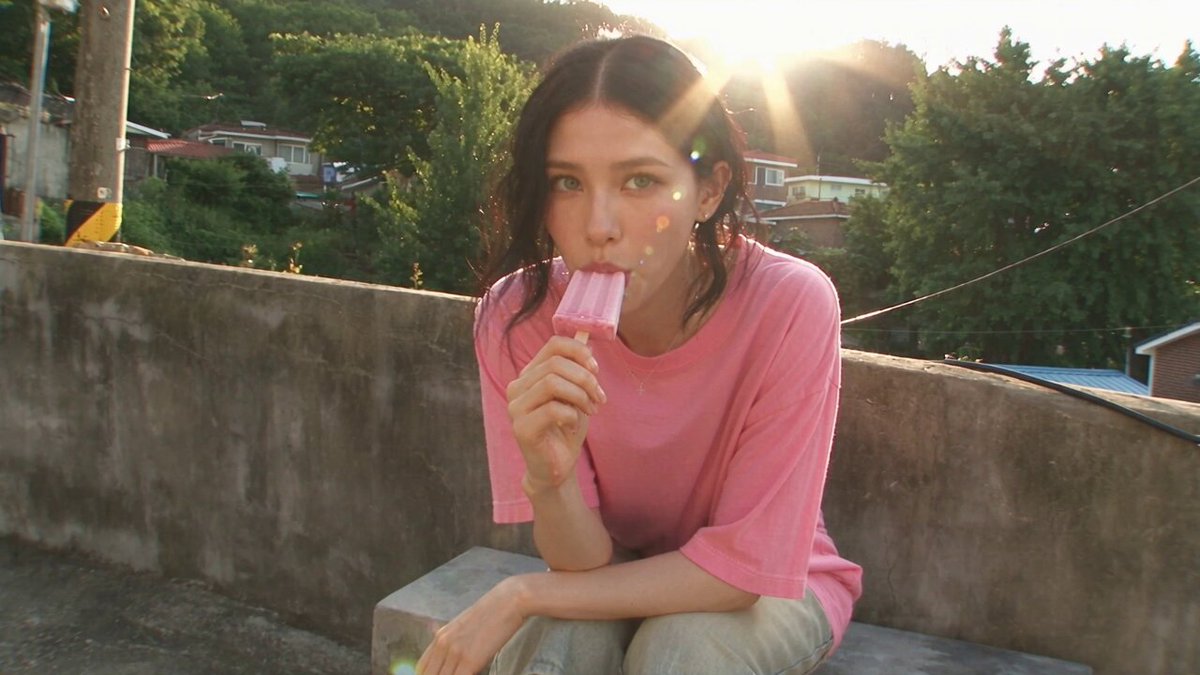
The best AI video platforms in 2025 have moved far beyond simple text-to-video tricks. The new benchmark is cinematic quality: the ability to turn a still image into a moving scene that looks like it was shot by a professional crew. The technology driving this shift is image fusion, which lets creators control characters, style, and motion with reference images instead of hoping a prompt comes out right. This guide walks through the current landscape, how to pick a platform, and how to build a practical workflow.
How AI video generation evolved: from pure text to reference-based synthesis
For years, the standard workflow was text-to-video: type a description, press generate, and hope. The results improved steadily, but they were fundamentally uncontrolled. You could describe a character, but not guarantee the character looked the same in the next clip. You could ask for a specific style, but the model might drift toward something generic.
Image-to-video changed the starting point. Instead of describing a scene, you provide an image that defines it. The model animates what it sees: a photo becomes a moving shot, a product render becomes a rotating showcase, a character design becomes a performance.
The latest evolution is multi-image fusion. Rather than a single reference, you provide several images that define the character, the environment, or the style. The platform builds a unified visual identity and applies it across scenes. This is the capability that makes cinematic storytelling practical with AI.
What makes a platform cinematic in 2025
Cinematic quality is not one feature. It is a combination of capabilities working together.
First, photorealistic generation. The platform must render skin, fabric, light, and shadow convincingly. Models like the latest from Flux, Runway, and OpenAI Sora have set the standard for realism, and any serious platform gives you access to these engines.
Second, temporal consistency. A cinematic video is a sequence of frames that reads as one continuous shot. Platforms that maintain character and environment consistency across frames produce footage that feels filmed, not stitched together.
Third, camera control. Real cinematography is about camera movement: dolly shots, crane shots, pans, and zooms. The best platforms let you specify or emulate these movements, or use keyframes to define the start and end of a motion.
Fourth, audio integration. Silent video feels unfinished. Platforms that generate or integrate music, effects, and voiceover let you deliver complete pieces without leaving the ecosystem.
Image fusion: the heart of visual consistency
Image fusion technology has moved from a bonus feature to a fundamental requirement for professional AI video production. The core problem it solves is visual drift: the subtle, distracting changes in a character's appearance that plague single-prompt generation.
The mechanism works like this. You upload several reference images of your subject, taken from different angles or showing different details. The system extracts the stable characteristics, builds a unified representation, and uses it as a constraint for every subsequent generation. Faces stay recognizable, clothing stays consistent, and even props and environments maintain their identity.
The impact on character and style consistency is dramatic. For a series of videos featuring the same host, mascot, or product, image fusion is the difference between a coherent campaign and a collection of random clips.
Case study: building a short film sequence with fusion technology
Imagine you want to create a three-scene short film with a single protagonist. Scene one: the character walks through a city street at dusk. Scene two: a close-up of the character reacting to something off-screen. Scene three: the character enters a dimly lit room.
Without image fusion, each scene would generate a different-looking person. The face would shift, the jacket color would change, the hair would morph. The film would fall apart.
With image fusion, you first create the character sheet: three or four reference images of the protagonist. You attach that identity to every scene generation. The platform keeps the face, build, and wardrobe consistent while varying the environment, lighting, and action.
The result is a sequence that holds together. Each scene is individually impressive, but more importantly, they read as one continuous story with one continuous character.
The technical foundation that separates good platforms
Behind the interface, a serious AI video platform runs on serious infrastructure. The technology stack matters because it determines reliability, speed, and capacity.
A modern platform is typically built on a robust backend with a well-structured data layer and an efficient task management system for GPU jobs. What this means in practice: your generations queue properly, you get results back in reasonable time, and the platform can handle many concurrent users without collapsing.
Look for platforms that expose their task system clearly. Can you see the status of your generation? Can you cancel a job? Can you batch multiple jobs? These operational details matter more than marketing slogans.
Data management is equally important. Your reference images, generation history, and project files should be organized and accessible. A platform that treats your assets as a library, rather than a disposable queue, is built for professionals.
Navigating the model library and cost structure
The best platforms aggregate many models under one roof, and the cost structure reflects that diversity. Understanding how to navigate it saves you money and frustration.
Premium generation models deliver the highest fidelity. They are ideal for hero content: product launches, brand films, portfolio pieces. Budget accordingly, because they consume more resources per generation.
High-performance models offer the best balance of quality and speed. They are the workhorses for social media content, ad variations, and iterative creative development. Most of your daily work should happen in this tier.
Efficient and specialized models fill the gaps. Some are optimized for anime or illustration styles, others for fast prototyping. For budget-conscious creators, these models provide real value, especially in the early stages of a project when you are exploring directions.
A smart strategy is to prototype cheap and finalize premium. Explore your creative options with efficient models, then commit to the premium model once the direction is locked. This approach maximizes quality per unit of cost.
Building a practical workflow with image fusion
The workflow has four phases: reference setup, testing, production, and delivery.
In the reference setup phase, create a character or product sheet. Gather multiple images from different angles with consistent appearance and lighting. This asset becomes the foundation of every project involving that subject.
In the testing phase, generate a continuity test. Produce two or three shots with the same reference set and review them for drift. Fix the references before you invest in full production. This phase costs a little and saves a lot.
In the production phase, generate the actual shots. Use the same reference set, vary the scene descriptions, and choose the model tier appropriate for each deliverable. Keep a log of what worked.
In the delivery phase, edit the footage, add audio, and export. If the platform offers integrated editing and sound tools, use them to keep everything in one place.
How to choose the right platform for your needs
Start with your content type. Short-form social content demands speed, templates, and audio integration. Brand and product content demands photorealism and consistency. Narrative film demands camera control and character continuity.
Match the platform's strengths to your needs. Test the candidate platforms with a standard project, not with their demo prompts. Generate the same scene on each, compare consistency, speed, and ease of use.
Consider the ecosystem. A platform with a strong creator community, tutorials, and shared resources will accelerate your learning. A platform with an API will let you automate workflows as your volume grows.
Finally, check the commercial terms. Can you use the output commercially? What are the licensing conditions? For agencies and brands, these questions are non-negotiable.
Common mistakes when adopting AI video platforms
The most common mistake is subscribing to everything. A focused stack of two or three platforms, mastered deeply, outperforms a dozen tools used shallowly.
The second mistake is skipping reference setup. Creators who upload one image and expect consistency are disappointed. Invest in the reference phase.
The third mistake is ignoring the cost structure. Generating everything with premium models burns budget fast. Match the model tier to the deliverable.
The fourth mistake is neglecting audio. A platform that generates visuals but not sound leaves half the work undone. Choose tools that integrate audio from the start.
The fifth mistake is expecting zero iteration. AI video, even at its best, is an iterative medium. Plan for revisions and build them into your timeline and budget.
The future of AI video platforms
The direction is clear: more control, more consistency, more integration. Context windows are growing, which will make character memory across entire projects easier. Model specialization will continue, giving creators even more precise tools for specific aesthetics and motion types.
The platforms that win will be those that combine a diverse model library with strong consistency features and a reliable production workflow. The technology is already good enough for professional work; the remaining progress is about control and ease.
A side-by-side evaluation framework
When you narrow the field to two or three candidate platforms, run a structured evaluation instead of comparing feature lists.
Prepare a standard test kit: the same character reference set, the same scene prompt, and the same product shot. Run the identical test on every candidate. Evaluate on a simple scorecard with five criteria, each rated one to five: photorealistic quality, character consistency across three shots, speed from submission to result, ease of the reference setup, and integration with editing and audio tools.
Add a cost dimension separately. Run the same batch of ten generations on each platform and record the resource consumption. The platform with the best quality-to-cost ratio is not always the one with the cheapest entry plan.
Finally, test the operational experience. Cancel a job, check generation history, and export a completed project. These mundane actions reveal whether the platform is built for professionals or for casual experimentation. A platform that frustrates you during a simple export will be painful during a forty-scene production.
When to use a single platform versus a mix
There is no rule that says you must use one platform. Many creators keep a primary platform for most work and a secondary one for specific capabilities.
Use a single platform as your home base when one ecosystem covers the full pipeline: generation, editing, audio, and asset management. The benefit is consistency and speed; you never convert files or re-enter prompts between tools. This setup suits creators who value workflow over raw power.
Use a mix when specific models matter more than convenience. If the best photorealistic engine lives on platform A and the best stylized engine lives on platform B, it makes sense to use both. The cost is extra coordination: you must keep reference sets synchronized and manage output across two systems.
A hybrid pattern works well for agencies: standardize the delivery workflow on one platform, but allow the creative team to prototype on specialized engines elsewhere. The key is to keep the reference library and naming conventions consistent so that switching platforms does not break the pipeline.
Building your reference library from day one
The most valuable asset you will accumulate is not the generated video, but the reference library that makes consistent generation possible.
Start a folder per subject: characters, products, environments. For each, collect high-quality images from multiple angles with consistent appearance. Add a text file with the canonical description: the key traits that must never change. This file is the source of truth for every prompt that involves the subject.
Version the references. When a character changes appearance, create a new version of the sheet instead of overwriting the old one. This lets you reproduce older looks when a client asks for them.
Store the winning prompts and settings with each reference set. The combination of references, prompt, and settings is what actually produces a reproducible look. Without the metadata, you will rediscover the same settings through trial and error every time.
Invest the time to build this library early. It is the difference between starting every project from zero and starting from a proven foundation.
Integrating platforms with your existing tools
An AI video platform should not be an island. The best results come from integrating it with your existing creative tools.
For editors, look for platforms that export standard video formats and, ideally, provide project files that map cleanly into your editing timeline. For designers, the ability to import reference images directly from your design tool shortens the loop. For teams, shared workspaces with roles and approval flows keep the review process organized.
Automation matters as volume grows. If the platform offers an API, build small scripts for repetitive batches: generating variants, resizing exports, or logging generation metadata. Even ten minutes of automation per week adds up over a year.
The integration goal is a pipeline where the platform handles generation and your existing tools handle everything else. The less friction at the boundaries, the more time you spend on creative decisions.
FAQ
What is the difference between image-to-video and image fusion? Image-to-video animates a single reference image. Image fusion combines multiple reference images into a unified visual identity that can be reused across scenes and projects.
Do I need expensive equipment to use these platforms? No. Generation happens in the cloud. You need a decent internet connection and a browser, plus a computer capable of editing the final video.
How many reference images should I use for a character? Three to five well-chosen images from different angles, with consistent appearance and lighting, is a good starting point.
Can I use AI video platforms for client work? Yes, but check the commercial terms of each platform. Most professional platforms allow commercial use; the details vary, so read the license.
Which models should I use for social media content? High-performance models that balance quality and speed are usually the right choice. Reserve premium models for hero content and key brand moments.
