
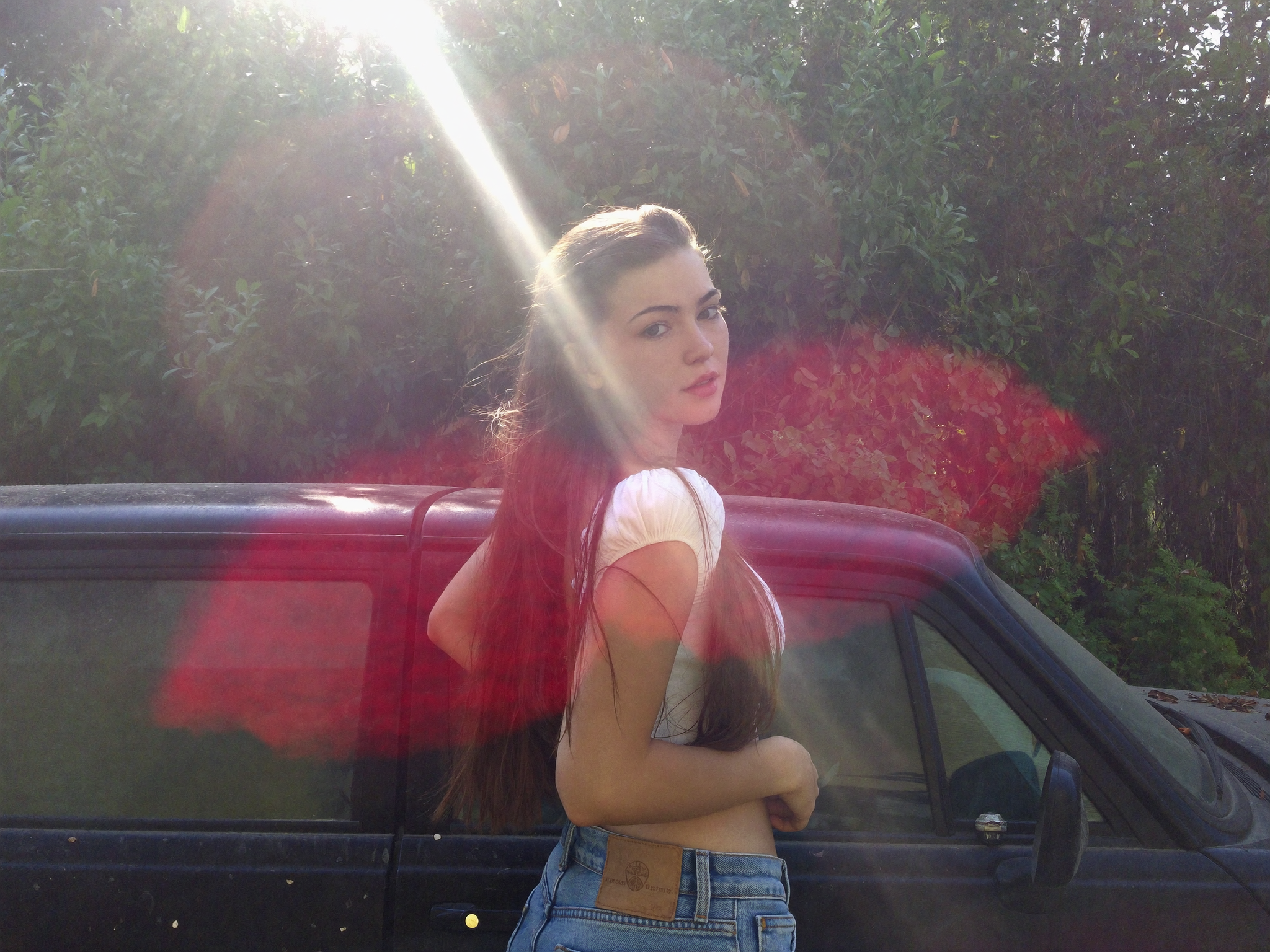
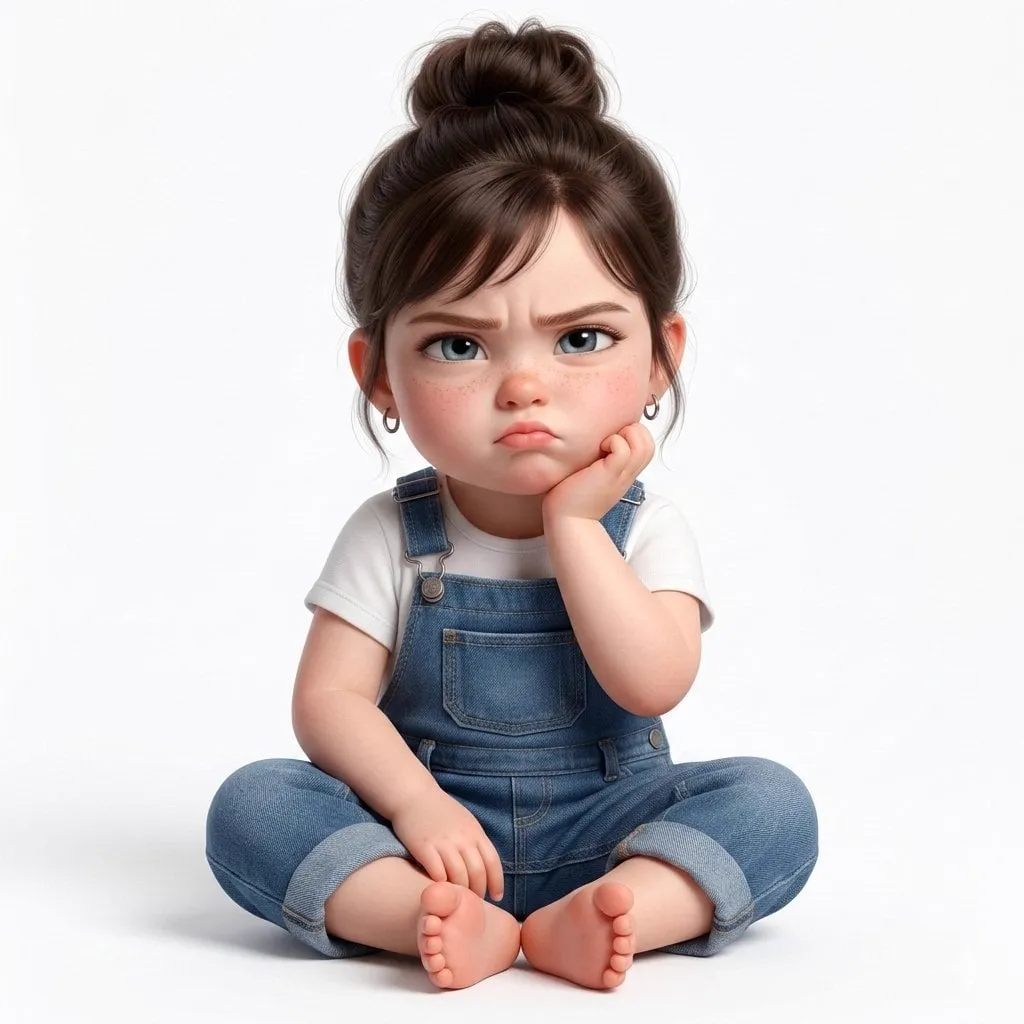
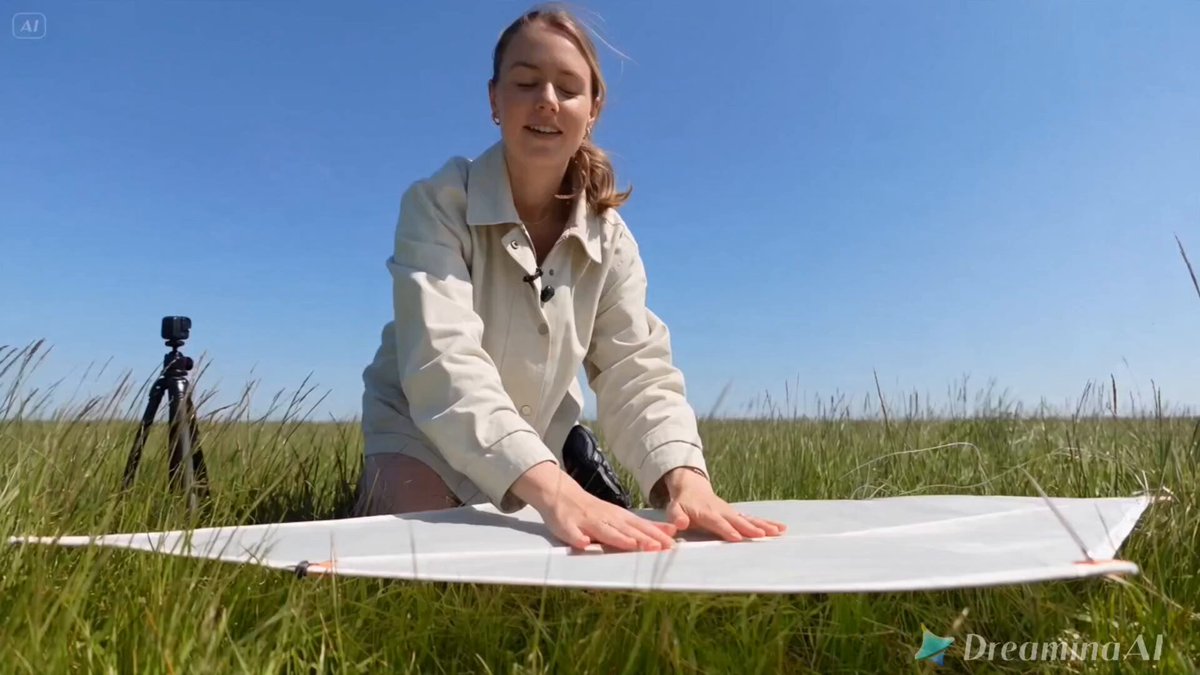
One of the most persistent frustrations in AI video has been the character problem. You generate a striking clip of a protagonist, then try to show that same person in the next scene and their face changes, their clothes shift, and the audience notices the break instantly. For years this made AI video feel like throwaway material rather than a serious production tool. Multi-image fusion changes that. It locks a character's identity across scenes and turns character consistency from a lucky accident into an engineering guarantee. Here is how it works and why it is becoming the new standard.
The character consistency problem, explained
Whenever you ask a model to generate a person, it invents an identity from the description. Describe the same person twice and you'll get two similar-looking but technically different people. In a single clip the audience may not notice. Across multiple scenes in a narrative, the inconsistency breaks immersion and signals that the production is synthetic.
The problem grows when you build series, mascots, product campaigns or any content where a recognizable character is meant to recur. Human viewers are exquisitely sensitive to faces. Even small changes read as "wrong," which undermines the professionalism of the entire output.
Why AI video needed a character solution
As video models have matured, output quality has climbed dramatically. Models can now produce photorealistic results and complex motion sequences. But the better the model, the more obvious a character break becomes. There is no point achieving cinematic realism in one scene if the following scene features a stranger.
This is why consistency has become the dividing line between hobbyist experiments and professional workflows. Companies are no longer investing only in short viral clips; they are building full narratives and digital character icons that must survive across many productions. That demand is exactly what drove the development of dedicated consistency techniques.
What multi-image fusion actually does
Multi-image fusion is a method that combines visual information from several reference frames to steer generation. Instead of describing a character's entire appearance from text in every prompt, you provide reference images that anchor the identity.
The model learns from those references which facial features, colors, textures and proportions belong to the character. When it generates a new scene, it preserves those elements even as the angle, pose, lighting and background change.
The role of reference frames
Reference frames are the foundation. The more representative they are, the more reliable the consistency. Good references show the character from multiple angles with consistent styling, which gives the model a complete picture of the identity to preserve.
Semantic and visual anchoring
Modern fusion approaches work on two levels. Semantic anchoring keeps conceptual traits consistent: the same character concept, wardrobe and personality markers. Visual anchoring keeps the pixel-level look consistent: skin tone, facial structure, hairstyle. Together they cover both "who" the character is and "how" they look.
How character consistency elevates production quality
With reliable consistency, the entire creative process changes. Productions that previously felt fragile and disposable become buildable.
Building narrative, not isolated clips
When the same character can appear across many scenes, you can plan an actual story. A protagonist can move through settings, react emotionally and appear from many camera angles without breaking identity. This unlocks real narrative work.
Creating reusable assets
A consistent character becomes a reusable asset. Once you establish the identity, you can spin it across episodes, platforms, formats and campaigns. Your character works like a piece of intellectual property rather than a one-time render.
Involving non-technical collaborators
Consistency also makes the pipeline more approachable. When identity is anchored and preserved automatically, directors, writers and brand managers can collaborate without deep technical knowledge. The vision stays in control.
A practical workflow for consistent characters
Getting good results is a repeatable process. Here is a clear sequence to follow.
- Design the character's identity thoroughly before generating scenes: overall look, key features, wardrobe and personality cues.
- Produce a set of strong reference frames showing the character from multiple angles with consistent styling.
- Load those references into your workflow so every new scene is anchored to them.
- Write scene prompts that keep the character at the center, adjusting only pose, emotion and setting.
- Review generated frames against the references and correct drift early rather than late.
- Reuse the same reference set across the entire production to guarantee continuity.
Manage drift with checkpoints
Even with fusion, minor drift can accumulate scene by scene. Build checkpoints into your process where you compare recent output against the reference frames and regenerate any scene that has wandered off. This keeps the character on-model across long productions.
When character consistency matters most
Some use cases depend almost entirely on consistency.
- Web series and episodic content where the same characters appear repeatedly.
- Brand mascots and spokescharacters that must be instantly recognizable.
- Product and advertising campaigns that feature the same model or a recurring visual identity.
- Interactive and audience-driven content where users follow specific characters.
- Educational and explainer content that uses a host or guide figure across many lessons.
Common mistakes to avoid
- Using inconsistent or low-quality reference frames. Bad anchors cause bad results.
- Relying on text-only descriptions. Reference images are far more reliable for identity.
- Reviewing only single frames instead of comparing across scenes.
- Fixing drift late in the process when it is harder and more costly to correct.
- Forgetting that lighting and context still need to be controlled deliberately.
Frequently asked questions
Does multi-image fusion work with any character style?
It works best with clearly defined, consistent identities. Stylized and real human-like characters both benefit, but you need good reference frames either way.
Is it only for characters, or can it apply to objects and products?
It applies to any recurring visual identity, including products, mascots, environments and logos. Consistency is useful whenever the same element must reappear across scenes.
Does this require expensive equipment?
No. The technique depends on good reference material and the right workflow, not on heavy hardware. Most capable platforms offer these controls to individual creators.
How do I know if my character is drifting?
Compare output frames against the reference set at regular checkpoints. Subtle differences in facial structure, clothing or styling that accumulate are early signs of drift.
Choosing and preparing reference frames
The quality of your references directly controls the quality of your consistency, so it is worth getting them right.
Capture or generate the character from several angles: front, three-quarter and profile, with consistent styling throughout. Include close-ups for facial detail and full-body shots for proportions and wardrobe. Make sure lighting is even so the model can read the features clearly. The more complete and consistent your reference set, the more reliably the character survives new scenes.
Keep references current
If the character evolves, update the references along with it. A character that gains a scar, changes hairstyle or adopts a new outfit should be reflected in the reference set before those traits appear in new scenes. Stale references are a subtle cause of drift that many teams overlook.
Pairing consistency with deliberate direction
Consistency is necessary but not sufficient. A character that stays identical while the scene feels static still fails the audience. The real craft is combining a stable identity with deliberate direction: emotion, pose, camera movement and narrative rhythm.
When you anchor identity, you free up attention to direct everything else. You can push a character through a wider range of expressions and situations because you trust that the face won't break. Consistency is the foundation that makes expressive, varied storytelling possible without risking a jump-cut identity.
Integrating consistency into larger teams
When several people generate scenes, consistency can break because everyone uses different references. A shared, canonical reference set prevents that.
Treat the reference set as a versioned asset the whole team uses, and document the rules for regenerating or updating it. Fold consistency checkpoints into the review flow so characters are verified against references before a scene is approved. This turns character consistency from an individual habit into a team standard, which matters as soon as a project has more than one pair of hands on it.
Limits and honesty about the medium
While multi-image fusion raises the bar for coherence, it is not magic. Very long productions, complex action or extreme angle changes can still stress consistency. Accounting for those limits, rather than ignoring them, produces more reliable work.
It is also worth deciding whether to be transparent about using AI. When viewers know that a character is a deliberate digital asset, they often evaluate it on different terms. In many projects, an honestly managed AI pipeline earns more trust than an attempt to hide it.
A final workflow summary
- Build a complete, consistent reference set before generating scenes.
- Anchor every new scene to those references.
- Keep the character stable but direct pose, emotion and camera deliberately.
- Check for drift at regular checkpoints and correct early.
- Share and version the reference set so teams stay aligned.
- Update references when the character evolves.
Woven into a production, these steps give you the consistency that separates polished series from one-off experiments, and they hold up as projects grow in scope and team size.
Frequently asked questions
Can I use multi-image fusion with footage I already have?
Yes. As long as you can extract or recreate reliable reference frames for the recurring element, you can use fusion to keep it consistent in newly generated scenes.
Does consistency work for fully synthetic, stylized worlds?
It works especially well there, because you control the visual system from the start. Fusion simply amplifies that control.
What is the fastest way to test if it will work for my project?
Build a small reference set for your key element, generate a couple of scenes at different angles, and compare them against the references. If the identity holds, the technique will likely scale to the full project.
Is consistent character generation expensive?
It mostly requires good reference management and a disciplined workflow, not heavy spending. The main cost is careful setup, which pays off quickly in reduced re-renders.
Consistency beyond the character
The principles behind character consistency extend to everything a project repeats: environments, products, props and visual style. A campaign featuring one signature setting benefits from the same anchoring. A product that appears in several shots stays recognizable when you feed reference frames into each scene.
The payoff compounds. When every recurring element is anchored, the entire production reads as one deliberate world rather than a collage of unrelated clips. That coherence is what turns a series of clips into a recognizable body of work.
Setting up a consistency pipeline
Building a small pipeline avoids the friction of doing everything by hand. Keep a canonical reference folder, versioned, that holds the approved frames for every recurring element. Link new scenes to these references instead of recreating them.
Add a light review step: before a scene is finalized, compare it against the relevant reference. This catches minor drift that would otherwise compound over a long project. Automating or templating this check makes it reliable even as volume grows, and it scales naturally to teams.
Choosing when to invest in consistency
Consistency is worth the setup when identity matters across scenes. That is true for any series, episodic brand, mascot campaign or narrative with recurring characters.
For one-off clips with no returning element, the cost may not be justified. The decision should follow the project: invest heavily in anchoring for work that will be extended, and keep it light for disposable single pieces. Judging that trade-off well is part of managing AI production efficiently.
The bigger picture
Character consistency is the difference between AI video as a novelty and AI video as a production discipline. Multi-image fusion gives creators the ability to keep an identity coherent across an entire project, which unlocks narrative, assets and brand-building that were previously impossible. Pair a solid reference set with deliberate checkpoints and you have the foundation for professional, consistent AI video that audiences recognize and trust.
