
The video generation landscape is not standing still long enough for anyone to memorize it. Every few months the leading models are updated, re-ranked, and reshuffled, and creators who want genuinely good output have to stay sharp about what each model is actually best at. Between the flagship text-to-video engines and the specialized consistency-focused tools, the field has matured from a handful of experimental demos into a working production toolkit.
This overview walks the current generation of AI video models so you can decide what to reach for depending on the quality you need. We will compare the flagship engines, look at the models that prioritize consistency over flash, cover the budget-friendly picks that still deliver strong results, and end with a practical decision framework. Along the way we will separate marketing noise from the qualities that actually show up in finished footage.
The state of generative video today
Generative AI has finally hit a point of maturity, and the video segment shows it most clearly. We have moved from early experimental models producing a few seconds of wobbly footage to high-performance engines capable of compelling, coherent shots. The shift has been from novelty to reliability: today's debate is no longer "can AI make video?" but "which model is right for this specific kind of scene?"
That maturity carries a practical consequence. There is no single best model, because the word "quality" splits into several independent dimensions. Motion fidelity, image detail, temporal consistency, character identity, narrative understanding, and control all matter, and different models lead in different dimensions. Understanding these dimensions is the real skill; memorizing which model is currently ranked first is worth less than understanding the trade-offs.
The flagship engines: understanding the true leaders
Flagship text-to-video models set the quality bar and define what creators expect. In the current wave, the leading engines each carry a distinct design philosophy.
Sora represents the ambition of cinematic, context-aware generation. It excels at understanding scenes as narrative wholes rather than as isolated motions, so it can sustain a story with coherent characters and natural spatial logic. Its output tends to have a finished, high-fidelity feel with confident color and crisp detail. For hero shots and narrative sequences, it is frequently the strongest starting point.
Kling brings a competing emphasis on precise physical motion and image fidelity. It is exceptional at honoring direct, specific instructions — a controlled camera drift, a clean mechanical action — with disciplined accuracy. Its footage holds up well under scrutiny, with clean edges and stable subject behavior.
The Flux series rounds out the flagship tier by focusing on high-fidelity image synthesis that feeds directly into strong video output. When the visual quality of individual frames is the priority, these models produce detailed, beautiful results that serve as a strong foundation for movement.
Choosing among the flagships is less about "which is best" and more about what your scene asks for: narrative depth, precise action, or frame-level beauty.
The consistency-focused tier: models built to keep things stable
Not every project needs the most cinematic output. Many scenes live or die on whether a character stays recognizable and whether an object stays the same shape from one shot to the next. This is where consistency-focused models earn their place.
Runway has long prioritized control and consistency in its models, giving creators reliable effects for specific, repeatable actions and smooth character behavior. It is a strong choice for projects where the maker needs to steer the footage toward a defined outcome rather than letting the model improvise.
PixVerse concentrates on versatility and consistent creative control, packaging a wide range of editing and finishing options around its generation. When a project requires iteration and compositing, these models make it practical to refine footage through many passes without fighting the output.
The value of this tier is workflow reliability. If a face must not morph and a product must not warp, a model known for consistency saves you the painful correction loops that less disciplined engines force on you. For commercial work and anything with a recurring subject, this tier is often the difference between usable and unusable.
Getting strong results on a budget
Not every project justifies flagship cost or premium capacity. The good news is that the mid-tier of video models now delivers surprisingly strong results, which makes budget optimization a real strategy rather than a compromise.
Kling at its accessible setting demonstrates that precise motion and clean image quality do not only live in the top tier. It is a dependable workhorse for professional creators who need consistent results without paying for the very highest ceiling.
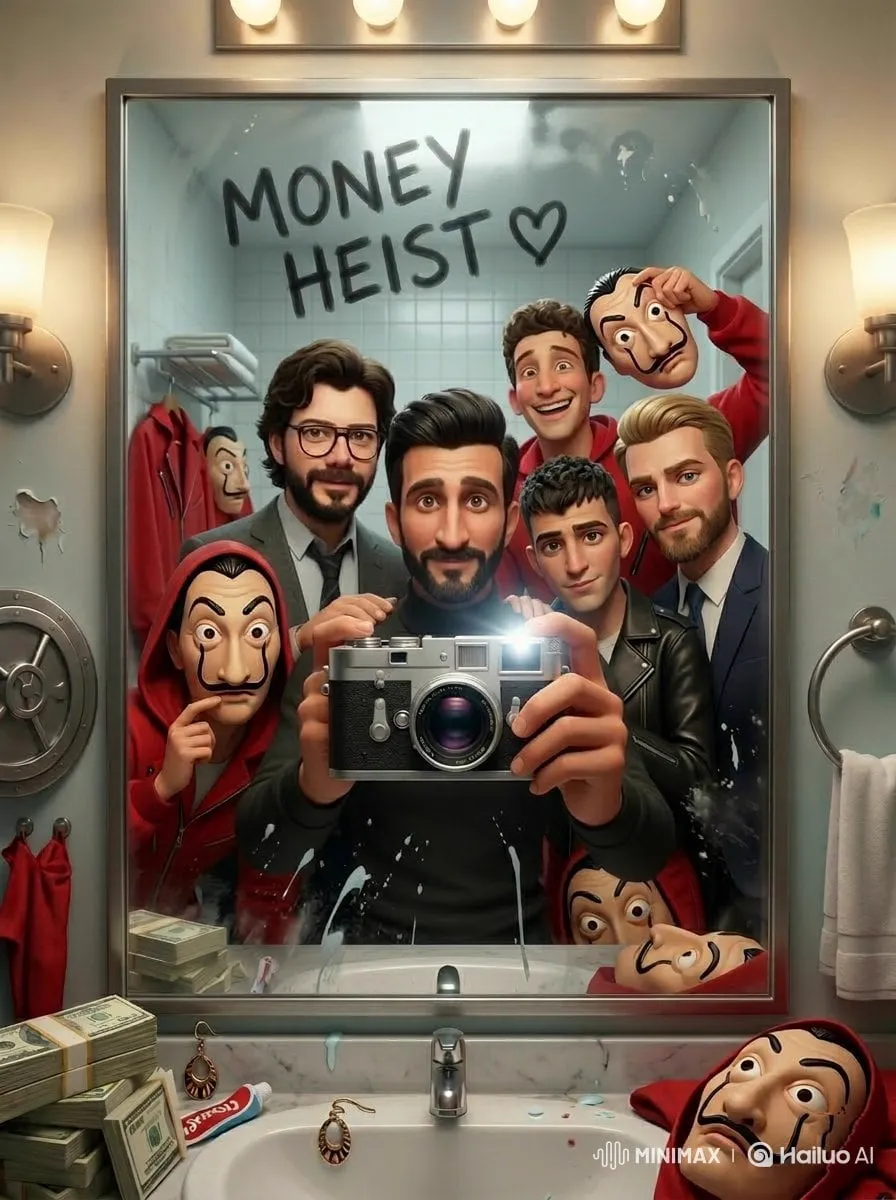
MiniMax Hailuo is another standout in the affordable tier, offering impressive performance relative to cost. For creators producing high volume or tight-budget work, it represents one of the best value points in the landscape, with competitive quality that holds up in real scenes.
The budget strategy is clear: allocate your expensive flagship capacity to the hero shots that need it, then shift the bulk of iteration and volume work to these strong mid-tier models. This split keeps overall cost reasonable while preserving quality where it is actually visible.
Getting beyond simple text-to-video
The newer generation of models has moved beyond single-pass text-to-video, and this is where many of the most interesting gains live. Multimodal and specialized models add capabilities that used to require an entire separate pipeline.
Multimodal models that accept both text and image input give you much finer control over the output. Instead of describing a subject in words and hoping the model invents it correctly, you can feed it the actual reference image and direct what the scene does. This dramatically raises fidelity, especially for brand work and character-driven content where accuracy matters.
Vidu Q1 and similar models exemplify this image-integration trend, letting creators start from a real visual seed and generate motion around it. Video-editing models extend the idea further, allowing you to start from an existing clip and restyle or extend it rather than generating from nothing.
For working creators, the practical shift is profound: you can bring your own visual truth into the model instead of trusting it to imagine one. This lowers risk, raises control, and makes the output genuinely usable in real projects rather than just impressive in isolation.
Motion and transition control
Among the most useful recent developments is dedicated control over how motion is described and how frames transition. Where early models treated the whole shot as one opaque unit, current tools let you guide the camera and the cuts.
Luma Ray 2 offers refined control over camera movement and shot choreography, treating a video as something a director moves through rather than a random crop of generated motion. The capability to specify how the camera behaves converts generation from luck into direction.
The Alibaba Wan series, likewise, provides robust tools for shaping how a scene flows, keeping transitions smooth and intentional. Models with strong control over shot flow are the difference between footage that looks generated and footage that looks directed.
For projects that need specific camera language — a push-in here, a slow track there — the control layer matters more than raw generation quality. A scene that moves exactly as you intended is worth more than a beautiful scene that moves the wrong way.
Open and specialized options
The market is not limited to the large hosted platforms. Open and specialized models give developers and advanced users an entirely different kind of flexibility.
CogVideoX and similar open models let technically-minded teams integrate video generation directly into their own applications and pipelines, trading out-of-the-box polish for control and customization. MAGI and Framepack occupy specialized niches, offering tailored behavior for particular use cases that general-purpose engines do not target.
For most creators, the hosted platforms are the right answer because they combine quality with convenience. But for teams building their own tools, or for projects with unusual requirements, the open and specialized tier is the pathway to a genuinely tailored result. Understanding that this tier exists means knowing you are not limited to whatever the biggest platforms offer by default.
A decision framework for choosing a model
When you face a new project, route it through a few diagnostics instead of reaching for a habitual default:
- If the scene is a narrative with recurring characters and spatial logic, prioritize a model with strong contextual and narrative understanding.
- If the shot is a precise physical action or a camera move that must be exact, choose a model known for disciplined motion fidelity.
- If consistency of a subject across shots is non-negotiable, pick from the consistency-focused tier and verify identity in the output.
- If you are producing at high volume or on a tight budget, lean on the strong mid-tier workhorses and reserve flagship capacity for hero shots.
- If you need to start from a real image or edit an existing clip, use a multimodal model and bring your own visual truth.
- If you are building your own tools, the open tier is your friend; otherwise hosted platforms give the best quality-to-convenience ratio.
Every choice in this framework compounds, which is why serious creators do not lock into one platform. They build a mental map of which models lead in which dimension, then deploy the right tool for the right shot.
Practical quality: prompting and refiner techniques
Even the strongest model produces mediocre output when the prompt is weak. Two-thirds of the difference between an amateur and a professional result lives in how the instructions are composed and how the output is refined, not in which model is chosen.
Learn to write prompts the way you'd brief a cinematographer. Instead of "a robot walks", describe the shot in concrete terms: subject, setting, lighting, camera movement, and duration. "A weathered maintenance robot crosses a rain-soaked platform at dusk, slow tracking shot, cool blue fill light, steam rising" gives the model the grounding it needs to render a scene that holds together. Ambiguous prompts invite the model to improvise badly, while specific ones keep it on rails.
Pair that with consistent terminology. Decide once what "close-up", "tracking", "slow motion", and "dolly" mean in your vocabulary and reuse those phrases so the model has reliable references across a series of related clips. This discipline pays off enormously when you generate a whole sequence of connected shots rather than a series of one-offs.
Refinement matters just as much. Resist the urge to accept the first render. Identify the weakest frame in a clip, feed it back as a new starting point with a note about what to fix, and let the model repair the weakness rather than rerunning the whole scene blindly. Many capable models support image-conditioned regeneration, which lets you incrementally improve a shot instead of gambling on wholesale regrowth.
A disciplined loop of specific prompting plus targeted refinement consistently closes the quality gap between a good model and a genuinely production-ready clip. The model sets the ceiling; your prompting and refining habits decide how often you actually reach it.
Building a dependable quality workflow
Consistency across your projects is the mark of a mature workflow, and it comes from repeatable habits rather than talent. Design a pipeline you can run the same way every time, so that quality does not depend on how inspired you feel on a given day.
Lock your reference vocabulary. Keep a small document of the lighting, camera, and motion phrases you use, so every project shares a common visual language. This makes a portfolio feel coherent and removes guesswork when you come back to work after a break.
Standardize your approval gates. Define what makes a shot "good enough": a minimum frame duration, a maximum of visible artifacts, confirmed identity maintenance, and approved color. Create your clips in short passes, review each gate explicitly, and only merge segments that pass. This turns quality from a feeling into a checklist.
Record what works. Track which models and prompts produced your best results and which failed. Over time this becomes a private playbook that shortens your iteration on every future project. The most successful creators treat their prompt libraries and rejection logs as assets worth maintaining.
Finally, review at the target. Never decide a clip is finished while viewing it small or in a rough cut. Check every accepted shot at the resolution and format of real delivery, and be ruthless about the clips that looked fine in miniature but break under scrutiny. A dependable quality workflow is the single best investment you can make if you plan to produce video more than once.
FAQ: choosing among video generation models
Which model produces the most cinematic footage? The flagship engine with the strongest contextual understanding typically yields the most finished, cinematic hero output.
Which is most reliable for character consistency? The consistency-focused models, especially those with strong identity handling, keep recurring subjects stable across shots.
Is the mid-tier good enough for real projects? Yes. The accessible Kling and Hailuo tiers deliver genuinely competitive quality that holds up in production, especially when paired with careful prompting.
Do I need a multimodal model? Only if you need to anchor output to a specific real image or edit existing footage. For pure text-to-video, a strong text-driven engine is enough.
Should I use an open model? If you are building your own pipeline or need tight customization, yes. For general creation, hosted platforms offer the best balance of quality and effort.
How important is motion control vs raw quality? If your shot needs specific camera language, control is worth more than raw beauty. Match the capability to the requirement.
Closing thoughts
The video model landscape has matured from a curiosity into a real production toolkit, and the winning approach is no longer about finding the single best model. It is about understanding the different dimensions of quality and matching each project to the model that leads in what that project actually needs. Flagship engines deliver cinematics, consistency models keep things stable, strong mid-tier options control cost, and multimodal and open tiers unlock new kinds of control and customization.
Build your own map of these strengths, keep a couple of platforms in your kit to cover different jobs, and let the requirements of each scene decide. That is how you get the best quality for every shot without spending more than necessary — and it is how you turn generative video from a novelty into a dependable part of your workflow.
