
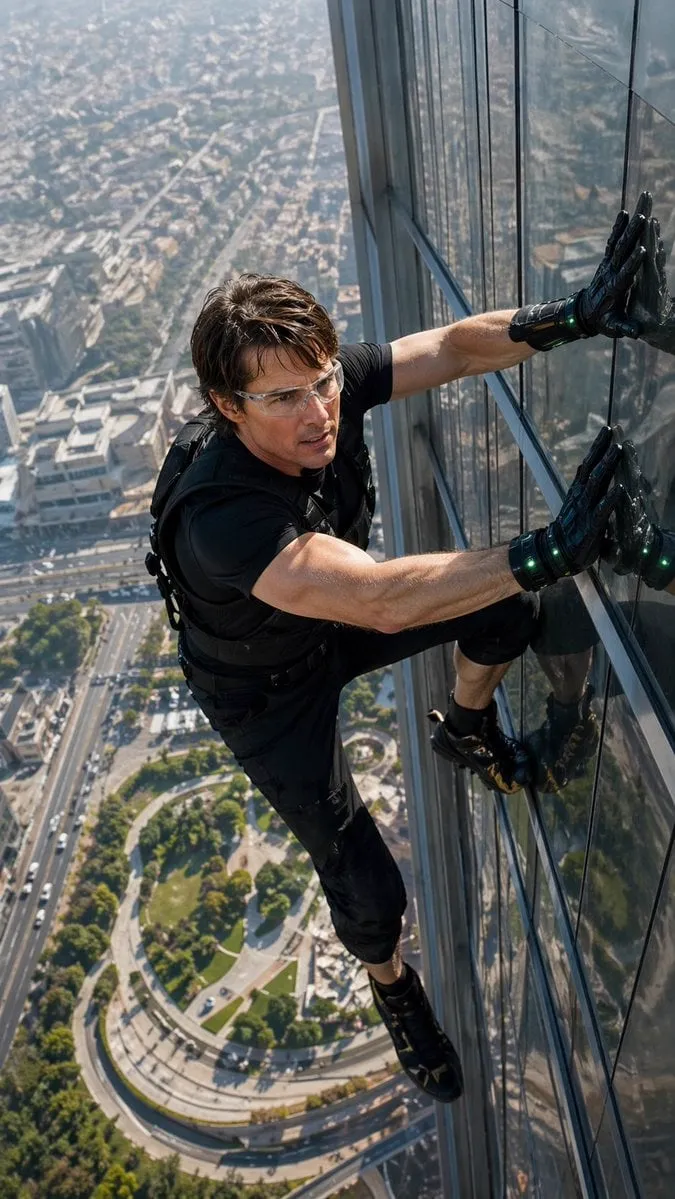
The democratization of cinematic video production has reached an inflection point. What used to require a large budget, specialized crews, and long schedules can now be prototyped by a solo creator with a clear idea and the right AI models. This guide lays out a complete workflow for making cinematic videos with AI: choosing the right models, keeping characters and scenes consistent, directing with intent, and, when you are ready, building an audience and a revenue path around your work.
If you read one message from this article, let it be this: the tool is not the product. Cinematic quality comes from insight, decision, and restraint, layered on top of capable generation. AI removes the mechanical grind of production so that you can spend your energy on the part only you can provide: the story.
Why Cinematic AI Video Matters Now
The leap from novelty to tool happened because modern models finally understand temporal consistency. Early AI clips amazed for two seconds and fell apart when a character walked into shadow or moved behind an object. That instability was the real obstacle, more than resolution or style. Today's generation engines hold scenes together longer, respect lighting and physics better, and allow a creator to control key frames and motion in ways that were impossible before.
For storytellers, the practical consequence is a huge drop in the cost of trying. You can test a premise, a tone, or a visual world with a short render before committing weeks of work. That de-risking changes who gets to make films and how many attempts a story survives. The bottleneck moves from production labour to taste and persistence.
At the same time, the audience's quality bar is rising. It is no longer enough to produce a moving image; viewers expect narrative coherence, believable characters, and a deliberate look. That is precisely the terrain where good direction and careful workflows still decide who stands out.
Architecting the Cinematic Vision
A cinematic video is the product of hundreds of small decisions, but a handful of them carry most of the weight. Get these right and the rest falls into place.
Start with the premise and the feeling
Before touching a model, write a one-sentence premise and name the emotion you want the audience to feel by the end. This sounds obvious, yet most failed projects skip it and wander. The premise is your compass; when a shot is not working, it tells you why.
Structure beats, not just scenes
Break your story into beats, the individual moments that move the narrative forward. Order them so each one justifies the next. This beat sheet is the skeleton of your edit and the map you will use to generate only the shots that matter, which saves enormous time and compute later.
Choose the right model for each moment
No model is best at everything. Different architectures excel at different visual domains, exactly like choosing a camera lens for a specific shot. A sweeping environment wants a model with strong world simulation; a tight emotional close-up wants one with strong character fidelity; a stylized fantasy wants a model tuned for that aesthetic. Assemble a small roster and select it per scene.
Frame-perfect consistency with parameters
Modern models expose controls that let you lock down key frames, motion, and character identity. Use reference images, explicit descriptions, and seed control to keep the same face, wardrobe, and world across cuts. Consistency is what makes a collection of clips feel like one film, so treat it as a discipline, not a bonus.
Directing with Intent
This is where craftsmanship lives. Anyone can generate images; directors decide what the images mean.
Cinematic vocabulary as instruction
Speak to the models in the language of cinema. Describe camera height, lens feel, lighting quality, movement, and mood, the same notes you would give a cinematographer. A prompt that says 'low angle, slow push-in, warm key light, anxious energy' produces a far more intentional shot than 'make it look epic'. Direction is translation of intention into instruction.
Character and scene consistency
Lock a reference for your protagonist and describe them identically every time. With multi-image fusion, the model can cling to that identity scene after scene, including details like a scar or a signature color. Give your hero default wardrobe and mannerisms so the audience remembers them the way they remember a good actor.
Orchestrating complex narratives
For longer or multi-thread stories, organize a generation task queue. Each scene becomes a unit with its own style reference, model, and intent, and you process them in order. This keeps the story coherent, lets you re-render one scene without touching the rest, and turns a chaotic possibility space into a manageable pipeline.
Lighting and Color as Storytelling
Cinema is written in light. The same scene shot at golden hour feels hopeful, in hard midday light it feels harsh, under blue moonlight it feels lonely. When you direct AI video, tell the model about the light before you describe anything else, because lighting sets the emotional temperature of the entire shot.
Quality and direction of light
Mention whether you want key light, rim light, soft diffusion, or hard shadows, and from which angle. A soft falling key light flatters a character; a rim light separating the figure from the background adds depth; long, sharp shadows suggest menace. These details are the difference between a render that looks machine-made and one that feels intentional.
A consistent color logic
Define a palette for your film and enforce it. Decide early whether your world is cool and desaturated, warm and glowing, or high-contrast and vivid, then describe that same palette in every prompt. Color consistency is what lets a series feel like chapters of one story rather than disconnected clips. When your hero moves from a cold blue place to a warm orange one, the audience reads that transition emotionally without needing words.
Designing a Character People Remember
Memorable characters are the heart of storytelling, and AI gives you the power to build one deliberately. Start from function: what does this character want and what stands in their way? Then translate personality into visual and behavioral choices.
From archetype to individual
Give your character a distinctive silhouette, a signature color, and an unmistakable mannerism. These become the shorthand the audience latches onto. A character who always tugs an ear, wears a single broken glove, or keeps a particular prop reappears in every scene to strengthen recognition. Write these markers down and repeat them consistently.
The world as costume and character
The setting is a character too. Define the world with the same care: its architecture, its weather, its color noise. A city that is always raining tells a different story than a desert under relentless sun. Keep your world rules stable so the plot can bend them meaningfully at the right moment.
Reusing your library across projects
As you produce more, keep a library of character references, environment plates, and style presets. Reusing and refining this material across projects builds a recognizable universe and makes each new piece faster to start. This compounding library is one of the quiet advantages experienced AI filmmakers enjoy.
Ethical Production and Transparency
The creative freedom of AI carries responsibility. Decide how much of your work is generated versus authored, and be transparent with your audience, especially if your work is educational, journalistic, or raises expectations about the real world. Honesty builds the trust that a sustainable audience depends on.
Respect the licensing terms of the tools you use, particularly for commercial projects. Also think about how your representations reflect people and culture; a responsible creator checks for harmful stereotypes rather than reproducing them. Transparency and care differentiate lasting work from disposable content.
Iterating: The Craft Hidden in Plain Sight
The difference between amateur and professional AI video is almost always iteration. Professionals render in cheap passes, review narrative flow, re-prompt, and only then commit to expensive final renders. This cadence of test-review-refine is the real craft.
Review the story, not just the image
When you review a draft, ask whether each shot serves the beat, whether the emotion lands, and whether the pacing holds, before you think about resolution or fidelity. A story problem detected early costs pence to fix; the same problem found after a full-quality render costs hours.
Keep prompts portable
Write descriptions that do not depend on one vendor so you can swap engines as new models arrive. The field moves quickly, and a flexible workflow lets you adopt better tools without rebuilding your projects. Treat your pipeline as an evolving asset, not a fixed recipe.
Measuring Whether You Are Learning
Track a few simple numbers across projects: how many tries each finished scene took, how much time the overall film consumed, and how the audience responds. Improving speed and quality together is the sign that your direction is maturing. If a workflow never gets easier or your outputs never get more consistent, it is time to change the method rather than push harder at the same wall.
Look back at your first attempt after a couple of months and compare it with recent work. The visible gap is the proof of growth, and it is often larger from the outside than it feels from within. That awareness fuels the deliberate practice that turns a curious beginner into a capable director.
A Practical Cinematic Workflow
Here is a repeatable sequence you can adapt to your project.
- Write the premise and name the target emotion.
- Build a beat sheet and decide the visual style and palette.
- Create the character reference and lock the world design.
- Assign the best model to each scene based on motion and style.
- Generate rough versions and review narrative flow, not polish.
- Re-render the key moments at full quality.
- Verify character and scene consistency across all cuts.
- Edit for rhythm, add sound design, and publish.
This loop keeps the creative unknown small and your decisions deliberate. Each pass teaches you what to fix and builds your confidence with the tools.
Post-Production and Sound
Generating footage is only half the job; editing is where rhythm and emotion are born. Cut to serve the story rather than to show off transitions. Respect the audience's expectation of space and time: a wide shot establishes, a close-up intensifies, a cut can compress time.
Sound deserves at least as much care as image. The right music and a clean soundscape can lift average footage, while bad audio sinks spectacular visuals. Build ambience, punctuate key beats with music, and keep dialogue clear. Plan the pacing in the edit and let silence work for you at the emotional turning points.
For shorter platform formats, captions are essential because many viewers scroll without sound. Adapt length and rhythm to the channel while keeping the underlying story intact, so the same narrative can live as a vertical short or a longer piece without feeling repetitive.
The Creator Economy of AI Filmmaking
Cinematic AI video is not just an artistic exercise; it opens a route to audience and income for independent creators.
Publishing custom models and style guides
Some platforms allow creators to train and publish their own models or style presets. This lets you build a recognizable visual signature and share it. A distinctive style becomes a brand that audiences recognize across your work, which is far more valuable over the long run than a single viral clip.
Building an audience with consistency
Consistency is the engine of fandom. When viewers trust that your world and characters will carry across episodes, they follow the series, not just the video. Publish on a regular cadence, keep your visual language consistent, and invite feedback. A small, engaged audience eventually outearns a large, indifferent one.
Monetizing taste
The creator economy rewards those who curate and direct well more than those who merely generate. Work on your ability to select, refine, and package ideas. Offerings such as commissioned works, tutorials, style packs, and premium series all become possible once you have a body of work and a following. The revenue follows trust and craft, not software features.
Common Pitfalls and How to Avoid Them
The one-model trap
Committing to a single engine makes all your work look the same. Build a rotation and match each model to its strength, exactly as a DP changes lenses.
Vague prompts
A generic prompt yields generic images. Specify camera, light, motion, and emotion. Direct like a filmmaker, not a wish-wisher.
Inconsistent characters
A hero whose face changes between shots breaks immersion instantly. Use a locked reference and verify every scene before finalizing.
Skipping the story
Stunning clips without narrative lose the audience fast. The premise and beat sheet are not optional; they are the product.
Ignoring sound
Bad audio undoes good images. Invest in a clean soundscape and intentional music from the start.
FAQ
Do I need expensive equipment to make cinematic AI video?
No. A capable computer and a clear idea are enough to begin. High-end equipment matters only when you need original footage to blend with generated content.
Which model should I use?
Test two or three engines on the same short scene and compare motion and consistency. The best answer comes from your own material, not a list.
How do I keep characters consistent across clips?
Lock a written description and a reference image, then reuse them in every prompt. Multi-image fusion helps the model hold identity while you vary the action.
Can I really build an audience this way?
Yes, if you pair technical skill with consistent storytelling and a recognizable style. Audiences follow worlds and characters more than isolated effects.
Final Thoughts
Cinematic video with AI is attainable today by anyone willing to treat it as a craft. Learn to select models for each moment, lock character and scene consistency, direct with cinematic vocabulary, and honor sound and rhythm. When you treat AI as the production team rather than the storyteller, your ideas stop being limited by budget and start being limited only by imagination. Start small, publish regularly, and let each project make you a sharper director.
