
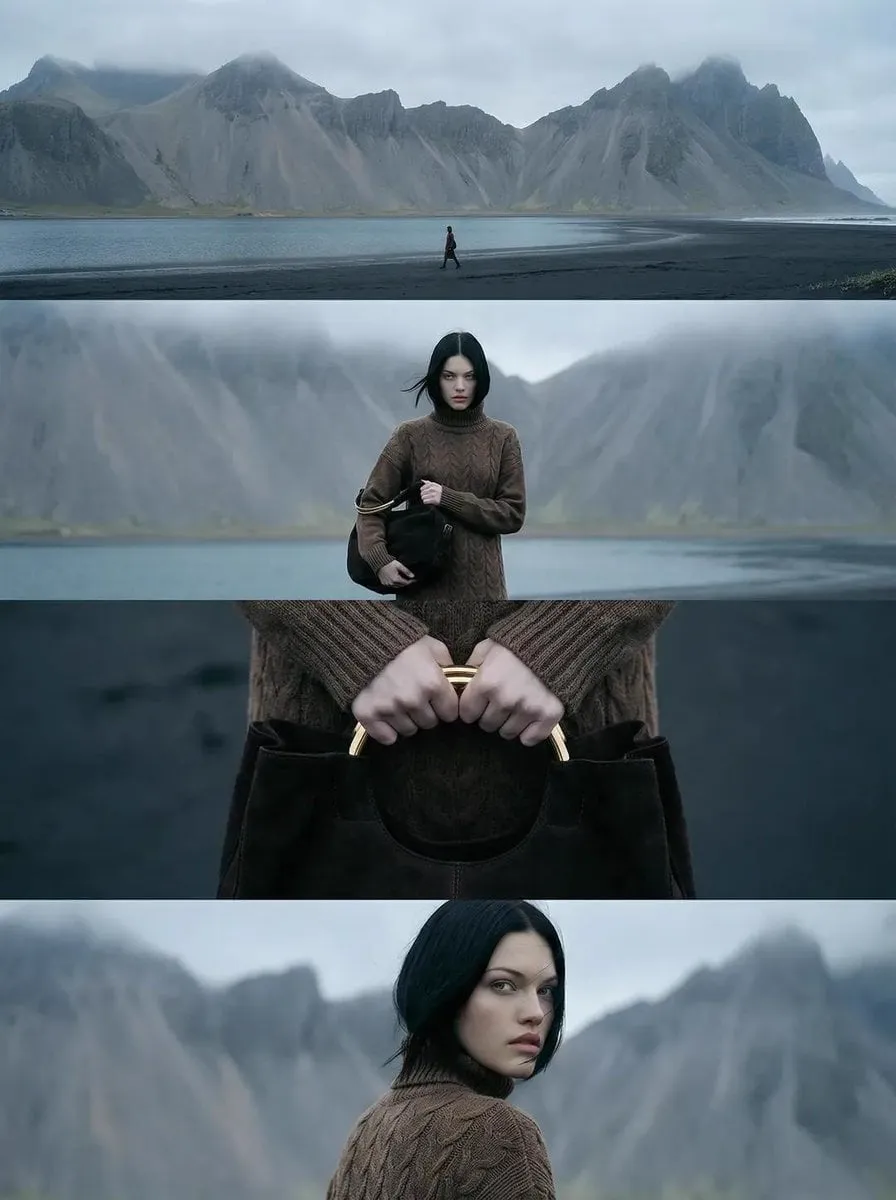
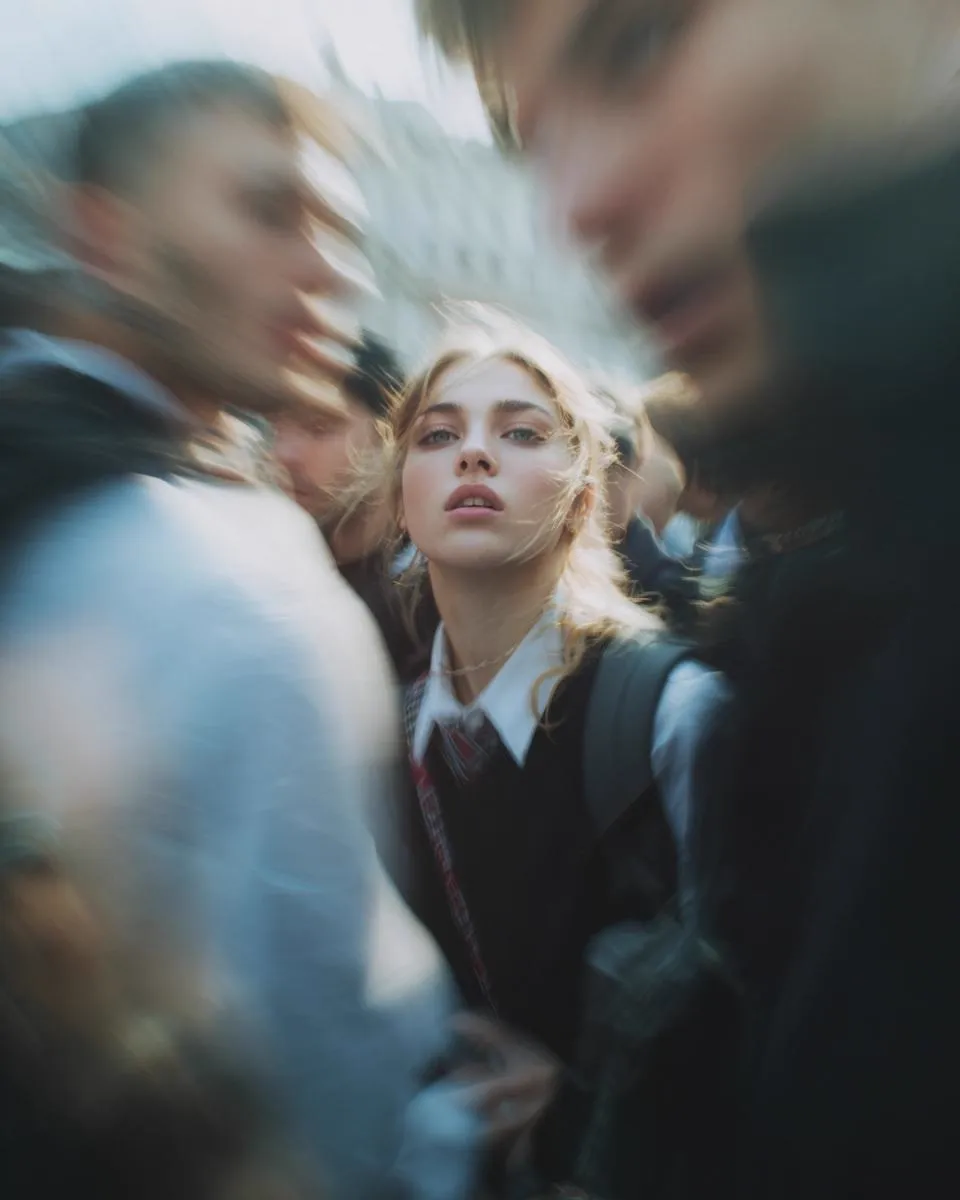
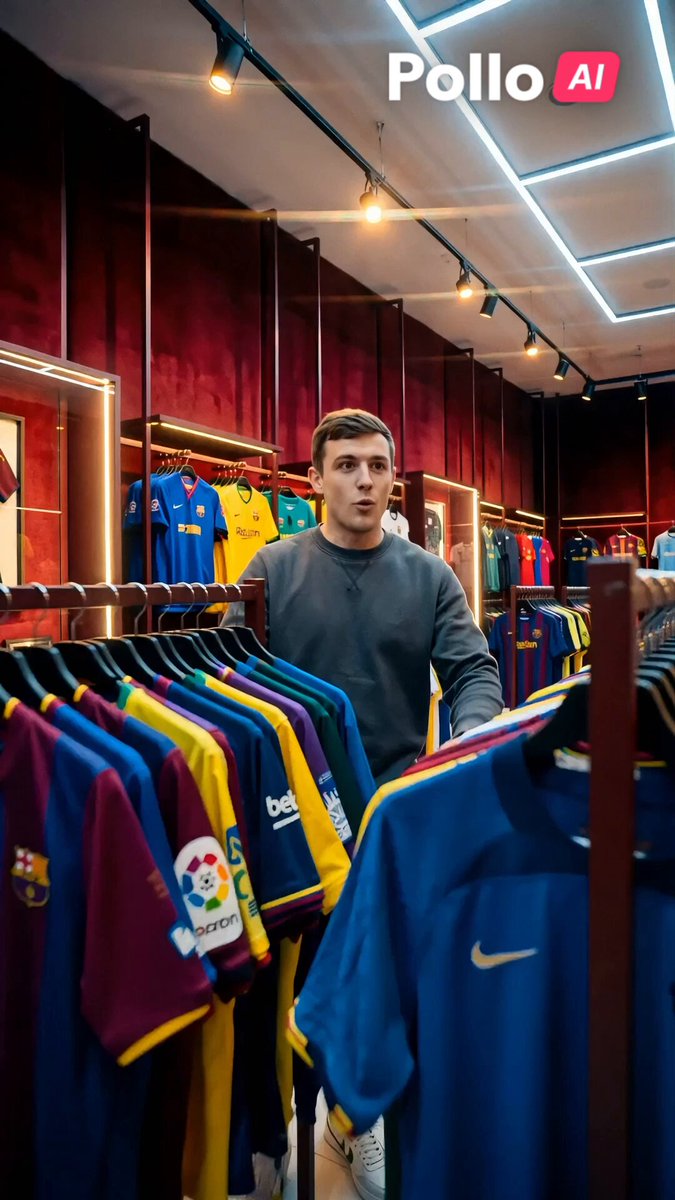
Cinematic short video used to require a camera, a location, a crew, and a week of editing. Now a single person with a laptop can produce a sixty-second spot that looks like it came off a commercial set — provided they understand the pipeline behind the generation. The tools are impressive, but they are not magic. Every polished AI clip you have admired online is the result of a deliberate workflow: a locked idea, a shot plan, well-written motion prompts, careful handling of characters across shots, and a finishing pass that hides the seams.
This guide walks through that pipeline from start to finish. It assumes you already know the basics of prompting an image or a clip. What it focuses on is the part most creators skip: the structure that turns a pile of disconnected generations into a coherent piece of video.
Why Cinematic AI Video Feels Harder Than It Looks
Generating a beautiful five-second clip is easy. Generating ten clips that feel like they belong to the same film is genuinely difficult, and that gap is where most projects collapse.
The problem is that video generation is not a single skill. It is at least five overlapping skills: writing a visual brief, controlling camera motion, maintaining identity and continuity, choosing the right model for a specific shot type, and editing the results into something with rhythm. Most people are strong at one or two of these and weak at the rest, which is why their output looks inconsistent rather than bad.
The second issue is expectation management. Modern models excel at moody establishing shots, nature, weather, neon-lit streets, and slow deliberate camera moves. They struggle with complex hand interactions, crowds doing precise things, text rendering, and long uninterrupted action. A director who knows which shots to assign to the model — and which to fake with a cut, a close-up, or a sound effect — will produce far better work than someone who keeps pushing the model to do something it cannot.
Treat the model as a very talented second-unit crew that needs precise instructions and never improvises well. That mental shift alone fixes a large percentage of disappointing outputs.
The Core Workflow: From Idea to Finished Clip
A reliable production loop has six stages. Skipping any of them costs you more time later than doing it up front.
Stage 1: Lock the Idea and the Format
Before touching a prompt box, decide the finished length, aspect ratio, and delivery platform. A nine-by-sixteen vertical piece for short-form feeds has completely different pacing than a sixteen-by-nine horizontal piece. Thirty seconds vertical typically needs twelve to twenty shots; a two-minute horizontal piece can breathe with eight to twelve. Write these numbers down. Shot count determines how much generation work you are committing to.
Stage 2: Write a Shot List, Not a Script
AI video rewards visual thinking. Instead of writing dialogue and description, write a table with four columns: shot number, shot size (wide, medium, close), camera movement (static, push in, orbit, handheld), and subject action. This forces you to plan coverage the way an editor thinks, and it prevents the most common beginner failure — generating twelve beautiful wide shots and having nothing to cut to.
Stage 3: Generate Keyframes First
Generate still images before video whenever the model supports image-to-video. Stills are faster to iterate, easier to judge, and give you a reference for framing. Once a still looks right, animate it. This single habit dramatically improves consistency because you are approving the composition before motion introduces unpredictability.
Stage 4: Generate Clips With Motion Prompts
Write prompts that describe change over time, not just appearance. "Woman in red coat" describes a still. "Woman in red coat turns toward the camera as rain begins, slow push in" describes a shot. Every clip prompt should contain a subject, an action, a camera instruction, and a lighting or atmosphere note.
Stage 5: Select and Assemble
Generate two to four variations per shot if your allowance permits, then judge them on three criteria: does the motion complete, does the subject stay on-model, and is the first and last frame usable for cutting. Assemble in an editor before you fall in love with a clip — rhythm only becomes visible on a timeline.
Stage 6: Finish
Color, sound, and text overlays do more for perceived production value than another round of generation. More on this below.
Matching the Model to the Shot
Different generation models have different personalities. Treating them as interchangeable is the fastest way to waste time. Here is a practical way to route shots.
Text-to-Video for Establishing and Atmosphere
When you need a mood, a landscape, weather, or an abstract transition, text-to-video models with strong cinematic training are the right call. These shots carry little narrative weight, so minor inconsistencies in detail do not matter. Use them generously for openings, transitions, and B-roll between dialogue-adjacent moments.
Image-to-Video for Anything With a Specific Look
If the shot must match a previously approved frame — a character's face, a product, a location — start from an image. Image-to-video preserves composition and identity far better than text alone. It is also the only sane way to work when you have a client-approved look or a brand palette.
Camera-Control Models for Movement
Some models expose explicit camera controls: pan, tilt, dolly, orbit, zoom, and roll, often with intensity sliders. When the shot's whole point is the move — a slow reveal, a rising drone shot, a push through a doorway — reach for these. Prompted camera language works, but explicit controls are more predictable when the move is the shot.
Fast Draft Models for Exploration
Keep a lightweight, fast model in your rotation purely for blocking out sequences. Draft at low resolution, decide the edit, then regenerate the keepers at higher quality. This is the video equivalent of storyboarding and it saves an enormous amount of time on longer pieces.
Prompting for Motion and Camera Language
Motion prompting is its own craft. The vocabulary that works for stills does not transfer cleanly.
Describe Change, Not Appearance
Every prompt should answer: what changes between the first second and the last? Use verbs tied to physics — turns, lifts, spills, drifts, settles, unfolds. Vague verbs like "moves" or "does something" give the model nothing to resolve.
Use Real Camera Vocabulary Sparingly and Precisely
Terms such as "slow push in," "dolly left," "handheld follow," "crane up," and "static locked-off frame" are understood by most modern models. Mixing four moves in one prompt usually produces mush. One primary move per clip, occasionally with a secondary adjustment, is the reliable range.
Set the Tempo Explicitly
Words like "slow," "deliberate," "gentle," "sudden," and "continuous" influence pacing more than most people expect. Fast action in a five-second clip often reads as chaos; slowing it down almost always improves realism.
Constrain What You Do Not Want
If hands keep appearing malformed or crowds keep melting, structure shots to avoid the problem rather than fighting it. Frame tighter, keep hands out of frame, reduce background population, or use silhouettes and backlighting. Prohibitions help, but shot design helps more.
Iterate in Small Deltas
When a generation is close but not right, change one variable at a time. Changing subject, camera, lighting, and style simultaneously teaches you nothing about which change worked.
Keeping Characters and Locations Consistent
Continuity is the hardest problem in AI video and the one that separates hobby output from professional-looking work.
Start by building a character reference: three to five stills of the same person from different angles and lighting conditions. Approve them before generating any video. From that point on, every shot featuring that character starts from one of those references, not from a fresh text description. Small changes in a text description — "short dark hair" versus "shoulder-length dark hair" — produce a visibly different person.
For locations, create a consistent establishing frame and reuse it as the anchor image for every shot set in that space. Keep props in fixed positions and note them in your shot list. If a scene has a red kettle on the left counter, it should be there in every angle of that kitchen.
Wardrobe is your friend. Distinctive clothing, color, or accessories make continuity easier to judge at a glance and easier to preserve across generations. A plain grey t-shirt and jeans gives you almost no way to verify that the model produced the same person twice.
Finally, accept that perfection is not the goal — plausibility is. Audiences forgive inconsistency they do not notice, and they rarely notice it when a cut is motivated, the pacing is tight, and the sound design is continuous.
Format, Resolution, and Delivery Specs
Decide delivery specs before generation, because regenerating at a different aspect ratio is expensive in both time and compute.
For vertical short-form, plan for nine-by-sixteen at the highest resolution your workflow can sustain, and design shots with the central third as the safe zone. For horizontal, sixteen-by-nine remains the standard for web, presentations, and streaming. Square works for certain social placements but is the worst of both worlds for composition, so use it only when the platform demands it.
Frame rate matters more than people expect. Most cinematic-looking footage reads well at twenty-four frames per second, while product and movement-heavy content can benefit from higher rates. Whatever you choose, keep it consistent across all clips — mixing frame rates in one timeline creates judder that no amount of color grading fixes.
Generate at the highest quality your workflow allows for hero shots, and keep a lower-quality draft pass for everything else. Then let your editor handle the final downscale and compression, not the generator.
Sound, Editing, and Finishing
This is where AI video stops looking like AI video.
Lay down music first, then cut picture to it. Rhythm is the single largest contributor to perceived production value, and editing to a beat instantly makes disconnected clips feel intentional. Cut on motion — the moment an action peaks — rather than on static frames, and keep clips as short as the idea allows. Two seconds is often enough.
Sound design carries continuity. A room tone bed under an entire scene hides small visual inconsistencies. Add whooshes, impacts, and ambience on cuts. If a character speaks, record or synthesize clean audio separately rather than relying on generated sound, which is still the weakest link in most pipelines.
For finishing, apply a subtle unified grade across the whole timeline: matched contrast, a consistent color temperature, slight vignette, and light grain. Grain in particular is remarkably effective at making different generations feel like they came from the same camera. Avoid heavy stylized grades that amplify artifacts in individual clips.
Text, logos, and product interfaces should be added in post, not generated. Generated text is unreliable and fixing it in post is trivial by comparison.
Mistakes That Ruin Otherwise Good Generations
A short list of failures worth memorizing.
Generating before planning. If you do not know what the shot is for, you cannot judge whether the output is good.
Over-prompting. Long prompts with twenty descriptors dilute the important instructions. Keep prompts focused on subject, action, camera, and light.
Ignoring the last frame. Clips that end mid-motion are hard to cut from. When possible, aim for generations that resolve their action.
Falling in love with a clip in isolation. A beautiful shot that breaks the rhythm of your edit is a liability.
Mixing styles. Photoreal, illustrated, and stylized clips in the same piece read as a mistake unless the contrast is clearly deliberate.
Skipping sound. Silent AI video never looks finished, no matter how good the picture is.
Refusing to reshoot. If a shot is wrong after three attempts, redesign the shot instead. Change the framing, simplify the action, or cut it entirely.
Neglecting the aspect ratio. Cropping a horizontal generation into vertical after the fact destroys composition and resolution. Plan for the target format from the first frame.
A Repeatable Weekly Production System
Consistency comes from process, not inspiration. A sustainable rhythm looks like this: one planning session where you write the shot list and generate reference stills; one blocking session where you draft every shot at low quality and assemble a rough cut; one hero session where you regenerate only the shots that made the cut, at full quality; and one finishing session for sound, grade, and export.
Keeping sessions separate prevents the classic trap of endless regeneration while never reaching an assembly. It also gives you a natural checkpoint: if the rough cut does not work, the problem is the script or the shot list, not the quality of individual clips.
Keep a running library of approved reference images, reusable prompts that worked, and a small set of LUTs and sound beds. Over time, this library becomes the real asset — more valuable than any single finished video, because it makes the next project dramatically faster.
FAQ
How long should an AI-generated video be?
Start with fifteen to thirty seconds. Short pieces let you focus on quality per shot and are far easier to keep consistent. Move to sixty seconds and beyond only after your workflow reliably produces a rough cut you are happy with.
Do I need multiple generation models?
Not for every project, but most creators keep at least two: one fast model for drafting and one high-quality model for hero shots. A third with explicit camera controls is useful if your work depends on movement.
Why do my characters change between shots?
Because each generation is independent unless you anchor it. Use approved reference stills, keep wardrobe distinctive, and reuse identical descriptive language across prompts.
Should I generate video or stills first?
Stills first, whenever the toolchain supports it. Composition and identity are easier to judge in a still, and image-to-video preserves both far more reliably.
How do I hide the fact that clips come from different generations?
Cut faster, cut on motion, lay continuous room tone under scenes, and apply one unified grade with subtle grain. Rhythm and sound do most of the work.
What is the biggest time-waster in AI video production?
Regenerating without a shot list. Endless iteration on clips that will never make the final cut is the most common way to lose a whole weekend.
Can AI video replace a real camera shoot?
For mood pieces, product-adjacent visuals, and conceptual shorts, often yes. For scenes requiring precise performance, dialogue, or complex interaction, use AI for coverage and support rather than as the whole production.
The Takeaway
Great AI video is a directing problem, not a prompting problem. The models handle rendering; you handle intent, structure, continuity, and rhythm. Plan the shot list, generate reference stills, write motion-focused prompts, keep identity anchored, and spend real effort on sound and the edit.
Do that consistently and the results stop looking like generated clips and start looking like films — which is the only standard that matters when the audience has no idea how the footage was made.
