
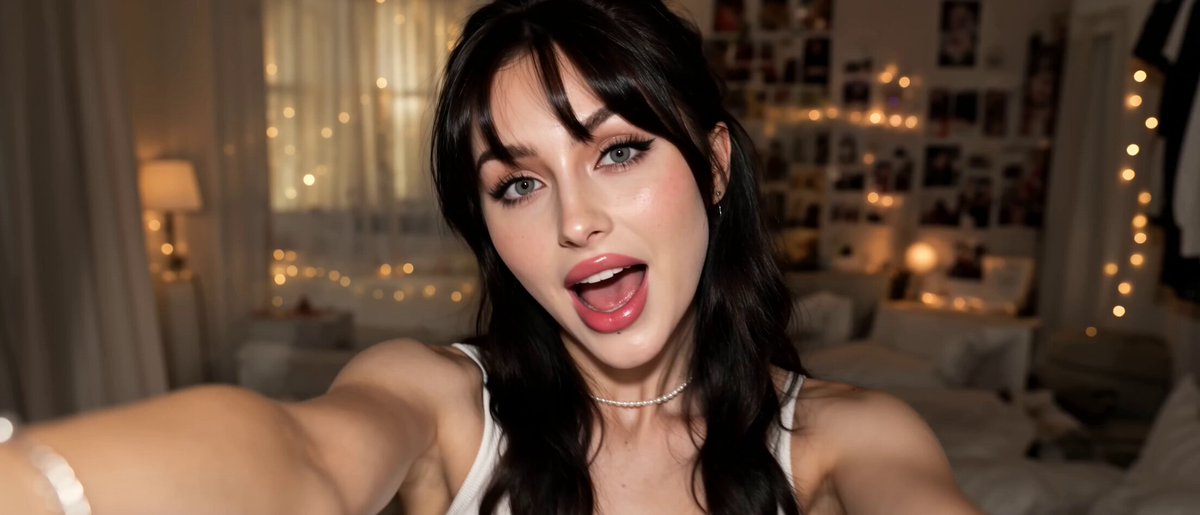
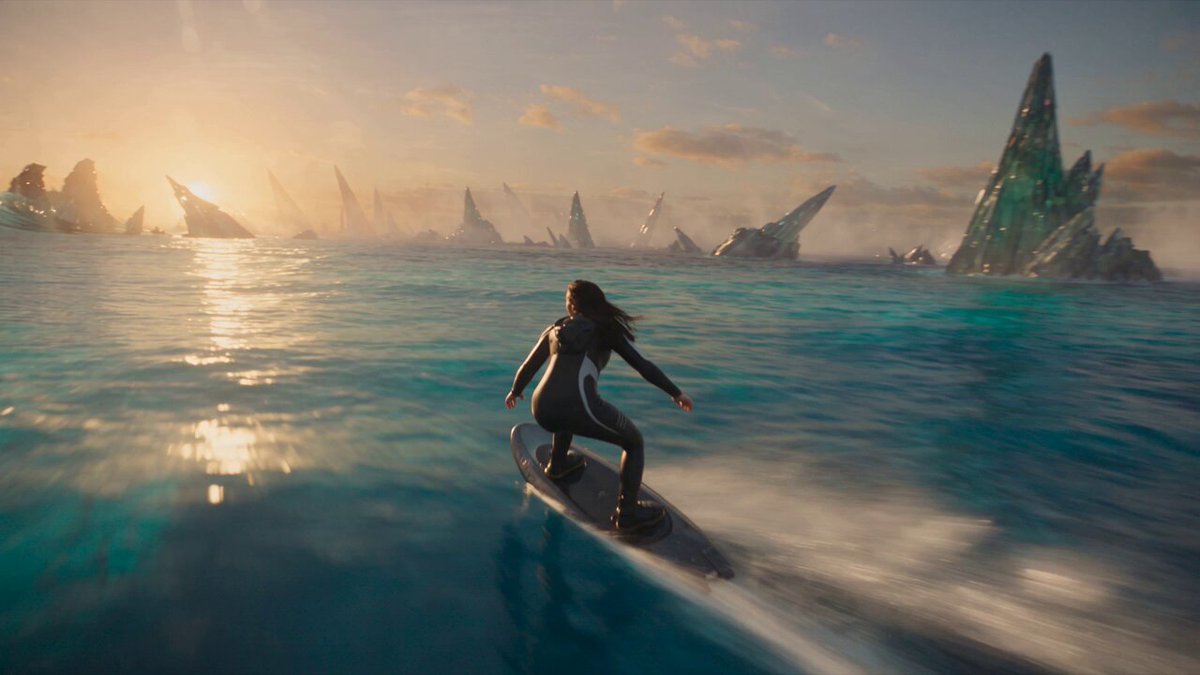
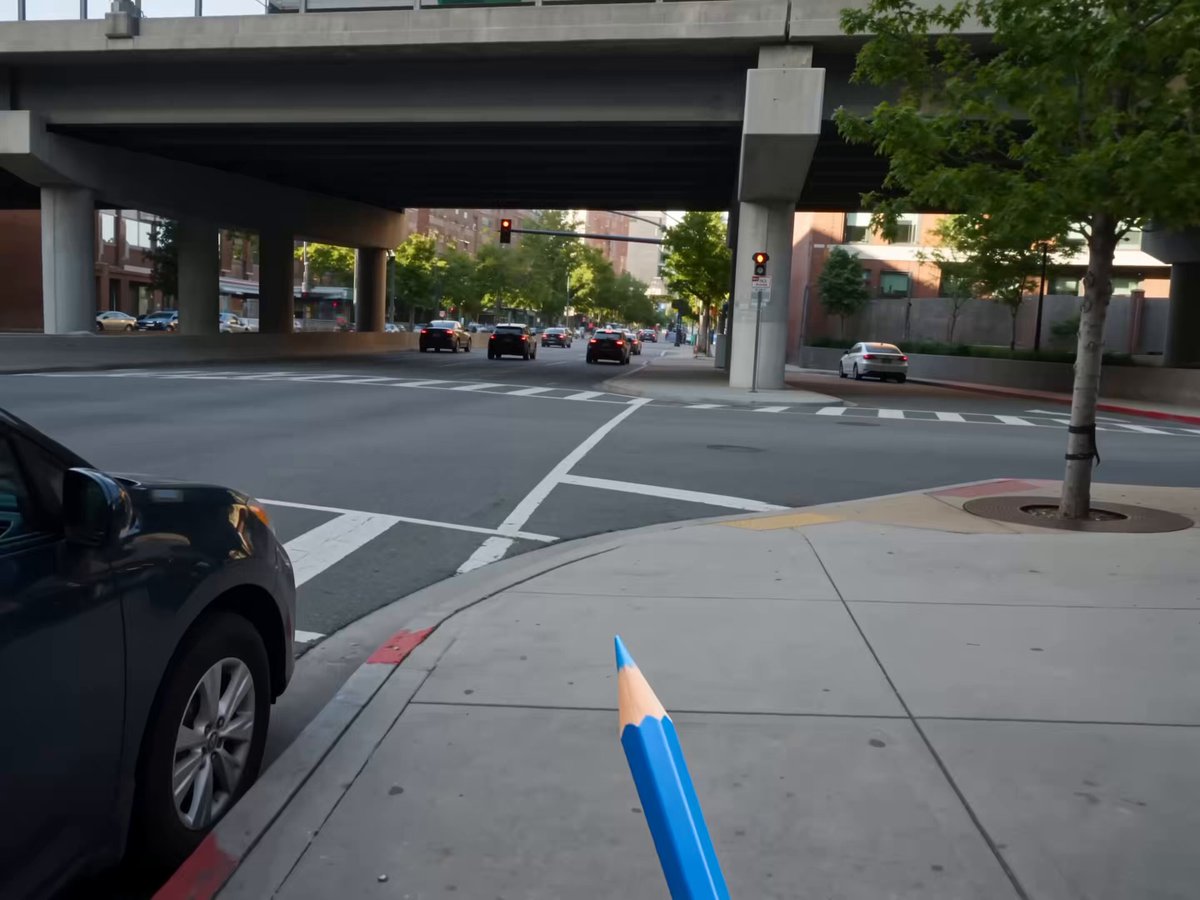
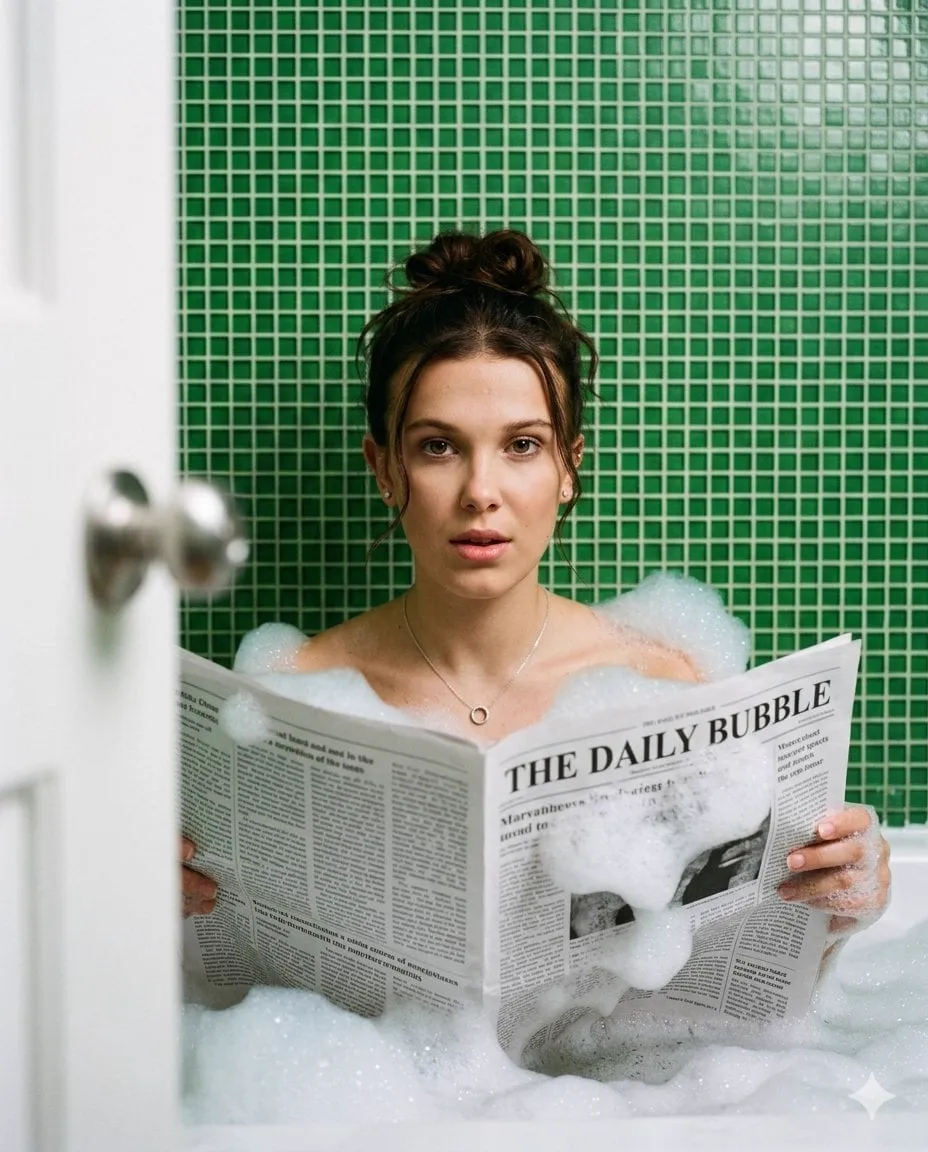
Cinematic video used to demand full production teams: cameras, lighting rigs, set designers, and weeks of post-production. In 2025, the same visual language is available to independent creators through AI generation — but only if they solve the problem that has haunted AI video from the start: visual drift. A character changes face between cuts, clothing morphs mid-scene, and the audience loses trust in what they are watching. Multi-image fusion exists to fix exactly this. By feeding a model several reference images of a subject, creators anchor the visual identity so it stays stable across scenes, styles, and even different generation engines. This guide explains how filmmakers can use multi-image fusion to unlock genuinely cinematic shots, from establishing character identity to orchestrating camera movement.
Why character consistency is the foundation of cinematic video
Audiences forgive imperfect motion, quirky physics, or stylized rendering. They do not forgive a protagonist who changes identity every few seconds. Consistency is what separates a polished short film from a demo reel of AI artifacts. When a viewer can recognize a character across shots, they stop analyzing the technology and start following the story — which is precisely the immersion that cinematic language depends on.
For episodic content, brand campaigns, or anything that needs recognizable characters, consistency is non-negotiable. It is also the hardest thing to achieve with text prompts alone, because words are a lossy way to describe a face. A reference image carries vastly more information than any paragraph of description, and multiple reference images carry more still. This is the core insight behind multi-image fusion.
The mechanics of multi-image fusion
Multi-image fusion works by conditioning the generative model on several visual inputs instead of a single seed image or text prompt. The model learns a unified representation of the subject — face shape, skin tone, clothing, distinctive features — and then applies that representation whenever the subject appears in the generated sequence.
Building a robust visual baseline
Start with reference images from different angles and lighting conditions. A front view, a profile, and a shot in softer light give the model a much denser picture of the subject than one flat photo. The result is a 3D-aware understanding that survives camera moves and scene changes. This matters because the model does not just copy the image; it extracts the identity and re-renders it in new contexts.
Reducing drift and noise
Single-prompt generation suffers from randomness: every render is a fresh roll of the dice. Multi-image fusion narrows that randomness by constraining the output toward the reference set. The first render is closer to the target, which means fewer retries, less wasted time, and shots that feel intentional rather than accidental.
Keeping identity across different models
One of the most powerful uses of fusion is switching generation engines mid-project. You might want the photorealism of one model for hero shots and the motion dynamics of another for action sequences. Without fusion, the character would look different in each engine. With a fused identity, the visual baseline stays constant, so you can pick the best tool for each shot without breaking continuity. A platform like the AI video generator that routes to multiple models makes this practical.
From still references to cinematic motion
Static consistency answers the question "what does the character look like?" Temporal coherence answers "how does the character move?" A subject can look identical in every frame yet still feel wrong if the motion is rubbery or the anatomy collapses during a turn.
Letting the camera move
Modern video models can execute dramatic camera moves — dolly shots, orbiting angles, simulated zooms. But a moving camera exposes every weakness in the subject's stability. Fusing the character's identity first gives the model a clear target to keep stable while the camera performs. The result is a shot that feels directed rather than generated.
Maintaining anatomy during complex actions
When a character walks toward the camera, opens a door, or turns sharply, the model must keep the anatomy consistent. Reference-based conditioning helps the model predict plausible intermediate frames that respect the character's geometry. This is a major improvement over earlier systems where limbs would warp or distort unpredictably during basic movements.
Cinematography guidance for fused assets
Once a character is visually locked, the next layer is direction: where should the camera be, how should the scene be framed, and how should the lighting behave? This is where an AI director layer adds real value, translating the fused visual identity into shot-level decisions.
Framing that serves the story
A director agent can suggest shot-reverse-shot patterns for dialogue, wide establishing shots for setting, and close-ups for emotional beats. When the character is already consistent, these suggestions become immediately usable instead of requiring dozens of regeneration cycles to line up.
Lighting and environmental continuity
Lighting established in frame one should remain plausible in frame one hundred. A director layer can track the environmental map of a scene — shadow direction, reflections, color temperature — and flag continuity errors when you switch models mid-sequence. This is the kind of proactive checking that moves AI video from "generation" to actual production management.
A practical workflow for cinematic AI video
- Design the character — create or select 3–6 reference images covering different angles and moods. Use an AI image generator to produce a coherent set if you are starting from scratch.
- Fuse the identity — feed the references into the video model so the character baseline is established before any scene work.
- Block the scenes — write the narrative beats and decide which shots need which model: photorealistic hero shots, stylized transitions, motion-heavy action.
- Generate with direction — add cinematic language to prompts: lens choice, camera movement, depth of field, lighting mood.
- Check continuity — review the full sequence for drift, then regenerate only the failing shots with the fused references reinforced.
- Sound and finish — add voiceover and music that match the pacing established by the coherent motion.
Techniques for style transfer without losing identity
Sometimes you want the same character rendered in a completely different style — photorealism for one scene, stylized animation for another. The fusion process should abstract identity from style: keep the silhouette, facial markers, and attire, while discarding model-specific rendering biases. This lets campaigns combine stills from one engine with animated sequences from another while remaining visually homogeneous.
Common mistakes and how to avoid them
- Using one weak reference — a single blurry photo gives the model almost nothing to anchor on. Always provide multiple high-quality angles.
- Ignoring temporal coherence — a consistent face with broken motion still looks fake. Test complex actions early.
- Over-relying on a single model — different scenes deserve different engines. Fusion lets you mix them safely.
- Skipping the continuity pass — review the whole sequence, not just individual clips. Drift often appears between shots.
- Confusing style with identity — changing rendering style is fine; changing the character is not.
Conclusion
Multi-image fusion has turned character consistency from the biggest obstacle in AI filmmaking into a solved problem. With a solid reference set, creators can keep their characters recognizable across scenes, styles, and engines — and spend their creative energy on what actually matters: story, framing, and emotion. Paired with the ability to convert images into video and direct camera language per shot, this workflow brings professional-grade cinematic control within reach of any filmmaker. Master the fusion step, and the rest of the pipeline gets dramatically easier.
