

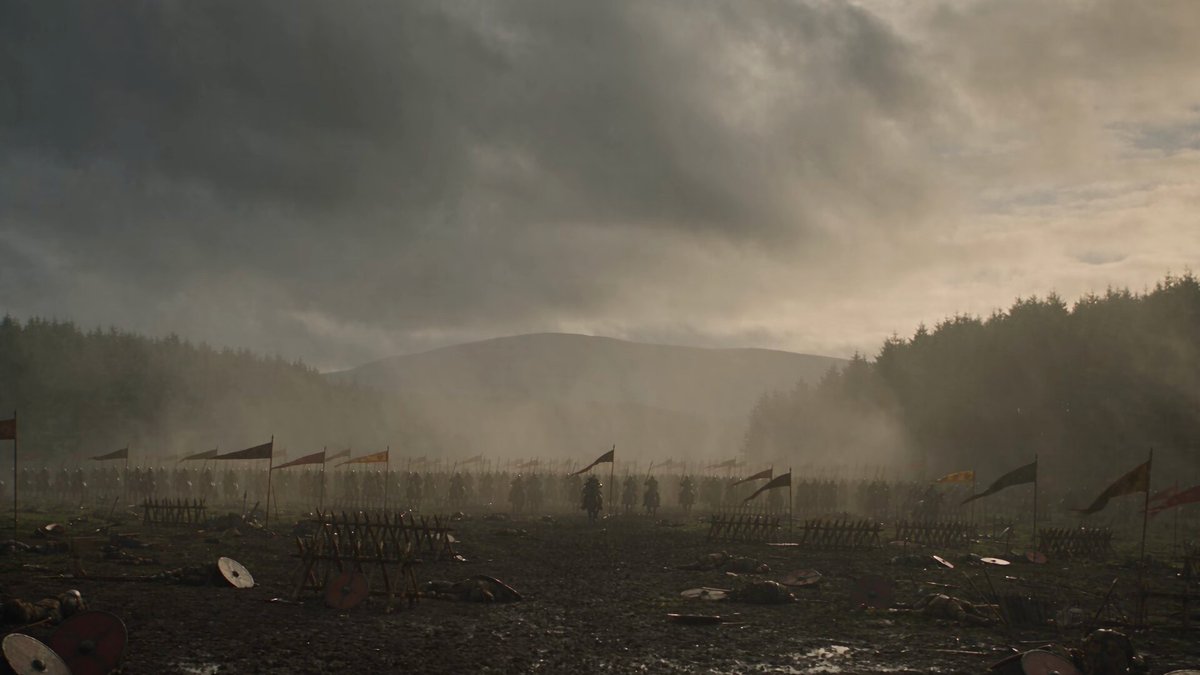
Preproduction is where most films and videos are won or lost. Long before a single shot is rendered, the decisions that shape rhythm, emotion, and continuity are made on paper. Storyboarding has always been the craft that turns a written idea into a visual map of the screen. The arrival of AI-assisted directing tools has not replaced that craft; it has changed what a single creator can achieve without a full art or camera crew. This guide explains how to plan cinematic storyboards using an AI director, from defining a clear narrative intention to mapping shots that hold together across an entire video.
Why Storyboard Planning Still Matters in Modern Video Production
The video content industry has gone through a quiet revolution. Text-to-video and image-to-video models can now produce moving pictures from a description, which is remarkable on its own. But producing a series of gorgeous images is not the same as telling a coherent story. Viewers notice when a character changes appearance between cuts, when the lighting contradicts the mood of a scene, or when the pacing stalls. The storyboard is the bridge between a loose idea and a coherent sequence of shots that a generation model can actually execute.
Think of the storyboard as the blueprint of intent. It decides the camera angle, the framing, the emotional beat, and the flow from one moment to the next. Without that intent, an AI model will happily generate fifty beautiful but disconnected shots. With it, you give the model a clear target and turn randomness into direction.
Directors and independent creators are discovering that the bottleneck of modern production is rarely the rendering engine; it is the planning that happens before the first prompt. A well-structured storyboard can cut wasted renders, reduce reshoots, and keep a multi-scene project on voice from start to finish.
Understanding the Modern Planning Environment
Traditional storyboarding required either strong drawing skills or a willingness to hire a professional storyboard artist. Both are real constraints for independent creators, marketers, and small studios. AI-assisted directing compresses that barrier by turning language and visual reference into frames.
The current environment is also defined by the sheer speed of output. Ideas that once took weeks in preproduction can now reach a first visual draft in a single day. The risk is that speed encourages shallow planning. The best results come when you treat the AI director as a capable but literal collaborator: it will follow the structure you give it, so the quality of that structure determines the quality of the final cut.
In practical terms, this means upgrading the storyboard from a sketchpad into a structured document that carries narrative goals, visual notes, and continuity rules. When the model understands what the story needs at each beat, the frames stop looking accidental and start feeling authored.
A Method for Defining Narrative Intent First
Before any shot is planned, you need a single sentence that captures what the scene is saying. This is the anchor every other decision returns to. Ask yourself what the audience should feel at the end of the sequence and what piece of information or emotion moves them from the start to that endpoint.
Write that intent in plain terms. For example, instead of "a chase scene," write "a slow, uneasy spiral where the protagonist realizes the person following them is someone they trusted." The second version carries mood and a dramatic turn. That subtlety is exactly what separates cinematic work from generic footage.
Once the intent is clear, break the sequence into beats. A beat is one change in information or emotion. Most short sequences have between three and seven beats. Give each beat a one-line purpose so that when the time comes to plan shots, you never lose sight of why a shot exists.
Translating Beats Into Shots and Framing
With the beats mapped, it is time to choose shots that express them. Framing is a language of its own: a close-up signals intimacy and tension, a wide shot establishes context and scale, an over-the-shoulder shot connects two characters in a shared space. Assign each beat a specific shot size and angle that reinforces its purpose.
A practical rule is to pair an emotional beat with how far the audience sits from the subject. When the character feels cornered, push closer. When the world closes in around them, pull back to show the surrounding emptiness. The camera can be a feeling, not just a recording device.
Write down the shot as a short specification: the subject, the framing, the camera height, and the movement. For example, "low-angle medium shot, slight push-in, character standing at a rain-streaked window." This becomes the exact instruction a generation model can interpret. Being specific costs nothing and dramatically improves the consistency of the output.
Mapping Sequence Continuity for Character Consistency
The most common failure in multi-scene AI video is the character who changes between cuts. Hair shifts color, clothing changes shape, the face becomes subtly unrecognizable. Continuity in traditional filmmaking is held together by costuming, hair, and makeup. In AI-assisted production, it is held together by disciplined reference management and clear character descriptions.
Establish a fixed identity early. Give each main character a style sheet that lists their hair, face shape, predominant colors, clothing, and a few defining features that will not change across frames. Keep that description identical in every prompt that includes the character. Small wording variations are enough to introduce drift, so treat the character sheet as an immutable contract.
Use image references as anchors wherever possible. A still image of the character, fed into the generation process alongside the shot prompt, gives the model a concrete target rather than an abstract description. Combine that still reference with your shot specification, and the model has everything it needs to keep the character recognizable while varying the angle and emotion.
Applying Cinematic Grammar and Lighting Mood
Cinematic grammar is the vocabulary that tells your audience how to read a scene. Continuity of action means respecting screen direction: if a character exits frame left in one shot, they should enter frame right in the next. Learning simple rules like the 180-degree line, the axis of action, and shot-and-reverse-shot patterns will make an AI-assisted edit feel intentional rather than random.
Lighting carries mood more than almost anything else. A warm, low source suggests comfort or nostalgia; harsh top light suggests danger; soft diffused light reads as gentle and hopeful. Decide the lighting character of the sequence before you plan shots, and carry that note through every frame. Consistent lighting is one of the fastest ways to make otherwise separate shots feel like one continuous world.
Music and sound design are part of the storyboard too, even if the frames are visual. Noting the tempo and emotional tone of the soundtrack now saves a great deal of repair work later. Rhythm in editing often follows the shape of the music, so plan cuts around the beats of the intended score.
Building a Practical Preproduction Workflow
A repeatable workflow turns the method into a habit. Begin with a one-page creative brief that holds the story intent, the audience, and the desired feelings. Then develop the beat list. From the beats, build the shot list, one row per shot with framing, movement, and a note about why it matters.
Next, prepare the character and location references. This is the step creators most often skip, and the one the output depends on most heavily. Finally, assemble a draft storyboard by running each shot specification through the generation model, reviewing the frames as a sequence, and correcting any break in continuity before full production.
Keep the storyboard in an editable format that lets you revise a single shot without redoing the rest. The whole point of planning is that a change on paper is nearly free, while a change after rendering is expensive. Exploit that difference ruthlessly.
Reviewing the Storyboard as a Sequence, Not as Singles
The hardest discipline is to stop judging frames one at a time and start reading the sequence as a whole. Place the draft frames in a timeline and watch them as a cut, the way an audience eventually will. Look for rhythm, for emotional build, for continuity breaks, and for any moment where the meaning becomes unclear.
Ask three questions for the whole sequence: Does every shot move the story forward? Does the framing vary with the emotional arc? If the audio were turned off, would a viewer still understand what is happening? Genuine cinema works without words, so your storyboard should too.
Do not be afraid to cut. A beat that does not serve the intent is a distraction, however beautiful the frame. The final cut is often tighter than the first draft, and the storyboard is the easiest place to make that edit.
Hold every frame to a short, honest test. Ask whether the image carries the intention of its beat, whether the character reads as the same person, and whether the moment speeds up, slows down, or deepens the story the way you planned. Frames that pass all three tests belong in the cut; frames that do not are candidates for another revision. This discipline, applied again and again, is what separates directors who merely generate from directors who craft.
Building a Shot List You Can Reuse Across Projects
Your planning method grows easier the second time you use it. Rather than treating each storyboard as a blank slate, build a small library of reusable pieces: character style sheets, lighting recipes, camera movement notes, and shot-timing templates. When a new project shares a mood or a format with a previous one, you can pull the relevant foundation and focus your energy on what is genuinely new about the story.
A practical way to structure the library is by emotional function. Keep a note of what worked when you wanted tension, what worked for warmth, and what worked for pacing a reveal. Describe the technique in plain, transferable language so it survives the switch from one tool to another. The library turns hard-won experience into an asset that compounds project after project.
Reuse the review questions too. A short, fixed set of checks, applied at the same stage of every project, catches recurring mistakes before they become habits. Over time the questions become second nature, and the storyboard process gets both faster and more reliable.
Frequently Asked Questions
Here are common questions creators ask when moving from script to AI-assisted storyboard.
How long should a storyboard take before rendering?
For a short video, a focused planning session of a few hours is enough to build a beat list, shot list, and character references. The goal is not perfection but clarity. Once the intent and continuity rules are stable, you can iterate on frames quickly.
Do I need drawing skills to use an AI director for storyboards?
No. The AI director works from language and reference images rather than hand-drawn panels. Your job is to describe shots clearly and review the results with an editor's eye, both of which are learnable skills.
How do I keep a character consistent across many scenes?
Fix a character style sheet and reuse the exact same description in every prompt. Anchor generation with a still reference image of the character. Keep lighting and camera rules consistent across the sequence. Consistency is a planning discipline, not a lucky accident.
What is the difference between a shot list and a storyboard?
A shot list is a table of instructions, one row per shot. A storyboard turns those instructions into visual frames so you can see the sequence before production. Most modern workflows use both: a shot list for precision and frames for intuition.
Can I plan for audio and music in a storyboard?
Yes, and you should. Add a column for music notes and sound direction alongside each shot. Sync points in the score become natural cut points. Sound is half of cinema, so the plan should acknowledge it.
Final Thoughts on Crafting Cinematic Sequences
The history of filmmaking shows that great directors plan relentlessly. The tools change, but the discipline endures. An AI director does not remove the need for authorship; it rewards it. The creators who think in beats, set clear intentions, guard their continuity, and review their work as a sequence are the ones whose output feels like cinema rather than a slideshow.
Start smaller than you think. Pick one scene, apply the full workflow, and study the difference between a random prompt draft and a planned storyboard sequence. That single comparison will teach you more about preproduction than any amount of reading.
The screen is a canvas, and the storyboard is how you decide what to paint. Give the generation model a clear map, protect your characters, and plan for the emotions you want your audience to feel. Do that, and the frames will finally look like they belong to one story, told on purpose.
