
From generated clips to coherent stories
The generative AI video market is growing fast, but volume is not the problem anymore. The real bottleneck is creative control. Anyone can generate a visually stunning clip; very few can string those clips into something that feels like a story — with intentional pacing, deliberate shot selection, and characters that stay consistent across scenes.
In 2025, audiences expect visual quality comparable to studio productions. That puts enormous pressure on individual creators. The shift that matters now is from "generating video" to "directing video": deciding how each shot should be framed, how fast the edit should move, and how the emotion of a scene translates into camera language.
This is where directorial AI assistance changes the game. It embeds filmmaking knowledge directly into the generation pipeline, so you do not need a film degree to get professional results.
Why raw prompting is not enough
Prompt engineering gets you a clip, but not a story. Cinematic storytelling depends on visual grammar: shot types, lens choices, movement mechanics, and the rhythm between cuts. Describing a "tense mood" in a prompt is unreliable — the model might interpret it ten different ways.
A directorial assistant solves this by translating narrative intent into concrete visual decisions. When you ask for a tense scene, it knows to suggest low-key lighting, a specific camera angle, and a shallow depth of field. When you ask for a reveal, it knows the moment needs a slow push-in or a rack focus to draw the eye.
This is the difference between describing what you want and knowing how to achieve it.
The three pillars of directorial assistance
1. Composition and framing
Amateur framing is one of the biggest tells of low-quality AI video. A directorial system analyzes the emotional content of your scene and suggests the right shot: wide angles and low perspectives for action and scale, close-ups and over-the-shoulder shots for intimate character moments.
For practical guidance, start with a text-to-video tool and describe both the content and the framing: "wide shot of a figure entering a rainy street, camera low, neon reflections." The more you specify camera language, the more cinematic the result.
2. Pacing and sequence flow
Pacing is traditionally a post-production task, but with AI it can be managed during generation. A frantic sequence needs short clips and rapid cuts; a tension-building scene needs longer takes and slow, deliberate camera movement.
A directorial assistant automates this: it shortens clip durations for fast sequences, extends them for slow builds, and manages transitions so that moving between wildly different visual styles does not feel jarring. When you stitch clips from different models together, this rhythm management is what keeps the narrative flowing.
3. Character and location consistency
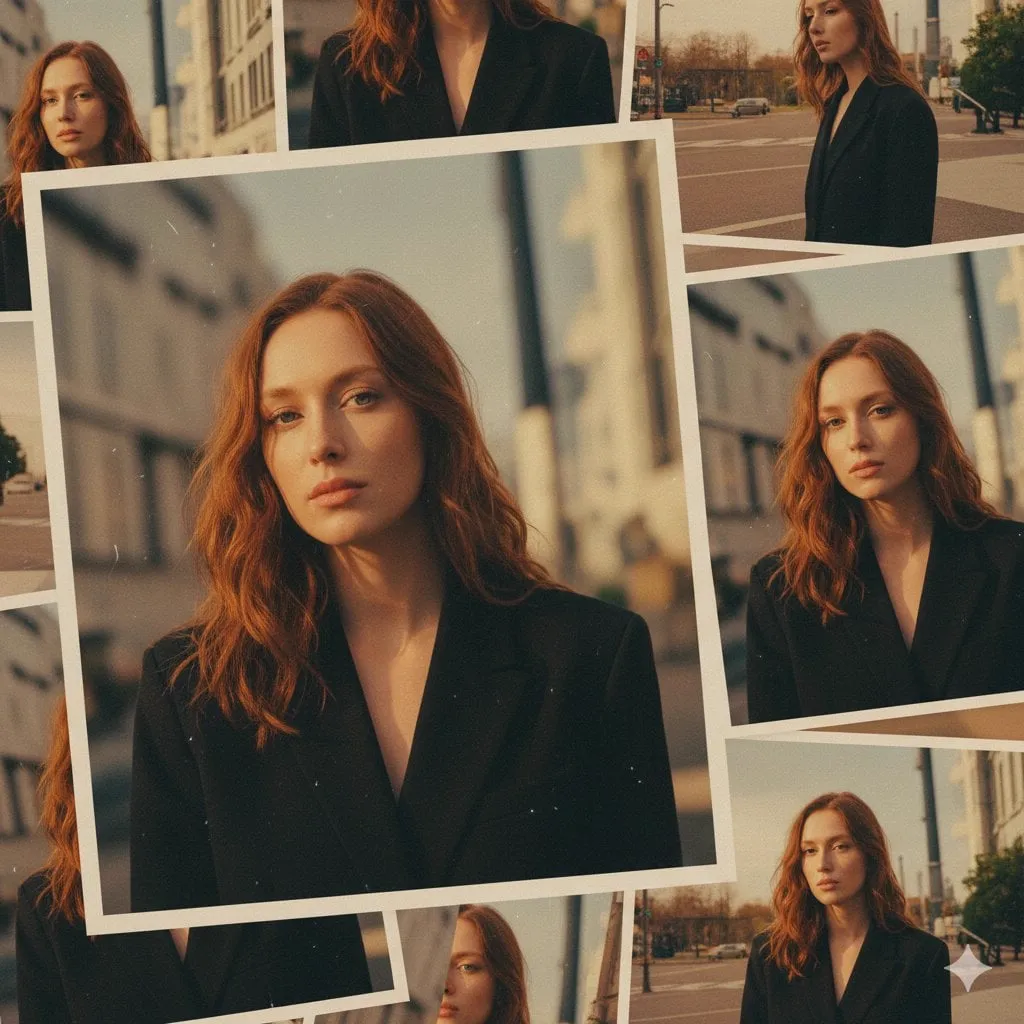
The Achilles' heel of AI video has always been character drift: the same character changes face, costume, or proportions between scenes. Multi-reference image input is the foundation of the fix — you define the character with several reference images and lock the key visual features.
But consistency is not only about the character. It is also about the world: if a scene establishes "dusk in a rainy metropolis," the next scene in that location should keep the same time of day and atmosphere unless you deliberately change it. Enforcing that continuity across dozens of generated shots is what separates a story from a collection of clips.
For character-driven projects, build the visual foundation with an AI image generator, then animate each scene from those reference images using image-to-video. Consistent inputs produce consistent outputs.
Choosing the right model per scene
No single model is best for everything. A good workflow treats models like a toolbox:
- Photorealism for product shots and dramatic close-ups.
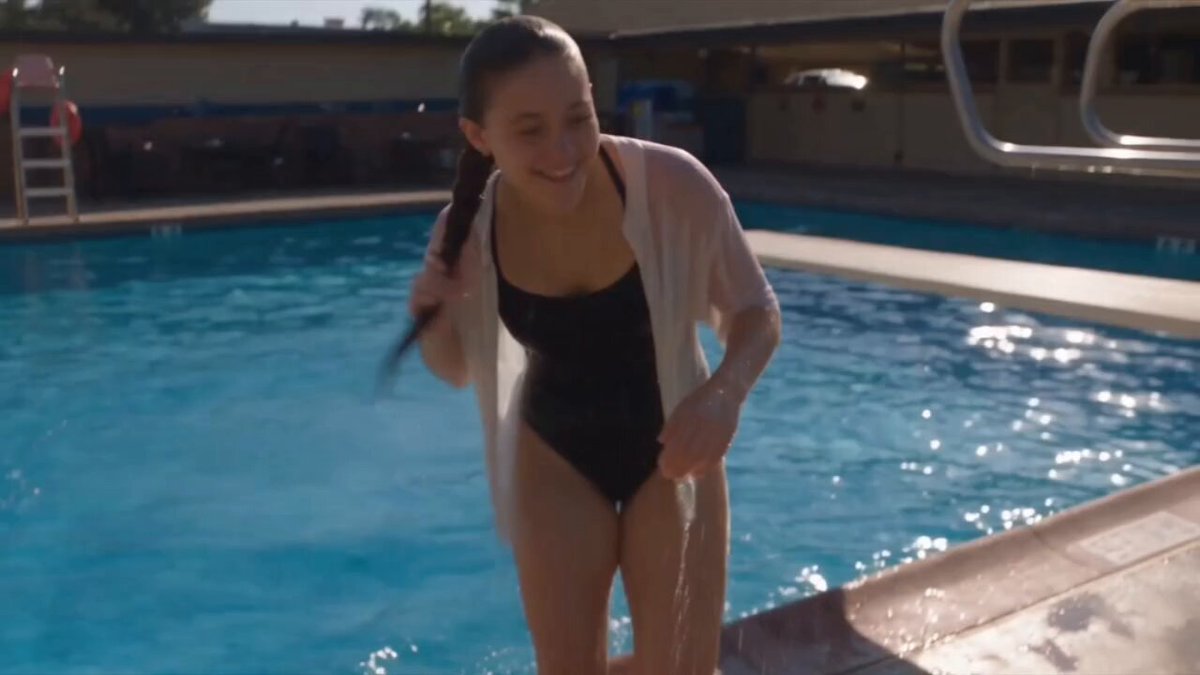
- Physical realism for documentary-style scenes where believable motion matters.
- Stylized generation for anime, illustration, or branded looks.
- Fast, light models for mood boards, prototyping, and test renders.
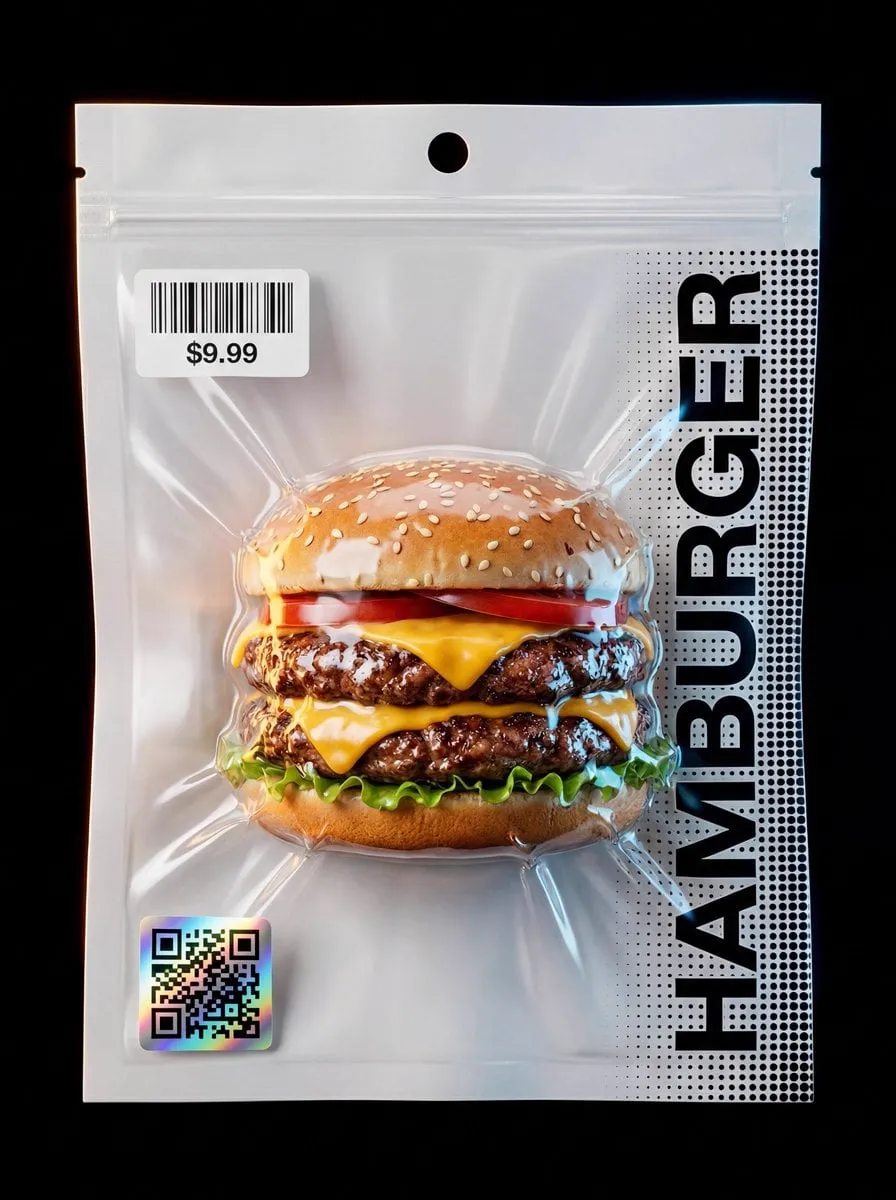
A directorial system can orchestrate this selection automatically, matching the most cost-effective model to each narrative requirement. That does not just improve quality — it manages your budget, saving expensive rendering for the scenes that truly need it.
Practical workflow for cinematic AI video
- Write narrative beats first: decide what happens, scene by scene, before generating anything.
- Establish the look: generate character sheets and environment references to lock the visual identity.
- Plan the shots: write framing and camera movement into your prompts, or use a directorial assistant's suggestions.
- Generate scene by scene: keep reference images as anchors; do not regenerate a character from scratch each time.
- Manage transitions: cut on action, match tone between scenes, and avoid jarring style jumps.
- Review the arc: watch the full sequence, not individual clips, and fix pacing issues before finalizing.
The commercial advantage
Directorial quality is not just aesthetic — it is a business metric. Projects directed with AI assistance consistently show faster iteration time than purely prompt-driven workflows. Less time re-rolling bad takes means more finished content, and more finished content means more room to test what resonates.
For creators who publish models or sell video assets, the quality signal is even more direct: content with strong narrative coherence and scene consistency is far more likely to be noticed, shared, and monetized than technically flawed pieces. Consistency is what makes a body of work feel like a brand.
Start directing today
You do not need to master cinematography theory to start. Take one idea, write three narrative beats, and generate each scene with a clear shot description. Compare the result with a version generated without framing guidance — the difference will convince you.
Tools like the AI video generator give you the model variety you need, while a disciplined workflow gives you the story. Combine the two, and your next video will stop looking like AI output and start looking like cinema.
