
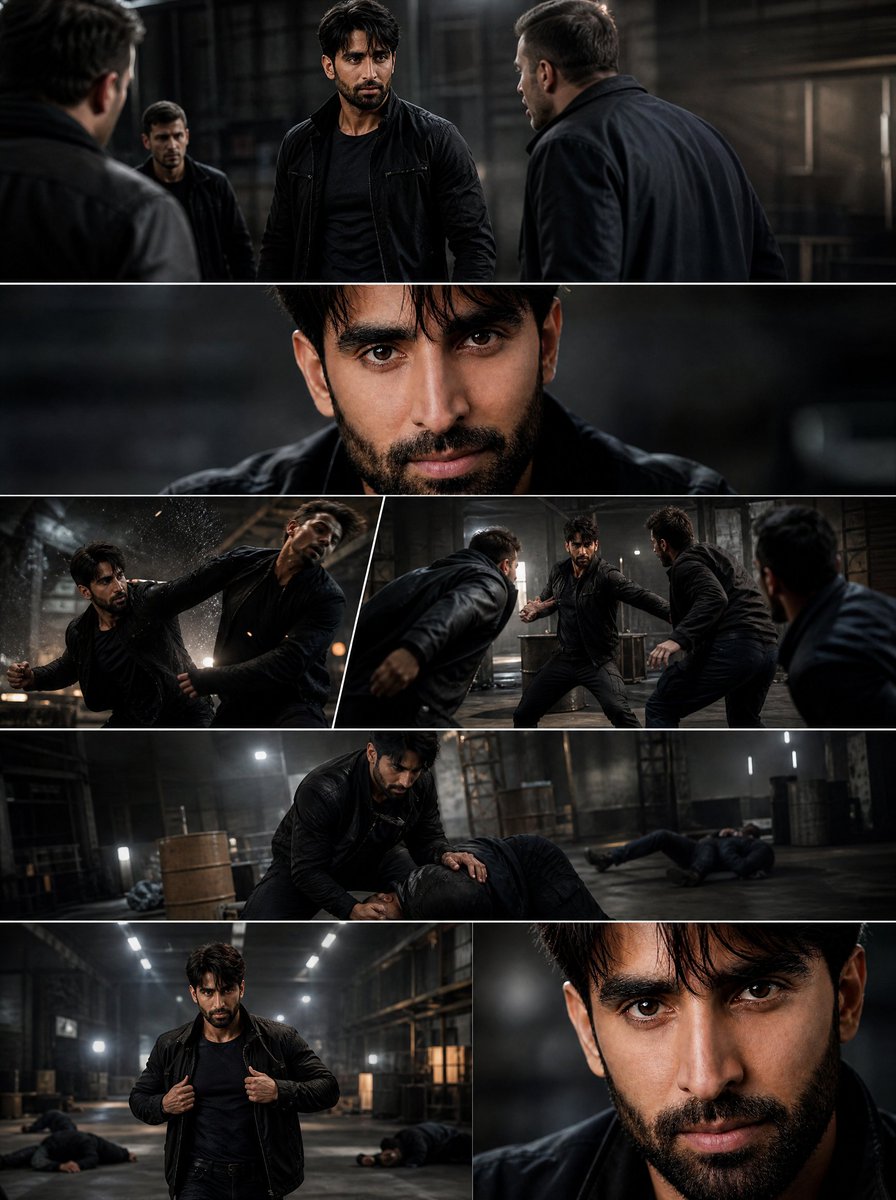


The Secret to Cinematic Video: Modern AI Transition Effects and AI Music Studios
Video production changed fundamentally in 2025. The old workflow was linear: shoot, cut, add transitions, add music, export. The new workflow is generative: describe what you want, let AI create the footage, and use intelligent tools to shape transitions, pacing, and sound. The result is that creators can now produce footage with a cinematic feel that used to require a full production team. The catch is that the craft moved: instead of learning how to operate a camera and edit in a nonlinear editor, you now need to learn how to direct an AI system.
This guide focuses on two areas that separate amateur AI videos from cinematic ones: transition effects and AI-generated music. Both are deceptively simple to use and surprisingly hard to master. If you understand the principles behind them, your videos will look intentional, polished, and emotionally effective.
Why Transitions Became a Creative Tool Instead of a Decoration
In traditional editing, transitions like wipes, dissolves, and fades were mostly functional: they helped the cut feel less abrupt. With generative video, transitions have become part of the storytelling itself. A modern AI transition is not a preset between two clips; it is a generated sequence that bridges scenes contextually. The model understands where the story is going and creates a bridge that matches the emotional tone, the camera movement, and the visual style.
This changes how you plan a video. Instead of thinking "clip A, clip B, transition between them," you think "scene A ends, scene B begins, and the bridge between them should feel like X." The transition becomes a creative decision, not a technical afterthought.
Understanding Generative Transition Effects
The Classic Grammar Still Applies
The vocabulary of film transitions remains useful even when AI does the work. A match cut connects two scenes through a visual similarity: a spinning wheel becomes a spinning record, a closing door becomes a closing laptop. A dissolve layers one image over another, suggesting the passage of time or a dreamlike connection. A wipe pushes one scene aside to reveal the next. These classic techniques still communicate meaning, and AI models trained on cinematic datasets can generate them with remarkable smoothness.
Contextual Transitions
The real power of modern models is contextual transitions. Instead of applying a fixed effect, you describe what should happen between scenes, and the model generates footage that follows naturally from the last frame of scene A and leads into the first frame of scene B. For example: "the camera pushes through a doorway, and as it exits, we are in the next scene." The model creates the whole movement, including the transition itself, as part of the footage. This produces seamless, continuous motion that feels nothing like a preset effect.
Motion-Based Transitions
Movement is the most reliable bridge between scenes. If scene A ends with a camera moving right, and scene B begins with a camera moving right, the edit feels natural even without an explicit transition effect. This is why motion-based transitions and match cuts are so powerful in generative video: they use the physics of the footage to create continuity. When you plan your shots, think about the direction and speed of camera movement in adjacent scenes.
How to Plan and Direct AI Transitions
Start with the Emotional Arc
Every transition should serve the story. Ask yourself what the viewer should feel at the moment of change: surprise, continuity, the passage of time, a shift in location? Define that feeling before you decide on the technique. A hard cut can be more powerful than a fancy transition if the emotional logic demands it.
Describe the Bridge in the Prompt
When you want a generated transition, describe the bridge explicitly. Do not write "add a transition here." Write what happens: "the camera slowly tilts up from the character's hands to the sky, and the clouds dissolve into the next scene's ceiling." The model needs concrete visual information, not editing terminology.
Use Reference Frames
The most reliable way to create a smooth transition is to control the endpoints. Use the last frame of scene A and the first frame of scene B as reference frames, and ask the model to generate the bridge between them. This guarantees that the transition connects visually instead of producing a generic morph that fits neither scene.
Keep It Sparse
Not every cut needs a generated transition. Overusing flashy transitions is a hallmark of amateur editing. Use generative transitions where they add meaning, and use simple cuts everywhere else. The contrast makes the meaningful transitions stand out.
AI Music Studios: Building the Soundscape
Why Music Matters More Than You Think
Audio carries a disproportionate share of perceived quality in video. The same footage with different music feels like a completely different piece. A cinematic video needs a soundtrack that matches its emotional rhythm: tension, release, momentum, and stillness. AI music tools have reached the point where they can generate original tracks that fit a described mood, genre, tempo, and duration, which means creators no longer need to search stock libraries for hours.
Generating Music That Fits the Edit
The best workflow generates music after you have a rough cut, so you know the pacing. Describe what you need: genre, mood, tempo in BPM, duration, and the emotional shape of the track (build, drop, fade). Generate several variations and listen with the picture. AI music tools are fast, so iterate until the track supports the edit rather than fighting it.
Audio-Visual Synchronization
The strongest videos synchronize musical events with visual events: a beat hits as the scene changes, a cymbal crash lands on the reveal, a bass drop coincides with the title card. With AI music, you can request stems or sections, then place them precisely against your timeline. Some tools generate music that adapts to the video's rhythm automatically. Even without that, you can generate music in sections and edit it to match your cuts.
Sound Design Beyond Music
A cinematic feel also comes from the details: room tone, footsteps, wind, ambient noise, subtle foley. AI can generate these too. Adding a layer of ambient sound underneath the music makes the video feel physical and grounded. Many creators skip this step, which is exactly why videos that include it stand out.
Vertical Content and the Viral Loop
Short-form vertical video has its own rules. The viewing session is fast, the attention span is short, and the loop matters: the end of the video should connect to the beginning so the viewer can watch it again seamlessly. AI transitions and music both serve the loop. A transition that returns the final frame to the first frame makes the loop invisible. Music with a clean rhythmic structure makes the repeat feel intentional. When you design for vertical platforms, plan the loop from the start: decide how the last shot will visually rhyme with the first.
Keeping Characters Consistent Across Scenes
Transitions connect scenes, but the scenes themselves need continuity. The biggest credibility killer in AI video is a character that changes appearance between shots. If you build a video with multiple scenes featuring the same character, use reference images and multi-image fusion to lock identity. The transition can be beautiful, but if the character changes, the viewer disconnects. Consistency is the foundation; transitions and music build on top of it.
A Practical Workflow for Cinematic AI Video
Step 1: Write the One-Line Story
Before anything else, write the story in one sentence: "A traveler finds an abandoned city and discovers it is alive at night." This sentence guides every decision: shots, transitions, music, pacing.
Step 2: Storyboard the Scenes
List the scenes and the emotional state of each one. Note where the story changes direction, because those are the spots that deserve a meaningful transition.
Step 3: Generate with Reference Discipline
Generate footage scene by scene, using consistent character and style references. Generate variations and select for continuity, not just single-frame beauty.
Step 4: Build the Rough Cut
Assemble the selected clips in your editor. Watch the sequence as a whole and mark where the pacing drags or jumps.
Step 5: Design the Transitions
For the marked moments, decide what the viewer should feel, then generate the bridge with reference frames. Keep transitions sparse and meaningful.
Step 6: Create the Soundtrack
Generate music that matches the mood and pacing. Listen with the picture, adjust sections, and add ambient sound for depth.
Step 7: Grade and Export
Unify color across clips so the whole video shares one look. Add titles, check the loop, and export for your target platform.
The Role of AI Music in Brand Identity
Beyond individual videos, AI music has a strategic use: building a recognizable audio identity. A brand that uses the same musical motifs, tempo range, and emotional tone across all its videos becomes instantly recognizable even before the visuals appear. With AI music tools, you can generate a family of tracks that share a harmonic language, then reuse them across a campaign or a series. This is the audio equivalent of a consistent color palette, and it costs almost nothing to produce. Start by defining the emotional character of your brand, generate a few base tracks, and build variations from them. Over time, the sound itself becomes a brand asset.
Common Mistakes to Avoid
- Using transitions as decoration. Every transition should serve the story or the viewer will feel the emptiness.
- Generating music before the edit. You will waste time matching a track to a cut that changes.
- Ignoring character consistency. Beautiful transitions cannot fix a character that changes between scenes.
- Overusing effects. Sparse, meaningful transitions beat constant flash.
- Skipping ambient sound. Music alone feels thin; add room tone and subtle effects.
- Forgetting the loop on vertical platforms. The last frame should connect to the first.
Frequently Asked Questions
Do AI-generated transitions work with any footage?
They work best when you control the endpoints. If you supply the last frame of scene A and the first frame of scene B, the generated bridge connects properly. Without reference frames, results are less predictable.
Can I use AI music commercially?
Most AI music tools allow commercial use, but check each platform's license. Some free tiers restrict commercial usage or require attribution. Verify before you publish.
How long does it take to generate a transition or a track?
A transition can take from seconds to a few minutes depending on the model. A full AI music track typically generates in under a minute, with longer tracks taking longer. Plan for iteration either way.
Is a match cut the same as an AI transition?
Not exactly. A match cut is a technique where two scenes connect through visual similarity; it can be achieved with simple cutting. An AI transition generates the connecting footage itself, which allows more complex bridges like camera moves through doors or spatial morphs.
Do I need professional audio equipment?
No. The video's soundtrack is generated, and you can edit it with free or low-cost tools. A decent pair of headphones and a quiet room are enough to evaluate whether the music works with the picture.
What is the most important factor for a cinematic feel?
Consistency: consistent characters, consistent style, consistent lighting, and consistent sound. Viewers forgive many imperfections, but they notice when a video falls apart into disconnected pieces. Build consistency first, and the polish will follow.
Final Thoughts
Cinematic video is no longer reserved for people with expensive cameras and large crews. AI tools now handle the footage, the transitions, and the music, and the craft has shifted to direction: planning the story, choosing what the viewer should feel at each moment, and keeping everything consistent. Master the two skills in this guide, contextual transitions and AI-generated soundscapes, and your videos will move from looking like generated clips to feeling like intentional films. The technology changes quickly, but the principles, story first, consistency always, and sound as half the experience, will serve you in every future tool.
