

Why the Boundary Between Live-Action and Animation Keeps Moving
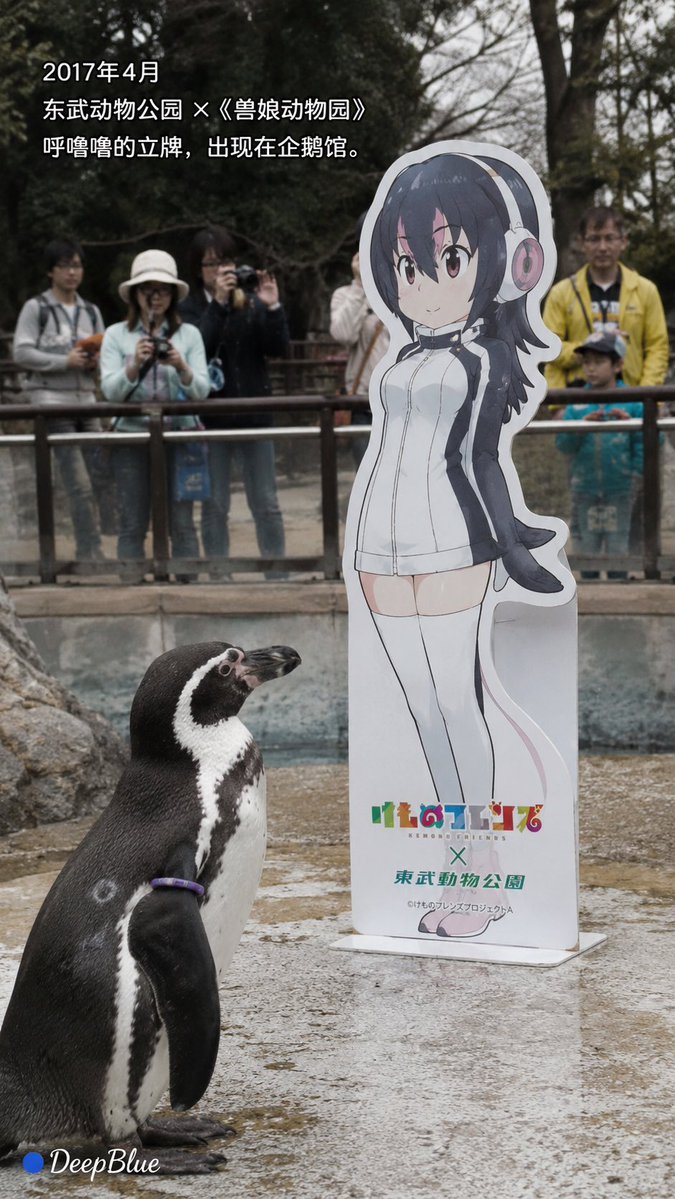
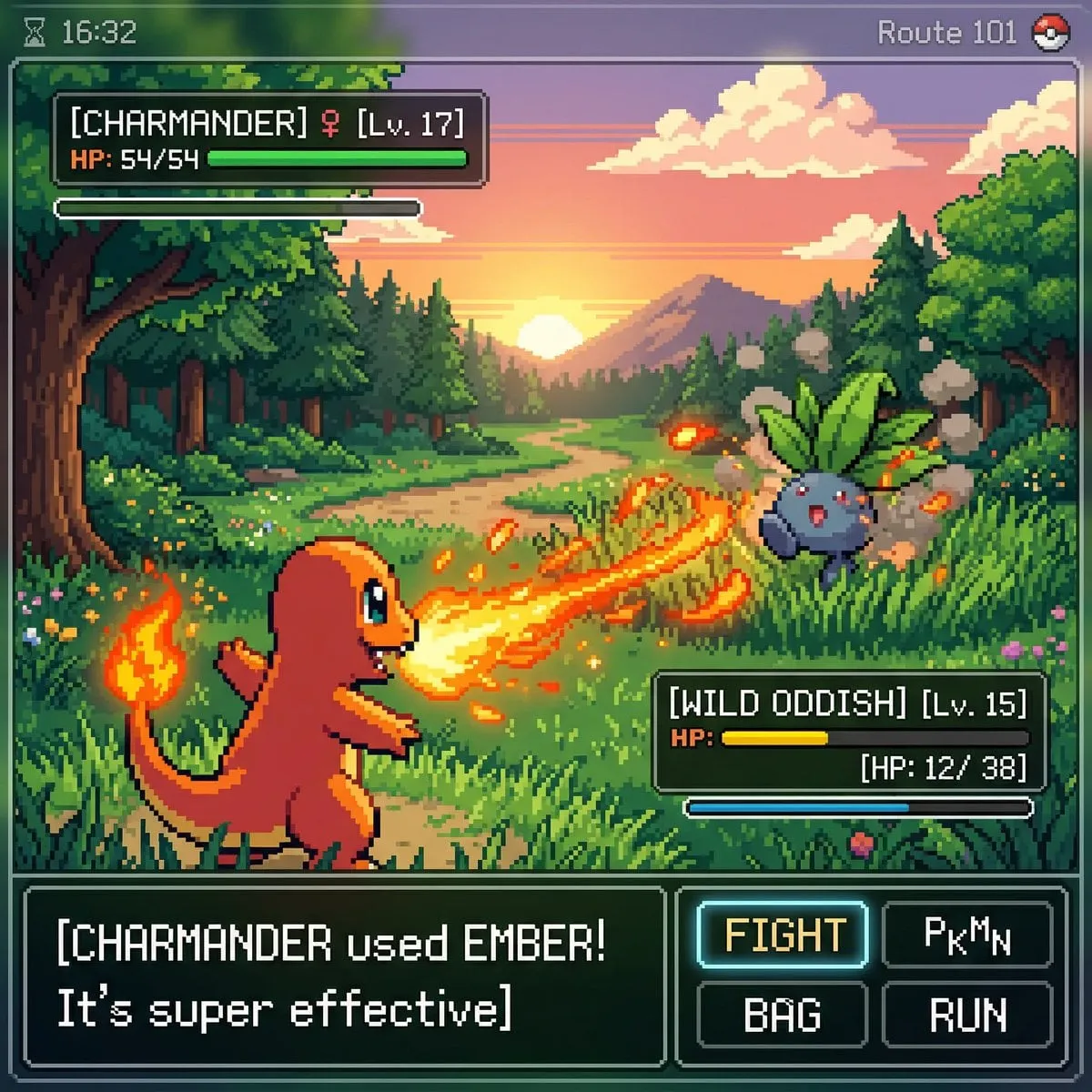
For most of film history, the choice was binary. You either pointed a camera at something real, or you drew, modeled, or rendered a world that never existed. Directors picked a lane, and the crew, budget, and schedule followed from that decision. That binary is gone. Modern generative video tools let a single creator produce a shot that reads as photographic realism in one frame and as stylized illustration in the next, often inside the same timeline and the same afternoon.
The useful question is no longer "live-action or animation?" It is "how much of each, where, and why?" That reframing matters because the two disciplines solve different problems. Cinematography delivers credibility, texture, and the physical logic of light. Animation delivers total control over timing, physics, and possibility. A hybrid approach lets you borrow whichever strength a given moment needs, instead of committing your entire project to one visual grammar.
This guide is a practical map of that hybrid workflow: how to make style decisions, how to plan shots, how to keep characters and environments consistent across dozens of generated clips, and how to avoid the traps that turn AI-assisted video into a slideshow of unrelated experiments.
What Each Discipline Actually Brings to a Hybrid Project
The Cinematographer's Toolkit
Cinematography is a discipline of constraints. A lens compresses or widens space. A light source creates direction, contrast, and mood. Camera movement implies psychology: a slow push suggests realization, a handheld drift suggests unease, a locked-off wide suggests detachment. Because these rules are grounded in physics, audiences read them instantly, even without film training.
When you generate video with AI, those same rules still apply. Prompting for "a wide shot with warm practical lights and a shallow depth of field" carries years of visual shorthand. The models do not always obey perfectly, but they respond to the vocabulary. That is why cinematographic literacy is now a production skill, not just an on-set one.
The Animator's Toolkit
Animation solves the constraints cinematography accepts. You can place a camera anywhere, at any speed, with any focal length, and nothing breaks. You can hold a pose for dramatic effect, stretch time, squash physics, or design a creature whose anatomy would collapse under real gravity. Timing becomes a creative dial rather than a logistical limit.
Generative tools inherit part of this freedom. You can ask for impossible camera moves, morphing environments, and exaggerated motion. The tradeoff is predictability: the further you move from photographic reality, the more you need to direct the output frame by frame or shot by shot.
Where the Two Overlap
Both disciplines are, at heart, about guiding attention across time. Both depend on staging, silhouette, color contrast, and rhythm. A well-lit interview and a well-animated dialogue scene share more DNA than most people assume. Once you see that overlap, hybrid work stops feeling like a compromise and starts feeling like a toolkit.
Anatomy of an AI-Assisted Hybrid Workflow
Phase 1 — Concept, References, and Visual Language
Start on paper. Write a one-paragraph premise, then collect a reference board: stills, paintings, film frames, animation cels, lighting studies. Group references into two columns. One column is your "anchored" look, the realistic register. The other is your "expressive" look, the stylized register. Decide in advance which parts of the story live in each.
The most common failure in hybrid video is deciding style shot by shot with no overarching rule. That produces a piece that feels random rather than deliberate.
Phase 2 — Shot List, Style Frames, and Previsualization
Build a shot list with four columns: shot number, description, duration, and visual register. Then generate or sketch a single style frame per shot. Style frames are cheap; re-generating a finished clip is not. A storyboard of fifteen still images will reveal pacing problems before you spend hours on motion.
At this stage, define your recurring elements explicitly: character wardrobe, key props, color temperature, and the lens language for each register. If your realistic register uses 35mm-equivalent framing and your stylized register uses wide-angle distortion, write that down. Consistency is a plan, not a hope.
Phase 3 — Generation, Variation, and Selection
Generate in passes. First pass: rough motion and composition, low commitment. Second pass: refine the shots that survived. Third pass: polish only the shots that made the edit. This mirrors how animation studios work through blocking, roughs, and cleanup, and it prevents you from over-investing in clips that will be cut.
Keep every take, labeled. Generative video is non-deterministic, and a rejected take often contains a fragment — a hand gesture, a lighting flicker, a background detail — worth reusing.
Phase 4 — Assembly, Sound, and Grade
Hybrid footage needs a unifying layer. A consistent color grade, a shared grain or texture pass, and a coherent sound design do more to sell stylistic mixing than any single generation prompt. Sound is especially powerful: realistic ambience under a stylized image reads as intentional, while mismatched audio reads as an error.
Assemble in your editor of choice, cut for rhythm first, then refine timing. Only after the picture locks should you spend time on final generation quality for hero shots.
Choosing a Generation Approach Shot by Shot
Text-to-Video, Image-to-Video, and Video-to-Video
Text-to-video is fastest for exploration and abstract or stylized sequences. It gives the model maximum freedom, which is exactly what you want when the shot has no strict continuity requirements.
Image-to-video gives you a fixed first frame, which is the single most reliable consistency tool available. If a character must look identical across five shots, generate a strong still of that character once, then animate it in short increments.
Video-to-video, or restyling existing footage, is the bridge between registers. Shoot a real scene with a phone or camera, then transform it into an illustrated or painterly look. The motion is grounded because it came from reality, while the surface is designed. This is often the fastest route to a convincing hybrid aesthetic.
A Simple Decision Framework
Ask three questions. Does this shot need a specific face or object to match another shot? Does the motion need to be physically believable, or can it be expressive? How much time can you afford per finished second?
If continuity is critical, start from a still. If motion realism matters, start from real footage. If neither applies, generate freely and pick the best result. Time budget then decides how many passes you can afford.
Solving the Consistency Problem
Characters and Faces
Character drift is the number one complaint about AI-generated sequences. The fix is to reduce the number of variables the model has to invent. Lock the wardrobe, hair, and lighting direction in your prompt template. Reuse the same reference still across shots. Keep shots short, and avoid dramatic changes in camera angle between consecutive clips of the same character unless the cut justifies it.
Environments and Props
Treat locations like characters. Build a location sheet with one wide establishing image and three detail images, then reference them when generating new angles. If a scene happens in a kitchen, decide where the window is, what color the cabinets are, and which side the light comes from. Those three facts will keep twenty shots feeling like one room.
Style Locking
Style lock is about repeating a formula rather than chasing novelty. Write your look as a short, reusable phrase: film stock, contrast level, palette, grain, lens character. Paste it into every prompt for that register. When a shot looks off, compare it against the formula before you blame the model.
Art Direction for Coherent Hybrid Pieces
Hybrid work succeeds when the transitions feel motivated. A character's memory, a hallucination, a story within the story, a shift in emotional register — these are all natural excuses to move between photographic realism and stylization. Random cutting between registers feels like technical error; motivated cutting feels like language.
Design your pivots. If a scene begins realistic and becomes animated, plan an intermediate image that blends the two: heightened color, softened edges, a slightly unreal light source. Audiences accept a bridge far more readily than a jump.
Also consider restraint. A ninety-second piece with two stylized sequences lands harder than one that switches every ten seconds. Scarcity gives the expressive register its power.
Budget, Timeline, and Team Structure
Generative pipelines shift cost from production days to iteration time. A realistic live-action day is expensive and difficult to repeat; a generation pass is cheap and infinitely repeatable, but it consumes attention. Plan your schedule around review cycles, not shoot days.
For a small team, three roles matter: a director who owns the visual language, a prompt and generation operator who can produce reliable takes, and an editor who can find rhythm in inconsistent material. One person can wear all three hats on a short piece, but separating review from generation prevents you from falling in love with your own takes.
For larger productions, add a continuity lead. Their only job is to maintain the reference library — character sheets, location sheets, prompt formulas — and to flag drift before it reaches the edit.
Common Mistakes That Kill Hybrid Projects
Changing style without a story reason. If the audience cannot explain why the look shifted, they read it as an accident.
Generating finished shots too early. Polishing a clip that gets cut in the first assembly is pure waste.
Ignoring audio. Weak sound design exposes every visual inconsistency. Strong sound sells stylization instantly.
Overloading prompts. Long prompts dilute focus. Six to twelve specific, prioritized details usually beat a paragraph of adjectives.
No reference library. Without locked stills and written formulas, every new shot is a fresh gamble.
Chasing maximum resolution first. Composition and motion matter more than pixel count until the very end of the pipeline.
A Practical Starter Project
Build a sixty-second hybrid short to learn the workflow end to end. Choose a simple premise: someone walks through a familiar space and the environment slowly becomes illustrated around them.
Step one: write a six-shot list, three realistic and three stylized. Step two: generate one style frame per shot. Step three: capture or generate a two-second plate for each realistic shot. Step four: animate each shot in short increments, reusing reference stills. Step five: cut to a temp music track. Step six: add one unifying grade and a single ambience bed. Step seven: replace only the shots the edit demands.
That exercise will teach you more about consistency, pacing, and prompt discipline than any tutorial, because it forces you to reconcile two visual languages inside one timeline.
FAQ
Is AI-generated video replacing cinematography?
No. It is adding a production layer that sits between photography and animation. Craft knowledge about light, lens, and staging is more valuable than ever, because it is now the vocabulary you use to direct a model.
Can I mix real footage and generated footage in one project?
Yes, and it is one of the strongest approaches. Real footage provides grounded motion and believable physics; generated footage provides environments, effects, and stylized inserts you could not afford to shoot.
How do I keep a character consistent across many shots?
Lock a reference still, keep the wardrobe and lighting descriptions identical, generate short clips, and avoid unnecessary changes in camera angle between consecutive shots.
Do I need animation experience to work this way?
Not formal experience, but timing literacy helps enormously. Study how animation holds poses and controls rhythm; those principles transfer directly to generated motion.
What is the fastest way to test a hybrid look?
Take one existing clip you already own and restyle it. You get grounded motion with a designed surface in minutes, which lets you judge the aesthetic before committing to a full pipeline.
How long should generated shots be?
Short. Two to five seconds per generation is usually enough for a cut, and shorter clips drift less. String them together in the edit rather than generating long continuous takes.
Key Takeaways
The debate between cinematography and animation has quietly become a design question rather than a technical one. Photographic realism gives your work weight; stylization gives it range. The hybrid workflow wins when you plan the registers in advance, lock references obsessively, generate in cheap passes, and let sound and color do the final unifying work. Start small, keep a reference library, and treat every generation as a draft until the edit tells you otherwise — that discipline, more than any single tool, is what separates a coherent hybrid piece from a folder of interesting clips.
