
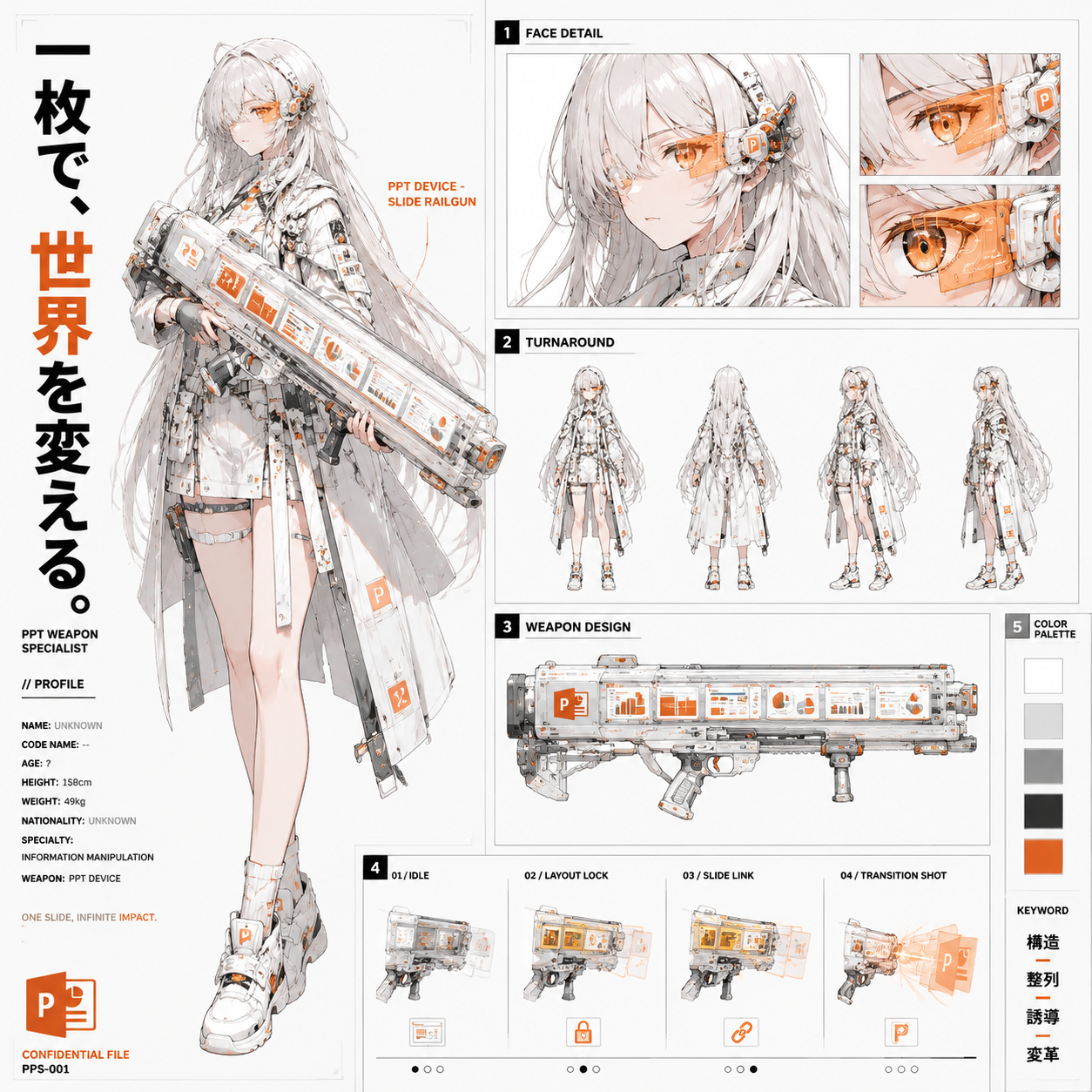

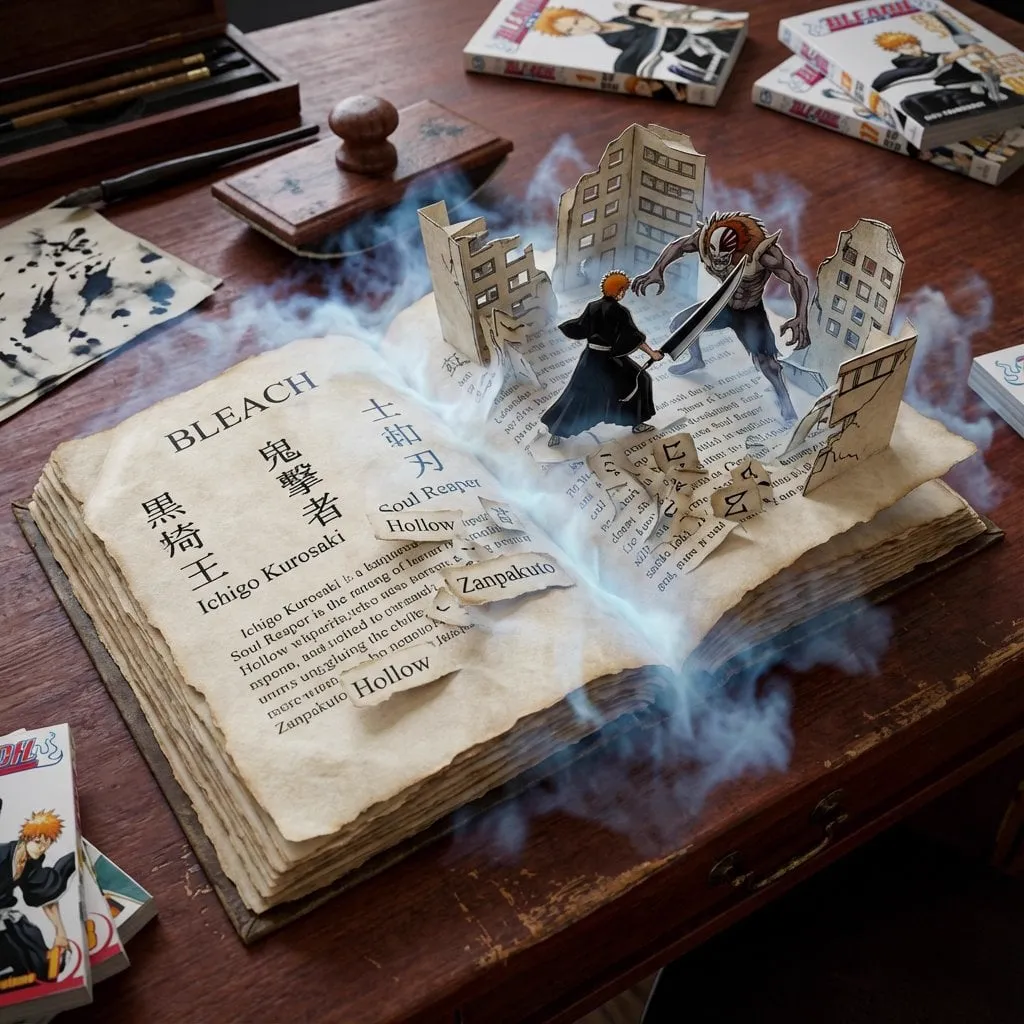
Ask anyone who has tried to make an AI video series, and they will name the same wall: character consistency. The first scene gives you a striking protagonist with a recognizable face. The second scene gives you someone who looks related but wrong. By the third scene, the character has become a stranger, and the story collapses under the weight of the inconsistency.
This is the defining problem of AI video production in 2025. Single clips are easy; coherent narratives are hard. The technology has evolved to the point where the bottleneck is no longer raw generation quality, it is identity management across scenes. The good news is that the problem has a solution, and it is a discipline, not a miracle. This guide explains why character drift happens, how multi-reference fusion solves it, and how to build a production workflow that keeps one character stable through an entire project.
Why Character Drift Happens
Before fixing the problem, it helps to understand its causes. Character drift is not random failure; it is the predictable result of how video generation models work.
The Text-Only Trap
When you describe a character only with words, the model builds an interpretation from your description, plus its own training priors. Run the same prompt twice and you get two different people, because the model samples from a distribution of plausible interpretations. Words cannot pin down the specific nose, the exact jawline, the precise scar placement that make a character feel like one person.
The Single-Reference Problem
Using a single reference image helps, but it anchors only what that image shows: one angle, one lighting condition, one expression. When the next scene demands a different angle or different lighting, the model has to extrapolate, and extrapolation is where identity wanders. The reference image that looked so helpful in scene one becomes the seed of inconsistency in scene five.
The Context Drift Effect
Models are also influenced by context. A character described as "a weary knight" in one scene and "a fierce warrior" in the next can shift identity because the semantic context pulls the generation in different directions. The model is not trying to be inconsistent; it is faithfully executing two different briefs that happen to describe the same person differently.
Multi-Reference Fusion: The Core Technique
The solution that emerged from all this is multi-reference fusion: feeding the model several images of the same character instead of one. The technique works because a set of images contains information no single image can: the character's identity across angles, lighting conditions, and expressions.
Building the Reference Set
A good reference set covers variation deliberately. Start with three to five images: a front-facing portrait, a three-quarter view, a side profile, an action pose, and a close-up showing distinctive features like a scar, a tattoo, or unusual eye color. Include at least two different lighting conditions. The goal is to give the model a complete identity vector, the set of stable features that define this person regardless of circumstance.
The Identity Lock Principle
Think of the reference set as an identity lock. Before any generation, you define the character completely enough that the model can separate permanent traits, face shape, hair, build, distinguishing marks, from variable traits, lighting, expression, clothing state. The more complete the lock, the more freedom the model has to vary the scene without losing the person.
What to Do When a Scene Drifts
When a generated scene comes back with an inconsistent character, resist the urge to change the prompt text. The prompt is rarely the problem. Strengthen the reference set instead: add an angle that matches the failing scene, or a lighting condition closer to the scene's environment. The fix is almost always more reference information, not more words.
How Fusion Works Under the Hood
Understanding the mechanism helps you use it well. Fusion techniques operate in the model's latent space, the internal representation where images and video frames live as compressed vectors.
The Latent Space Normalization Layer
A common architectural approach is a normalization layer that aligns the reference images into a shared identity representation before generation begins. The layer extracts the consistent features across the references, the face structure, the proportions, the style markers, and discards the inconsistencies, the different lighting, the different poses. The generation then works from this normalized identity, which is why the output stays recognizable across dramatically different scenes.
Why This Beats Naive Approaches
Naive approaches, like pasting a reference into every prompt, treat the reference as a style suggestion. The normalization approach treats it as a definition. The difference is visible in hard cases: profile shots, low-light scenes, motion blur, costume changes. A normalized identity survives these challenges because it was built to separate what stays the same from what changes.
The Practical Takeaway
You do not need to understand the math to benefit, but you need to understand the implication: the quality of your reference set determines the quality of the identity lock. Garbage references, poorly lit, inconsistent, low resolution, produce a weak identity. Invest in the reference set as if it were the character itself, because it is.
Temporal Consistency: The Character in Motion
Character consistency across scenes is half the battle. The other half is consistency within a scene: the character moving, turning, and interacting without morphing.
The Motion Problem
Video generation must decide, for every frame, where the character's features are. When motion is fast or complex, the model can lose track, producing warped faces or limbs that shift between frames. This is temporal drift, and it is the most common artifact in AI video.
Reference Sets at the Frame Level
The same multi-reference logic applies at the frame level. The identity lock keeps the model anchored while it interpolates motion. When you add keyframe control, setting specific poses at specific timestamps, the model has concrete targets and drifts far less between them. Use keyframes for any shot where the character performs a defined action: turning, reaching, walking, reacting.
Inspection as a Discipline
Temporal drift hides in motion. A single frame can look perfect while the motion around it is broken. Inspect hero shots frame by frame, or at least at every major movement, and regenerate any segment where the character morphs. The discipline of inspection is tedious, and it is exactly what separates professional output from demo footage.
Handling Style Shifts Without Losing Identity
Not every project stays in one visual style. You may want a character to appear in a photorealistic scene in one episode and a stylized dream sequence in the next. Style shift is a stress test for identity, and it needs its own technique.
The Style-Specific Reference Set
When you change style, create a style-specific reference set: take the base character and render reference images in the new style before generating the scene. The model needs to see the character wearing the new style, not just be told about it. A character reference in anime style produces a different result than an anime-style prompt applied to a photorealistic reference.
The Continuity Anchor
To keep the two versions feeling like the same person, preserve a continuity anchor: one unmistakable trait that survives every style change. It could be a distinctive scar, a color motif, a piece of clothing, or a silhouette. The anchor is the thread the audience follows, even when everything else transforms.
Communicating the Shift to the Audience
Style shifts are also a narrative tool. If the shift is intentional, make it feel intentional: use a transition that acknowledges the change, like a fade through a shared color or a sound cue. An unexplained style shift reads as a mistake; a designed one reads as artistry.
The Impact on Production Pipelines
Character consistency is not just a creative concern. It is an economic one. Projects that cannot maintain identity waste hours on regeneration, lose audience trust, and struggle to scale into series. Fixing consistency transforms the economics of content production.
Dramatically Fewer Iteration Cycles
A consistent character system collapses the iteration loop. Instead of regenerating a scene until the face happens to match, you generate once with the correct references and get a usable result. For long-form projects, this is the difference between finishing and abandoning. The reference set is an upfront investment that pays off on every subsequent scene.
Enabling Serialized Storytelling
Series are the highest-value format in modern content, and they are impossible without consistency. A five-episode story with a changing protagonist is not a series, it is a collection of unrelated videos. The identity lock is what makes serialization practical, because episode five can reuse the reference set from episode one with the same reliability.
Solo Creators and Professional Guardrails
The most interesting effect is on solo creators. Historically, ambitious multi-scene projects required a team: an art director to maintain style, a character designer to keep identity, an editor to catch drift. Multi-reference fusion puts guardrails in place that let one person work at the pace of a team. The tool does not replace judgment, but it removes the grunt work of policing consistency.
Model Switching Without Identity Loss
Professional workflows rarely use one model. Different models excel at different scenes, and switching is a creative advantage, if it does not break identity.
The Portable Identity Vector
The reference set is your portable identity vector. Because it is model-agnostic, you can carry the same character from model to model. The technique is to run each model through a quick consistency check: generate the same reference pose with each candidate model and compare the faces. The model that preserves the identity best becomes the default; others are used for scenes where their strengths matter more.
The Stylistic Exploration Loop
Model switching also enables exploration without commitment. Want to see the character in a painterly style, a noir look, a horror treatment? Generate style variants from the same reference set. Because identity stays anchored, you can compare styles honestly instead of comparing different characters.
The Cost of Abandoning the Lock
The temptation, when a model disappoints, is to abandon the reference set and start from scratch. That is almost always the wrong move. The reference set is the accumulated investment of every previous scene. Keep it, strengthen it, and switch the execution model, not the identity.
Practical Application: Building a Multi-Scene Narrative Arc
The best way to learn consistency is to build a real multi-scene project. Here is a step-by-step method you can follow this week.
Step One: Write the Arc
Write a three-scene story in one sentence each. Example: "A courier crosses a flooded city at dawn. She finds the bridge destroyed. She wades through the canal and delivers the package." Three scenes, one character, one clear goal. The simplicity lets you focus on consistency rather than plot.
Step Two: Define the Character Sheet
Create the reference set: three to five images of the courier in different angles and lighting. Add one distinctive trait, a scar, a red scarf, a mechanical arm, and make sure it appears in every reference.
Step Three: Build the Style Board
Define the world: color palette, lighting language, texture treatment. Use the same style board for all three scenes.
Step Four: Generate Scene by Scene
Generate each scene using the character sheet and style board. Do not move to the next scene until the current one passes inspection.
Step Five: The Consistency Pass
After all three scenes exist, review them together, not separately. Place the character's face side by side across scenes. If the face reads as the same person, the lock worked. If not, find which reference is weak and strengthen it, then regenerate the failing scenes.
Step Six: The Edit
Assemble with transitions, sound, and captions. Watch the finished piece as an audience member, not as the maker. The moment the character feels continuous, the technique has done its job.
Common Mistakes and Their Fixes
Mistake One: Weak Reference Images
Blurry, badly lit, or low-resolution references produce a weak identity lock. Fix: reshoot or regenerate the reference set until every image is sharp and informative.
Mistake Two: Inconsistent References
References that contradict each other, different hair lengths, different costumes, different face shapes, confuse the model. Fix: define the character canon first, then generate references that agree with it.
Mistake Three: Changing the Prompt Instead of the References
When a scene drifts, beginners rewrite the prompt. Professionals strengthen the references. Fix: diagnose before editing. Ask what information the model was missing, and supply it as a reference.
Mistake Four: Skipping Inspection
Output looks better than it is. The face in the thumbnail is clean; the face in frame 47 is a stranger. Fix: inspect hero frames systematically, especially in motion.
Mistake Five: No Continuity Anchor
Projects that rely entirely on the reference set can still feel cold. Fix: add a narrative anchor, a trait with meaning, so consistency also carries emotional weight.
FAQ: Consistent Characters Across Scenes
How many reference images do I need?
Three to five is the practical range. Fewer than three leaves too much ambiguity; more than eight adds noise without much benefit. Cover angles, lighting, and expressions, and keep them consistent with your character canon.
Why does my character still change between scenes?
Check three things: whether the reference set is strong enough for the failing angle, whether the scene's lighting is so extreme that the model cannot map the identity, and whether the prompt text is pulling the character in a different direction. Fix the weakest link, not the first thing you notice.
Can I use a real person as a reference?
You can use reference images you have the right to use. For fictional characters, the better practice is to design an original character sheet, which avoids legal and ethical issues and gives you full creative ownership.
Does consistency work for creatures and non-human characters?
Yes, with adaptations. For creatures, build the reference set around the defining features: the head shape, the texture, the color pattern, the silhouette. The same identity lock logic applies; the features are just different.
How long does a consistent multi-scene project take?
With a well-built reference set, three scenes can take a focused afternoon. The first project is slower because you are building the system. Subsequent projects accelerate because you reuse the workflow and the assets.
Final Thoughts
Character consistency is the discipline that turns AI video from a clip generator into a storytelling medium. The technique is simple in principle, complete reference sets, identity locks, temporal inspection, portable identity across models, and transformative in practice: it makes series possible, iteration affordable, and solo ambition realistic.
Do not wait for the perfect tool. Start with the technique you have today: build a reference set, write a three-scene story, and hold your character steady from scene one to scene three. The consistency you achieve will not just improve your videos; it will change what you believe you can make.
