
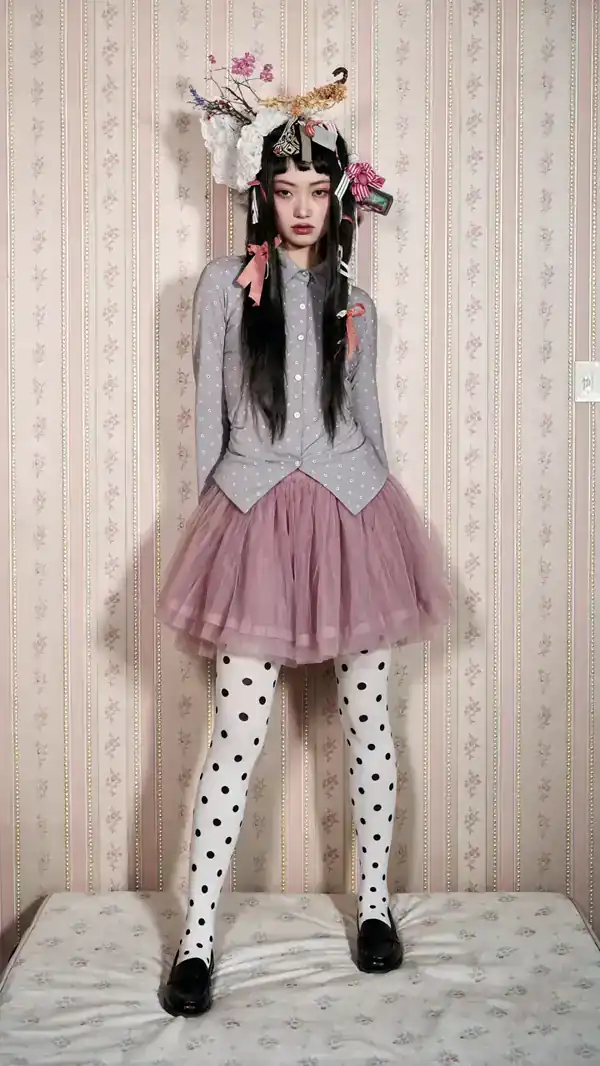

One of the most common frustrations in AI video production is inconsistency. You generate a compelling character in the first scene, and in the next scene they come back with a different face, a different outfit, or a different hairstyle. For anyone producing a multi-scene video or an ongoing series, that drift is what separates a professional result from an obviously automated one. The solution is to lock down who your character is once and carry that identity through every part of the project.
This guide focuses on the practical craft of creating characters that stay consistent across all scenes using multi-image fusion. We cover the core idea behind the technique, how to define and lock a character identity, how to apply it across different styles and environments, and how to control keyframes and motion across an entire series. The result is video that feels like it was produced with an actual recurring cast rather than a string of unrelated generations.
Why character consistency is the new benchmark
Audiences have grown accustomed to polished AI footage. In a short time, visual consistency shifted from a premium feature to a basic expectation. When a community of characters appears in several scenes, viewers instinctively check whether they look like the same people. If they do not, the whole production reads as shallow, even if individual shots are beautiful.
Character consistency matters on a business level too. A brand mascot, an animated host, or a recurring lead in a series is a recognisable visual asset. The more consistently that asset appears, the more value it accumulates and the more it reinforces an identity across episodes. Whether you are building a YouTube series, a product explainer, or social content with a signature host, consistency is what makes the character feel real.
The technology has reached the point where this is genuinely achievable. The techniques described here turn the character into a shared reference that every scene draws from, eliminating the guesswork that used to cause drift.
Understanding multi-image fusion
Multi-image fusion is not simple image merging. It is an orchestrated process designed to bridge the interpretation gaps between frames and scenes so that a character, style, or object remains recognisable throughout. Instead of each shot starting from scratch, the system draws on reference imagery that defines the subject, and it preserves that identity across generation.
Think of it as teaching the model who your character is in concrete, visual terms. You provide reference images that capture the face, build, outfit, and distinctive features, and the fusion process uses those references to keep the character consistent even as the setting, angle, and lighting change. The character becomes a fixture that travels with the story rather than a variable to be re-guessed each time.
The same principle extends beyond a single person. It can hold a visual style, a location, or a prop consistent across scenes. Any element that should recur can be locked in as a shared reference, which is what makes an entire series feel coherent.
The role of a consistent reference set
The quality of your output starts with the quality of your reference material. A character reference set should capture the subject from multiple angles and in enough light to define their features reliably. The more complete and clear those references are, the more easily the fusion process keeps the identity intact.
Build the reference at the start of the project and keep it central. Define the face and distinct features, the default outfit, and any recurring props or accessories. Keep this set organised and reuse it consistently across every scene rather than recreating it each time, because inconsistency in the reference is exactly what leads to drift in the output.
As your project grows, treat the reference set as a living asset. If the character evolves — a new outfit, a change in setting — update the set deliberately and carry that updated version forward, rather than letting changes happen accidentally shot by shot.
Following a practical process for consistent characters
Now let us walk through a concrete, repeatable process for locking in a character and carrying them across a project.
Start by defining the character's identity before generating anything. Write a short profile: who they are, how they look, their key features, and the overall vibe. Gather or generate reference images that capture these attributes from several angles. This step is the foundation everything else relies on, so spend the time to get the references right.
Next, translate that identity into the specific generation workflow. Use the character references as the shared input for every scene. When you begin a scene, state the continuity one more time in the prompt — the character identity, the environment, and the aspect ratio — so the model has both the visual reference and the contextual description to work with.
Then produce the first pass across all scenes before refining anything. Getting a rough version of the entire piece lets you see where the character holds and where it breaks, so you can fix systemic issues rather than polishing one shot. Only after the full draft covers the story should you go back and improve the weak scenes.
Locking identity before you start generating
The most common cause of drift is treating the character as an afterthought. If you define the identity clearly in advance and lock the references before scene one, every following scene builds consistently from that foundation. Waiting to "fix it later" in editing is far more expensive than investing in the reference upfront.
Think of the reference as the canonical truth about the character. Every decision about the character — costume changes, emotional beats, movement patterns — should be traced back to that canonical identity. When the character changes intentionally, make that change explicit and update the shared reference, so the model and your team are both working from the same definition.
Handling different styles and environments
A character will not always appear in the same setting. Scenes jump between locations, lighting conditions, and even visual styles. The skill is keeping the character recognisable while the world around them changes.
When moving between environments, lean on the reference images for the character itself while adjusting the prompt for the new setting. Keep the character's identity parameters constant — face, build, outfit details — and vary only the environmental descriptors. If a scene demands a changed outfit, treat that as an explicit, deliberate update rather than something that happens loosely, so it does not cascade into unintended change elsewhere.
Lighting deserves special care, because it changes how we read a face. When a scene has dramatically different lighting, check that the character still reads correctly by testing a couple of angles before committing to the whole scene. Small checks like this prevent the subtle distortion that makes a character feel "almost right but not quite."
Controlling motion and keyframes across a series
Consistency is not only about how a character looks — it is also about how they move. If a character behaves slightly differently in every scene, they still feel unreliable. Motion control lets you set keyframes, guide movement precisely, and keep the character's physical presence stable across an entire video.
Start by defining the character's movement personality: how they stand, gesture, walk, and react. Carry these behavioural notes through each scene just as you carry the visual reference. When a specific action is critical — a particular gesture, a repeated motion — use keyframes to control it precisely rather than leaving it to chance.
Across a series, keep an organised record of each character's defining traits and motion cues. This "bible" becomes the go-to source for every new scene and episode, ensuring the character remains recognisably the same person months or seasons later. Consistent motion and consistent appearance together are what make audiences accept an animated or generated character as real.
Rethinking your production workflow
Adopting character consistency changes more than the generation step; it reshapes your whole workflow. Plan for references and continuity from the start of a project, not as a fix near the end. Build your asset library with reuse in mind so every project benefits from the references and presets you have already validated.
Because the character is a reusable asset, its value grows with every scene and episode. An established set of character references and motion notes is something you can employ again for new storylines, campaigns, or formats without starting from zero. That compounding value is why teams who invest in consistency tend to stay ahead.
Keep quality checks built into your process. After each major batch of scenes, review the footage for the subtle signs of drift — a changed eye shape, a shifted hairline, a different gait — and correct early. Small course corrections are far cheaper than rediscovering a major inconsistency after publication.
Frequently asked questions
How many reference images do I need? Enough to define the subject reliably across angles and light. Usually several clear shots of a face, plus references for the full body and any recurring props or outfits, give a solid foundation. Quality and clarity matter more than raw quantity.
Why does my character still change between scenes? Drift usually comes from an incomplete reference, changing the reference between scenes, or prompts that contradict the identity. Keep one canonical reference, keep identity parameters constant, and adjust only the contextual details for each scene.
Can I make an existing character from my content consistent? Yes. Build a reference set from the character's available images and apply the same fusion process going forward. Establishing the reference early keeps the character constant in all future productions.
Does this work for non-human subjects? It works for any recurring element — creatures, mascots, vehicles, props, and visual styles. The same principle of locking a reference and carrying it across scenes applies.
Building a reusable character bible
The most reliable tool you can build for long-running projects is a character bible — a single organised record of everything that defines each recurring subject. It becomes the source of truth for every new scene and episode.
Start the bible when you create the character, not later. Include the visual references (face, body, outfits), a written identity profile, and the motion cues that define how the character behaves. Add any approved variations, such as alternate costumes or emotional expressions, alongside the canonical default so the choices are explicit rather than accidental.
Keep the bible updated as the character evolves, and make it the first thing you consult before starting any new scene. Because it holds the canonical reference, it also protects you from drift when multiple people or multiple tools are involved in a project. Everyone draws from the same definition, and the result is a character who feels like one continuous person across everything you make.
Troubleshooting persistent consistency problems
Even with a solid setup, you may occasionally notice a character still drifting. Rather than starting over, work through a short troubleshooting checklist to isolate the cause.
First, check the references. Are they clear, consistent, and showing the subject from enough angles? A low-quality or contradictory reference is the most common source of drift. Replace or supplement it before regenerating the scene.
Second, review the prompts around the character. If the text description contradicts the visual reference — describing different features, an outfit, or a mood — the model has to reconcile conflicting instruction and often drifts as a result. Align the prompt with the reference.
Third, look at the scene variables. If the environment or lighting differs sharply, lower the emphasis on ambiguous descriptors and lean on the reference for identity. Giving the model clear visual continuity rather than relying on words alone reduces distortion.
Fourth, if drift persists on a specific element such as a facial feature, try a dedicated close-up reference and test a single frame before committing to a full scene. Small, methodical steps beat regenerating the whole sequence repeatedly, and they teach you precisely which input keeps the character reliable.
A closing thought
Creating characters that feel consistent across every scene is the difference between footage that feels assembled and footage that feels produced. By defining a clear canonical identity, building strong references, keeping the character constant while the world changes, and controlling motion across the series, you can bring the same character to life again and again — and give your work the professional cohesion audiences instinctively notice and trust. Start with one memorable character, lock them in properly, and watch how much more believable your entire story becomes.
