
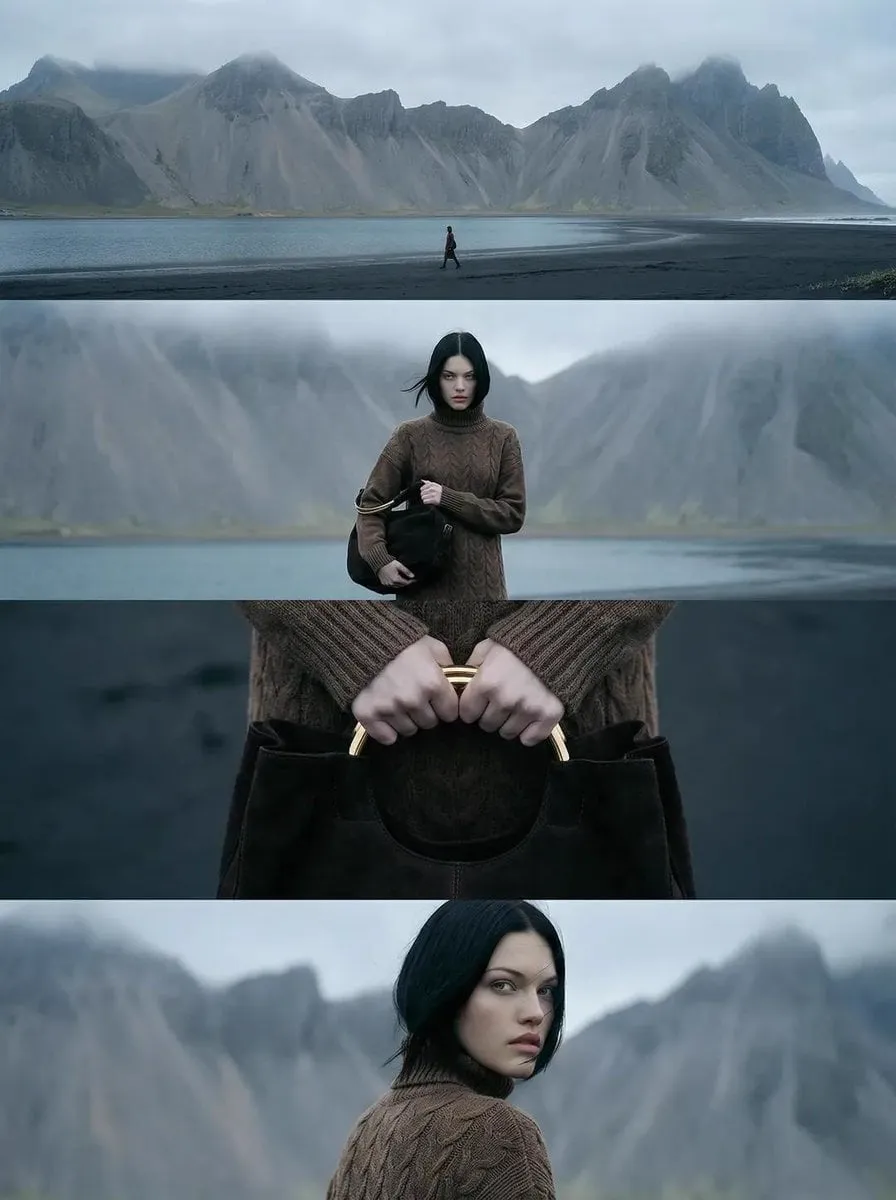
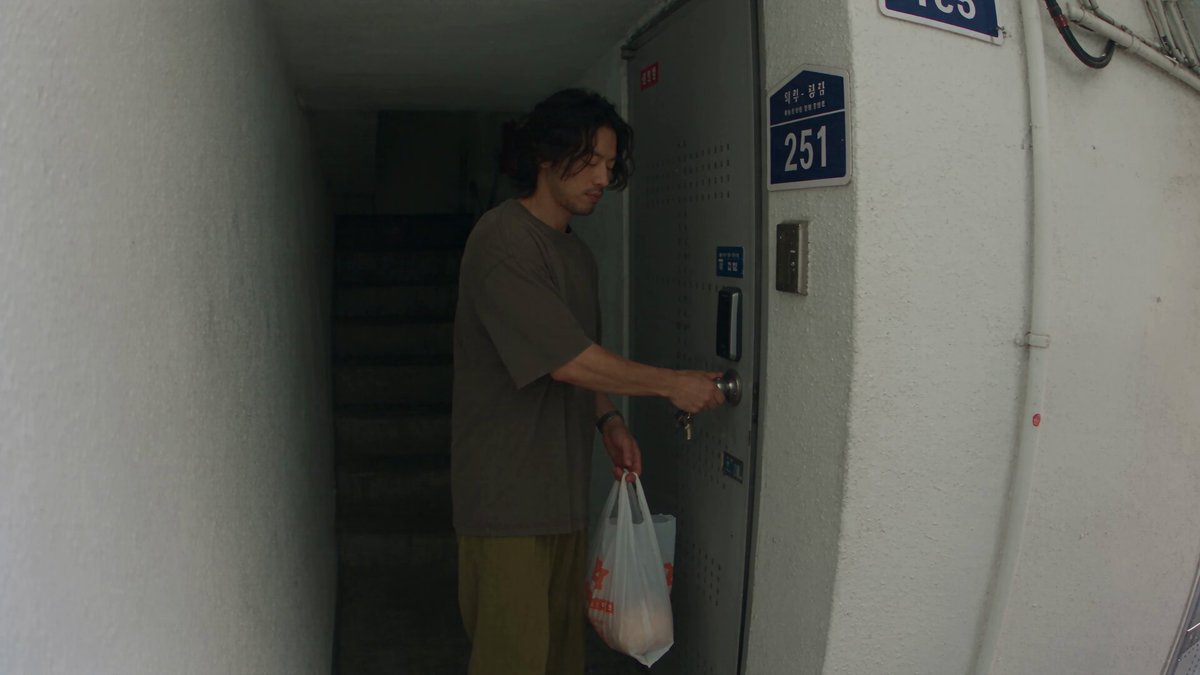
Anyone who has tried to make an AI video knows the feeling: your hero looks great in the first shot and then, in the next scene, she has different hair, different jawline, and a new coat. Character drift is the single most frustrating problem in AI-assisted production. It breaks suspension of disbelief, and it forces creators to re-roll clips endlessly in the hope of an accidental match.
Happily, the problem is solvable. The solution usually starts with multi-image fusion, a technique that fuses several reference images into a coherent identity that the generation step can hold stable. This guide explains why characters drift in the first place, how reference anchoring and fusion fix it, and how to apply those ideas without blowing your budget or drowning in rework.
Why Characters Drift in AI Video
Character consistency fails because each generation is, in some sense, a fresh creation. When there is no anchor, the model invents a new facial structure every time it sees a line of text. The more abstract your prompt, the more freedom the model has to improvise, and the more those improvised details vary between shots.
Style continuity failures and wardrobe changes are symptoms of the same root cause: the model lacks a stable reference to hold onto. As soon as you give it a concrete visual anchor, variation collapses dramatically. That is the entire premise behind multi-image fusion.
What Multi-Image Fusion Actually Does
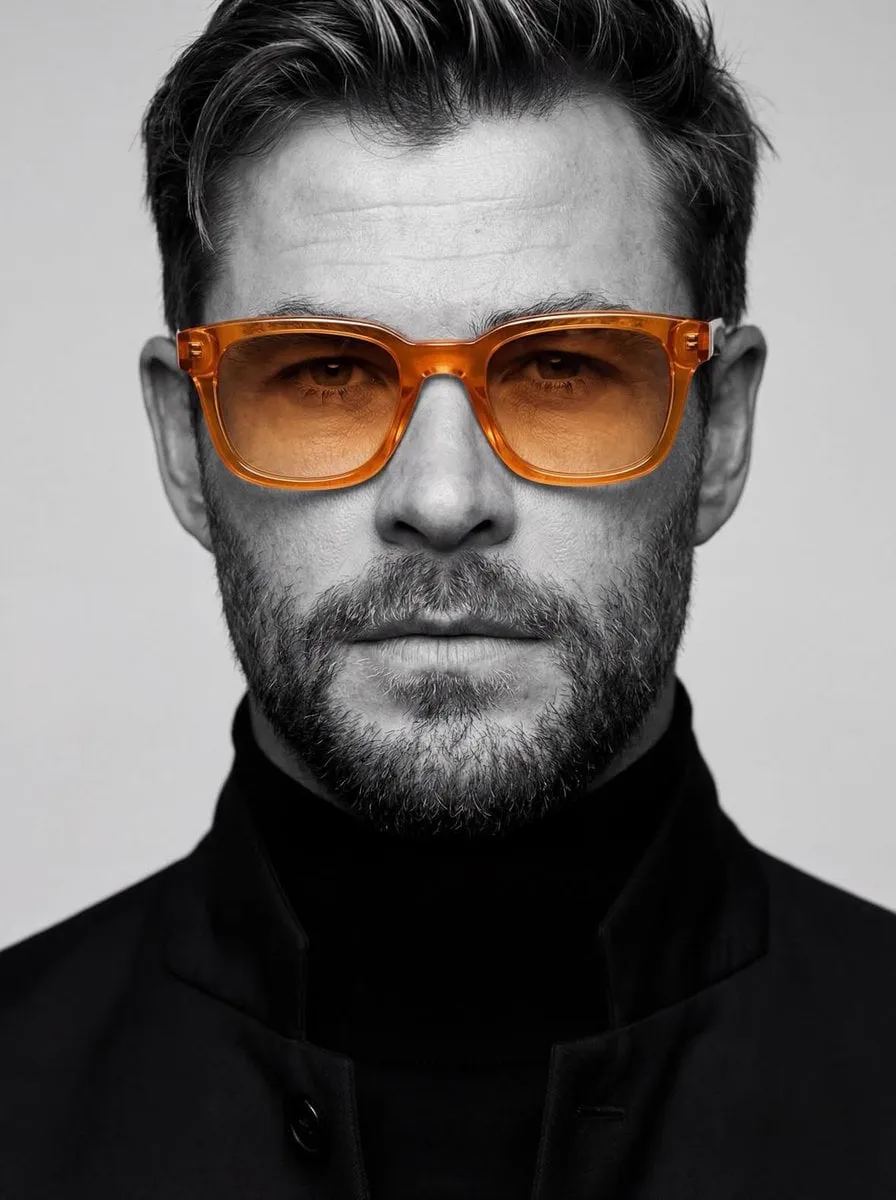
Multi-image fusion means you provide several images, often different angles or expressions of the same character, and the system merges them into a single consistent identity. Instead of describing a person with words and hoping, you show the model who the person is from multiple sides.
This creates a much richer anchor than a single photo. A full view, a close-up, a turnaround, and a costume reference together let the model understand the character's proportions, facial structure, and wardrobe all at once. The fused result is a reusable identity you can feed into any number of scenes.
The Benefits Over Text-Only Prompts
A fused identity removes most guesswork. The model stops trying to interpret descriptive words like tall, stern, or red-haired, and instead references established visual facts. You get faster convergence, fewer re-rolls, and scenes that feel like they were lit and designed by the same art department.
A Step-by-Step Method for a Stable Character
Follow this process to build a character you can carry across an entire project.
- Create or gather several images of your character from different angles. Aim for a front view, a side view, and a full-body pose with a clear outfit.
- Merge them into one identity using your tool's fusion feature, or by supplying them together as a reference set.
- Test the fused identity on a couple of simple scenes and confirm the face and wardrobe stay put.
- Reuse that same fused reference for every scene with the character.
- Keep a consistent set of lighting and wardrobe words in every prompt for that character.
The more you keep the anchor constant, the less the character wanders.
Controlling Expression and Pose Without Losing Identity
A fused identity does not mean your character is frozen. You still want emotion and action. The trick is to separate identity, which stays anchored, from expression and pose, which you describe in the prompt.
For close control, fold in keyframes. Lock a specific pose or moment, then let the model animate the space between. When you use a fused reference alongside keyframes, you get both stable identity and directed motion, the closest thing to directing a scene that text-to-video currently offers.
If you want a character to change outfit between scenes, generate a second fused identity with the new wardrobe rather than editing the original. Keeping outfits as separate fused references makes costume changes a deliberate, successful step.
Budget-Friendly Ways to Keep Consistency
Large re-roll counts are expensive and demoralizing. There are simple habits that keep costs low while preserving quality.
- Settle a character's design early with a small reference set before you invest in full scenes.
- Use fast, cheaper models to test ideas and reserve premium models for the shots that actually make it to the final cut.
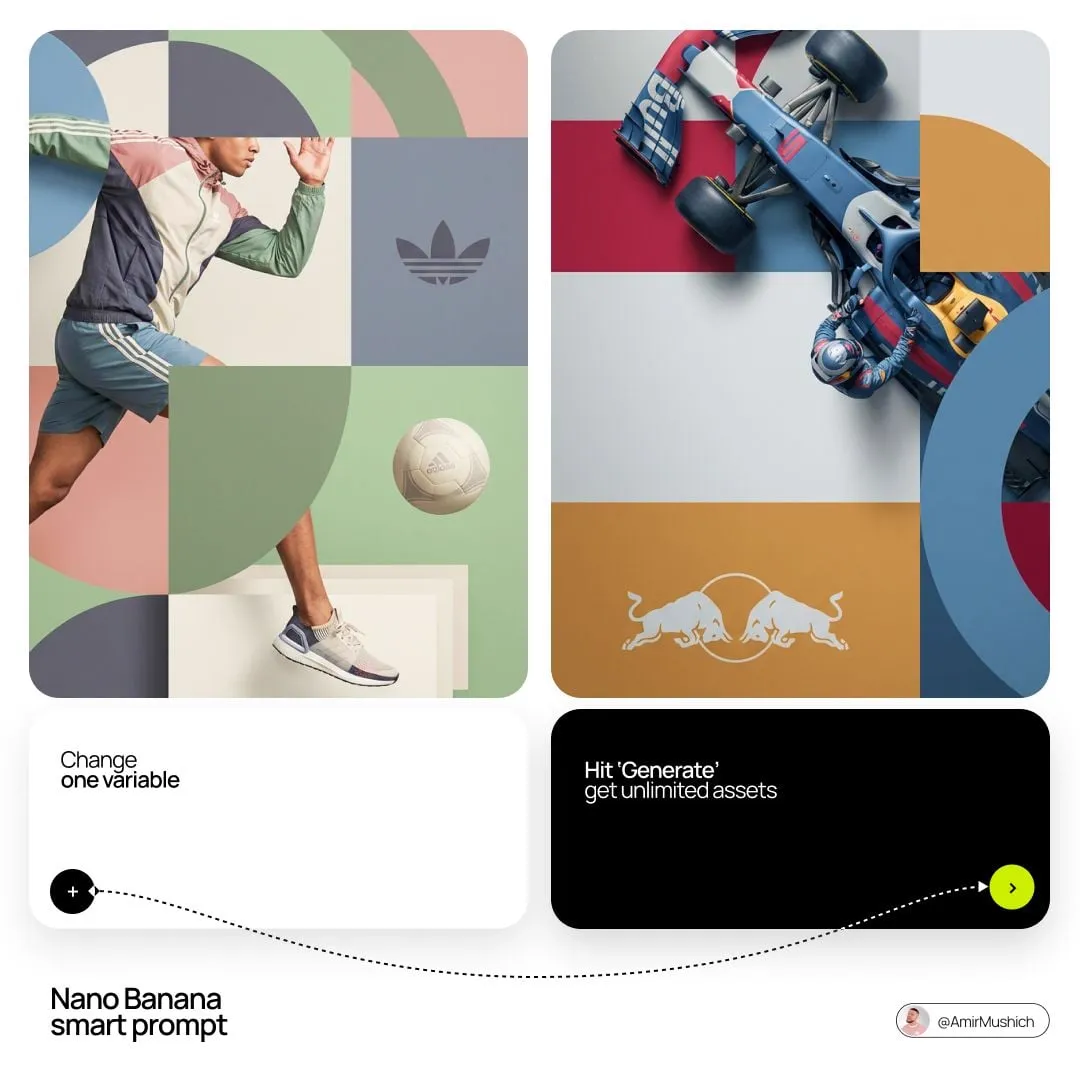
- Change one variable at a time. If a shot fails, adjust lighting, then camera, then the action, rather than rewriting everything.
- Batch character generation so you create a library of expressions and poses you can reuse, instead of generating them per scene.
These habits shrink the number of re-rolls and the associated cost without sacrificing the final result.
Validate Identity Before You Commit
A few minutes spent validating your fused identity on simple test scenes saves far more time than you might think. Confirm the face, the nose, the eyes, the outfit, all hold. If the identity is slightly off now, fixing it costs less than discovering it across twenty completed shots.
Fitting Fusion into a Real Workflow
A stable character only helps if the rest of your pipeline cooperates. Plan your scenes before you render. Decide which characters appear, where, and in what lighting. Prepare a fused identity for each character and, if relevant, each location.
Then render shot by shot, keeping the same reference and the same environment words. Assemble in an editor, grade every clip to one range, and add audio so the piece feels like a single production. Review for artifacts and re-render only the shots that fail. Isolating the failing variable is what keeps the repeat cycles short and cheap.
When Fusion Is Not Enough
Sometimes even a strong fused reference cannot hold, especially for extreme angles, fast action, or very long sequences. In those cases, lean harder on keyframes and break the sequence into smaller pieces. Give the model a concrete starting frame for each segment rather than trusting it to maintain the identity across a long unbroken shot.
If the face still cannot stay put, generate a dedicated turnaround series of the character, front, side, three-quarter, and back, and feed the relevant angle as the anchor for each new scene. The model plays fair when you meet it halfway on framing.
Reduce Risk in Action Scenes
Action is where drift shows up most. Fast movement gives the model less visual continuity to hold. Keep action-focused shots short, anchor every one with the fused reference, and fix keyframes at the moments where the character's face or pose must stay readable. Short decisive shots are easier to keep consistent than one long violent take.
Organizing a Library of Character References
As projects multiply, your library of characters becomes a valuable asset. Give every character a clear name and label each reference image by angle, outfit, and expression. Store the winning prompts alongside the fused identity so you can rebuild it if needed. A tidy library makes reusing an established character across future projects effortless and keeps your quality bar from slipping each time.
Frequently Asked Questions
How many reference images do I need?
Three well-chosen angles, front, side, and full-body, are usually enough for most characters. Add a costume reference if the wardrobe matters.
Does fusion slow down production?
There is an upfront cost to build the identity, but it pays off quickly by cutting re-rolls across every later scene. Most creators find it faster overall.
Can I change the character's outfit?
Yes. Create a separate fused identity for each distinct outfit, and describe when to change it in the workflow rather than editing the base design.
Will the character still show emotion?
Absolutely. Identity and expression are independent. Anchor the identity with the reference and direct the emotion and pose through the prompt and keyframes.
My character drifts across a long battle scene. What now?
Break the sequence into short shots, anchor each with the fused reference, and lock keyframes at the moments the face must read clearly.
How do I keep two characters consistent in the same scene?
Prepare a separate fused identity for each character and supply both references every time both appear together. Keep their wardrobe colors distinct so the model does not merge them.
Working with Side Characters and Extras
Not every face in your project needs a full fused identity. Characters who appear once in the background can be generated loosely, because the audience will never compare them across scenes. Save your careful reference work for the characters who matter and appear repeatedly. This focus keeps your budget and your effort where they have the greatest payoff, and it prevents you from spending hours on a face that appears for two seconds.
For recurring side characters, a single strong reference image is usually enough. Reserve the full multi-angle fusion treatment for your lead cast and any character whose identity drives the story.
Testing Consistency Before Committing to a Scene
Set up a small consistency test whenever you finish a fused identity. Generate the same character in three very different contexts, a bright exterior, a dim interior, and a fast action moment, then confirm the face, proportions, and wardrobe all hold. A clean test now saves you the pain of discovering identity failure inside a completed scene.
If the test reveals drift, return to your reference set and strengthen it before you invest in real production work. Better to lose ten minutes on a test than hours re-rolling a finished shot.
Building a Fused Identity Library Across Projects
As your body of work grows, treat your characters as reusable assets. Keep a well-labeled library where each character has a clear name and each reference image is tagged by angle, outfit, and expression. Store the winning prompt next to the fused identity so you can rebuild it or adjust it quickly.
A good library changes how you work. Instead of rebuilding a character for every project, you reach into your library, reuse, and extend. The time you invest in organization compounds, and your next project starts with assets rather than a blank slate. This is the difference between a one-off creator and someone who builds steadily with every new piece of work.
Avoiding Common Traps That Waste Renders
Several recurring mistakes burn through renders for little gain. Changing too many variables at once makes it impossible to know what fixed a problem. Re-rolling an identical prompt hoping for a lucky match wastes budget. Letting the lighting words vary between scenes guarantees inconsistency. Each of these is avoidable with discipline.
Keep a simple rule in mind: change one thing, render, evaluate, and only then change the next thing. Anchor the identity, fix the light language, and let the motion be the only variable during iteration. Fewer, smarter renders always beat a flood of hopeful attempts.
Frequently Asked Questions (continued)
Can I use a fused identity in a scene with completely different lighting?
Yes, but the surrounding prompt must carry that lighting. Describe the new light clearly while keeping the fused identity as the anchor, and the model will place the same character in the new atmosphere.
Will fusion work for non-human characters?
Generally yes. Robots, animals, and creatures can all be fused from several references, as long as the angles and outfit remain consistent across the set.
How long does building a fused identity take?
Once you have your reference images ready, merging them into a stable identity takes only a few attempts. Set aside a short session early in your project so the anchor is ready before you begin any real scenes. That small upfront investment saves you dozens of worry-filled re-rolls later and keeps your confidence high when deadlines approach.
Final Thoughts
Character consistency is not a matter of luck. It is a discipline of providing the model with a stable anchor, keeping that anchor as the identity across every scene, and directing expression and motion separately. Multi-image fusion gives you the anchor, keyframes give you control, a disciplined budget keeps the whole process affordable, and a tidy reference library makes your work reusable. Build your character once, reuse it fearlessly, and your AI video will finally feel like it stars the same person from the first frame to the last.
