
Introduction: the character consistency problem
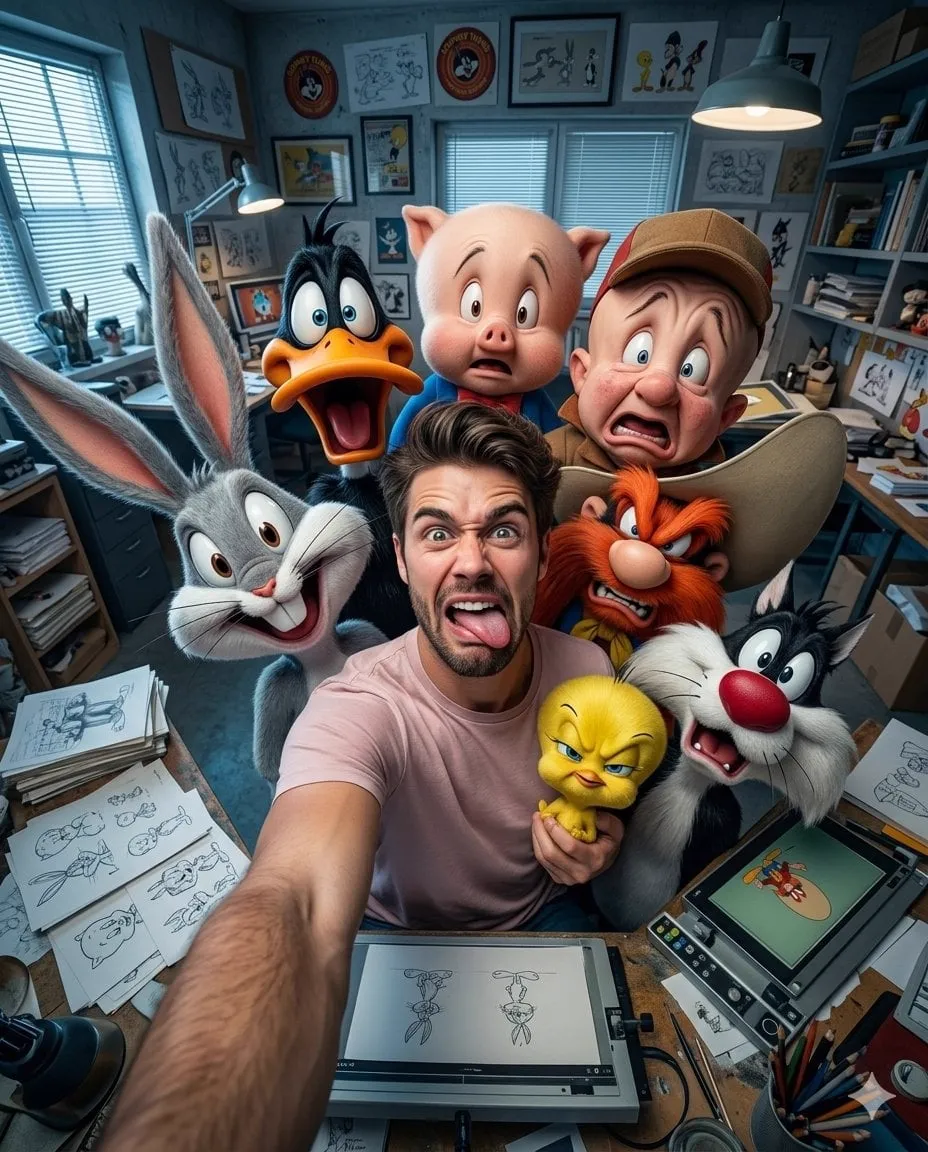
Ask any AI video creator about their biggest frustration, and character consistency will be near the top of the list. You generate a stunning clip of your protagonist, then generate the next scene, and suddenly the character has a different face, a different hairstyle, or a different wardrobe. The story you are trying to tell collapses because the audience cannot recognize the main character from one shot to the next.
This problem is not cosmetic. For narrative content, marketing campaigns, and branded series, character consistency is the difference between professional work and an obvious AI artifact. The AI video market is projected to grow from a few billion dollars to well over ten billion within a couple of years, and as the audience's expectations rise, inconsistent characters become an increasingly expensive flaw. This guide explains why character drift happens and how multi-image fusion solves it, with a practical workflow you can apply to your own projects.
Why AI characters change between scenes
Most video generation models are stateless: each generation starts fresh. When you prompt a model with "a young woman walking through a market," the model invents a woman from its learned patterns. If you generate another clip with the same prompt, you get a different woman. Even with detailed prompts, the model has no memory of the previous clip, so every shot reimagines the character.
The problem is even worse when you switch between different models. A character generated by one model may look different when generated by another, because each model has its own visual tendencies. For creators working with multi-model workflows, the drift compounds: not only does the character change between shots, it changes between tools.
Traditional workarounds were painful. Some creators manually retouched frames, others wrote increasingly elaborate prompts describing every facial detail, and many simply accepted the inconsistency and avoided showing the same character twice. All of these approaches cost time and money, and none of them truly solved the problem.
How multi-image fusion works
Multi-image fusion attacks the problem at the root: instead of asking the model to invent a character from text alone, you give it visual anchors. The workflow is simple on the surface:
- Gather multiple images of the character from different angles, lighting conditions, and expressions.
- Upload these images as reference assets for the project.
- During generation, the system analyzes the references, extracts the character's core identity — facial features, proportions, clothing, style — and uses it as the anchor for every new shot.
The technical sophistication is in the extraction and application. The system encodes the visual identity of the character and applies it consistently, whether the current shot is a close-up, a wide shot, or a scene generated with a completely different base model. The result is that the character remains recognizable across scenes, models, and time steps.
For best results, the reference set matters. Three to eight well-chosen images covering different angles and expressions outperform dozens of redundant pictures. The references should show the character as they will appear in the video: the right clothing, the right style, the right general mood. If the character changes costume mid-story, update the reference set for the scenes that need the new look.
Building a reference library for your characters
A reference library is the foundation of consistent AI storytelling. Setting one up takes discipline, but it pays off across every project.
Step 1: Define the character's visual identity
Before collecting images, write down the character's core attributes: age, build, hair, eyes, skin tone, distinctive features, typical clothing, and style. This description is your fallback when references are incomplete. It also helps you communicate the character to any collaborator or to another tool.
Step 2: Collect diverse reference images
Gather images that cover different angles (front, side, three-quarter), different expressions (neutral, smiling, serious), and different lighting (bright, dim, warm, cool). If possible, include full-body and close-up shots. Diversity is what gives the fusion system enough information to keep the identity stable across varied scenes.
Step 3: Organize by character and version
Keep a separate folder for each character, and within each folder, separate versions (everyday outfit, formal outfit, different hairstyle). Name files consistently. When a scene needs a specific version of the character, you can pull the right reference set without hunting.
Step 4: Keep references current
Characters evolve. When you change a character's design, update the reference set and re-generate the affected scenes. Stale references cause the same drift you are trying to prevent.
Using multi-image fusion in different production contexts
Narrative series and episodic content
For a story with multiple episodes, character consistency is non-negotiable. The audience's emotional investment depends on recognizing the hero in every chapter. A well-maintained reference library lets you produce new episodes months later with the same characters, and it lets different episodes be generated with different models without breaking continuity.
Brand campaigns and marketing
Brands care about recognition. A mascot or spokesperson that changes appearance between ads erodes brand identity. Multi-image fusion lets marketing teams lock a character's look across an entire campaign, across different creative teams, and across iterations. The reference library becomes a brand asset in its own right.
Interactive experiences and avatars
For interactive content, where users may see a character in many contexts, consistency builds trust. An avatar that looks different in every interaction feels broken. Applying the same fusion approach to avatar generation keeps the experience coherent.
The technical side: what happens behind the scenes
Understanding the plumbing helps you use the tool more effectively. A typical fusion pipeline has three stages:
Identity extraction
The system processes the reference images to build a compact representation of the character's identity. This is where image processing and vector encoding matter: the system needs to capture what makes the character recognizable, not just pixel-level patterns. Good extraction separates the stable identity from scene-specific noise like lighting and background.
Cross-model adaptation
When you generate with a different model, the system adapts the extracted identity to that model's visual language. This is why a character can move between models without becoming unrecognizable. The quality of this adaptation determines how seamless the switch feels.
Generation anchoring
During generation, the identity representation guides the model: the character's face, proportions, and style are constrained to match the references, while the scene, action, and camera follow the prompt. The result is a shot that feels new but stays on-character.
Practical workflow: from references to finished video
- Define the project: write the script, identify the characters, and decide their looks.
- Build the reference library: gather and organize the reference images for each character and version.
- Lock the look: generate a few test shots in the target style and verify the character matches the references before committing to the full production.
- Generate scene by scene: use the references for every shot involving the character, and keep the prompts consistent in style and setting.
- Review as a whole: check the assembled footage for drift, especially at scene boundaries. Fix problem shots while the project is still fresh.
- Archive the library: save the references and style guide so future episodes or campaigns can reuse them.
Common mistakes and how to avoid them
- Using too few references: one image is not enough for a stable identity; the fusion system needs variety.
- Using inconsistent references: if your references show different clothing or hairstyles, the model will blend them unpredictably. Keep each version's references coherent.
- Changing the reference set mid-project: swapping references between shots causes visible drift. Decide the look before production and change it deliberately, with a re-generation pass.
- Ignoring the style guide: characters exist inside a visual world. A consistent character in an inconsistent style is still jarring.
- Skipping the whole-review: drift is easiest to spot when shots play in sequence. Always watch the rough cut before finalizing.
Frequently asked questions
How many reference images do I need?
Three to eight is the sweet spot for most characters. Focus on diversity of angle, expression, and lighting rather than raw quantity.
Does multi-image fusion work across different AI models?
Yes, that is one of its main advantages. The identity is extracted and adapted, so the character can be generated by different models and still remain recognizable.
What if I want a character to change appearance in the story?
Create a new reference set for the new version and switch to it deliberately at the right point in the story. The change will be seamless because both versions have stable identities.
Can I use reference images of real people?
Follow the platform's terms of service and applicable law. For commercial projects, make sure you have the right to use every reference image, especially images of identifiable people.
How much time does a reference library take to build?
The first library takes the longest, maybe an hour of gathering and organizing. Once you have a system, adding a character takes minutes, and the time pays for itself many times over in reduced rework.
Case study: an episodic series without drift
Consider an eight-episode animated series produced over four months. The hero, a young explorer named Mira, appears in every episode, and the production team changes the base model between episodes as better tools appear.
The team builds Mira's reference library on day one: seven images covering angles, expressions, and her two outfits. They also write a style guide describing her proportions, color palette, and the world's lighting rules.
During production, every scene involving Mira uses her reference set. When the team switches to a newer model for episode five, they run a test batch of ten shots, compare them against the references, and adjust the prompt style until the match is exact. Because the identity is anchored in images rather than text, the model change does not break continuity.
At the season finale, a viewer who watches episodes one and eight back to back sees the same Mira. The references absorbed every model change, and the library cost the team about an hour upfront — far less than the rework that drift would have caused.
Pre-render checklist
- References exist for every character appearing in the shot.
- The reference set matches the character's current look and outfit.
- The prompt names the character and references the identity explicitly.
- The style guide is applied (palette, lighting, overall mood).
- Test frames were reviewed and match the references.
- The whole sequence was watched for drift before the final render.
Additional questions
What if my character is stylized rather than realistic?
Multi-image fusion works for stylized characters too. Use references that consistently represent the style, including the same line weights, color palette, and proportions. The more consistent the references, the more stable the stylized output.
Can I keep consistency when generating images and video in the same project?
Yes, use the same reference library for both. Generate key stills first to lock the look, then reuse the references for video generation. This alignment prevents the common mismatch between a character's image and video appearance.
How do I manage consistency for supporting characters who appear rarely?
Give each supporting character a small reference set, even if it is only two or three images. Minor characters drift less because they appear less, but a recognizable supporting cast strengthens the whole story.
Conclusion
Character consistency is the quiet foundation of professional AI video. Without it, even the most realistic generation looks amateur; with it, stories, campaigns, and series become believable. Multi-image fusion turns the painful workaround of manual retouching into a repeatable system: you build a reference library once, and every future shot, scene, and episode can stay on-character across models and tools. The investment is small — a folder of well-chosen images and a disciplined workflow — and the payoff is enormous: videos that look intentional, stories that hold together, and characters the audience can actually recognize.
