
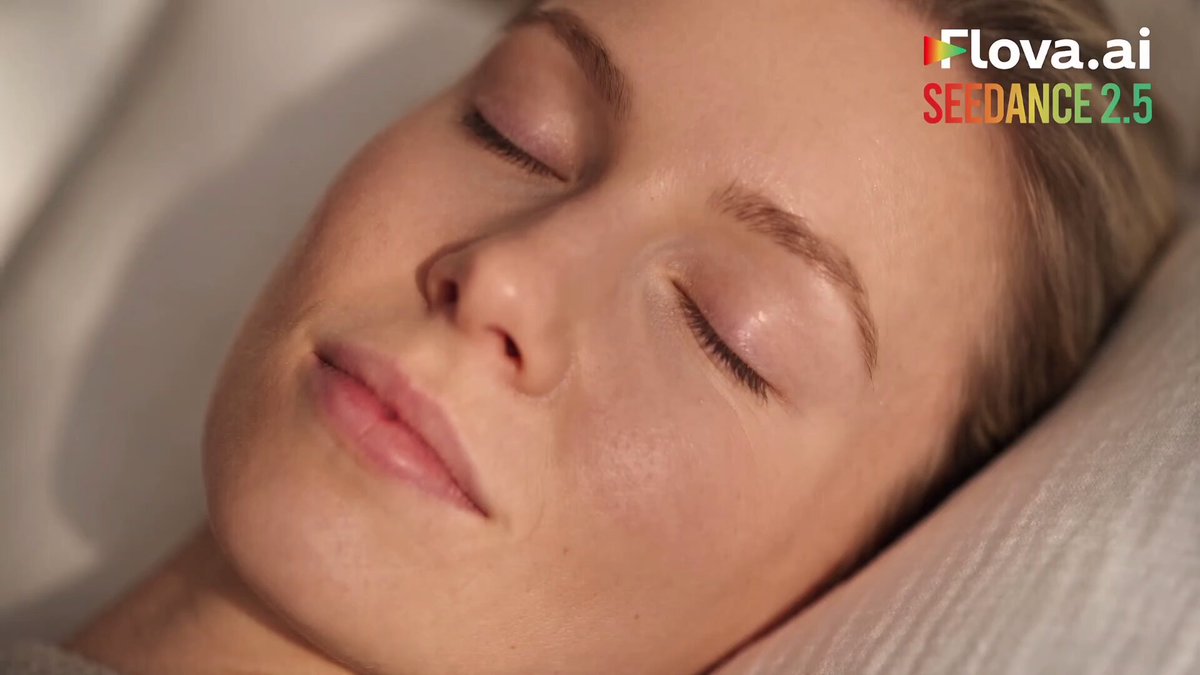
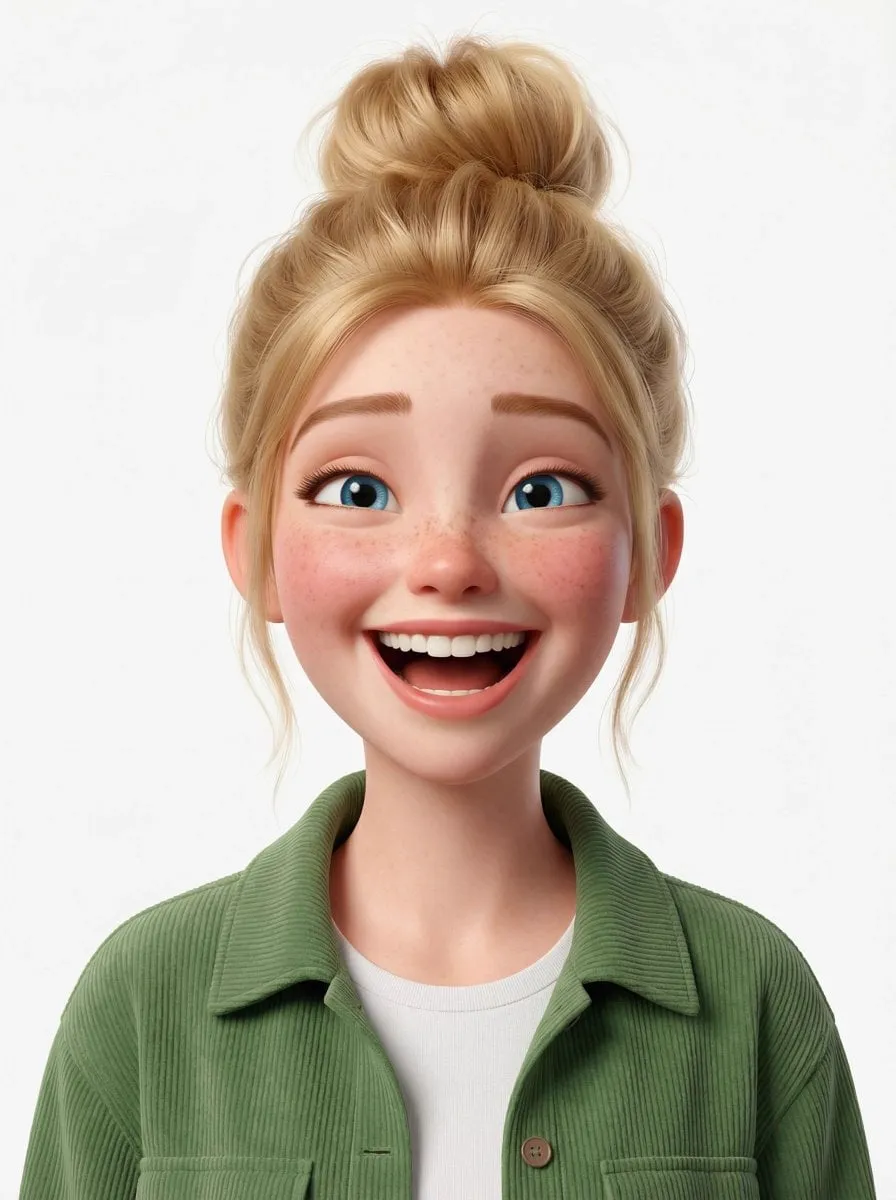
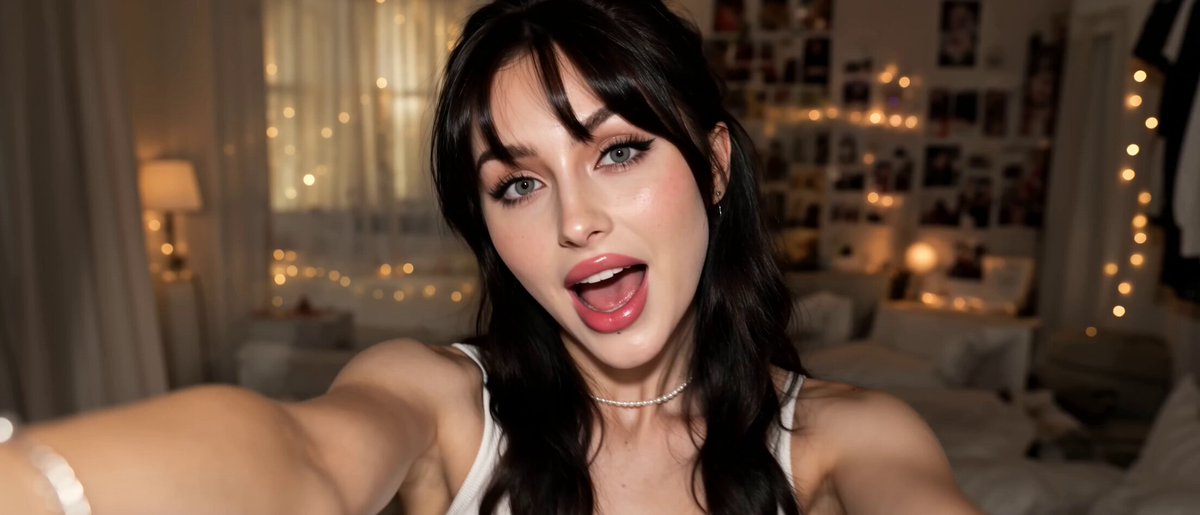
In the early days of AI video, generating a character was like taking a polaroid in a windstorm—you got something close, but never quite the same twice. The hero of one scene might have a different nose, a different jacket, or a completely different vibe in the next. For anyone trying to produce a short film, a branded series, or a multi-scene narrative, this 'character drift' made AI video feel more like a toy than a tool.
Multi-image fusion changes that. By weaving together multiple reference images of a single subject, modern generation pipelines can extract a stable identity fingerprint and carry it across every subsequent frame. The result? Consistent characters in seconds, not hours. No more endless prompt tweaking. No more praying the model remembers eye color. Just deep, deterministic visual continuity that makes professional-grade AI video production actually viable.
Let's break down how multi-image fusion works, why it matters for 2025 content creation, and how you can start building your own consistent IP with tools like Domer's AI video generator.
The Character Drift Problem
If you've ever tried to generate a storyboard with AI, you've seen the problem. In one shot, your protagonist is a clean-shaven blond with a blue jacket. In the next, he's got a beard and a red hoodie. The camera angles differ, the lighting shifts, and the character's very identity seems to melt into the latent noise.
Why does this happen? Text-to-video models rely on prompt language to describe appearance. But language is lossy. 'Scar on the left cheek' is a start, but it doesn't capture the exact bone structure, the distance between the eyes, or the way a cowlick bends. Even when you generate images with the same seed, variation creeps in—especially when you're asking for a new pose, a new setting, or a new emotional tone.
That's why 68% of professional creators surveyed in a 2024 Creator Economy report said visual inconsistency was the top blocker for adopting text-to-video in narrative work. It's not that the models can't make pretty images—it's that they can't make the same pretty person twice.
Multi-Image Fusion: A Better Anchor
Instead of relying solely on words, multi-image fusion hands the model a visual anchor—actually, several of them. You upload two, three, five reference images of your character. These could be a 3D render, a concept sketch, a screenshot from a previous generation, or a mix of all three. The system then analyzes each image, pulling out the features that stay consistent across all of them: face shape, jawline, hair texture, wardrobe elements, body proportions.
These invariant features get encoded into a dedicated identity embedding. That embedding is then injected into the diffusion or transformer layers of the video model whenever you generate a new scene. The result is that the character's core identity is locked in, while the model still has full freedom to adjust lighting, camera angle, pose, and environment based on your new prompt.
In other words, the character becomes a fixed reference point, and the world revolves around them—not the other way around.
Why It Matters in 2025
The demand for serialized, IP-driven content has exploded. Brands want mascots that show up in every TikTok. Independent filmmakers want webseries that feel cinema-quality. Podcasts want animated avatars that recognize their hosts' distinct look. Multi-image fusion is the key to making all of that possible without a physical studio or a million-dollar VFX budget.
Here's what becomes possible:
- Brand avatars across hundreds of micro-videos. Once the identity is fused, every product can be presented by the same virtual spokesperson, in any setting, in any language.
- Serialized animated content. Generate episode after episode with the same protagonist. Narrative arcs, character development, recurring costumes—all preserved.
- Monetizable IP. Characters that stay consistent become recognizable. Recognizable characters become brands. Recognizable brands become revenue streams.
That's why the AI video market focused on IP continuity is projected to grow at a 35% annual clip through 2028. The tools have reached the point where creators can build their own animated universes on a laptop.
How to Use Multi-Image Fusion in Your Workflow
Getting started is simpler than you might think. Here's a clean, repeatable workflow:
-
Choose your references. Pull 3–5 images of your character from any source. If you're generating from scratch, start with Domer's AI image generator to create a handful of concept shots. They don't have to be perfect—just a good spread of angles and expressions.
-
Fuse them. Use a fusion tool or model that supports multi-image conditioning. Upload your references and let the system extract the identity embedding. This step usually takes seconds, not minutes.
-
Generate with confidence. Write a prompt for your first scene—'surfing at dawn at a California beach'—and generate. The character comes back looking like the same person from step one. For best results, pair the fusion workflow with a high-fidelity model like GPT Image 2 or Seedance 2.0.
-
Extend to video. Once you've got a frame you love, run it through an image-to-video pipeline to animate it. Domer's image-to-video workflow keeps the character frozen while the motion comes alive.
-
Iterate and refine. Don't try to generate the entire film in one pass. Generate block by block, checking the character every time. The fusion anchor means you'll spend dramatically less time fixing inconsistencies between blocks.
What's Under the Hood
The technical backbone of multi-image fusion is a mix of classic computer vision and modern generative AI. Convolutional neural networks handle feature extraction, isolating everything from facial landmarks to clothing seams. Then an identity weight matrix is applied to separate the 'what' from the 'where'. Lighting and pose are treated as variable attributes; bone structure and facial markings are treated as fixed.
From there, the embedding gets fused into the diffusion process. Modern video models with advanced conditioning—like those in the Domer ecosystem—make it possible to interpolate across frames without losing character fidelity. The result isn't just better images; it's a new grammar for storytelling.
The Future Is Narrative Consistency
We're entering the era of AI-native filmmaking. Multi-image fusion is the first brick in that foundation. It turns AI video from a one-shot gadget into a repeatable, dependable production tool. You can now design a character once and use them everywhere—across scenes, across episodes, across medium.
Whether you're building a brand avatar, a YouTube animated series, or a passion project, character consistency is the difference between a viral oddity and a lasting franchise. And with the right fusion workflow, that consistency is no longer a wish—it's a setting.
If you're ready to start your own consistent-character workflow, explore Domer's AI video generator and see how far character persistence can take you. Your protagonist is waiting.
