


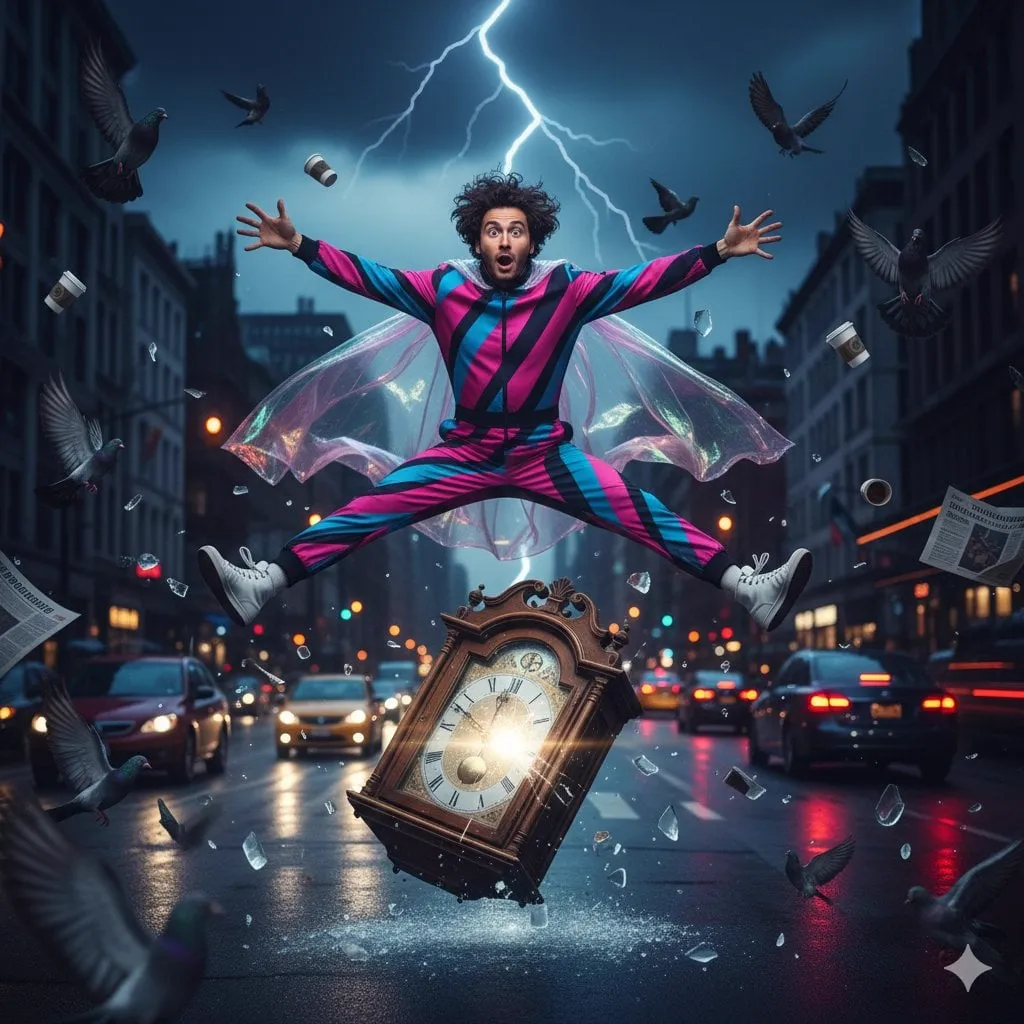
Short animation used to be a craft gated by big teams, expensive software, and long render farms. That barrier has collapsed. Today, with a laptop, a solid idea, and the right generative tools, a single person can produce short, high-quality animated clips that hold their own on social feeds, in brand content, and even in narrative work. This tutorial walks through the entire process, from planning to final polish, with the AI techniques that matter most.
The guiding idea throughout is simple: the tool generates, but you direct. The gap between an amateur clip and a polished one is almost never the model you chose. It is the clarity of your intent, the strength of your references, and the discipline of your workflow.
Why short animation is exploding
Audiences are consuming short, visually compelling moving images at a pace no traditional studio could sustain. Social platforms reward content that hooks viewers in the first second and holds them. Animators and storytellers are responding by moving their craft into AI-assisted workflows that let them iterate quickly without sacrificing quality.
The result is a new kind of production: one where the creative bottleneck is no longer rendering power or budget, but idea generation and direction. That is good news for independent creators. It means the differentiators are taste, narrative sense, and process, all things you can develop deliberately.
The advanced infrastructure for cinematic animation
Before generating anything, understand the layers of a modern AI animation pipeline. Each layer contributes to the final quality.
Choosing from a diverse model library
The strongest studios never rely on one model. They treat their models as a toolbox, each tuned for a different aesthetic. Some excel at photorealistic motion, others at a particular illustrative style, others at speed and low cost. Mastery means matching the model to the mood and demand of each scene, exactly as a cinematographer chooses a lens.
A useful mental model is three tiers. The realism tier handles close-ups and hero shots where physical believability matters. The style tier locks in a specific visual identity, great for branded characters. The efficiency tier handles context shots, mood transitions, and high-volume experiments, where you want good quality at low cost. Plan each scene against this map before you start.
Directing the scene with an AI agent
Modern platforms increasingly include a directing layer that observes your scene and suggests composition, framing, and narrative coherence. You state the intent, such as a low-angle shot for power or a soft tracking shot for intimacy, and the system proposes the visual solution. This accelerates iteration enormously and keeps the whole piece stylistically consistent.
It does not replace your vision. It accelerates it. With a clear story structure in mind, the assistant converts your directions into consistent visual decisions, freeing you from fiddly troubleshooting so you can focus on the narrative choices that matter.
Keeping characters and style stable with multi-image fusion
The hardest problem in AI animation is consistency. A character that changes face or outfit between scenes breaks the spell. The modern solution is multi-image fusion: you supply concrete reference images of a character from several angles, and the tool fuses them with your text description to produce scenes where the identity stays recognizable.
This becomes your digital casting process. Build a gallery, lock the look, then animate that look scene after scene. When identity is fixed by images rather than hope, consistency stops being a lottery and becomes a tool you control.
A step-by-step process for professional short animations
With the concepts in place, here is a repeatable pipeline.
Stage one: idea, script, and initial model selection
Every project starts with intent. Write a one-paragraph summary of the story, then break it into scenes. For each scene, define the action, the framing, the light, and the movement, and note which model tier will handle it. A rough storyboard, even just thumbnails and reference images, fixes the style before you burn any render budget.
Stage two: core generation and model tuning
With references in hand, generate the scenes. Start cheap: use the fast tier to test framing, motion, and narrative beats. Iterate on the design here, where mistakes cost almost nothing. Only when a take survives this phase do you re-render it in the premium tier for the final cut.
Keep the light stable across scenes and verify continuity as you go. Small inconsistencies are easier to catch scene by scene than in a painful re-render at the end.
Stage three: smart post-production and polish
Great animation is finished in the edit. Grade the color to unify takes from different moments. Add sound, which does more to make a piece feel complete than almost anything visual. Drop in subtitles or motion graphics for social platforms. Then adapt the format to each channel, vertical for feeds, horizontal or square wherever it suits the platform.
The best animation models and what they deliver
Specific model selection depends on your goal, but some broad guidance holds across the market.
For photorealistic, physically grounded hero shots, the premium realism models are the standard. For a strong, stable visual identity and controllable style, look to the tools known for character consistency and reference support. For volume and speed, the efficiency tier does most of the heavy lifting in a production schedule.
The trend to watch is convergence: platforms are folding reference fusion, direction, and post-production into a single surface. That reduces context-switching and makes the whole pipeline easier to run. For an independent creator, this collapse of separate tools into one workflow is a major quality lever.
Common mistakes and how to avoid them
Most wasted effort traces to a handful of errors.
Skipping the planning phase. Generating without a storyboard and references leads to a pile of pretty but disconnected clips. Cheap experiments belong in planning, not in the final render.
Fixing the single perfect shot. Obsessing over one frame eats budget and momentum. Design the sequence, then polish only the few shots that actually matter.
Mixing models carelessly. Chopping between tools scene by scene without a defined reason hurts continuity. Commit to a model tier per scene based on its role, not on whim.
Neglecting the first second. On short-form platforms the first moment is everything. Build a strong visual hook up front, or the rest of the clip may never be seen.
Frequently asked questions
Do I need a powerful computer?
For cloud-based platforms, no. A browser and a connection are enough. The real investment is iteration time and disciplined selection.
How do I keep a character consistent over many scenes?
Build a strong multi-image reference gallery from several angles and keep the lighting stable. Anchor identity in images, not words, and verify each scene as you go.
Should I always use the best model?
No. Reserve premium renders for hero shots and final selects. Prototype and build context shots in the fast tier to control cost and keep your schedule.
Is sound really that important?
Yes. Sound design and music do more than video to make a clip feel complete. It is often the cheapest way to raise perceived quality.
Conclusion
Short AI animation is now within reach of any creator with a clear idea and a disciplined process. Build strong references, choose your model tier scene by scene, direct with intention, and finish the work in post-production. The models get better every year, but the fundamentals of intent, consistency, and workflow will outlast any individual tool. Master those, and you can produce short animations that look like serious craft, whatever the platform you start from.
Going deeper on references and identity
Because consistency is the single highest-leverage part of an animated project, it is worth more attention than one section. Reference building is a craft with its own rules, and getting it right pays off across the entire production.
Build a deliberate character bible
Think of your references as a character bible, the document a film crew uses to keep everyone aligned. For each main character, gather portraits from several angles, ideally with the same styling and under consistent lighting. Include close-ups that capture the face, and wider shots that show the full costume. The more coherent the set, the more reliable the fusion across scenes.
The same logic applies to environments. Collect stills of the locations you will use, along with a defined color palette. When every scene reaches back to the same visual language, the whole piece feels designed rather than improvised.
Pitfalls of weak references
Bad references are worse than none. Mixing contradictory styles, changing the character's haircut between reference shots, or relying on blurry, low-res stills all confuse the fusion model and cause drift. Take the time to curate a clean, consistent gallery, and regenerate any reference that is ambiguous.
Iterating on identity before animating
Lock the identity before you animate. Version the character stills until you are happy, approve the look, and only then start generating movement. This ordering flips the workflow from "render and hope" to "design once, animate everywhere," which is far more efficient and far less frustrating.
Designing for a specific platform
The best animation in the world underperforms if it is formatted for the wrong place. Define the target platform before you direct, because it changes composition, pacing, and length.
Vertical, horizontal, and square
Short-form social feeds reward vertical framing, which is tight and favors close framing, rapid movement, and bold central subjects. Landscape suits narrative and brand pieces on YouTube or desktop. Square balances nicely across many surfaces. Adapt your storyboard to the frame of your target from the start rather than cropping later, which preserves composition and quality.
Pacing for the short form
Attention spans on short-form platforms are measured in seconds. Front-load the hook, cut extraneous setup, and build toward a reveal or payoff quickly. Movement should feel energetic but coherent. Let your scenes breathe just enough to carry a beat, then cut. Discipline with pacing is what separates engaging clips from skippable ones.
Subtitles and accessibility
Many people watch without sound. Clean, readable subtitles hold attention and make the work accessible. Consider also adding a caption or a title card that reinforces the brand. These small additions increase retention and perceived polish with negligible cost.
Measuring and improving over a series
Do not treat every clip as a one-off. Build a small feedback loop so each release informs the next.
Track retention and the point where viewers drop off. If they leave in the first few seconds, the hook is weak; if they leave midway, pacing or repetition is the issue; if they stay but do not act, the call to action or the payoff needs work. Apply these findings to the next storyboard rather than guessing in isolation.
Before spending a large budget on a long series, validate the concept with one or two short clips. Their response is the best signal for where to double down. Treat each project as a product test, and your craft improves steadily with every cycle.
Final pro tips for a tight pipeline
To wrap up, here are the habits that professional AI animators tend to share.
- Define intent and storyboard before generating anything.
- Build a deliberate character and environment bible with consistent references.
- Prototype in the fast tier, finalize in the premium tier.
- Verify light and continuity scene by scene, not after the fact.
- Finish in post: grade, add sound, add subtitles, format for the platform.
- Measure retention and let the data steer the next project.
The moment you internalize these steps, the demos of unfamiliar models matter far less. Your process becomes the dependable variable, and the specific generation tool merely plugs in. That is the shift that turns occasional experimentation into a reliable creative practice.
In short, the reliable path to high-quality AI animation is not chasing the newest model, but tightening the loop between intent, references, generation, and polish until it becomes second nature.
