

Why a repeatable system beats chasing one viral hit
Almost every creator who posts consistently eventually learns the same lesson: virality is not a single lucky accident you can copy, it is the byproduct of a system that produces many attempts, tests them honestly, and doubles down on whatever the audience rewards. The creators who appear to go viral "overnight" are usually on attempt forty or fifty of a process that has quietly been improving the whole time.
That process has four moving parts — research, scripting, production, and distribution — and each one can be evaluated on its own. When a Reel underperforms, a system lets you ask a precise question: did the hook fail, did the pacing drop off, was the topic already saturated, or did the edit simply look cheap next to competitors? Without a system, the only question available is "why didn't this work?", which is impossible to answer and demoralizing to ask repeatedly.
This guide walks through the whole pipeline in the order you actually do the work. It is written for creators, small brand teams, and solo marketers who want short-form video to become a dependable channel rather than a lottery ticket. You will find decision criteria, examples, common failure modes, and a testing cadence you can run week after week without burning out.
Step 1: Research your viewer before you research trends
Define one viewer, not a demographic bucket
Most audience research stops at age, city, and gender, which tells you almost nothing about what to film. Push one layer deeper and describe a single person in a specific situation: a first-year design student who scrolls between lectures and saves tutorials she never has time to watch; a 34-year-old operations manager who watches Reels while waiting for his coffee and wants to feel less behind on AI news.
The practical payoff is that concrete viewers make concrete content. "Design student who saves tutorials" immediately suggests formats — a 20-second Before/After on a real poster, a two-step shortcut, a "don't do this, do that" comparison. "Young professionals interested in technology" suggests nothing at all, which is why planning sessions that start with demographic buckets end in blank pages.
Write down three to five viewer profiles and for each one note:
- The problem they bring to the app. Boredom, curiosity, a task they are stuck on, a purchase they are researching.
- The content they already save. Saving is the strongest signal short-form platforms give you. Saved posts show you the exact format your viewer considers useful enough to keep.
- The vocabulary they use. Their words become your captions and on-screen text, which is the cheapest and most effective SEO available inside a social app.
Build a swipe file with structure, not vibes
Collect 20 to 30 Reels from your niche that clearly outperformed their creator's average. Then analyze them, not to imitate, but to extract reusable mechanics. For each one, log:
| Field | What to note |
|---|---|
| Hook type | Question, bold claim, visual reveal, mid-action start |
| First frame | What is literally visible before anyone moves |
| Length | Actual runtime versus felt runtime |
| Edit pace | Average cut length, use of jump cuts, zoom punches |
| Text overlay | Placement, font size, how many words on screen |
| Audio | Trending sound, voiceover, ambience, silence |
| Payoff position | The timestamp where the promised value lands |
The payoff position column is the one most people skip and the one that teaches the most. Once you notice that strong Reels deliver their main insight between seconds four and nine, your own scripts start front-loading value instead of spending eight seconds on an intro.
Step 2: Choose topics and audio strategically
Ride momentum without arriving late
Trending topics are useful when they intersect with your niche. A sound or format is worth using if you can attach it to something you already know how to talk about — otherwise you produce content that looks current but says nothing, and viewers have no reason to follow for more.
Use a simple three-circle check before committing to a topic:
- Is it relevant to my viewer's stated problem? If not, skip it regardless of how hot it is.
- Can I add a perspective nobody else is adding this week? A data point, a mistake I made, a before/after, a contrarian take that is actually defensible.
- Will this still make sense in two months? Pure trend-chasing content ages in 48 hours. Trend mechanics applied to evergreen topics keep working long after the sound disappears.
Match audio to the job it does
Audio is not decoration; it sets the emotional contract with the viewer. Three broad categories cover most needs:
- Trending audio with a known rhythm. Best for quick, punchy, low-narration formats where the beat does the editing for you. Slice your visuals to the beat and keep on-screen text to three or four words per cut.
- Voiceover-led audio. Best when the value is in explanation: tutorials, breakdowns, opinions. Record the voiceover first and edit visuals to it. Trying to write to a pre-edited video is why so many talking Reels feel padded.
- Ambient or silent audio. Surprisingly effective for process videos, satisfying loops, and design or craft content. Add subtle room tone rather than total silence, and make the on-screen text carry the narrative.
One more consideration: if you use trending audio, check how quickly the sound's usage is climbing. A sound already used by two million posts is a crowded room. A sound climbing through the tens of thousands is often where a modest account can still stand out.
Step 3: Write hooks that survive the first second
The four hook families
Every strong opening belongs to one of a handful of families. Recognizing them makes writing them much faster.
- The question hook. "Why does your Reel die at second three?" Works when the question names a problem the viewer already feels.
- The bold claim. "You do not need a camera to make reel-ready video." Works when the claim is specific and you can defend it in the same Reel.
- The visual reveal. Start mid-transformation, mid-result, or mid-mistake. No words needed in the first frame — the image is the hook.
- The contrast hook. Two states side by side: wrong way, right way; before, after; cheap setup, expensive-looking result.
Combine two families when you can. A visual reveal plus a bold claim in the first two seconds is one of the most reliable openings in short-form video across every niche.
A script skeleton for a 25–35 second Reel
Use this as scaffolding, then bend it:
- 0:00–0:02 — Hook. Visual plus four to six words of on-screen text.
- 0:02–0:05 — Stakes. Why this matters right now. One sentence maximum.
- 0:05–0:12 — Value part one. The first concrete step, with the visual showing the action.
- 0:12–0:20 — Value part two. The step people usually skip or get wrong.
- 0:20–0:27 — Payoff. The result, the reveal, the final piece of the method.
- 0:27–0:32 — Loop or CTA. A line that sends viewers back to the opening frame, or a specific ask that is not "follow for more."
Keep the whole script under 90 spoken words. If your draft runs long, cut the setup, never the payoff.
Step 4: Produce the Reel — a practical shooting workflow
Shoot for the edit, not for the timeline
Before recording anything, write a shot list of five to eight clips. For each clip, note the framing (wide, medium, close, top-down), the action, and the reason it exists. A shot that has no reason gets cut in the edit anyway, so it should never have been filmed.
For phone-based production, three habits raise quality more than any equipment upgrade:
- Lock exposure and focus before each take so the image does not shift mid-clip.
- Record three versions of every line — one normal, one faster, one with a different emphasis. Editing becomes selection instead of compromise.
- Capture b-roll of hands, screens, and environments. Ten seconds of hands doing the thing is worth more in the edit than any talking-head filler.
Edit for rhythm, then add captions
Cut the first pass fast and ugly. Get the sequence working before you touch color, sound design, or motion graphics, because those layers hide structural problems from you. Then do a second pass asking one question per clip: does this hold attention or does it merely exist?
Captions are non-negotiable. A large share of viewers watch with sound off, and platform search increasingly reads on-screen text. Practical caption rules:
- Keep lines to three to five words and place them in the upper-middle third so interface elements do not cover them.
- Use a heavy, high-contrast font and consistent position. Moved captions read as chaos.
- Emphasize one word per line with color or scale rather than bolding everything.
- Sync captions to speech within about a fifth of a second. Late text feels amateur even when the visuals are strong.
Sound design is the cheapest perceived-quality upgrade
Add three layers where relevant: a music bed at low volume, a voiceover or recorded narration, and short effects on cuts, transitions, and reveals. Whooshes on transitions and a soft click on text appearing cost nothing and make the edit feel intentional. Keep music 12 to 18 decibels below the voice so narration stays intelligible on phone speakers.
Step 5: Where AI genuinely helps the workflow
Use AI for volume and variation, not for judgment
AI tools are strongest at producing options: alternative hooks, extra b-roll, a cleaner caption pass, a different pacing variant. They are weakest at deciding what your audience cares about, because that judgement lives in your comments, saves, and DMs.
Good uses in a Reel pipeline:
- Ideation and angles. Ask for ten ways to open a Reel about a specific problem, then pick the two that sound like a human in your niche would say them out loud.
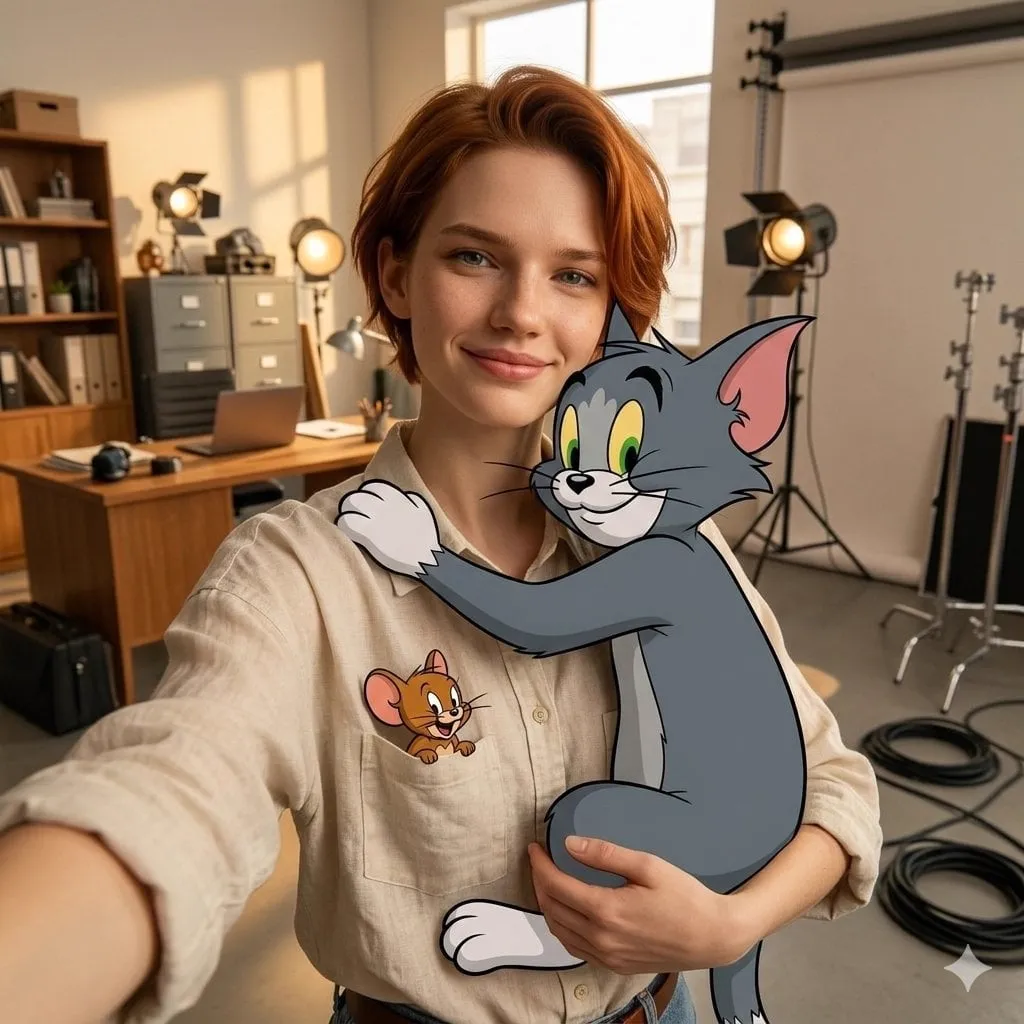
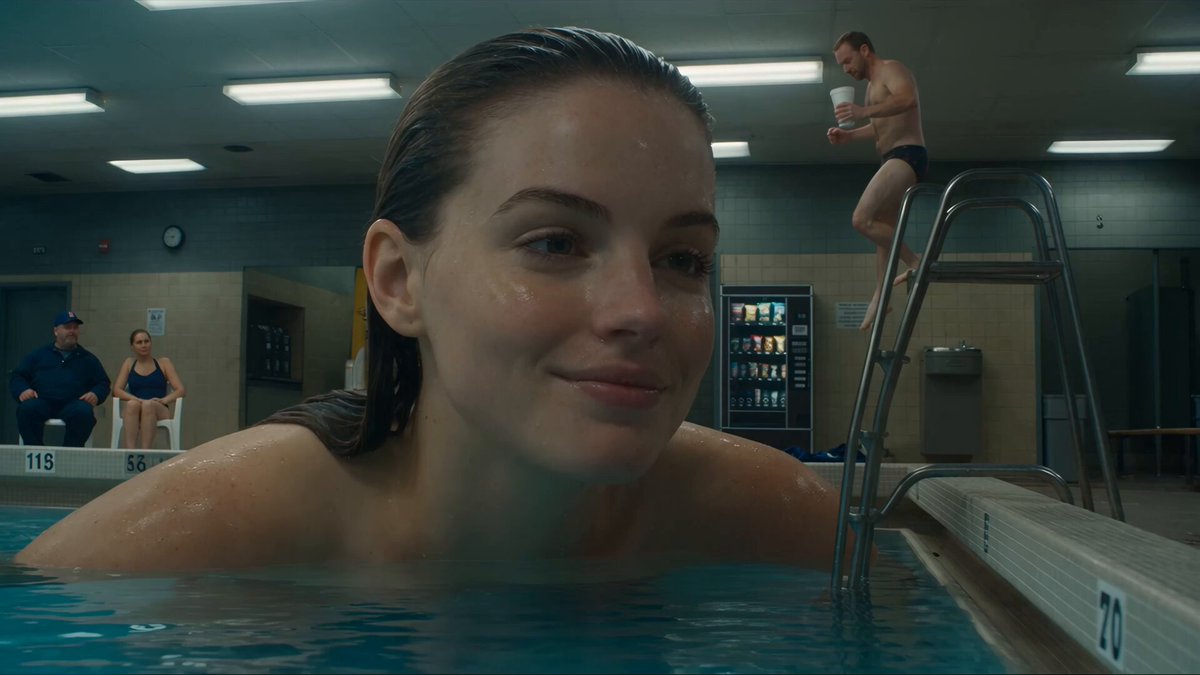
- B-roll and abstract visuals. Generated clips work well for concepts that are hard to film — time, growth, data flowing, atmosphere behind a voiceover.
- Caption and subtitle cleanup. Automatic transcription plus a manual pass catches the errors that make viewers distrust a video.
- Thumbnail and cover frame selection. Cover frames matter for profile grid browsing and for reposts elsewhere.
Poor uses: letting a tool pick your topic, generating a full talking-head performance you cannot improve, or padding a Reel with synthetic footage that has no relationship to the narration. Viewers forgive simple visuals; they do not forgive irrelevant ones.
A prompt pattern that produces usable footage
When writing a generation prompt, specify four things: subject, action, camera behaviour, and light. "Close-up of hands folding paper, slow push in, soft window light from the left, shallow depth of field, neutral background" gives an editor something they can cut against narration. "Beautiful paper aesthetic" does not.
Generate two or three seconds at a time. Short generated clips cut together more convincingly than one long clip, and they hide inconsistencies in motion and detail. Keep a consistent visual style — same palette, same lighting direction, same level of realism — so edits between real and generated footage do not jar.
Step 6: Publish, test, and read the signals honestly
Metrics that actually inform the next Reel
The most useful early signals in short-form video are watch-through rate, rewatches, saves, shares, and comments that ask a follow-up question. Views alone tells you the content was served, not that it worked. A Reel with modest views and a high save rate is more valuable than a fleeting spike with no saves, because saves indicate durable usefulness.
Diagnose with a short list:
- High impressions, low watch time. The hook overpromised or the first frame was unclear.
- Good watch time, low shares. The content was pleasant but not useful, surprising, or identity-affirming enough to send to someone.
- High saves, low follows. Viewers value the information but do not see a reason to expect more of it. Your profile and pinned posts need to make the promise clearer.
- Strong first 24 hours, then flat. Either the topic was narrow or the audio/text combination did not travel beyond your existing audience.
Run a weekly testing cadence
Post in small batches and change one variable at a time. A workable pattern:
- Week one: vary the hook type across four posts, keep topic, length, and edit style identical.
- Week two: lock the winning hook type, vary length (15, 25, 40 seconds) across four posts.
- Week three: keep the winners, vary the cover frame and the first on-screen words.
- Week four: repeat the best-performing format with a new topic to test whether the format itself travels.
Log every post in a simple sheet: date, topic, hook type, length, audio category, watch-through rate, saves, shares. After a month you will have evidence instead of theories, and you can stop making content based on guesses about what the algorithm "wants."
Step 7: Turn the pipeline into a sustainable system
Batch the work by stage
Switching between ideation, filming, and editing every day is what makes short-form video exhausting. Group the stages instead:
- One planning session per week. Pick four topics, write four scripts, choose audio.
- One filming block. Record all four in a single session with a consistent lighting setup and outfit changes where it matters.
- One editing block. Edit in sequence so your pacing decisions stay consistent and your project files stay open.
- One publishing pass. Write captions and covers, schedule, and add the posts to your tracking sheet.
Four Reels a week from two blocks of focused work is realistic for one person and enough to learn from.
Repurpose deliberately, not automatically
A Reel that performed well deserves a second and third life: a longer landscape version for video platforms, a text version for newsletters or blogs, a carousel built from the same key points, a comment-reply video answering the most common question it generated. Repurpose by re-cutting the idea, not by cross-posting the identical file with a different watermark, which audiences notice and platforms often suppress.
Common mistakes that quietly kill reach
- Burying the payoff. If your insight arrives at second 20, most viewers never see it.
- Making content for other creators. Insider jokes and editing flexes entertain peers, not the audience you actually want.
- Ignoring the first frame. The cover and the opening image do the recruiting work before anything else.
- Over-literalism in generated footage. Abstract AI visuals behind concrete instructions confuse viewers.
- Posting inconsistently, then concluding the format does not work. The algorithm rewards reliable publishing far more than most creators want to admit.
- Never reusing winners. Most creators let their best-performing idea disappear after one post instead of rebuilding it five different ways.
FAQ
How long should an Instagram Reel be?
Length should follow the idea. Most high-performing Reels in informational niches land between 15 and 35 seconds because that is enough time to deliver one clear payoff. Longer Reels work when the story or demonstration genuinely needs the room, but every extra second adds pressure to keep attention.
Do I need trending audio to get reach?
Trending audio can help distribution, but it is not a substitute for a strong hook and a clear payoff. Voiceover-led Reels with no trending sound go viral constantly. Pick audio based on the job it does in your edit, not on a superstition about the algorithm.
Is AI-generated footage acceptable in a Reel?
Yes, when it supports the narration and matches your visual style. Use it for concepts that are expensive or impossible to film, keep clips short, and avoid mixing drastically different levels of realism in the same video.
How many Reels should I post per week?
Three to five is a practical range for a solo creator: enough posts to learn from in a month, few enough that you can still plan, script, and edit each one properly. Consistency matters more than volume, because reliable publishing is what trains both your audience and your process.
What should I do when a Reel flops?
Check the data before rewriting the concept. Look at watch-through rate, saves, and shares separately. If watch time was fine but saves were low, the idea was not useful enough. If watch time collapsed early, the hook was the problem. Fix the specific failing variable and re-test the same format before abandoning it.
Can I reuse the same format repeatedly?
You should. Formats are containers, not content. When a structure works, run new topics through it until performance declines. Audiences reward familiarity that delivers value, and repeating a proven format is far cheaper than inventing a new one every week.
