


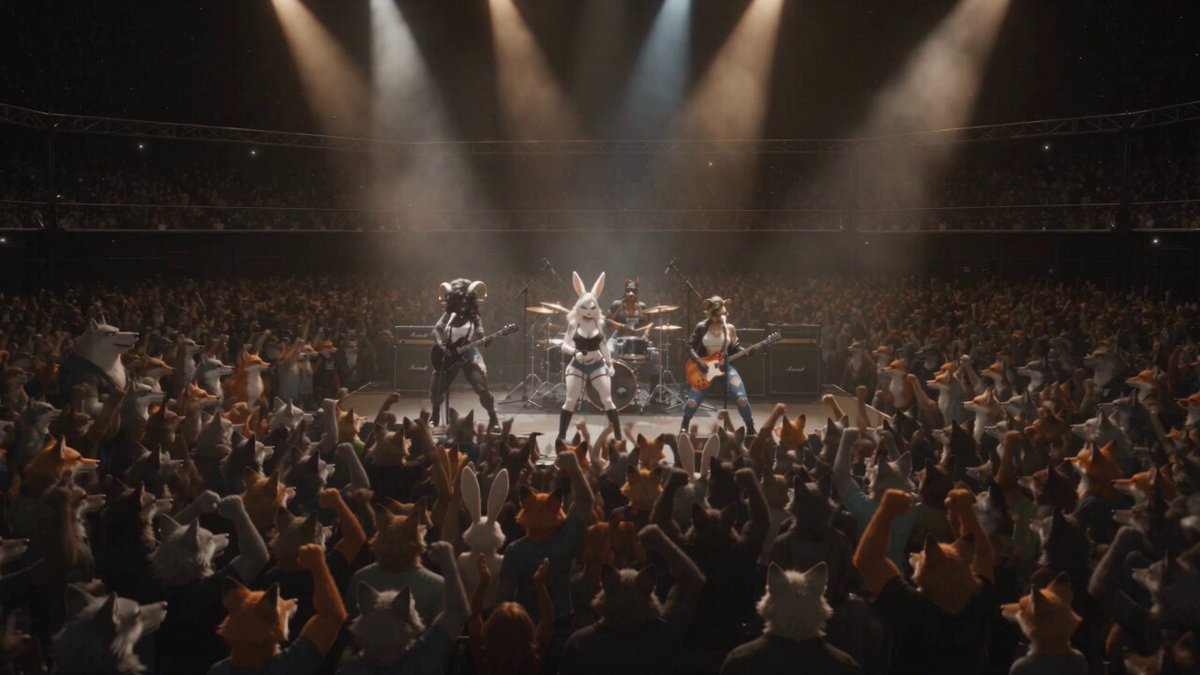
Video content lives and dies by its audio. A viewer will forgive a slightly rough image far sooner than a poorly chosen soundtrack. Yet for years, creating fitting background music demanded real musical skill. Artificial intelligence has changed this. Today, an AI sound studio makes it possible for any creator to generate, refine, and place background music that matches the mood of a video. This guide is a complete, beginner-friendly walkthrough of that process.
Why background music is worth your attention
In the current digital age, content quality is directly tied to its audio design. Whether you make short-form videos, long-form documentaries, or digital marketing material, background music shapes viewer engagement and emotional response. The right track makes a scene feel warmer, a product feel premium, and a tutorial feel clearer. The wrong track can undo otherwise excellent work.
Because so much of a video's emotional impact rides on sound, improving your music workflow is one of the highest return investments a creator can make.
Understanding the current landscape
By 2025, AI-driven video production has gone completely mainstream, and the audio side has raced to keep up. Modern workflows treat visuals and sound as one system rather than separate afterthoughts. A well-built sound studio fits naturally into this picture, offering a place where an idea for a piece of music becomes a finished, synchronized track.
What an AI sound studio does
An AI sound studio lets you describe the music you want, often with plain words, a mood, and a duration, and it generates a track to match. Beyond simple generation, good studios offer controls for tempo, instrumentation, energy, and structure. You are not stuck with a single output; you can refine until the track fits.
A step-by-step process for creating background music
The process of creating music with an AI studio follows a natural arc. The following steps produce solid results consistently.
Step 1 : decide the musical role
Before generating anything, decide what the music should do. Should it sit quietly under a voiceover, build energy through a montage, or carry a narrative section on its own? A clear role tells you whether you need something sparse and steady or full and dynamic.
Step 2 : define the mood and energy
Describe the atmosphere you want. Words like warm, tense, playful, epic, or melancholic give the generator useful direction. Pair the mood with an energy level and a rough tempo. The more specific you are, the less you will fight the result later.
Step 3 : generate and gather candidates
Produce several versions of the track. Listen with your goal in mind, not with vague hopes. Discard obvious mismatches quickly and keep two or three candidates for the next round.
Step 4 : refine the chosen track
Refine the best candidate. Adjust the energy curve so it builds and releases where you need it. Tighten the arrangement, trimming any section that drags. Most studios let you iterate on a generation, keeping the parts you like.
Step 5 : place and balance in your video
Bring the music into your edit. Set its starting point so it lands on the right visual beat, and balance its level against any voice or effects. The music should support, never overwhelm, the rest of the sound.
Finding the right starting prompt
A strong prompt is the fastest route to a good track. A useful formula covers the genre, the mood, the tempo, and the instrumentation in one sentence. For example: "a warm, gentle acoustic piano bed, slow tempo, with soft pads for a heartfelt scene." You can add specific requests about length, structure, or energy later.
Do not hesitate to experiment. Generating several ideas and listening critically is faster and more effective than agonizing over the perfect wording of a single prompt.
Customization and control tools
A good studio gives you control, not just generation. Look for the ability to adjust tempo, change instrumentation, lengthen or shorten a track, and shape its emotional intensity over time. These controls let you bend a generated idea into something that truly fits your piece.
Building a track in sections
Many tracks respond well to a sectional approach: create an intro, a main body, and an outro, then arrange them. This gives you clean control over the shape of the music and makes it easier to extend or shorten later.
Extending and looping
For videos of variable length, the ability to loop or extend a track cleanly is invaluable. A loop holds the mood steady, while a slight variation keeps it from feeling repetitive. Knowing your platform's length requirements in advance helps you design the right structure.
Synchronizing music with your final video
Good music feels inevitable, as if the picture and the track were made together. Synchronization is how you achieve that.
Match beats to action
Align important musical accents with key visual moments. A drop that lands on an object appearing, or a resolution that coincides with a scene change, makes the edit feel deliberate. The ear perceives this alignment as polish.
Use the edge of the mix for emphasis
In moments where music should drive emotion, let it rise; where dialogue or narration matters, tuck the music back. Automating this "ducking" as you edit produces far more professional results than a flat music level.
Test on real devices
Listen to your final mix on more than one speaker setup, including a phone. What sounds balanced on studio monitors can sound thin or loud on a small speaker. A quick check on everyday devices prevents unpleasant surprises.
Refining AI-generated music for your project
Generated music is an excellent starting point, but it is rarely perfect out of the box. Refinement is an expected, healthy part of the workflow.
Edit out weak sections
Using the studio's arrangement controls, trim any section that feels repetitive or uninteresting. A tauter arrangement commonly outshines a longer, looser one.
Layer for depth
Do not be afraid to layer a generated bed with other elements: a subtle percussion loop, a field recording, or a soft pad you have made yourself. Layering turns a generic track into something distinctive.
Match the brand or series identity
For ongoing content, standardize a musical identity. A recurring palette of instruments and moods across your videos builds recognition and reinforces your brand.
Advanced audio strategies
Once the basics feel natural, you can push further by integrating music more deeply into the creative direction of a project.
Mapping music to emotional beats
Consider mapping the emotional arc of your video to the arc of the music. Identify where your story rises, peaks, and resolves, and shape the music to travel the same path. This intentional alignment is what separates moving pieces from merely acceptable ones.
Coordinating sound across a series
For a series, plan the audio identity across episodes. Consistent themes, motifs, and energy signatures make the series feel cohesive and professional.
Creating music for different video types
Background music is not one-size-fits-all. Different formats reward different approaches.
Short-form videos and reels
For short-form content, land quickly and hold energy. Open with a distinctive hook, keep the track tight, and align strong accents with the cuts. A fast, clean arrangement prevents the clip from feeling static.
Long-form and documentary work
Long pieces benefit from music that breathes. Use quieter, spacious sections to let voice and natural sound carry meaning, then release fuller arrangements at emotional peaks. A track that follows the arc of the story keeps viewers engaged across a longer runtime.
Marketing and branded content
For branded work, coordinate closely with a style guide. A consistent musical identity across campaigns builds recognition. Underplay the track so the message stays clear, and reserve strong musical moments for the key visual or slogan.
Choosing instruments and texture
The instruments you choose shape the emotion more than you might think. Acoustic sounds convey warmth and intimacy, electronic textures suggest modernity and energy, and orchestral swells imply scale and drama. Match the texture of the track to the world of your video.
Keeping it simple with few elements
A small number of well-chosen elements often reads more clearly than a busy arrangement. Start minimal and add layers only where they genuinely deepen the feeling. Restraint is a mark of confidence in sound design.
Using contrast for effect
Deliberate contrast makes music memorable. Quiet sections make loud ones feel bigger; sparse moments make full ones feel lush. Plan contrast into the arrangement so the emotional dynamics of the piece feel intentional.
Managing music and dialogue together
The relationship between music and spoken audio is where many mixes succeed or fail. The goal is clarity: the words must always be understandable, while the music supports the mood underneath.
Ducking and balancing
When a voice speaks, lower the music under it, then bring the level back up in the gaps. This automatic or manual ducking keeps dialogue intelligible without sacrificing the emotional support of the track. Test the balance carefully; it is a constant in professional sound.
Leaving breath for speech
Avoid loading every second with music. Pauses, natural sound, and silence give the ear room and make the music moments more impactful when they arrive. Let the track breathe.
Building a personal music library
Over time, the tracks you create become an asset. Keep a library of your best generated music, organized by mood, tempo, and genre. Reusing a proven track, or adapting it for a new piece, saves time and gives your body of work a consistent audio identity.
Tagging for quick reuse
Label each saved track with its mood, energy, tempo, and the type of content it suits. A few thoughtful tags transform a folder into a searchable toolkit. Building this library gradually pays off with every future project. Over time, your library becomes a genuine creative asset that makes production faster and more consistent across your whole catalog.
Common mistakes to avoid
Several errors recur across beginner workflows. The first is generating music without a clear role in mind, resulting in tracks that look nice on paper but do not serve the scene. The second is leaving music volume flat, ignoring the dynamics of the edit. The third is skipping prompt experimentation, settling for a first output that is merely acceptable.
Each mistake stems from rushing the intention phase. Sound design rewards planning.
Frequently asked questions
Do I need to know music theory to use an AI sound studio?
No. Describing mood, tempo, and instrumentation in plain language is enough to get useful results. A basic vocabulary of terms like tempo and instrumentation helps, but it is not a barrier.
Can the generated music match a specific video length?
Yes, most studios let you extend, loop, or trim a track. Design the structure with your target length in mind for the cleanest result.
How do I make the music feel less generic?
Refine the arrangement, layer additional elements, and synchronize it tightly with the visuals. The more you bend the track to your specific scene, the more distinctive it becomes.
Should the music be audible throughout the whole video?
Not necessarily. Silence and sparse sections are powerful tools. Use music where it supports the emotion and give it space elsewhere.
Can I reuse the same track across different videos?
Yes, if it fits. Reusing and adapting proven tracks is common and efficient, especially when you maintain a similar series identity.
Conclusion
Background music no longer needs to be the most intimidating part of video production. With an AI sound studio and a clear process, any creator can generate music that fits the mood, refine it to serve the story, and synchronize it cleanly with the final cut. Start by deciding the musical role, describe the mood and energy, generate a few candidates, and refine with control. Before long, sound becomes one of your strongest tools for moving the audience.
