
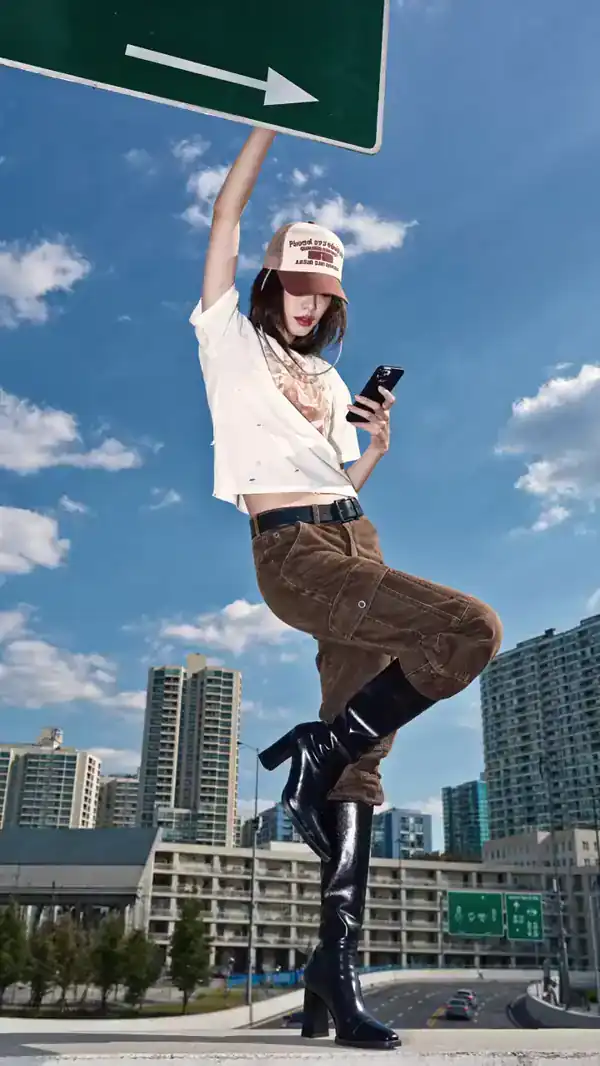
Fashion content is one of the most competitive and most visual categories on the internet. Every brand and every creator is chasing the same goal: show clothing in a way that feels aspirational, authentic, and impossible to ignore. Denim shorts occupy a unique place in this world. They are a timeless staple, a symbol of summer, and a surprisingly flexible canvas for styling stories. What is new is the tooling. AI video tools now allow fashion creators to produce lookbooks, styling guides, and campaign videos at a fraction of the traditional cost, while keeping outfits consistent across every scene. This guide explores how to style denim shorts for the current trend cycle and how to produce fashion video content with AI tools that looks professional and stays on-brand.
Why Denim Shorts Are a Fashion Content Goldmine
Denim shorts sit at the intersection of several powerful trends: streetwear, retro nostalgia, and the continuing rise of casual, comfortable dressing. They work for almost every body type, every season context, and every price point. That breadth makes them an ideal subject for content creators. You can make a styling video, a transformation video, a shopping guide, or a brand campaign, all centered on one garment.
The content opportunity is also practical. Denim shorts are easy to source, easy to photograph, and instantly recognizable. Viewers already have an opinion about them, which means your content starts with attention instead of an explanation.
The Current Styling Landscape
From Classic to Streetwear
The classic denim short has never disappeared, but its styling has evolved. The straight-leg cut has made a comeback, replacing the overly distressed looks of the previous decade. High-waisted styles remain popular for their flattering fit and retro associations. On the streetwear side, oversized denim shorts, baggy fits, and cuffed hems are carrying the moment, often paired with graphic tees, chunky sneakers, and layered accessories.
Styling for Different Audiences
The same pair of shorts can anchor completely different looks. For a minimal aesthetic, pair dark-wash denim shorts with a crisp white shirt and clean sneakers. For a Y2K revival, add a colorful cropped top, a small shoulder bag, and tinted glasses. For an outdoor lifestyle angle, combine mid-length shorts with a utility vest, hiking sandals, and a lightweight jacket. Each of these directions is a content series waiting to happen.
How AI Tools Change Fashion Production
The Consistency Problem in Fashion Video
Fashion video has a specific technical challenge: the outfit must look identical in every shot. A jacket that changes color between scenes ruins the video. A pair of shorts whose wash, stitching, or hem changes across cuts destroys the credibility of the lookbook. This is where AI video tools historically struggled, and where modern reference techniques have made the biggest leap.
Reference Images and Multi-Image Fusion
Modern AI tools let you build a reference pack for the outfit. Upload images of the denim shorts from several angles, plus the tops, shoes, and accessories you want to feature. Using multi-image fusion, the generation process locks the identity of each garment so it appears consistent across different scenes, lighting conditions, and camera angles. You can film the model walking down a street, sitting in a café, and posing against a wall, and the outfit stays true in every frame.
Creating Consistent Outfit References
A powerful workflow is to create "outfit cards" before shooting. For each look, assemble a reference image: the shorts, the top, the shoes, the accessories, and the overall palette. Use these cards as the anchor for every scene in the video. This turns a collection of separate generations into a coherent styling story. It also makes future content faster: next season, you update the outfit cards and reuse the workflow.
Building a Fashion Content Workflow
Step 1: Define the Collection
Decide how many looks the video will show. Three to five looks is a strong range for a lookbook or styling guide. For each look, define the vibe, the occasion, and the key pieces.
Step 2: Build the Outfit Cards
Gather or generate reference images for every piece in each look. Include close-ups of textures, patterns, and washes. These details are what make the outfit feel real rather than generic.
Step 3: Direct the Scenes
Write a scene list: where the model is, what they are doing, and how the camera moves. Direct each scene with specific language: lighting, mood, and focus. The outfit cards keep the garments consistent while the directions create variety.
Step 4: Generate, Curate, and Assemble
Generate the scenes, review them against the outfit cards, and keep only the shots that are consistent and beautiful. Assemble them in an order that tells a story: opening, exploration, close-ups, and a final hero shot. Add music and captions that match the vibe.
Step 5: Publish as a System
Fashion content rewards consistency in publishing as much as in visuals. Post on a regular cadence, reuse your outfit cards across episodes, and build a visual identity that viewers recognize. Over time, your library of outfit cards becomes a real competitive asset.
Production Speed with Task Queues and Batch Tools
Fashion creators often need volume: multiple looks, multiple angles, multiple platforms. AI platforms that support task queues let you batch-generate scenes and manage them in parallel. You submit the outfit cards and directions once, then review the results as they complete. This turns a one-at-a-time production into an assembly line, which matters when you are producing a weekly series or a campaign with tight deadlines.
Sound, Music, and the Fashion Vibe
Fashion content lives on atmosphere. The music choice sets the tone before the viewer notices the clothes. A clean minimal beat suits a premium lookbook; an upbeat track fits a streetwear drop. Keep the audio mix clean, add subtle sound effects for transitions, and consider a calm voice-over for styling guides that explain the "why" behind each look. The voice should match the audience: relaxed and personal for lifestyle content, polished for brand work.
Monetization and Community
From Content to Commerce
Fashion content has one of the clearest monetization paths on the internet. Styling videos naturally lead to shopping: viewers want to know where the shorts are from, what they cost, and how to build the same look. Whether through affiliate links, brand sponsorships, or your own product line, the outfit itself is the product. Keep a simple way for viewers to find the pieces: a link page, captions with product names, or a dedicated video series.
Community and Co-Creation
Fashion communities thrive on participation. Invite viewers to share their own styling takes, run polls on colorways, and feature audience outfits in your videos. AI tools make it easy to generate variations for these interactions: show the same shorts in five different looks and ask which one viewers would wear. This kind of engagement feeds the algorithm and builds a loyal audience.
The Future of Fashion Content
The combination of denim shorts, styling culture, and AI production is a preview of where all fashion content is heading. Brands will produce personalized lookbooks at scale. Creators will build digital fashion libraries where every garment exists as a reusable reference. The role of the fashion creator will shift from shooting and editing to directing and curating: defining the vision, building the references, and choosing the best of what the tools generate.
For independent creators, this is an opportunity, not a threat. The tools lower the cost of production, but they do not supply taste. The creator who understands styling, knows their audience, and builds a consistent visual world will stand out even as the volume of AI content grows.
Example: A Five-Look Denim Shorts Series
Imagine a weekly series called "Five Ways to Wear Denim Shorts." Each episode features one pair of shorts styled five ways. The workflow starts with the outfit cards: one card per look, each combining the same shorts with a different top, shoe, and accessory set. The reference pack locks the shorts so the wash and fit never change across the episode. The scene list has one shot per look, plus an opening hero shot of the shorts alone and a closing grid that shows all five looks. You generate the scenes with consistent lighting and camera language, review them against the outfit cards, and regenerate anything that drifts. The edit pairs each look with a short caption and a music track that builds toward the final grid. Viewers who love look three can find the exact pieces listed in the caption. After a few episodes, you have a library of outfit cards that makes each new episode faster than the last, and a format that viewers recognize and wait for.
Common Mistakes in AI Fashion Content
The first mistake is inconsistent garments. If the shorts change wash or length between scenes, the video fails its purpose. Build the outfit cards first and check every generation against them. The second mistake is ignoring texture. Fashion is about fabric, and AI models sometimes smooth away the details that make denim feel real. Use close-up references and check the texture in the review pass. The third mistake is style chaos: mixing cinematic, editorial, and casual looks in one video without intention. Choose one visual language and apply it consistently. The fourth mistake is weak storytelling. A lookbook is not a slideshow; each look should advance a mood or a story. The fifth mistake is forgetting the commerce angle. Fashion content earns when viewers can act on it, so always make the pieces findable.
Building Your Fashion Production Kit
Your kit needs five parts: a garment library of reference images, a styling notebook for outfit ideas, a prompt library for scenes and moods, an editing setup with captions and music, and a publishing calendar. The garment library is the crown jewel. Every piece you feature becomes a reusable reference, which means your content library compounds over time. Keep the styling notebook current with trends you observe and ideas from your audience. Review your analytics monthly and feed the learnings back into the next batch of outfit cards. With this system, producing a new episode is mostly a matter of choosing looks, generating scenes, and curating the best results.
Seasonal Planning for Fashion Content
Fashion is seasonal, and AI production makes seasonal planning more powerful than ever. Build a content calendar that anticipates the seasons: summer styling for denim shorts, layering guides for autumn, holiday looks for winter, and fresh color stories for spring. Each season, produce a batch of outfit cards before the content is needed, so when the weather turns, your videos are ready. The reference library compounds across seasons: last summer's denim shorts card can be restyled with new tops and accessories this year. Seasonal planning also helps with commerce. If you know a shopping spike is coming, prepare the videos, the captions, and the links in advance. Combine the calendar with your analytics: look at what performed in the same period last year, and plan to make it better. AI does not remove the need for planning; it makes planning pay off faster, because the gap between an idea and a finished, on-schedule video has never been smaller.
Frequently Asked Questions
Do I need to own the clothes to make fashion videos with AI?
No. You can create outfit concepts entirely with AI, using reference images you design or generate. For sponsored or affiliate content, always follow the disclosure rules for your region and platform.
How do I keep the same denim shorts looking identical in every scene?
Build an outfit card with multiple reference images of the shorts, including close-ups of the wash and stitching. Use multi-image fusion in your generation tool so every scene anchors to the same identity.
What kind of fashion videos perform best?
Styling transformations, "how to wear" guides, outfit grids, and behind-the-scenes content consistently perform well. The strongest format combines a clear promise in the first seconds with a satisfying visual payoff.
How many looks should a styling video include?
Three to five looks keeps the video focused and completable. More looks risk losing viewers; fewer looks feel thin. Test different counts and follow your retention data.
Can AI fashion content replace real photoshoots?
For concept development, lookbooks, and social content, AI is already a practical alternative. For e-commerce product photography and brand campaigns, real shoots still offer authenticity that many buyers value. The best strategy uses both, with AI handling exploration and scale.
