

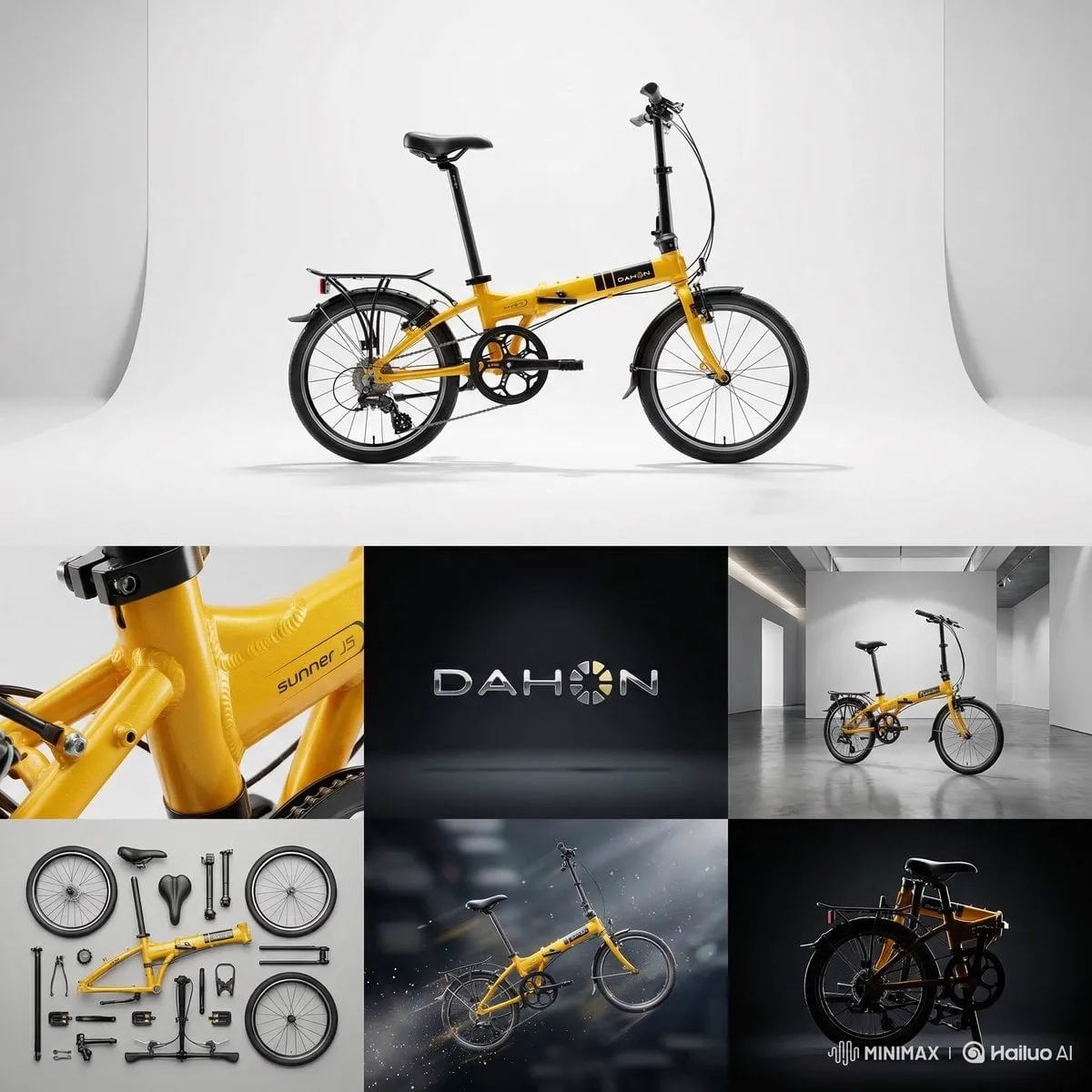

In e-commerce, a product photo tells a shopper what something looks like. A short video tells them how it feels to hold, open, use, and enjoy it. That emotional gap is why video converts so much better than static imagery on everything from marketplace listings to social media ads. But creating a steady stream of good product videos is genuinely hard when you have dozens of SKUs and a weekly publishing cadence. This guide is about making that process repeatable. It covers the strategy, the workflow, and the prompt-and-reference techniques that turn AI video from a novelty into a dependable part of your storefront.
Why Video Moves the Needle in E-Commerce
The attention economy is brutal, and video is its native language. A static grid gets scrolled past in seconds; a well-edited clip can hold attention long enough to communicate value, show a detail, and plant a buying impulse. For shoppers, video reduces the uncertainty that makes them hesitate: they see scale, motion, texture, and use in context. That confidence boost translates directly into engagement and, for many stores, measurable conversion lift.
The catch is volume. Featuring video across hundreds of products, multiple formats, and nonstop ad variants sounds wonderful until you count the hours. The core insight of this guide is that AI can generate draft and hero footage at a scale that once required a studio, while you keep control of the brand, the claims, and the final quality.
Setting the right goal before you generate
Before you produce a single clip, define what the video must do. Are you building trust, demonstrating a feature, reducing returns, or driving ad clicks? Different goals want different footage. A trust-building brand video might be slower and cinematic; a retargeting ad wants an upfront hook; a listing demo wants clear, honest functionality. Naming the goal first prevents you from generating beautiful footage that sells nothing.
Building Visual Consistency Across Your Catalog
Nothing breaks a store's credibility faster than videos that feel like they came from different brands. Even when each individual video is good, an inconsistent catalog makes the whole storefront feel sloppy. Visual consistency is the foundation of a professional e-commerce video program.
Create a product and scene style sheet
Standardize the look before you scale. Define the background treatment, lighting direction, color palette, and camera language that match your brand. Build a short reference set for the most common scenes in your catalog, such as the hero shot, the lifestyle shot, and the feature close-up. Every product video then follows the same visual grammar, which makes the catalog cohesive even as the products change.
Keep the product itself honest
Consistency should never mean hiding what the product actually is. E-commerce shoppers punish deception, and video that misrepresents a product produces returns and lost trust. Generate in a way that preserves the real shape, color, and details of the item whenever possible, using real product references rather than letting the model invent plausible-but-wrong versions.
The Workflow: From Listing to Final Clip
A repeatable workflow is what turns a creative idea into a dependable pipeline. Here is a structure that works across product categories:
- Write down the product's key benefit and the video's goal.
- Gather real product references and choose the scene style.
- Draft a script or hook for the short-form edit.
- Generate the base shots with references loaded.
- Review against the style sheet and the product truth.
- Edit the final cut with captions, music, and a clear call to action.
The loop is short and deliberate. Each step forces a decision that would otherwise get skipped under deadline pressure.
Reusing scenes to scale the catalog
Once you have a hero-shot scene you love, reuse it across similar products. Swap in each product's genuine reference, keep the same camera move and lighting, and you get a cohesive series at a fraction of the cost of art-directing every single SKU. This is how professional studios scale catalogs, and AI makes it far more accessible to smaller teams.
Formats That Actually Convert
You do not need one long video per product. You need a set of short-form variants that fit where shoppers actually watch. Common formats worth producing:
- The 6-to-9-second teaser: one strong visual hook, ideal for social ads.
- The 15-to-30-second feature demo: shows use, scale, and a headline benefit.
- The listing loop: a clean, looping hero clip for marketplace and product pages.
- The UGC-style clip: a casual, phone-like frame that feels like a real customer.
Each format has a job. A catalog that mixes these catches shoppers at different stages of the decision, from initial awareness to a final nudge toward checkout.
Planning a content calendar around video
Video works best when you publish consistently rather than in bursts. Sketch a simple cadence: a hero shot for every new launch, a short demo for your top sellers each week, and a rotating set of lifestyle clips for social. A lightweight calendar keeps the work steady, makes batch production easier, and gives you a natural place to test new scenes and measure their performance over time.
Prompt and Reference Techniques That Work
Getting good, consistent footage from AI takes more than describing a product. Lean on these techniques:
- Supply real references: product images, lifestyle shots, and the style sheet.
- Describe one dominant action, not three competing ones.
- Lock lighting and mood in the prompt and keep them consistent across variants.
- Keep claims factual; let the model embellish atmosphere, not product facts.
- Use captions and on-screen text at the edit stage, not inside generation.
When to let the model be creative
Atmosphere and scene can be creative. Facts cannot. It is fine for the model to invent a beautiful lifestyle setting, but it should not invent a feature the product does not have, or a color the product does not come in. Separate the creative layer (scene, mood, motion) from the factual layer (what the item really is) and keep facts rigid.
Cinematic Control Without a Film Crew
You do not need a camera operator to get deliberate camera language. Modern AI tools support descriptions of camera moves, framing, and shot types. Borrow the vocabulary: a slow push-in, a tracking reveal, a low-angle hero shot, a tight macro on a feature. Using shot language deliberately gives product videos a polished, intentional feel that separates them from generic generated clips.
Match the camera to the message
A slow push-in draws the eye to a premium detail; a tracking reveal unfolds a set or a lifestyle context; a macro shot shows texture and craftsmanship. Choose your camera move to support the selling point, not just to look impressive. When every shot communicates a clear idea, your product claim lands more sharply and the edit feels effortless even though it was carefully planned.
Editing Is Where the Brand Lives
Generation gets you footage; editing makes it your brand. Add your logo lockup, brand colors, captions tuned for silent viewing, and a distinctive pacing. The finished edit is what a shopper associates with your store, so invest in a consistent edit template even if the underlying footage changes from product to product.
Sound, captions, and the silent viewer
Most shoppers watch with the sound off, so captions are not optional; they are how your message travels. Write short, punchy captions that work on their own, and add a distinct audio bed for the minority who do listen. Keep the edit template consistent enough that a viewer can recognize your brand from a single frame, but flexible enough to vary the rhythm between emotional and energetic formats.
Avoiding the Common Pitfalls
Even good workflows hit the same traps. Know them and you will save real time:
- Generating every product from scratch instead of building reusable scenes.
- Letting the model invent unrealistic product details.
- Forgetting captions, which most shoppers watch without sound.
- Producing beautiful footage with no clear call to action.
- Inconsistent grading that makes the catalog feel chaotic.
Each of these is fixable at the planning stage, before you spend effort generating the wrong thing. Put a short checklist at the top of your workflow so the traps are caught early and cheaply.
Building Reusable Scenes and Templates
The fastest way to scale is a library of reusable scenes. Keep a hero loop template, a feature-demo structure, and a lifestyle treatment that you can drop a different product into each time. Store the associated style notes, references, and prompts next to each template so you can reproduce the look without rediscovering it. The more your library grows, the cheaper each new product video becomes, which is exactly what a scaling storefront needs.
Working With Diverse Product Types
Not every product needs the same treatment, and your video system should flex accordingly. A small gadget may shine in a tight macro shot; a piece of furniture wants a room-scale lifestyle scene; a beauty product benefits from a clean, close-up demo of texture. Keep a few scene templates ready for these categories so you can choose quickly. The honest core stays the same: preserve the real product, keep the palette consistent, and match the scene to the selling point.
Seasonal and localized footage
E-commerce has rhythm, and your content should too. Plan a bank of seasonal and localized shots you can reuse: holiday backdrops, regional aesthetics, gift-wrapping sequences, and different weather moods. Because these scenes are reusable across many products, they amortize their cost quickly. Keep them in your library beside the product-specific templates, and pull from the shelf whenever a campaign calls for a timely look without rebuilding from zero.
Measuring Performance and Iterating
The best e-commerce video program is the one that learns. Track what your videos do: views, click-throughs, watch time, and conversion where you can see it. Run honest A/B tests on hooks and formats rather than guessing. Let the data tell you which scenes and angles move shoppers, then double down on those and retire the ones that flop.
Build a feedback loop into the workflow
Do not treat performance as an afterthought. After each campaign, export a short note on what worked and fold it into the reference sheet and prompt style for future products. Small, repeated improvements compound fast, and before long your catalog video quality and the conversion story around it rise together.
Accessibility and Performance Levers
Two levers quietly lift e-commerce video results: performance-honest thumbnails and fast load times. A strong first frame, sharp, on-message, instantly recognizable, earns the click before the video even plays, so design it intentionally rather than accepting a default frame. On the technical side, export video compressed for the platform without damaging quality, and use lazy loading so heavy clips do not slow your product pages. Every fraction of a second saved on load keeps shoppers scrolling and watching, and that experience compounds into better engagement across the whole catalog.
A Realistic Path to Getting Started
If you are new to e-commerce video, start smaller than you think you need. Pick your three best-selling products and produce one hero loop and one short demo for each, using a single consistent scene template. Ship those six clips, measure the response, and learn what your audiences respond to before you scale. Once the loop feels smooth, expand to more products, more formats, and more ambitious scenes. This staged approach builds confidence, refines your style sheet in real conditions, and avoids the paralysis that comes from trying to launch a giant catalog at once.
Final Thoughts
Eye-catching e-commerce video is not a mystery and not a luxury reserved for big studios. It is a system: a clear goal, a consistent visual grammar, reusable scenes, honest product truth, and disciplined editing. AI handles the heavy lifting of generation and scale, while you keep the brand intent and the final call to action in your hands. Start with one strong hero scene, reuse it across your catalog, measure the result, and iterate. That is the loop that turns occasional videos into a dependable engine for your store.
