
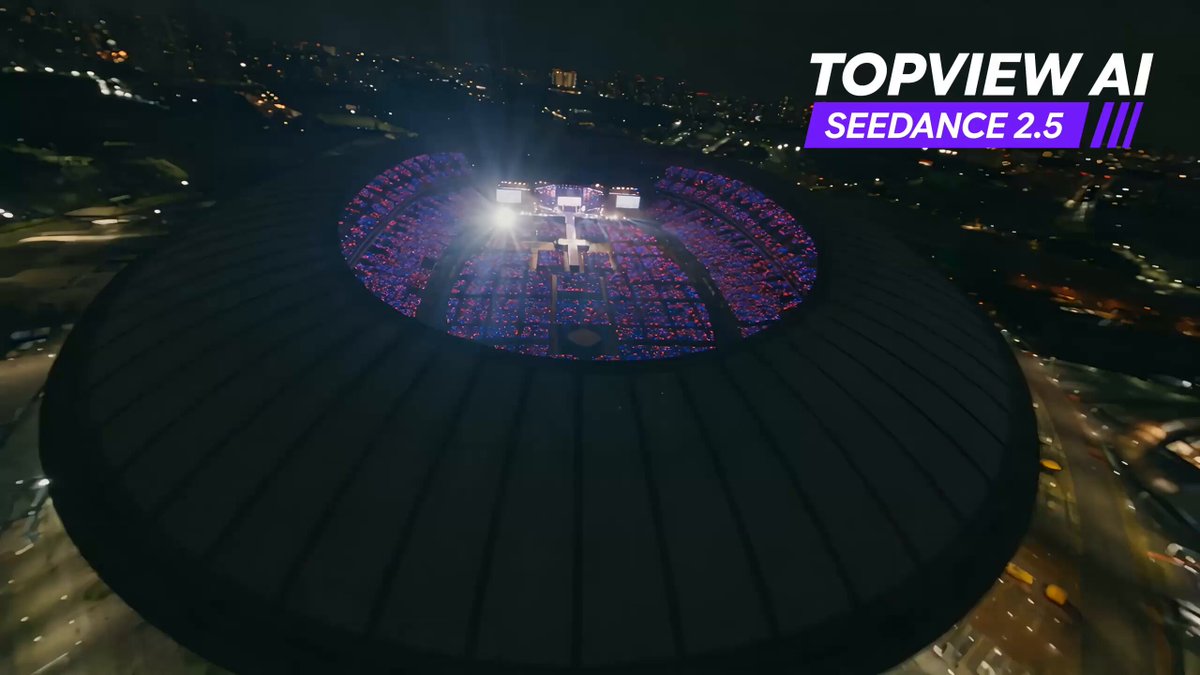
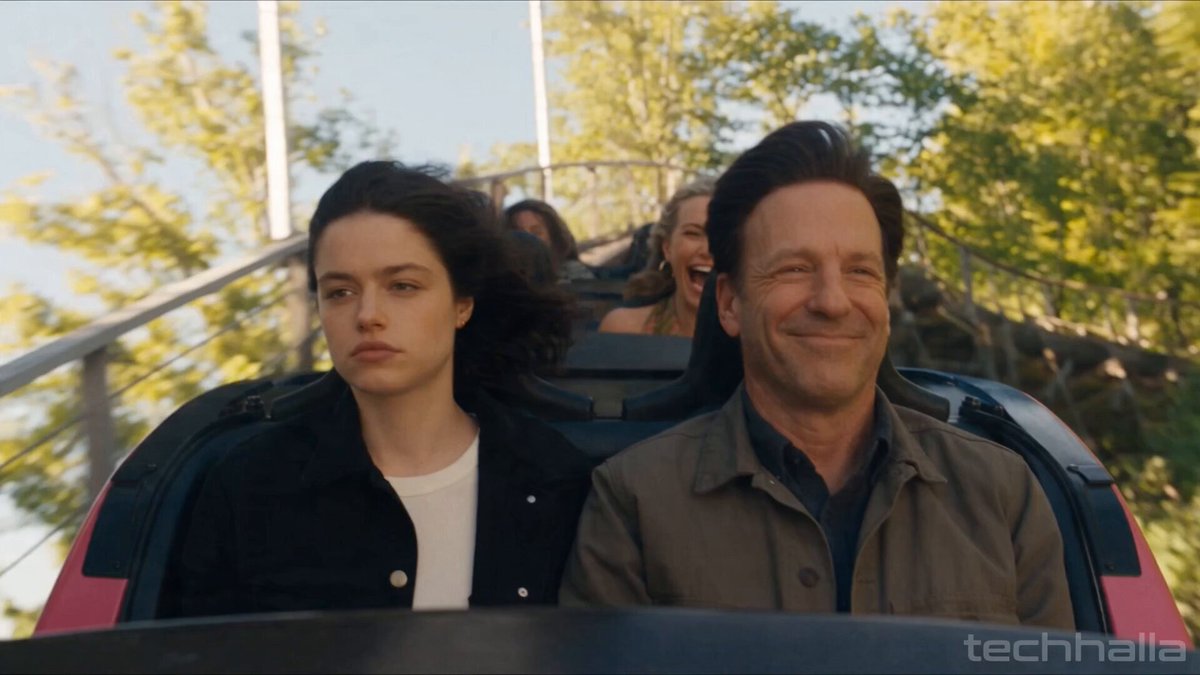
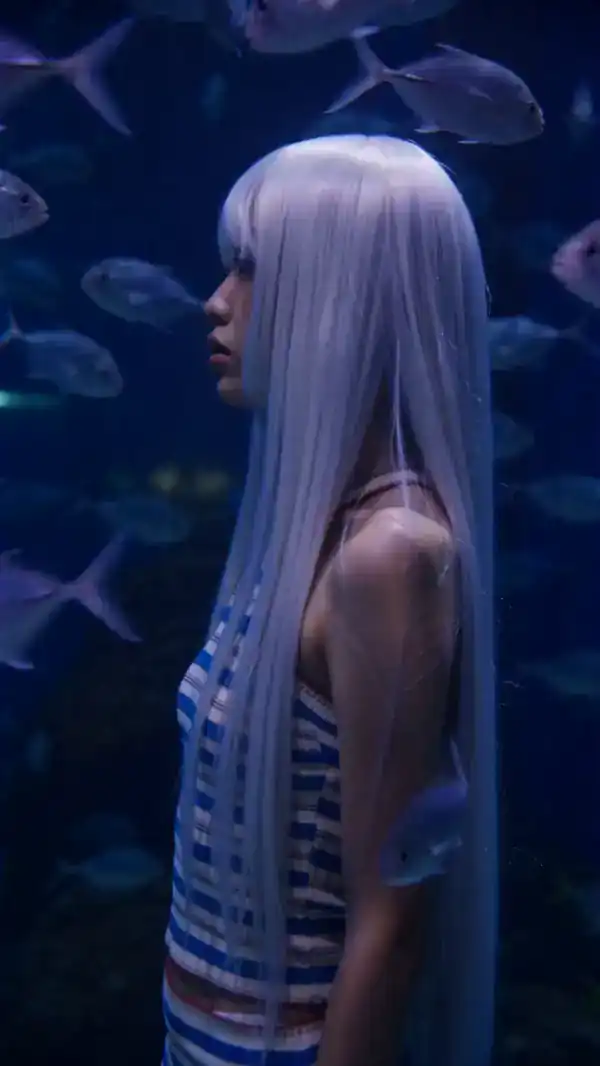
Why exclusive footage is the real differentiator
Audiences have developed a fast, almost instinctive filter for recycled visuals. They may not name the stock library or the familiar generator style, but they feel it: the same slow push-in on a glass office tower, the same plastic skin tones, the same vaguely European street that appears in a hundred unrelated ads. The footage reads as filler, and filler loses attention.
Exclusivity in AI video does not mean secrecy. It means specificity. A shot is exclusive when it could only belong to your project: your location logic, your character's silhouette, your color temperature, your timing. Nothing about it is licensable elsewhere, because nothing about it exists as a generic template. That specificity is what separates a video that looks generated from a video that looks directed.
The practical consequence is that exclusivity is a process, not a prompt. You get it by planning shot intent, routing each shot to the model that handles that intent best, controlling continuity across shots, and finishing with enough craft that the seams disappear. This guide walks through that whole chain.
Start with a shot list, not a prompt
Most weak AI video starts with a text box. Someone types a cinematic sentence, gets something pretty, and then tries to build a story around it. The result is a sequence of attractive but unrelated images. A shot list inverts that order and is the single highest-leverage thing you can do before opening any generation tool.
From script beat to shot intent
Write your scene as beats first, in plain language. A beat is a change: someone decides something, notices something, or loses something. Then, for each beat, ask what the viewer must physically see to understand the change. That answer is a shot intent, and it is written as a job description rather than a vibe.
Compare two versions:
- Vibe prompt: a woman walking through a rainy neon city, cinematic, moody, 4k.
- Shot intent: medium close-up, subject enters frame left to right, street-level camera, rain visible against a single warm sign behind her, shallow depth of field, she stops and looks off-frame right.
The second version tells you the framing, the blocking, the camera height, the light source, and the acting beat. It also tells you immediately whether you need a character model, a motion-heavy model, or something simple.
Deciding what should not be generated
Good directors cut shots before they cut footage. Some beats are cheaper, sharper, and more controllable as practical footage: a hand on a door, a real location establishing shot, a product on a table. Mixed media sequences are the norm in professional AI work, and the AI shots carry more weight when they are not forced to do everything.
A useful rule: generate the shots that are impossible, expensive, or dangerous to shoot. Shoot the shots that are trivially easy in real life. Blending both makes the generated material feel intentional rather than budget-driven.
Routing each shot to the right model
The current landscape is not one tool that does everything well. It is a set of specialized engines, and the skill is matching shot type to engine. Treat this like casting: you would not put a comedian in a tragedy just because they are famous.
Cinematic realism and lighting
For photoreal frames with believable light falloff, skin, and texture, diffusion-based image-first pipelines still dominate. Families such as Flux have become the default starting point for many studios because they hold detail under scrutiny and respond well to structured prompts. A common professional pattern is image first, motion second: generate a still keyframe with a strong image model, then animate it with a video model. The still gives you compositional control; the animation gives you movement.
This two-stage approach is also the cheapest way to iterate. Fixing a bad composition in a still takes seconds. Fixing it after a video render takes minutes and a lot of patience.
Stylized and motion-heavy shots
Some shots need energy rather than realism: a whip pan through a market, a stylized chase, an abstract transition. Motion-focused engines such as Runway remain strong here, and newer entrants including Kling and MiniMax Hailuo have earned attention for dynamic camera behavior and fast-paced movement that holds together.
When a shot needs to feel alive, prioritize motion coherence over pixel-level realism. Slight softness in a fast pan is invisible in context; warped geometry in a slow push-in is not.
Character and multi-reference shots
Character work is where most workflows break. Engines built around multi-reference input, such as Vidu Q1 and PixVerse V4.5, let you supply several images that describe the same subject from different angles, which stabilizes identity across shots. This is far more reliable than describing a face in words and hoping the model agrees with you every time.
If your project has a recurring character, build a reference pack before you generate anything: front, three-quarter, profile, plus two expressions and two lighting conditions. Ten minutes of preparation saves hours of regeneration.
Flagship hosted models
Large hosted systems have pushed prompt adherence and temporal consistency forward, and they are excellent for shots where you need the model to respect a complicated instruction. The tradeoff is usually control: hosted flagships tend to be opinionated, and their output style can become recognizable if you lean on them for every shot.
A pragmatic approach is to use flagship systems for hero shots and complex actions, and smaller or locally run pipelines for coverage, inserts, and turnaround shots. That mix also protects you when a queue is long or a service is having a bad day.
Prompt architecture that survives iteration
A prompt is not a spell. It is a short spec document. The goal is not to sound poetic, but to be reproducible: if you change one variable, you should be able to predict what changes on screen.
The five-slot structure
Write every prompt in five fixed slots, in the same order, every time:
- Subject: who or what, with two or three distinguishing physical details.
- Action: the physical verb and the end state of the movement.
- Environment: location, depth layers, and one signature object.
- Camera: shot size, angle, height, lens feel, and movement.
- Light: source, direction, color temperature, and contrast character.
Keeping the order fixed matters because it gives you a debugging protocol. If a render fails, you can strip slots one at a time and find the culprit instead of rewriting everything and losing your reference points.
Negative constraints and continuity notes
Negative constraints are where exclusivity is won. Generic output often comes from unconstrained defaults: the model fills in the most statistically common choice for anything you leave open. Specify what you do not want: no visible logos, no symmetrical framing, no head-on eye contact, no warm cozy lighting, no crowds.
Keep a separate continuity file per project. It should list the character's wardrobe, hair state, props, time of day, weather, and color palette. Paste the relevant lines into every prompt. It feels repetitive. It is also the difference between a sequence and a slideshow.
Camera language that actually changes the frame
Many camera terms are decorative to a model. The ones that reliably change output describe geometry and motion physics: low angle at knee height, camera drifting left to right at walking pace, subject centered with background parallax, 35mm-equivalent field of view, handheld with small vertical sway.
Prefer physical description over genre adjectives. Cinematic is a conclusion the viewer draws, not an instruction the model can execute.
Consistency: making ten shots feel like one film
Continuity is what audiences read as production value. A single inconsistency, a jacket that changes color or a horizon that shifts direction, snaps attention back to the technical layer and out of the story.
Reference images and identity locking
Use image references wherever the engine supports them. For a character, lock identity first, then vary the shot. For a location, generate a wide establishing still and reuse it as a reference for every subsequent angle in that space. This ensures the door is on the same wall in every shot.
Lighting and color continuity
Decide on a project palette before generation: two dominant colors, one accent, and a defined contrast curve. Then use that palette in the light slot of every prompt. In post, a shared grade and a consistent film emulation pass will unify shots that were generated weeks apart.
Motion matching between cuts
Continuity also lives in movement. If shot A ends with a subject walking left to right, shot B should not begin with a mirrored movement unless it is a deliberate collision. Note the exit direction, velocity, and eye line of every shot in your list, and keep them next to the prompts.
Managing compute, queues, and time budgets
Generation time is a production resource, and unmanaged it silently eats your schedule.
Draft pass versus final pass
Run every shot at low resolution first. Judge composition, blocking, and light. Only promote the winners to a final pass. This alone can cut total render time by more than half, because most early attempts are structurally wrong and no amount of resolution will fix a wrong composition.
Batching similar shots
Group shots that share a character, location, and lighting, and generate them in one session. Reference consistency is easier, prompt reuse is higher, and you notice drift earlier. It also makes queue waiting predictable.
Render hygiene
Name files with scene, shot, and take numbers from the first render. Keep a simple log of the prompt version that produced each accepted take. This sounds bureaucratic until the day an edit changes and you need to regenerate one shot in a matching style. Studios that skip this step end up guessing.
If you use hosted services with usage limits, plan your heavy passes for a single focused block rather than spreading them randomly. Batch review sessions, keep a shortlist of alternates, and avoid re-rolling a shot before you have decided what is actually wrong with it.
Finishing: edit, upscale, sound
Generated footage is raw material. Finishing is where it becomes exclusive.
Edit first, fix later
Cut the sequence with whatever you have, even with placeholders. Pacing problems are usually story problems, and story problems cannot be solved with a better render. Only after the edit locks should you invest in high-resolution passes for shots that survive the cut.
Upscaling and texture
AI footage often looks too clean. A subtle grain pass, slight lens imperfection, and controlled motion blur do more for believability than an extra resolution step. Add these after upscaling, not before, so the artifacts do not get amplified.
Sound as a continuity tool
Sound is the cheapest way to make disparate generated shots feel like one film. A continuous ambient bed across a scene, matched reverb per location, and consistent foley weight will smooth over visual inconsistencies an editor would otherwise have to hide with cuts.
A quality-control checklist
Run this before you call a shot finished:
- Does the frame communicate the beat without narration?
- Are the hands, teeth, and eyes plausible at full size?
- Does the light direction match the previous shot?
- Is the character's wardrobe and hair state consistent with the continuity file?
- Does the movement direction match the shot that precedes it?
- Is there any legible text, logo, or brand mark you did not intend?
- Does the shot still look good when paused mid-motion?
- Would a viewer be able to guess another project this frame came from? If yes, it is not exclusive yet.
Common mistakes that make AI footage look generic
- Prompting mood instead of geometry. Words like epic and beautiful do not change the frame.
- One model for everything. Homogeneous tooling produces homogeneous style.
- Generating a final pass before the edit exists.
- Ignoring the exit frame of each shot, then discovering the cut does not flow.
- Over-relying on defaults. Whatever you leave unspecified, the model will fill with the most common option available.
- No continuity file. Inconsistency is the loudest tell that footage was generated in isolation.
- Skipping sound design. Silent AI footage feels like a demo; scored footage feels like a film.
FAQ
Do I need multiple AI video tools to get exclusive results?
You do not need many, but you do need the right one per shot type. A realistic minimum is one strong image model for keyframes, one motion-focused video model, and one engine that supports multi-reference input for character shots.
How long should a single shot take?
Plan on roughly four to twelve attempts per usable shot, with most time spent on the first pass and continuity fixes. Hero shots with complex action can take substantially longer, which is why the edit should be locked before you invest in them.
Is it better to generate video directly or animate a still?
For anything with specific composition, start with a still. Direct text-to-video is faster for abstract or transitional material where precise framing matters less.
How do I keep a character consistent across many shots?
Build a reference pack before you generate, lock identity with reference images, keep a written continuity sheet for wardrobe and hair state, and always generate the character's shots in the same session when possible.
Does high resolution make footage look more professional?
Only after composition, motion, grading, and sound are correct. Resolution amplifies whatever is already there, including mistakes.
What is the fastest way to make generated footage feel less generic?
Specify what you do not want, add physical camera detail, unify the grade across all shots, and design sound as a continuous layer rather than per-shot clips. Exclusivity is mostly a byproduct of specificity and continuity.
