
Storytelling Is the Real Battleground
Anyone who has followed the rise of generative video quickly notices something strange. Beautiful images are no longer scarce. A technically perfect clip that looks like a million dollars is easy to produce, and it still does not hold people's attention. What holds attention is something older and harder to manufacture: a story. The creators and teams that stand out today are not the ones with the best visuals alone; they are the ones who can tell a coherent, emotionally coherent story, even when every frame is synthetic.
This is why the idea of an AI director is so compelling. Editing software and generation tools can manage pixels, but a director manages intent. A good director decides what the audience should feel at every moment, structures the scenes so that feeling builds, and controls the visual language so every shot serves the story. An AI director is a system designed to do more of that thinking for you, putting professional narrative craft within reach of people who do not work in a film studio.
In this guide, we will walk through how to approach film-quality storytelling with an AI director at your side. We will cover structuring a narrative, commanding a library of models as your performers, controlling cinematic tone through light and colour, and keeping everything consistent story to story. The language of this guide is English, and the principles apply to any kind of story-led content you want to make.
Why Narrative Discipline Wins
A video is not a random sequence of beautiful shots. It is a constructed experience with a shape: it introduces an idea, builds tension, reaches a turning point, and resolves in a way that leaves the viewer satisfied. Narrative discipline is simply the habit of respecting that shape before you start generating or filming.
The most reliable place to begin is a single clear sentence. What is this story about, and what should the audience feel at the end? If you cannot answer in one sentence, the story is not ready. From that sentence, identify the handful of moments that, shown in order, would communicate the entire idea. These are your keyframes, and everything else exists only to move between them smoothly.
Think about the emotional arc. A flat story, where every scene carries roughly the same intensity, is forgettable. You want contrast: a quiet opening, rising stakes, a dramatic peak, and a restful or meaningful resolution. Planning that arc beforehand, rather than discovering it while editing, is what separates deliberate stories from lucky ones.
Once the arc is clear, resist the urge to add scenes just because you can generate them. Every scene should either advance the idea, deepen a character, or raise the emotional stakes. If a scene does none of those things, it is decoration, and decoration dilutes a story. Discipline in what you keep is the cheapest and most powerful quality lever available to you.
Choosing Models as You Would Cast a Crew
A director does not perform every role in a film with a single tool; they assemble a team whose strengths match the needs of each scene. Treating your library of generative models the same way is the key to getting the best from them.
Photorealistic models are your camera-and-light specialists. Reach for them when you need a scene to feel like it was really shot in a real place, with believable lighting and texture. Stylised models are your art and animation department, ideal when the story lives in a distinctive visual language rather than in realism. Fast models are your scouts; deploy them during early exploration when you are testing ideas and do not yet know which direction is worth committing to.
A practical rule keeps this under control: assign each shot to the cheapest model that can hit the quality bar you need, and save your premium options for the scenes that truly matter. Directing a story is not about using the most powerful tool everywhere; it is about using the right tool where it matters most. The performance you get, in terms of quality and budget and schedule, depends on smart casting more than on raw model power.
Directing Light and Colour for Emotion
Of all the visual levers available to a director, light and colour carry the most emotional weight, and they are also among the most controllable in a synthetic pipeline.
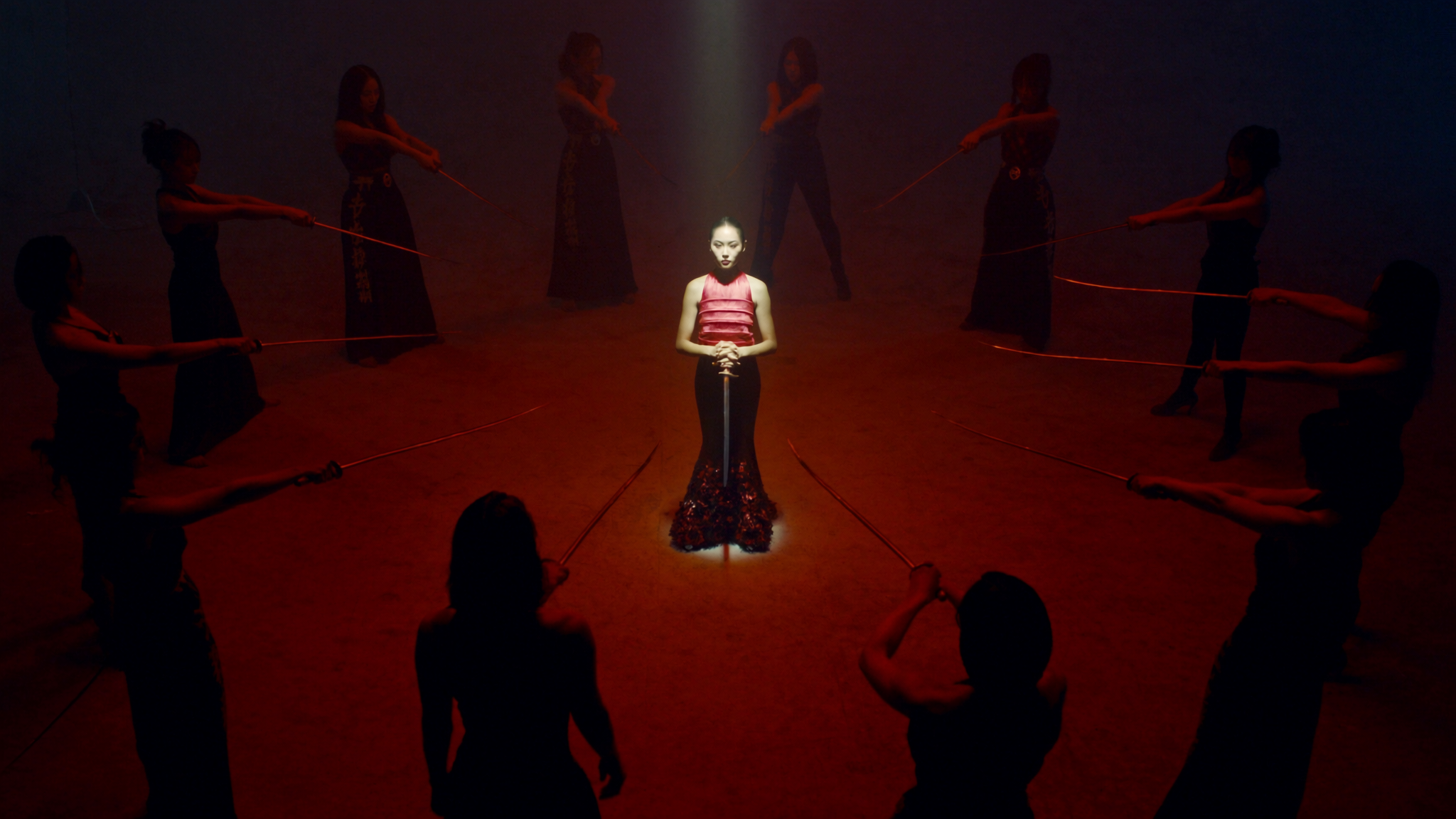
Think about what the light says in each scene. Soft, diffused light reads as warm, safe, and approachable. Strong directional light creates drama and intensity by carving sharp shapes and shadows. Backlight adds a sense of mystery or grandeur by separating the subject from everything behind it. Decide what emotional note each scene needs, then direct your lighting to that note rather than leaving it to chance.
Colour tells a separate but equally important story. A controlled palette that shifts subtly with the mood—coolness in moments of distance, warmth in moments of closeness—anchors the audience's feeling without them noticing the technique. A disciplined colour language, applied consistently, is what makes a sequence feel like one intentional world rather than a montage of disconnected clips.
Consistency of light and colour across the whole piece is essential. If adjacent scenes jump from cold and dark to warm and bright without a story reason, the audience will feel the roughness even if they cannot name it. Decide your keyframe look once, and hold every scene to it. This is the detail that separates a professional finish from an amateur pile of images.
Holding Consistency Across a Series
A single film-quality piece is impressive, but the real test is whether you can repeat the effect. That repeatability rests on consistency, and consistency depends on creating a shared baseline you return to every time.
For any recurring character, build a reference set captured from multiple angles and expressions, and reuse those same references in every story the character appears in. This prevents the disorienting effect of your hero changing appearance from scene to scene or story to story. Your audience's ability to recognise and remember a character is the foundation of emotional investment in a series.
Treat your visual identity the same way. A recognisable palette, a consistent framing rule, and a signature lighting style make your stories feel like parts of a single cinematic universe. This is not a constraint so much as a brand: it is how audiences and platforms start to associate a certain look with the quality and feeling you deliver.
Finally, keep your narrative identity consistent too. If your stories promise a certain kind of emotional payback, deliver it reliably. Consistency of promise is what turns a viewer of one story into a subscriber to your whole body of work.
Understanding the Narrative Language of Film
Film has developed a rich language over a century, and much of it transfers directly to AI-assisted storytelling. Learning a few principles gives you an enormous edge because they are not about the technology; they are about how humans read images.
Framing conveys meaning. A wide shot sets context and shows where we are. A close-up creates intimacy and reveals emotion. A shot-reverse-shot implies a conversation between subjects. Choosing the right frame for each beat is deliberate storytelling, and generative tools let you explore framing options quickly to find the most expressive one.
Pacing controls pressure. How long a shot remains on screen dictates the urgency the audience feels. Quick cuts are energy; lingering shots invest emotional weight. Match your cut rhythm to the emotional state you are building, so the technical pace of the edit mirrors the story's dramatic pace.
Composition guides the eye. Where you place the subject, how much space surrounds it, and what leads the gaze into the image all shape the experience. Deliberate composition tells the viewer what matters before they consciously decide. These fundamentals apply whether the image is captured or generated, and mastering them is what elevates a clip into a shot.
Sound and Score Complete the Emotion
A story is more than visual; it is an experience that runs through the ears as much as the eyes. Two videos with identical imagery can feel completely different depending on what the soundtrack, the ambience, and the mix are doing. Underestimate sound at your peril, because it is the fastest way to tip a supposedly cinematic piece into something that feels unfinished.
Approach audio with the same awareness of emotion as you bring to the visuals. A sparse, quiet score invites the audience to lean in and read the mood. A rising, energetic bed builds anticipation heading into a peak. Silence, used deliberately, can be as loud as any sound. Room tone and subtle foley give a scene a sense of being real, of existing somewhere, which grounds the audience in the world you have created.
Aim for audio to support rather than compete. The score should heighten the tension the visuals establish, never overpower the narration or the key sound of a moment. When sound and image agree on the emotional goal, the piece feels like a single coherent vision. Treating sound as half of the storytelling is one of the quickest, highest-impact upgrades you can make to the perceived quality of your work.
Iterate in Layers, Not All at Once
Ambitious stories can feel overwhelming if you try to get everything right at the same time. A more reliable approach is to iterate in layers, addressing one concern at a time and letting each pass improve the whole.
First, focus on the story: get the premise, the arc, and the keyframes right before you invest heavily in any single shot. Once the story holds together, move to consistency, aligning the look of characters and scenes across the piece. Then refine the craft layer, sharpening light, colour, composition, and pacing. Finally, finish with sound and a last review that watches the whole story from beginning to end.
Letting each layer mature before you polish the next keeps you from gold-plating a scene that the story might later remove. It also forces you to make the high-leverage decisions early, when they are cheap, rather than late, when they are expensive. This layered rhythm turns a daunting, complex project into a sequence of manageable passes that build on one another.
A Repeatable Workflow for Story-Led Video
Ambitious storytelling is easier to sustain when the process is structured, so build a loop you can trust. Start with the one-line premise and the emotional arc. Convert that into a shot list where each shot notes its subject, action, camera move, lighting, and mood. Generate and review in batches, comparing every result against the shot list and discarding what does not serve the narrative, no matter how good it looks alone. Check continuity between adjacent shots, adjusting colour and light so the whole piece holds together. Finally, assemble, add sound and titles, and watch the full story once more before you call it finished.
The magic of this loop is that judgment stays the bottleneck, which is exactly where it should be. Every stage improves your taste, and your taste improves every subsequent production. Over time, the workflow turns from a set of tasks into the muscle memory of a distinctive creative voice.
Frequently Asked Questions
Do I still need traditional film knowledge to use an AI director well? It is not strictly required, but the fundamentals of film—framing, pacing, lighting, composition—will dramatically improve your results. You can learn them as you go; they are the same language whether you shoot on a camera or generate with a model.
Can an AI director handle long, complicated stories? It handles story-planning and consistent visual direction very well, which is most of the long-form burden. But a complex narrative still benefits from human oversight: checking continuity, protecting the emotional arc, and making the final calls. You and the tool are collaborators.
How do I keep audiences invested in a series? Repeat the same world and characters with consistency, and always deliver the emotional payoff your format promises. A series grows when people trust they will get the feeling they came for.
What is the biggest mistake people make? Generating great visuals without a story behind them. Beautiful but purposeless imagery holds attention for seconds; a clear, emotionally shaped story is what people remember and share.
From Tools to Storyteller
The availability of powerful generative tools has made film-quality visuals easier to produce than ever. What remains difficult, and what an AI director is designed to support, is the discipline of storytelling: a clear premise, a shaped emotional arc, deliberate choices of model, light, and colour, and the consistency that makes scenes cohere into a world.
The technology handles the pixels and the millions of small choices behind a shot. Your job is to supply what the tools cannot: the intent, the judgment, and the story an audience will want to follow. Bring a clear narrative vision, keep your world and characters consistent, and let the AI director shoulder the practical craft. Together, you can turn a handful of generated scenes into a story that no longer looks like a collection of clips, but like a film.
