
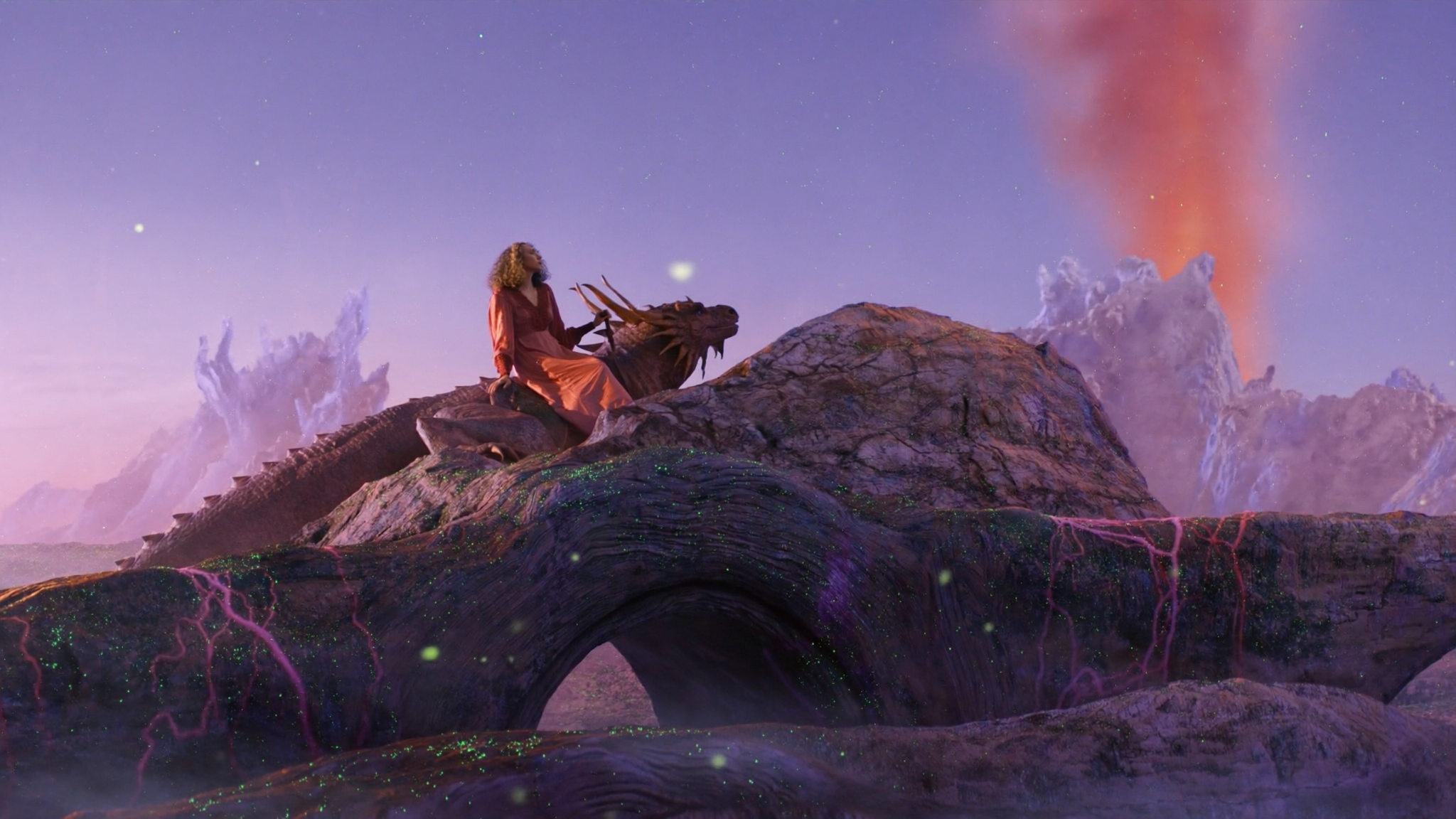
Thumbnails decide whether anyone ever watches your video. On a platform where viewers scroll past dozens of videos per minute, a great thumbnail is the difference between a click and a swipe. For Fortnite content, where the competition is brutal, 3D-style thumbnails have become one of the most effective ways to stand out.
This guide shows you how to create Fortnite 3D thumbnails with AI, from choosing the right tools to building a repeatable workflow for your channel. It is written for creators who want results, not just theory.
Why Thumbnails Decide a Video's Success
Before touching any tool, understand what a thumbnail actually does. It is a promise. It tells the viewer: this video has something exciting, and clicking it will pay off. If the thumbnail is boring, generic, or confusing, the video never gets a chance.
For gaming content specifically:
- The thumbnail is often the only thing the viewer sees before deciding
- Fortnite thumbnails compete with hundreds of other Fortnite thumbnails
- A recognizable 3D style instantly signals production value
- Consistent thumbnail design builds channel recognition over time
Studies and creator experience both point the same way: improving thumbnail quality can lift click-through rates dramatically compared to plain screenshots or flat images. A well-designed 3D thumbnail can be the single highest-leverage improvement you make to your channel.
Choosing the Right AI Tool for 3D Game Art
Not every image generator handles 3D game art well. The good news is that the current generation of models can produce impressive results if you understand their strengths and limits.
What to look for:
- Strong prompt adherence, especially for character and environment details
- Good handling of lighting, materials, and reflections
- Ability to use reference images, so you can keep a character consistent
- Enough resolution for a thumbnail crop without losing detail
You do not need a dedicated 3D tool for every thumbnail. In many cases, a text-to-image model with the right prompt produces a convincing 3D render look, especially when you add keywords for lighting, materials, and depth. For characters you reuse across videos, reference-image features are essential. Test a few tools with the same prompt and compare: the differences are usually obvious, and your personal preference matters more than benchmark scores.
Prompt Engineering for Fortnite-style 3D Images
The prompt is where the magic happens. A good thumbnail prompt describes four things: the character, the environment, the lighting, and the style. Organize the prompt in blocks, because a structured prompt is easier to tune than one long sentence.
Describing the character
Be specific about who is in the thumbnail. Mention the character archetype, outfit colors, and pose. Instead of "a soldier," write "a battle-hardened soldier in a blue tactical outfit, holding a pickaxe over his shoulder, confident smirk." If you have a reference image of your character, use it and keep the prompt focused on the pose and action.
Environment and background
The background sets the mood but should never distract. Fortnite thumbnails often work best with a dynamic but simple background: a storm, a sunset skyline, a battle zone. Add depth cues like "blurred background" or "dramatic clouds" to make the character pop. A cluttered background is the fastest way to ruin a thumbnail, because at small sizes it becomes visual noise.
Lighting and materials
This is what sells the 3D look. Use terms like "dramatic rim lighting," "glossy armor reflections," "soft global illumination," "cinematic contrast." Materials matter: "metallic," "glowing energy effects," "matte fabric," "translucent shield." The combination of lighting and material keywords is what separates a convincing render from a flat illustration.
Style keywords
End with a short style block: "3D render, Unreal Engine style, high detail, vibrant colors, game key art." These keywords consistently push outputs toward a game-art look instead of a flat illustration. Keep this block stable across all your thumbnails, so your channel develops a signature style.
Advanced Lighting Techniques
Lighting is the difference between an image that looks AI-generated and one that looks like professional key art. A few techniques consistently improve results:
- Rim light: place a strong light behind the character to separate them from the background. Describe it explicitly: "orange rim light from behind."
- Colored accents: two complementary colors, like blue shadow and orange highlights, add depth and energy.
- Directional shadows: "long dramatic shadows" creates a sense of time of day and mood.
- Glow effects: if the character uses energy weapons or items, "glowing blue energy core" draws the eye to the focal point.
Try the same prompt with different lighting keywords and compare. Most people settle on a signature lighting style after a few experiments, and that consistency becomes part of their brand.
Keeping Your Main Character Consistent Across Episodes
If your channel covers a series, viewers will notice if your main character changes appearance between episodes. AI image generators do not remember your character, so you need a system.
The reliable approach is multi-image fusion with reference images:
- Generate or collect 3-5 images of your character from different angles
- Build a character profile from those references
- Use the same profile for every thumbnail featuring that character
- Change only the pose, environment, and lighting in the prompt
This keeps the face, outfit, and identity stable while letting each thumbnail feel fresh. It is the difference between a random assortment of images and a recognizable brand. Once the profile exists, making the next thumbnail takes minutes instead of starting from scratch.
Working with Multiple Characters and Skins
Fortnite is a game of skins, and your thumbnails will often feature different outfits or multiple characters. Each distinct look you use regularly deserves its own profile. Keep a library of profiles organized by name, and reuse them as the game's seasons and your channel's series evolve.
When a thumbnail features two characters, generate a quick pair test first to make sure both identities come through clearly. The two characters should also look visually distinct from each other, or the thumbnail becomes confusing at small sizes.
Cinematic Composition and Color Grading
Even the best AI image can feel flat without good composition. A thumbnail is viewed at small size, so simplicity wins.
Composition rules that work:
- One clear focal point, usually the character's face or the action
- Rule of thirds: put the character off-center, leaving space for your video title overlay
- Strong diagonal lines for dynamic energy
- High contrast between subject and background
- Vivid, saturated colors that survive compression
After generating, do a quick color pass: boost contrast slightly, increase saturation, and make sure the subject's face is bright enough to read at small sizes. Most editing apps handle this in seconds. The color pass is a habit that separates good thumbnails from great ones.
Building a Thumbnail Series Workflow
Consistency across your channel matters as much as consistency within one thumbnail. Viewers who see the same style repeated begin to associate it with you.
A repeatable workflow:
- Maintain a character profile for recurring characters.
- Keep a prompt template with your style block at the end.
- Generate 3-4 variations per thumbnail, never settle for the first output.
- Pick the strongest, apply a light color pass, and export at 1280x720 or larger.
- Save the final prompt and settings so you can reproduce the style later.
Over time, this becomes a library. Making the next thumbnail gets faster because you reuse the same building blocks. A one-hour task becomes a ten-minute task, and that speed lets you post more consistently.
Scaling Production with Templates
Once your workflow is stable, you can scale it. A template library is the key asset: character profiles, prompt style blocks, background concepts, and lighting presets. With a good library, you can produce a week of thumbnails in a single session.
You can also plan thumbnails in batches tied to your content calendar: five videos about a new season, five thumbnail concepts generated together, all using the same character profile. Batching saves context-switching time and keeps the visual style tight across the whole batch.
Click-Through Optimization: What Makes a Thumbnail Work
A beautiful 3D render does not automatically mean clicks. Thumbnails that perform well share some characteristics:
- Emotion: an excited, surprised, or determined face draws eyes
- Curiosity: a slight question mark, like a mysterious object in frame
- Clarity: readable at small size, no cluttered detail
- Contrast: bright subject, darker background
- Relevance: the thumbnail must match the video's actual content, or viewers leave immediately
Test different variations on the same video if you can. Platforms show engagement metrics quickly, and a small data set will tell you which style your audience prefers. Over several videos, you will see a pattern: certain expressions, colors, or compositions consistently outperform others.
Common Mistakes and Fixes
Too much clutter
A busy thumbnail with many elements becomes noise at small size. Remove everything that is not the focal point.
Inconsistent characters
If your character changes between videos, set up a reference profile and use it every time.
Text overload
Long titles on the thumbnail compete with the actual video title. Keep on-image text to two or three words max, or none.
Generic AI look
Flat lighting and plastic textures scream "AI." Push lighting contrast, add material details, and do a color pass to avoid the default look.
Ignoring the platform
Thumbnails are displayed at different sizes and shapes on different platforms. Design at the target size and check the result before publishing.
Copying other channels
Looking at competitors for ideas is fine, but copying their exact character and layout makes you forgettable. Your goal is to be recognized as you, not as a worse version of someone else.
Measuring and Iterating
A thumbnail workflow only improves if you measure its results. After each video publishes, note three numbers: impressions, click-through rate, and average view duration. Over a few videos, patterns emerge. Maybe close-ups of an excited face outperform wide action shots. Maybe one color palette keeps winning. Maybe your audience reacts better to a certain character pose.
Keep a simple log: video title, thumbnail style, CTR, and a one-line note. After ten videos, review the log and double down on what worked. This is the same loop professional channels use, and it turns thumbnail design from a guessing game into a compounding skill. The AI does the rendering, but you do the learning.
FAQ
How often should I change my thumbnail style?
Keep the core style stable and evolve it slowly. Frequent dramatic changes confuse returning viewers; slow refinement keeps your channel recognizable while staying fresh.
Do I need a 3D modeling program to make Fortnite thumbnails?
No. Modern AI image tools can produce a convincing 3D render look from a good prompt. For special cases, a simple 3D program can help, but it is not required.
How do I keep the same character across videos?
Use reference images and build a character profile. Reuse that profile for every thumbnail featuring the character.
What resolution should thumbnails be?
Export at the platform's maximum supported size, typically at least 1280x720. Higher resolution gives you room to crop.
Are AI thumbnails against platform rules?
Generally no, as long as the content is original and complies with community guidelines. Avoid misleading thumbnails that do not match the video.
How many variations should I generate?
Generate at least 3-4 per thumbnail. The first output is rarely the best, and comparing options is cheap.
How often should I change my thumbnail style?
Keep the core style stable and evolve it slowly. Frequent dramatic changes confuse returning viewers; slow refinement keeps your channel recognizable while staying fresh.
Final Thoughts
Creating Fortnite 3D thumbnails with AI is not about magic prompts, it is about a system: strong references, structured prompts, deliberate composition, and a consistent workflow. The tools are accessible, the skills are learnable, and the payoff is direct, more clicks, more viewers, and a more recognizable channel.
Start with one character, one template, and one video. Generate variations, pick the best, publish, and measure. Then refine. That loop is how your channel's visual identity gets built, one thumbnail at a time. The system you build today will keep producing value long after the current season ends.
