
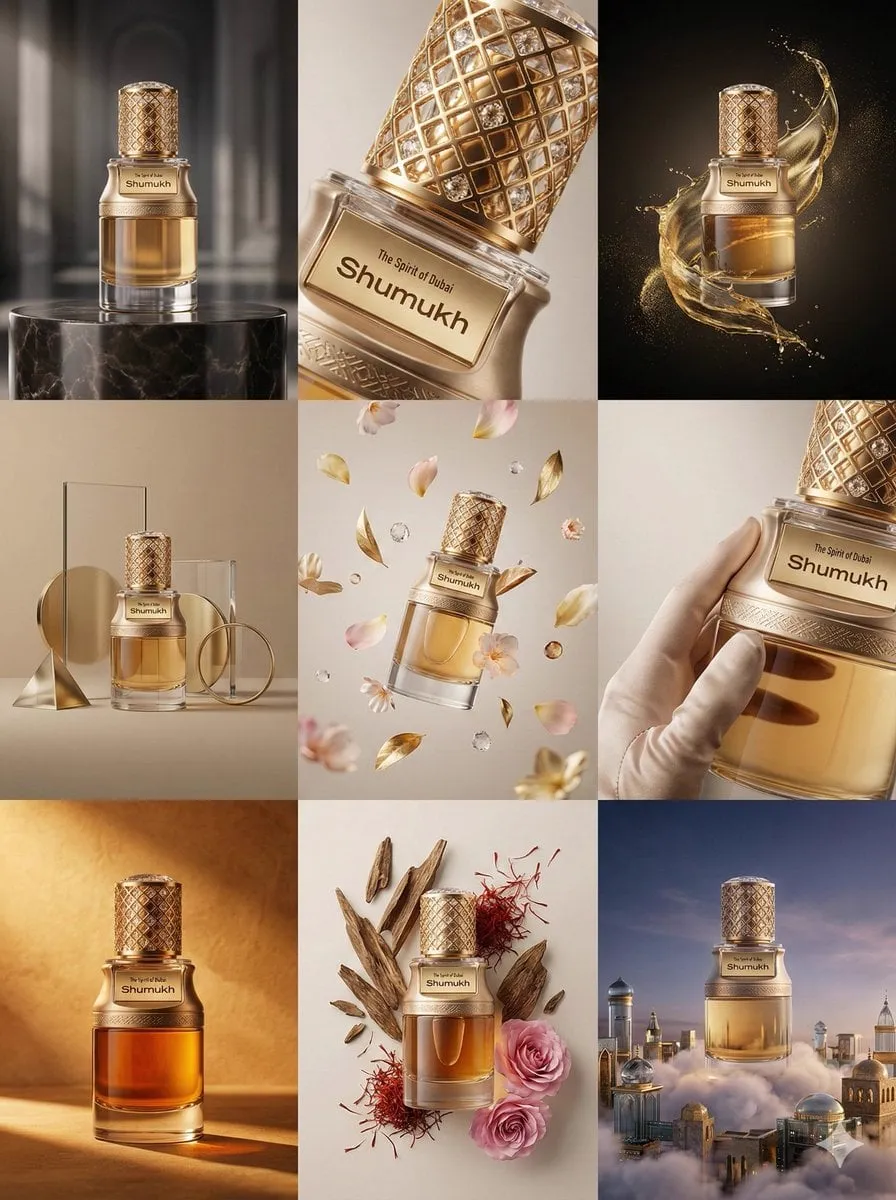
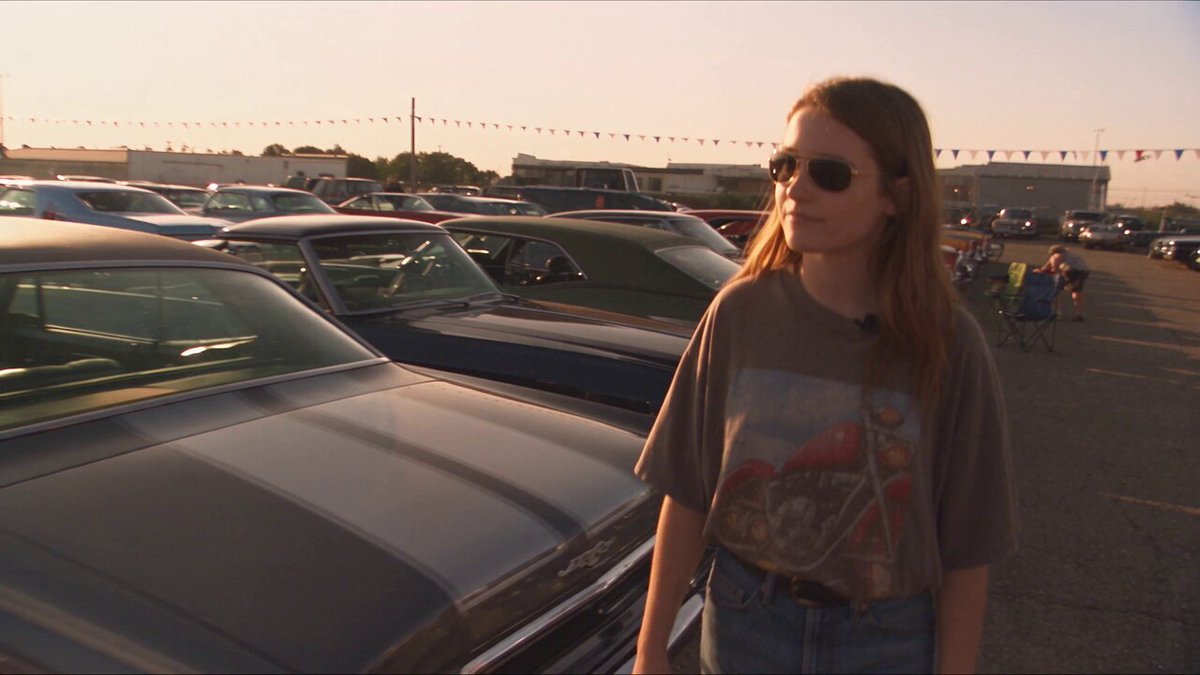
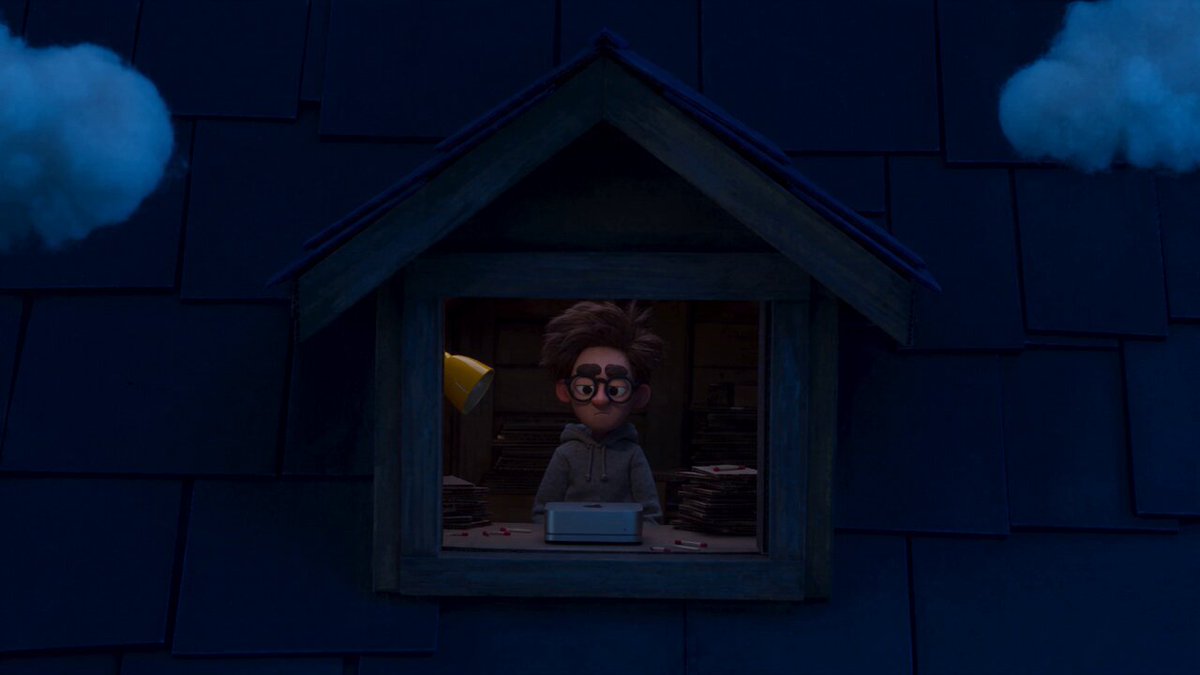
Free online image generators have made polished visuals accessible to anyone with a browser and an idea. The surprising part is that output quality now depends far less on which tool you open and far more on how you phrase the request. The same generator can return a flat, generic picture or a striking, publication-ready image depending on a handful of words. This guide covers the practical craft of prompt writing: the components that matter, the exclusions that clean up messy results, how to choose a generator, how to keep a set of images visually consistent, and how to debug output that misses the mark.
Why Prompt Structure Decides Your Results
Generative image models are pattern-completion engines trained on enormous collections of images and captions. When a request is vague, the model resolves ambiguity by falling back on averages. Ask for a dog in a park and you get the most statistically ordinary dog in the most ordinary park — pleasant, forgettable, and nearly impossible to use in a real project. Add specificity, such as a border collie mid-leap over a wet log in overcast morning light with shallow depth of field, and the model has enough constraints to produce something particular.
Good prompts are not simply longer prompts. They are prompts with fewer unresolved decisions. Every element you leave unspecified is a decision the model makes on your behalf, usually in the direction of cliché. Prompt writing is closer to art direction than to keyword stuffing: you are briefing a collaborator who cannot ask follow-up questions and will not tell you what they assumed.
A second principle is that placement and grouping carry weight. Many models attend more strongly to the beginning of a prompt, so the subject and the intended use should come first. Related details should sit next to each other rather than being scattered, because clustered descriptors reinforce one another. Splitting lighting across three different parts of a sentence dilutes each mention.
Finally, prompts are cheap. The winning strategy is rarely to write one perfect sentence; it is to write a strong first attempt, generate a small batch, and revise based on what the model misunderstood.
The Anatomy of a Strong Image Prompt
A dependable prompt answers six questions: what is in the frame, who or what the subject is doing, where the scene takes place, when it happens, how it is photographed, and how it is rendered. Few images need all six spelled out, but knowing which one you are skipping is a deliberate choice rather than an accident.
Subject, action, and expression
Lead with the subject and give it something to do. Static nouns produce static images. Verbs create poses, and poses create interest. Compare a woman in a coat with a woman in a wool coat turning to look over her shoulder, breath visible in the cold air. The second version tells the model where to put the shoulders, where the head points, and what the atmosphere is doing.
If the subject is a person, describe age range, build, and styling rather than names of real individuals. Naming a specific living person is often blocked or unreliable, and describing recognizable traits produces better and safer results. Expression descriptors are unusually effective: calm, wary, amused, exhausted, mid-laugh.
Setting, time, and lighting
Lighting is the single highest-leverage detail in the entire prompt. Soft window light, hard noon sun, golden-hour backlight, blue-hour ambient glow, and single overhead practical lamp each transform the same subject completely. Pair a light source with a quality: diffused, harsh, warm, cool, dappled, or flickering.
Setting and time work together to imply color temperature. A kitchen at dawn reads cool and quiet; the same kitchen at dusk with the overhead light on reads warm and domestic. Stating both saves you from fighting the model later.
Lens, framing, and camera language
Camera vocabulary is a shortcut for composition. Mentioning a focal length or shot type tells the model how much of the subject to include and how the background should compress. Useful phrases include extreme close-up, medium shot, wide establishing shot, low angle, eye level, over-the-shoulder, and shot from above. Depth cues such as shallow depth of field, foreground bokeh, or deep focus control how much attention the background receives.
Do not overload this section. One framing instruction and one depth instruction is usually enough. Stacking five camera terms produces visual mush because the model tries to satisfy conflicting constraints.
Style, medium, and rendering
Style descriptors define the entire visual language. Options include editorial photography, documentary photojournalism, watercolor illustration, woodblock print, flat vector poster, claymation still, cel-shaded animation frame, or matte painting. Choose one primary style and, at most, one modifier. Combining three styles rarely yields a hybrid; it usually yields an incoherent average.
Color and material notes belong here too. Muted earth tones and brushed steel behave very differently from saturated pastels and glossy plastic, and both descriptions pull composition, lighting, and texture along with them.
Detail and quality modifiers
Words like highly detailed, sharp focus, or crisp texture nudge output mildly, but they are weak compared with concrete description. Replacing highly detailed with visible fabric weave and a few strands of loose hair does far more work. Treat generic quality words as seasoning, not substance.
Negative Prompts and Exclusion Techniques
Most generators accept a separate field for things to avoid, and it is one of the most underused controls available. The trick is to use it for recurring artifacts rather than for every imperfection you can imagine.
Typical entries include extra fingers, deformed hands, watermark, text overlay, signature, harsh flash, oversaturated colors, cluttered background, and duplicate limbs. If your subject should be alone, listing crowd and extra people prevents strangers from wandering into the frame. If you want clean commercial imagery, listing logo and brand mark keeps invented text out of the picture.
Two cautions are worth remembering. First, naming something in a negative field still mentions it, and some models partially respond to the concept regardless of polarity. If a negative term seems to be summoning the thing you are trying to remove, drop it and describe the positive opposite instead. Second, an enormous negative list competes with your main prompt. Keep it to the artifacts you actually see.
Choosing a Free Generator: Decision Criteria
Rather than chasing a single best tool, match the tool to the task. Most free tiers differ less in raw image quality than in interface ergonomics and practical limits.
Photorealistic work
Look for generators that handle skin texture, hair, and hands credibly, and that offer aspect ratio control for portrait, landscape, and square formats. If you plan to use images in layouts, the ability to fix a ratio matters more than novelty styles.
Stylised and illustrative work
For illustration, anime, poster art, or 3D looks, prioritize tools with presets or model selectors and a way to save a style you like. Being able to reuse a style recipe is worth more than a marginally sharper render.
Iteration speed and daily limits
Speed and volume decide how quickly you can learn. A tool that returns four variations in seconds is better for experimentation than one that returns one image slowly. Check how the free allowance resets, whether images are stored, and whether private generation is available, since those details often matter more in practice than the model itself.
Also consider output resolution and whether upscaling is offered. A great composition at low resolution can be harder to use than a good composition at high resolution.
Reusable Prompt Templates
Templates remove blank-page friction and make results repeatable. Fill in the brackets and keep the structure stable.
Template: product or packshot
[product] on [surface] with [background treatment], [lighting setup], [lens or framing], commercial product photography, clean composition, [color palette]
Example: a matte ceramic mug on a pale oak table with a soft gradient backdrop, diffused side light, 85mm equivalent, commercial product photography, clean composition, warm neutral palette.
Template: character portrait
[age and build] [role or archetype] wearing [clothing], [expression], [pose], [setting], [lighting], [framing], [style and medium], [color notes]
Example: a wiry lighthouse keeper in his sixties wearing an oiled canvas coat, calm and weather-beaten, leaning on a railing, on a stone pier at dusk, blue-hour ambient light with a single warm lamp behind him, medium shot, editorial photography, muted teal and amber palette.
Template: environment or establishing shot
[location] at [time of day], [weather], [architecture or terrain notes], [lighting], [atmosphere], wide establishing shot, [style]
Example: a narrow market street in a mountain town at dawn, light mist, timber balconies and hanging lanterns, low golden light cutting between buildings, hushed atmosphere, wide establishing shot, cinematic photography.
Save the templates that work. Over a few weeks you will build a small library that covers most of your recurring needs, and adapting a known-good structure is far faster than starting over.
Consistency Across a Set of Images
Consistency is what separates a hobby experiment from a usable visual set, whether for a comic, a product catalog, or a presentation deck.
Seeds and reference inputs
Many generators let you lock a random seed so that the same prompt reproduces similar output. Keeping the seed fixed while changing one detail — the camera angle, the background, the pose — is the fastest way to produce variations that clearly belong together.
If the tool supports image reference or style reference inputs, use them. Feeding a previous result as a visual anchor usually beats a hundred words of description, because the model can read the texture, palette, and lighting directly.
Locking a character description
Write your character description once, in a fixed order, and reuse it verbatim in every prompt. Change only the scene, action, and framing. If a detail is dropped, the face will drift. Small stylistic differences such as hair length or eye color are the first things to destabilize, so keep them near the front of the prompt.
Locking a visual style
Do the same for style. A fixed phrase like soft diffused daylight, muted palette, grainy 35mm film texture works as a visual signature. Adding one consistent rendering word across a whole set — film, ink, gouache, cel — does more for cohesion than any amount of color matching after the fact.
Troubleshooting Common Generation Failures
Most disappointing output falls into a small number of patterns, and each has a predictable fix.
- Wrong overall vibe: the style descriptor is missing or too generic. Name a specific medium or reference genre rather than a mood word.
- Cluttered composition: too many subjects, props, and style terms are competing. Cut the prop list in half and state one focal point.
- Distorted anatomy: hands, feet, and fast-moving poses are the usual culprits. Simplify the pose, bring the subject closer, or crop tighter so the model has less to invent.
- Poor lighting: replace vague words like beautiful lighting with a named source and quality, such as single window light, diffused.
- Background ignores the subject: add a depth cue such as shallow depth of field, or describe the background as softly out of focus.
- Faces look identical across variations: the seed is locked. Change the seed but keep the character description intact.
- Too literal and flat: increase specificity in texture and material rather than adding more adjectives.
A useful habit is to change one variable at a time. Rewriting the whole prompt after a bad result makes it impossible to learn what worked.
A Practical End-to-End Workflow
- Write a one-sentence brief describing what the image is for, where it will appear, and what feeling it should carry. This is your quality bar.
- Draft the prompt using subject, setting, lighting, framing, style, and detail in that order.
- Generate a batch of four to eight variations at a moderate resolution.
- Pick the closest result and diagnose exactly what is wrong: composition, lighting, style, or subject accuracy.
- Revise only the failing section of the prompt and regenerate.
- Once the composition is right, lock the seed and adjust fine details such as color, expression, or background treatment.
- Upscale the final image and check it at full size for artifacts around hands, eyes, and text.
- Save the finished prompt and the parameter settings next to the image. A prompt you cannot reproduce is an accident, not a method.
Batching is what makes this loop fast. Generating one image at a time encourages you to over-edit the prompt, while generating eight gives you a real sense of what the model understood.
Rights, Ethics, and Responsible Use
Free access does not remove the need for judgment. Before publishing anything, check the terms of the tool you used, particularly regarding commercial use, ownership, and whether generated images may be used in advertising.
Avoid prompts that imitate the recognizable style of a living artist or the likeness of a real person, especially if the image will be used commercially or in a way that could imply endorsement. Avoid depicting real public figures in misleading scenarios. If your image includes people, be thoughtful about stereotypes, since models reproduce the patterns in their training data and can default to narrow representations unless you specify otherwise.
Keep a light record of your prompts and iterations. It helps with republishing, and it makes it easier to explain how an image was made if anyone asks. Where an image is used for editorial or news-adjacent purposes, disclosure of AI generation is the safer norm.
FAQ
How long should a prompt be?
Long enough to resolve every decision that matters to the image, and no longer. Most effective prompts run between 20 and 60 words. If a prompt passes 100 words, it usually contains competing instructions rather than useful detail.
Do quality keywords like 8K or masterpiece actually help?
They have a small effect at best and can pull output toward a generic, over-polished look. Concrete description such as visible fabric weave, soft shadow edges, or realistic skin texture produces better results than a stack of superlatives.
Why does the same prompt give different images every time?
The generation process starts from random noise, so results vary. Locking the seed makes output reproducible. If the tool does not expose a seed, keep the prompt identical and accept variation as a feature rather than a bug.
What is the fastest way to learn prompt writing?
Iterate deliberately. Generate small batches, change one variable at a time, and keep notes on what each change did. Twenty focused experiments teach more than two hundred random attempts.
Can I use free generations commercially?
It depends entirely on the tool and the plan you are using. Read the current terms, since they vary widely and change over time. When in doubt, use paid or explicitly licensed options for client work.
How do I get realistic hands?
Simplify the pose, bring the hands closer to the camera, or crop them out of frame. Giving hands a clear action — gripping a cup, resting flat on a table — also reduces the chance of extra fingers.
Key Takeaways
Specificity beats length. Lighting does the heaviest lifting. Negative prompts clean up artifacts but should stay short. Templates make results repeatable, seeds keep sets consistent, and a conservative iteration loop of one change at a time turns a frustrating guessing game into a controllable craft. Free tools are more than capable of professional results; the discipline lives in the prompt.
