
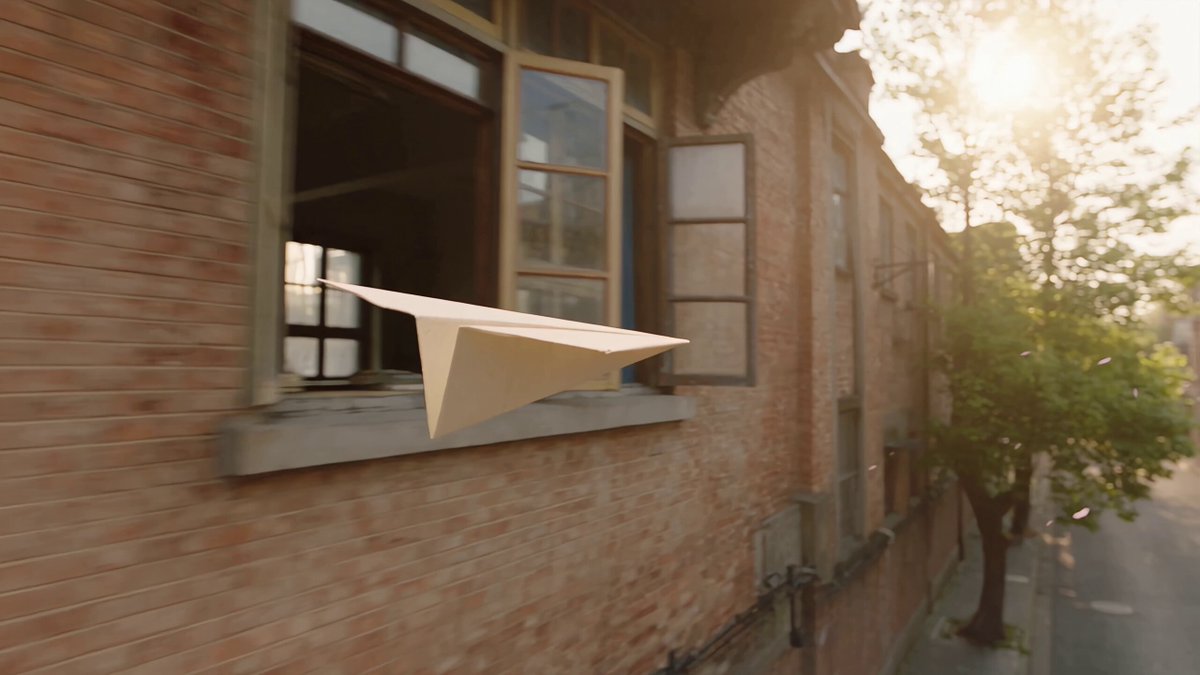
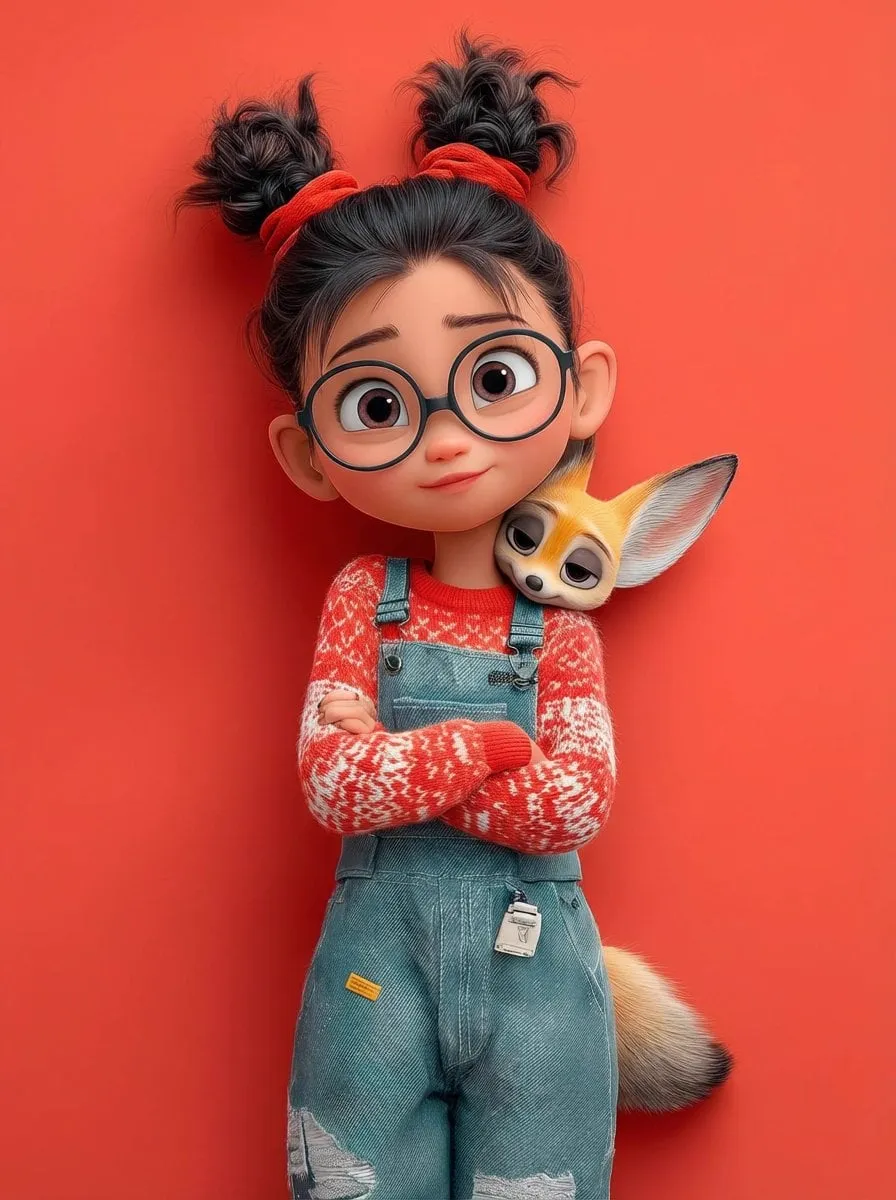
The way we create video is changing at an incredible pace. What used to require expensive cameras, lighting rigs, and professional editing suites can now be accomplished by converting a single still image into a fully animated scene with the help of generative AI. This shift from static visuals to dynamic narratives is not just a trend—it is reshaping how content creators, marketers, and filmmakers think about production. In this guide, we break down the fundamentals of AI video synthesis, explore the models that make it possible, and share practical workflows to help you get the most out of your own projects.
The New Creative Frontier
For decades, video production followed a linear path: storyboard, shoot, edit, and distribute. Every step required time, money, and specialized skills. Today, AI video synthesis removes many of those barriers. Instead of planning every frame in advance, you can start with a photograph, a text prompt, or even a rough sketch, and let a machine learning model fill in the motion, depth, and timing. The result is a new kind of creative process where ideas can become visual stories in minutes rather than weeks.
This is especially powerful when you consider how much content is needed across social media, advertising, and e-learning. Manual production simply cannot keep up with the demand for personalized, high-volume video. That is why more teams are turning to tools like the AI video generator to turn static assets into engaging clips that feel alive. The ability to animate a product shot, a character design, or a landscape opens up endless possibilities for campaigns and storytelling.
How AI Video Synthesis Works
At its core, AI video synthesis is about teaching models to predict what comes next in a sequence of frames. Modern systems use diffusion models and transformer architectures to gradually refine noise into coherent imagery, conditioned by text, images, or existing footage. Instead of rendering every frame from scratch, the model learns the temporal relationships between frames, ensuring that motion appears natural and consistent.
One of the biggest technical challenges is maintaining continuity. When you move from a static image to a moving scene, elements like lighting, shadows, and object positioning must remain stable across the entire clip. That requires deep understanding of physics and scene composition. Fortunately, the latest generation of models excels at this. Whether you are using a dedicated image-to-video tool or experimenting with text-driven video generation, the underlying goal is the same: create smooth, believable motion from an initial visual anchor.
The Role of Latent Diffusion
Latent diffusion models have become a backbone for many video synthesis pipelines. By compressing high-dimensional pixel data into a lower-dimensional latent space, these models can iterate more efficiently while preserving important details. This speed and efficiency make it feasible to generate high-resolution clips with complex motion. When you feed a static image into a latent diffusion model, the model interprets the image as a starting point and then generates subsequent frames that logically follow from it.
Choosing the Right Model for Your Scene
Not all AI video models are created equal. Some are optimized for photorealistic output, while others lean toward stylized or artistic looks. The choice depends on the mood you want to achieve and the content you are working with. For example, Seedance 2.0 is known for its strong temporal coherence and ability to handle long narratives, making it a great choice for scenes that require consistent character identity and evolving backgrounds. On the other hand, models like GPT Image 2 can be used in conjunction with video synthesis tools to generate highly detailed keyframes that later become animated.
A practical approach is to first generate a striking static image using an AI image generator, then feed that image into a video model to create the motion. This hybrid workflow gives you more creative control because you can refine the composition, color palette, and subject before committing to the animation. It also reduces the risk of the model producing unexpected artifacts during the video generation phase.
Maintaining Character Consistency Across Shots
One of the most requested features in AI video production is character consistency. In traditional animation, keeping a character looking the same across hundreds of frames is already difficult. With AI, the challenge is even greater because each generation is somewhat stochastic. However, recent advances in multi-image fusion are solving this problem. By supplying the model with multiple reference images of the same character, the model can lock onto the key visual traits and carry them through a scene or even an entire sequence.
If you are producing a brand story or a narrative with a recurring protagonist, start by creating a set of reference images that show the character from different angles and in different lighting conditions. Then use an image-to-video workflow to bring those stills to life. This method keeps facial features, clothing, and colors consistent while still allowing dynamic movement and expression.
Practical Workflow Tips
Here are some practical steps to get better results when transforming static images into animated scenes.
First, begin with high-quality source images. The better your starting material, the easier it is for the model to produce convincing motion. Make sure the subject is in sharp focus and the composition is clear. Add detailed prompts that describe the desired motion, camera movement, and atmosphere. Instead of saying “make it move,” describe exactly what happens: “the character turns their head slowly as the camera pushes in.”
Second, think in shots. Instead of trying to generate one long continuous video, break your story into smaller segments. Generate each segment separately, then edit them together. This gives you more control over pacing and allows you to correct issues in one section without regenerating the whole sequence.
Third, experiment with different models. Just as you might switch lenses on a camera, you can switch models to match the tone of each scene. A model like Seedance 2.0 excels at cinematic realism, while others might be better for surreal or dreamlike sequences. Running the same input through multiple models can also spark creative variations you might not have imagined.
The Future of AI-Generated Video
The trajectory of AI video synthesis is heading toward full director-level automation. We are already seeing the emergence of AI agents that can interpret a script, select camera angles, and even adjust lighting based on textual instructions. This does not mean human creativity will become obsolete; rather, it means the technical execution will become more accessible. Filmmakers will focus on vision and storytelling, while AI handles the heavy lifting of pixel manipulation and scene assembly.
For businesses, the implications are huge. Personalized video ads, product demonstrations, and training materials can be produced at scale with a fraction of the resources previously required. Early adopters are already gaining a competitive edge by deploying these tools in their content pipelines.
As you explore the possibilities, remember that the best results come from iteration. Start with simple scenes, analyze the outputs, and gradually increase complexity. With the right tools and techniques, turning a frozen moment into a living, breathing scene is not just possible—it is now a standard part of modern creativity. Whether you are an animator, a marketer, or a hobbyist, the ability to animate the static world is one of the most exciting skills you can develop in 2025.
