
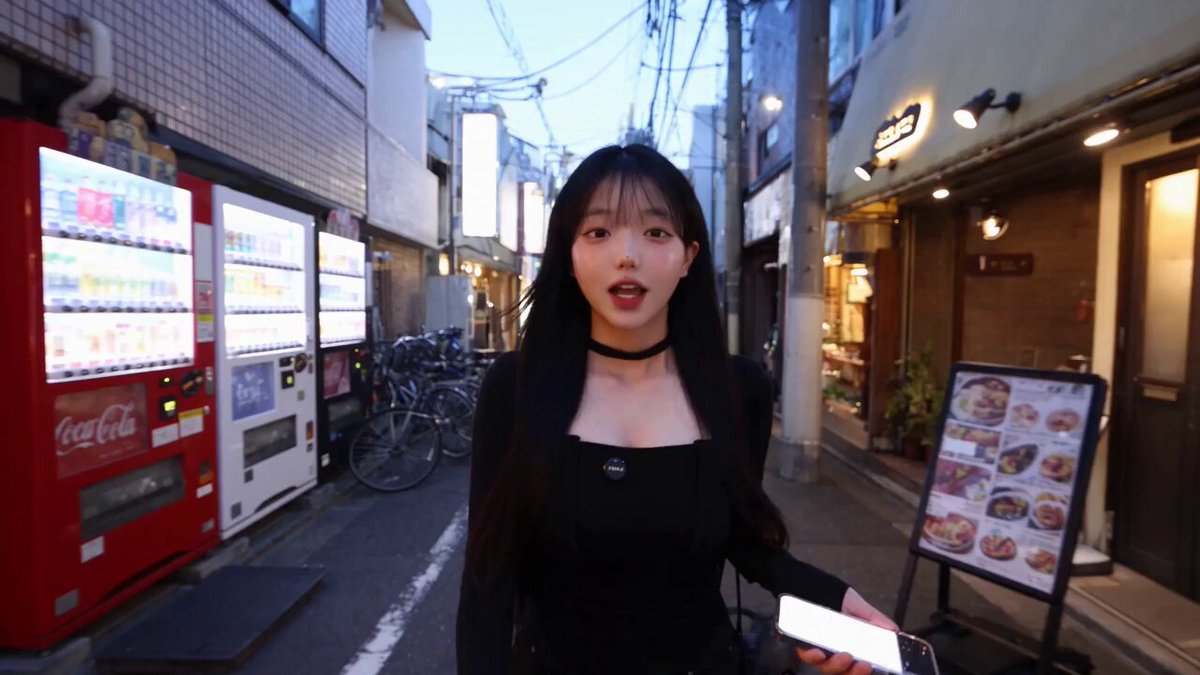
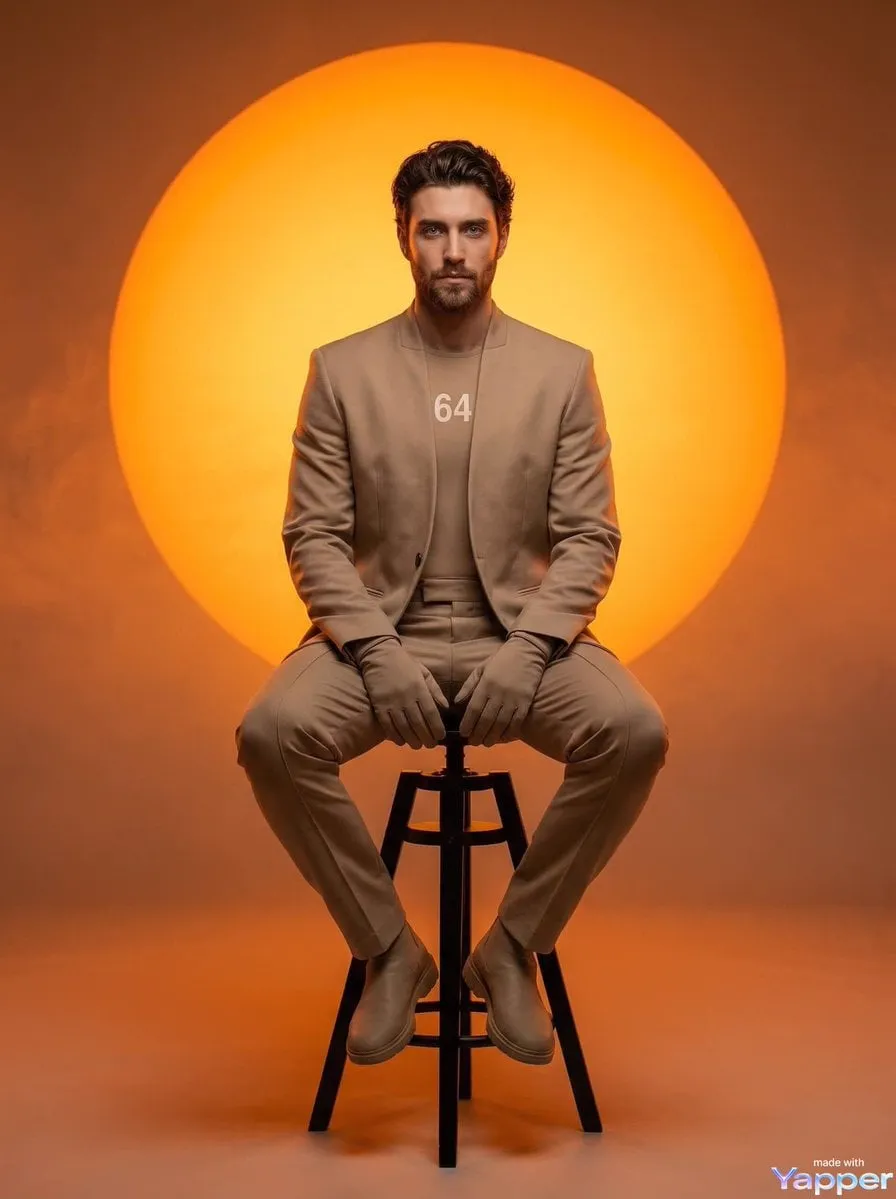
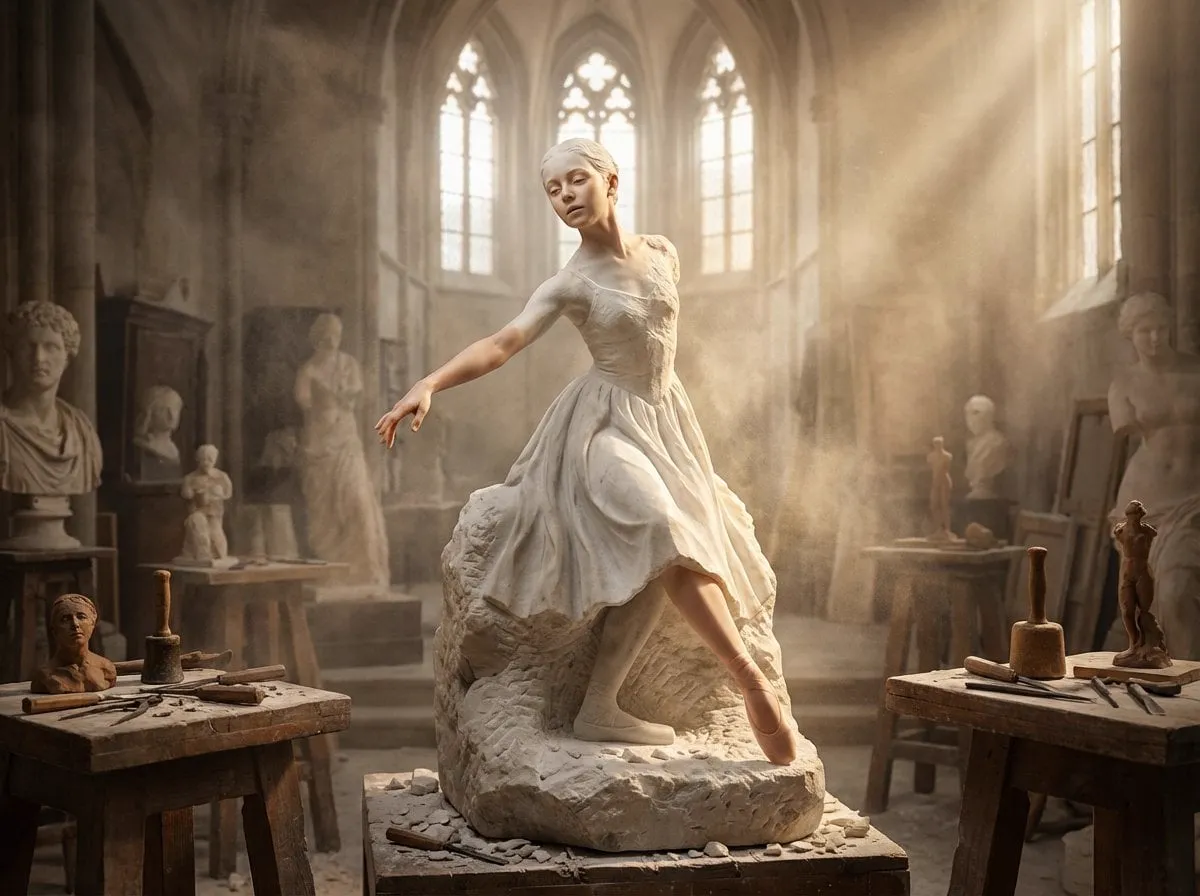
Image-to-video generation has become one of the most transformative capabilities in modern creative tooling. What began as simple camera pans over a static photo has evolved into full scene synthesis, where a single still can be expanded into a cinematic sequence with realistic motion, depth, and narrative rhythm. For video creators, AI video generators collapse the distance between concept art and final footage, enabling studio-quality storytelling without a full production crew.
From Still Frame to Living Scene
The journey from a static image to a moving picture involves far more than interpolation. Modern image-to-video systems use diffusion architectures trained to understand spatial relationships, lighting, object motion, and temporal consistency. When you upload a reference image, the model analyzes its composition and anticipates what should happen next: a character's hair moving in the wind, a product rotating on a turntable, or a camera gliding through a room. The result is a video that feels less like an animated slide and more like a scene captured by a cinematographer.
This shift is not simply a visual upgrade. It addresses one of the hardest problems in AI video: maintaining identity and coherence across frames. Early tools often produced characters that shifted or melted from moment to moment. Current generation models, however, use temporal attention mechanisms and motion-aware conditioning to lock visual details, making it possible to create consistent multi-shot sequences from a single hero image.
Why Image-to-Video Matters Now
The practical impact of image-to-video is most visible in production speed. A brand team that needed weeks to storyboard, shoot, and edit a product video can now preview a near-final concept in hours. Social media managers can transform one photoshoot into dozens of video variations, each with different camera moves, moods, and aspect ratios. Indie filmmakers can use a reference frame to pre-visualize complex shots before spending money on location scouting.
Domer's approach to this space is to make the transition from still to scene as smooth as possible. Creators can upload a starting frame and let the model infer motion, depth, and atmosphere. The creative process then becomes iterative: generate, review, adjust the prompting, and regenerate until the scene matches the vision. This is especially useful for teams that already have a strong library of photography or concept art and want to expand those assets into motion without reshooting.
Building a Reliable Image-to-Video Workflow
The best image-to-video results come from a structured pipeline. First, start with a high-quality still image. This can be a photograph, a render, or an image produced with an AI image generator. A sharp, well-composed starting frame gives the video model stronger visual anchors, reducing the chance of unwanted artifacts or identity drift.
Next, choose the right video model for the desired motion. Not every model is built the same. Some are optimized for hyper-realistic physics and subtle camera work, while others excel at stylized animation and fast action. In Domer's ecosystem, model selection is part of the creative decision. For example, newer releases in the Kling 3.0 series have become known for robust prompt adherence and clean motion, making them a strong default for image animation projects. Similarly, other models in the library offer different strengths, from cinematic lens control to expressive character animation.
Prompting is the next layer. Instead of describing an entire scene from scratch, the prompt should focus on what the model should animate and how. Phrases like "slow dolly-in toward the subject" or "gentle hand motion while glancing at the camera" help the model understand the intended performance. If the still includes multiple elements, specify which one should move and which should remain static.
Controlling Character and Style Consistency
Character consistency remains one of the most important factors for narrative work. When a still portrait is animated into a scene, the subject's face, outfit, and proportions need to remain locked. The same principle applies to brand mascots, game characters, and recurring spokespeople in ad campaigns. Successful image-to-video workflows now use multi-reference conditioning: supplying more than one image of the subject, such as different angles or poses, to create a stronger visual anchor for the generative model.
Style consistency is equally important. A single still can be interpreted in many ways, depending on the model and prompt. Some creators deliberately switch between photorealistic and painterly styles within one sequence, but that requires careful control. When transitioning from one scene to another, it helps to keep the underlying subject geometry stable and use prompts that describe the desired aesthetic in a repeatable way. Domer's model library supports this kind of experimentation because creators can test the same image across different video models before committing to a final look.
Creative Applications of Image-to-Video AI
The range of applications is expanding quickly. In advertising, image-to-video is used to turn product packshots into lifestyle videos, create animated displays, and generate localized social media variants from a single master asset. In e-commerce, sellers can animate a still product photo to show how it looks from multiple angles, simulating a video review or demonstration without a studio setup.
For the film and gaming industries, the technology is becoming an essential pre-visualization tool. Directors can take concept art or location photos and map out camera moves and blocking before the actual shoot. This saves both time and budget while giving the entire crew a clearer sense of the intended final scene. Music videos and short-form content also benefit, as creators can transform a striking portrait into a living performance clip with minimal equipment.
The Future of Still-to-Scene Creation
As generative video models continue to improve, the boundary between still photography and motion picture will keep blurring. The next wave of tools will offer finer control over physics, more reliable character persistence, and faster generation times. What matters for creators today is finding a workflow that lets them explore these possibilities without a steep learning curve.
Image-to-video is no longer a fringe experiment. It is a production method that belongs in every creator's toolkit. By pairing a well-chosen starting image with a capable AI video generator, even a solo creator can build scenes that once required a camera crew, a set, and a post-production team. The transition from still to scene has been redefined, and the tools to take advantage of it are already here.
