

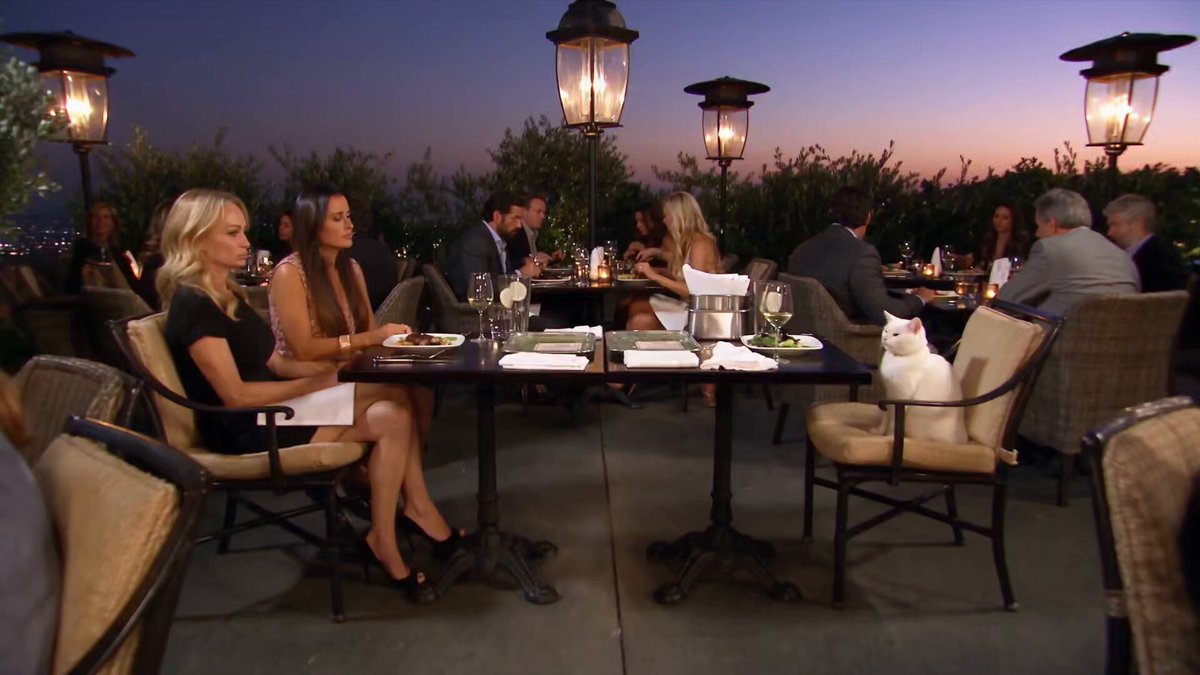
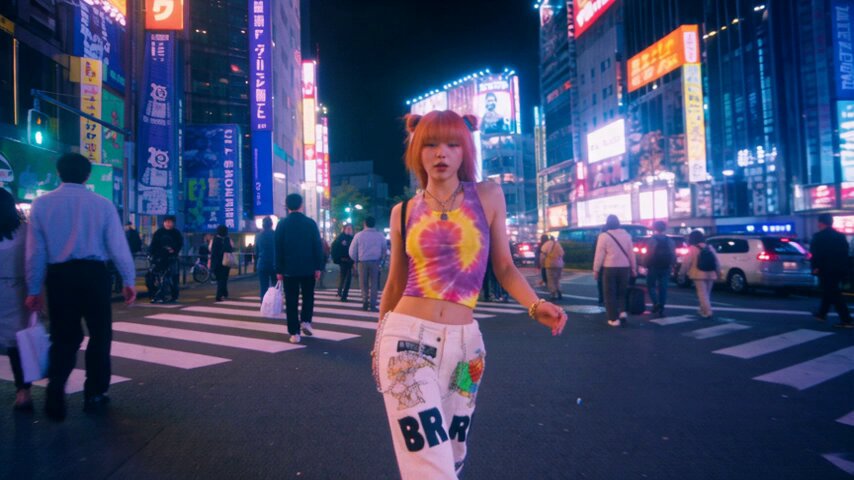

Turning a written story into a finished film used to be the most expensive and time-consuming thing a creator could do. In 2025, it is a workflow: write the script, choose the models, generate the shots, and assemble. The generative AI market for video has evolved from experimental demos to production-ready tools that can handle complex narratives, and the ability to go from text to film directly is reshaping who gets to make video at all. This guide explains how text-to-video works today, how to choose among the many models available, and how to build a workflow that produces consistent, high-quality films from plain text.
The text-to-video revolution
The core promise is simple: a script becomes a storyboard, a storyboard becomes shots, and shots become a film — without a camera, a set, or a crew. Recent breakthroughs, particularly the integration of models like OpenAI Sora Series and the performance of Kling AI, have raised the bar for realism and narrative depth. The market for generative AI video has moved from novelty to production reality, with tools that can handle not just single clips but multi-scene narratives with consistent characters and coherent worlds.
For creators, the practical consequence is scale. You can prototype a film idea for almost nothing, test multiple directions, and only invest serious resources in the versions that work. For businesses, it means explainer videos, product demos, and training content can be produced in hours instead of weeks.
1. The architecture behind large model libraries
The real power of modern text-to-video is not any single model — it is the ability to orchestrate many models and choose the right one for each job.
1.1 Managing heterogeneous models
A serious platform manages dozens of models, each with unique input requirements and output formats. Some accept only text prompts, others accept reference images, others excel at certain lengths or aspect ratios. Behind the scenes, an abstraction layer isolates each model's dependencies so they can be added, updated, and swapped without breaking the system. For the creator, this means one interface and a choice of engines; for the system, it means resilience and flexibility.
1.2 Costs and budgeting
Different models have very different compute costs. Premium models deliver the highest fidelity but consume the most resources; efficient models produce good results quickly at a fraction of the cost. The practical discipline is to draft cheap and finish premium: use fast, inexpensive models for early iterations, tests, and A/B comparisons, then spend on the high-fidelity render of the shots that matter. This two-tier approach is how solo creators produce work that looks far more expensive than it was.
1.3 AI director agents
The newest layer of orchestration is the AI director agent. It interprets a script, proposes a scene breakdown, suggests camera angles and transitions, and routes each shot to an appropriate model with the right constraints. The creator still makes the creative decisions, but the mechanical work — translating a paragraph of story into dozens of technical parameters — is automated. This is what makes text-to-film feasible for people who are storytellers first and technicians second.
2. Choosing the right model
Model selection is the new cinematography. The same script can look radically different depending on which engine renders it.
2.1 Premium models for the top tier
For photorealistic quality and cinematic fidelity, models like Flux, Runway, and Sora lead the field. Flux excels at detail and image quality, Runway at motion coherence and continuity between clips, Sora at natural physics and realistic transitions. These are the models to reach for when the project demands the highest production value.
2.2 Specialized models for genre and style
Different genres benefit from different engines. Kling has strong realistic rendering with a distinctive look; PixVerse handles multi-image references well, which matters for character consistency; Hailuo balances quality and speed, making it a strong all-rounder for stylized content. Knowing a few models' personalities is more useful than knowing every model on the market.
2.3 Budget-friendly generation
For drafts, social content, and high-volume experiments, efficient models are the workhorses. They render quickly and cheaply, and their quality is more than adequate for early-stage decisions. The mistake is to judge these models by their weakest output; the correct use is to reserve them for the iterations where speed matters more than polish.
3. Consistency and video fusion
A film is more than a collection of impressive shots. It is a sequence in which characters, places, and style remain coherent.
3.1 Multi-image fusion for character consistency
The most effective way to keep a character stable across shots is to provide reference images. Multi-image fusion takes several inputs — a character sheet, a location, a style frame — and preserves them as constraints across every generation. The protagonist looks like the same person in scene one and scene ten; the product stays recognizable from every angle.
3.2 Camera control and cinematography
Modern prompts can specify camera movement with surprising precision: dolly-in, tracking shot, aerial reveal, handheld urgency. The models that handle motion well turn a script's emotional beats into visual language. Describing the camera in your prompts is the cheapest cinematography education you can get.
3.3 Audio and visual integration
Storytelling is not only visual. Scripts can be converted to voiceover, narration can be timed to scenes, and ambient sound can be layered in. The best workflows treat audio as part of the same pipeline, so the final film has a voice, not just pictures.
4. From script to film: a practical workflow
Here is a repeatable process for turning text into a finished video.
- Write the script. Keep it tight: one idea per scene, spoken language, clear emotional arc.
- Break it into shots. Decide what the viewer sees in each line of narration.
- Define the world. Write canonical descriptions of characters, locations, and style; gather reference images.
- Storyboard with cheap models. Generate rough versions of every shot to check pacing and composition.
- Review and revise. Cut what does not work; rewrite what is unclear. This is the cheapest stage to fix problems.
- Render the keepers. Re-generate approved shots with premium models.
- Add audio. Generate or record narration, add music and effects.
- Assemble and finish. Cut the sequence, add transitions and captions, and export.
The workflow is deliberately linear. Each stage produces something reviewable, so mistakes are caught before they become expensive.
5. Community, ownership, and custom models
The most interesting development in 2025 is the shift from consuming models to owning them. Creators can train specialized models — a particular illustration style, a brand's visual identity, a genre-specific look — and publish them for others to use. This turns a platform into an ecosystem: styles become assets, and the people who make them participate in the value they create. For storytellers, custom models mean your film can have a visual identity that no one else can replicate.
Common pitfalls and how to avoid them
The most common reasons text-to-video projects fail are predictable.
- Scripts that are too long. A two-minute film should say one thing clearly. If the script cannot be summarized in one sentence, it needs editing, not more shots.
- Descriptions that change between shots. Consistency starts with language. Use one canonical description for every character and location.
- Generation before planning. Generating without a scene breakdown produces beautiful footage that does not fit together. Plan first, generate second.
- Ignoring the audio. A film without narration, music, or sound design feels unfinished no matter how good the visuals are.
- Giving up after one bad render. The first generation is a draft. Expect several iterations per shot and budget for them.
A good habit is to keep a short project journal: the script, the scene breakdown, the models used per shot, and what had to be regenerated. After three or four projects, the journal reveals your personal bottlenecks — and they are almost never the tools.
Tools and complementary software
Text-to-video does not replace your whole toolkit. A typical setup includes:
- a generation platform for the shots themselves;
- a script or note editor for the story and the canonical descriptions;
- a traditional video editor for assembly, transitions, captions, and color;
- an audio tool for narration, music, and sound effects;
- a project folder with references, drafts, and finals clearly organized.
The generation step gets the attention, but the surrounding tools are what turn clips into a film. Invest as much effort in organizing the workflow as in learning the models.
Scaling from one film to a channel
Making one film is a project; making a channel is a system. The difference is in the assets you keep.
- A library of canonical descriptions. Every character, location, and style you might reuse lives here, written once and copied everywhere.
- A reference image bank. Organized by subject, not by project, so any new project can pull from what already exists.
- A shot archive. Store approved shots by scene and by model, so you can remix and reuse instead of regenerating.
- A prompt history. What worked, what drifted, which model handled which shot type best.
- A review cadence. Fixed steps between draft and final that keep quality consistent without a full-time reviewer.
With these assets, a new episode of a series stops being a blank page. The script is new, but the world, the characters, and the workflow are already built. That is how solo creators produce at channel scale: not by working harder, but by making the second project cheaper than the first.
Frequently asked questions
Q: How long does it take to make a short film with AI?
A: A 60-second narrative with a few scenes can go from script to finished video in a few hours of focused work, once the workflow is familiar.
Q: Do I need reference images for every project?
A: No, but they help enormously for anything with recurring characters or a specific visual identity. For abstract or one-off shots, a strong prompt may be enough.
Q: Which model should I start with?
A: Start with a fast, cheap model to learn the workflow, then experiment with premium models once you know what you are looking for.
Q: Can I make money with AI-generated video?
A: Yes — explainer videos, social content, training material, and creative commissions are active markets. The discipline is consistency and quality, exactly what this workflow is designed to produce.
Q: Can I use this for client work?
A: Yes, and the workflow is a selling point. Present the script and scene breakdown for approval before generating, then show drafts before premium renders. Clients appreciate seeing the direction early, and you avoid expensive rework.
Q: What about copyright and ownership?
A: Rules vary by platform and model, so read the terms of what you use. In general, keep records of your scripts, prompts, and references. If you publish commercial work, confirm the model's license allows it before committing.
Q: Do I need a powerful computer?
A: No. Generation runs in the cloud. A reliable browser and connection are enough; the heavy compute happens elsewhere.
Q: Is this workflow for short-form or long-form video?
A: Both, with different emphasis. For short-form, the script is a hook and the shot count is small, so iteration is fast. For long-form, planning and consistency dominate: scene breakdowns, reference libraries, and review cadence matter more. The same pipeline scales from a 15-second reel to a ten-minute film; only the planning depth changes.
Q: How long before I am productive with this workflow?
A: Expect a few projects to build the habits — canonical descriptions, references, draft-then-render discipline. After three or four films, the workflow becomes second nature and the quality becomes consistent.
Conclusion
Text-to-film is no longer a demo; it is a production method. The architecture of model libraries, the discipline of cost-aware iteration, and the craft of consistency turn a written story into a film that looks intentional. The creators and businesses that thrive will be those who treat the pipeline as a skill: script tightly, choose models deliberately, draft cheap, finish premium, and let the workflow carry the craft.
