


The Future of Content Creation: Specialized AI Models and Multi-Image Fusion
The days of one giant AI model doing everything are ending. In their place a more interesting reality is emerging: a marketplace of specialized models, each excellent at a particular kind of task, working together inside flexible production pipelines. And behind that shift sits a technique with an outsized impact on creative work, multi-image fusion, which is how a single consistent visual identity is carried across time, scenes, and styles. This article explains why this matters, how it works, and what it changes for creators.
For anyone producing digital content, the implication is immediate. Instead of hoping one tool can do everything, teams are learning to assemble the best model for each job. The trick is coaxing those machines to cooperate so the final piece feels like a single vision rather than a collage of mismatched clips. That is exactly where consistency techniques come in.
The Shift from a Single Dominant Model to a Toolkit
For a long time the AI field was characterized by a sequence of headline models, each claiming to be the strongest. That framing is fading. Real-world work rarely needs one capability at maximum strength; it needs many capabilities, each deployed where it performs best. A hyper-realistic motion model, a stylized animation model, and an efficient fast model all have their place, and no single machine dominates all of them.
This diversification is visible in the rise of open-source and regional models. Communities train specialized tools for particular languages, aesthetics, and verticals, and those models often beat general-purpose giants within their narrow domain. The cost advantage is equally persuasive: specialized tools can be cheaper to run than a monolithic platform, because you do not pay for capabilities you never use. For a creator, this means the strategic question changes from "which single tool is best?" to "which combination serves my pipeline best?"
Frame-Level Control as the Real Differentiator
Chatting about "control" can sound abstract until you see what precision actually buys you. Consider frame-level specification. Instead of instructing a model to make "a scene of a runner," you can specify exactly what the camera does at a given moment, how a character appears in a specific frame, and what lighting falls across a single cut. This is not nitpicking; it is the difference between generic output and a designed sequence.
Frame-level control is what makes narrative work possible. You can lock a look at one moment, keep the storyline coherent at the next, and still move the camera freely. Models that expose this control give directors the tools they previously had only in traditional software cinematography. Those that do not reduce you to accepting whatever the generator decides, which is unworkable for real storytelling.
Why Specialization Is Also About Cost and Reliability
Beyond quality, specialization has a hard-headed business case. Running every job on top-tier hardware for every model is wasteful. A production that mixes expensive, slow, high-detail renderings with cheap, fast drafts wants both ends of that ladder available. A toolkit, rather than a monolith, lets producers match each scene to the appropriate cost tier.
Reliability improves with specialization too. Dedicated models are tuned and tested for one kind of behavior, so their failure modes are narrower and more predictable. In production, predictability is worth more than occasional brilliance. Knowing that a model will handle product shots consistently, or keep a character stable across cuts, lets teams plan around its guarantees instead of gambling.
The Director Problem and How Intelligent Assistants Help
Here is a challenge every solo creator quickly meets: juggling many models, prompts, and settings while keeping a unified creative vision. This is the so-called director problem. Keeping the mood, the pacing, and the character identity coherent across all those moving parts is exhausting.
Intelligent assistant layers are emerging specifically to solve this. Such a layer can study your project, understand the story beats, and handle the tedious coordination: recommending which model suits a scene, keeping narrative structure consistent, and translating your broad direction into the precise instructions each model wants. In effect, an assistant acts as a digital production manager, allowing the human to stay at the level of vision instead of drowning in tool configuration.
These assistants also become the place where experience is captured. A good one learns your preferences, remembers your characters, and applies your standards automatically. Over time, your assistant becomes a repository of the craft that used to live only inside a seasoned art director's head.
Multi-Image Fusion: The Engine of Visual Continuity
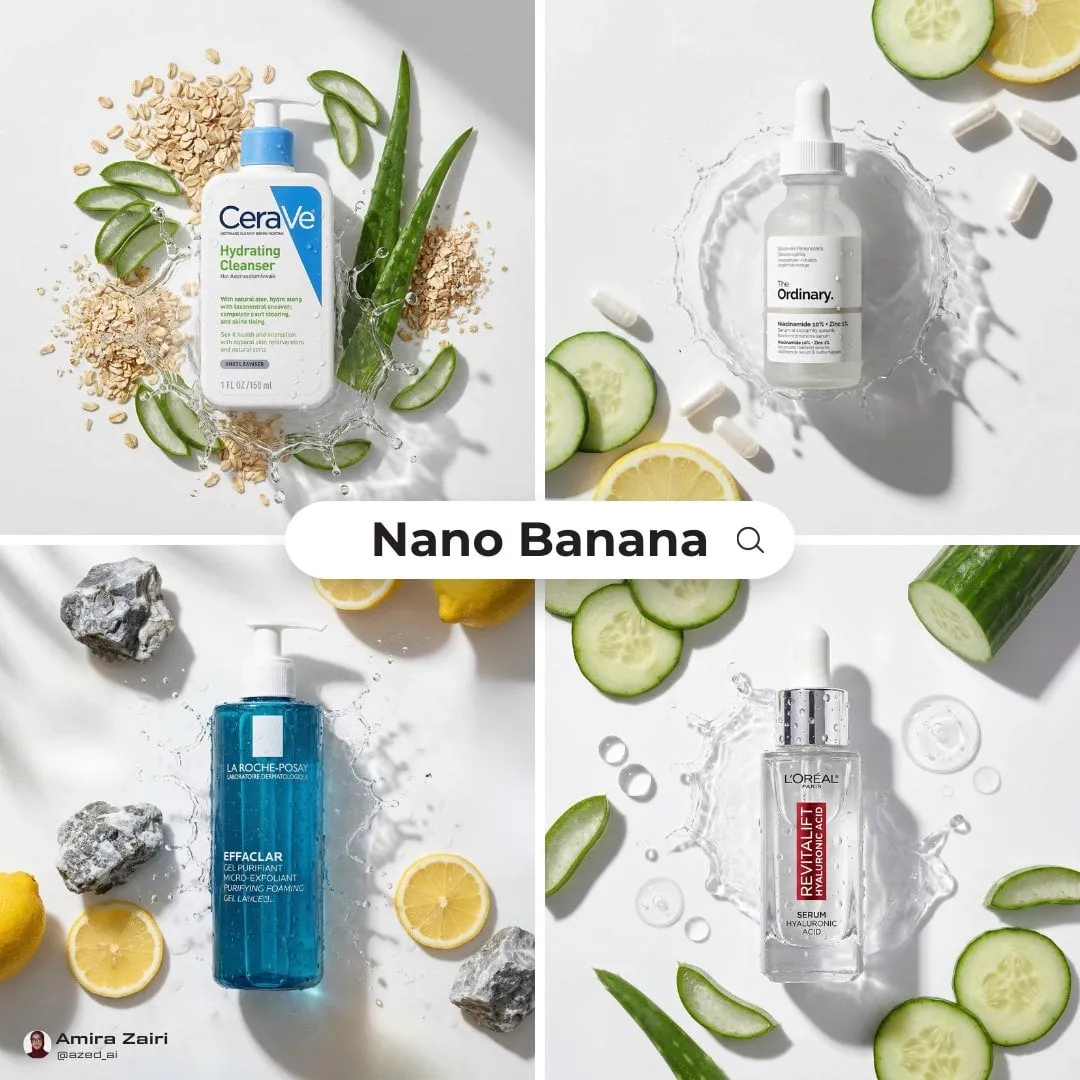
If specialization is about picking the right parts, multi-image fusion is about keeping them together. The premise is simple: rather than describing a character or a product with words alone, you give the model concrete reference images, several of them, and it fuses those references into a stable identity that it then applies consistently.
Consistency Keys You Can Trust
The technical heart of fusion is a set of consistency keys: reference points that anchor the identity. These can be visual details like facial features, a signature color, or the exact form of a product. The model holds these keys fixed while everything around them changes. Move the camera, change the environment, shift the lighting, and the anchored element stays recognizably the same.
This is a huge advance over the earlier era, when each generation was a roll of the dice and characters mutated unpredictably. With fusion, a director takes one strong reference and carries it through a whole series of shots, confident that the protagonist will not become a stranger halfway through. That confidence is precisely what makes producing longer, multi-scene content feasible.
Persistence Across Time, Style, and Motion
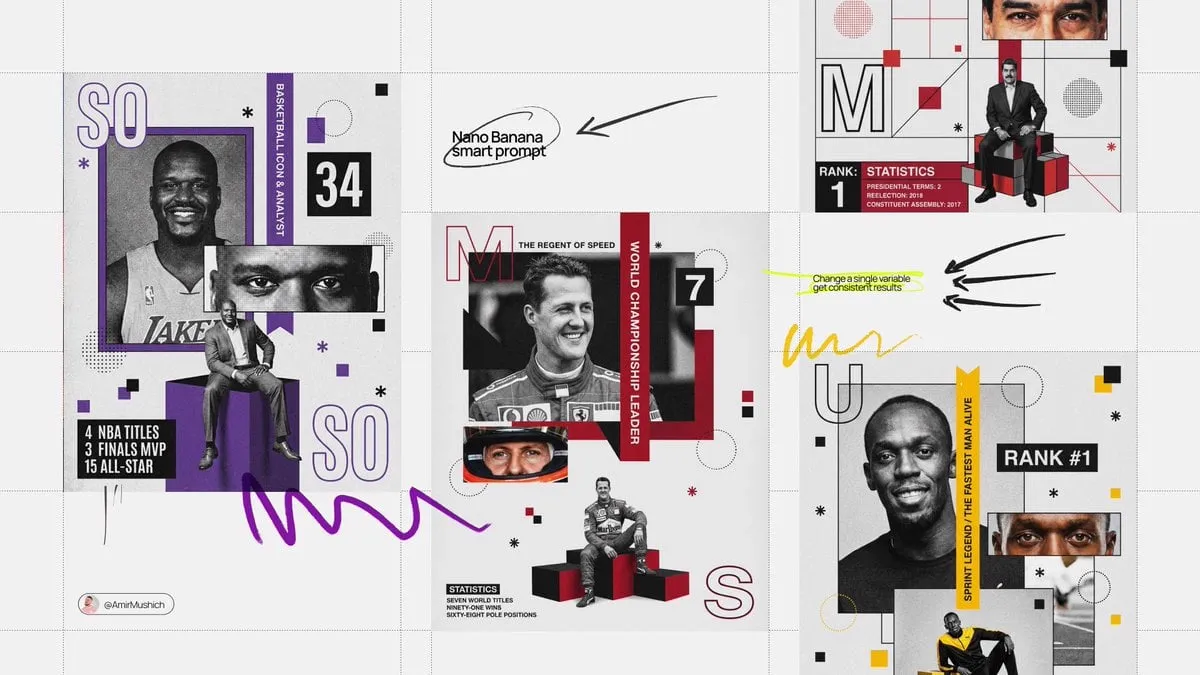
The beauty of good keys is that they survive more than just a background change. They can survive a stylization shift, where the same character appears in a realistic shot and then in a painterly illustration, because the underlying identity keys remain intact even as the rendering changes. They also survive motion, which is the hardest case: the character moves, the angle changes, and the model re-renders each frame while keeping the identity locked.
For brands this is transformative. A logo, a mascot, or a signature aesthetic can be fused into thousands of assets, each generated for a different audience or platform, while remaining unmistakably part of the same family. Consistency stops being a happy accident and becomes a managed property of the production.
Practical Ways to Build Consistency Into Your Work
You do not need to wait for the platform of the future to start benefiting from these ideas. Here is how to apply them today.
Diversify your toolkit. Identify the two or three specialized areas you work in most and choose models that are genuinely best at those, rather than settling for one all-rounder. Keep a cheap fast tool for drafts and a high-quality tool for finals.
Collect strong references. Build a small library of reference images for every recurring character, product, and location. The care you put into these references is repaid directly in how reliably fusion keeps them consistent.
Lock your keys early. Decide which visual elements must never change and protect them. Define them once, as reference imagery, and reuse them everywhere instead of re-describing them in each prompt.
Prototype one chain. Before producing a full series, run one short sequence end to end. Verify that the anchor survives a camera move or a stylization shift. Fix the workflow there, at small cost, before scaling.
Delegate the coordinator. Use an assistant layer to manage which model runs which scene and how the pieces connect. Let the tool handle orchestration while you stay focused on the creative vision.
The Road Ahead
The convergence of specialized models and multi-image fusion is still accelerating, and it points in a clear direction. Expect sharper fusion that preserves identity even through aggressive camera movement and dramatic relighting. Expect assistants that anticipate continuity problems before you see them. Expect marketplaces where creators share specialized models and production recipes the way designers share templates today.
For content creators, the practical implication is encouraging. The tools are becoming both more powerful and more accessible. The creativity, the vision, and the client relationship still belong to the human; the machinery is finally becoming flexible enough to serve that vision instead of fighting it.
Building a Production Toolkit: A Practical Roadmap
Reading about the concepts is one thing; assembling your own toolkit is another. Here is a route you can follow, whether you are a solo creator or part of a small team.
Start by mapping your actual production workload. List the kinds of content you create most often and the visual and performance demands of each. This map tells you which specialized capabilities matter, so you can avoid buying horsepower for tasks you never do.
Next, choose your core models deliberately. Identify one fast, affordable tool for drafts and exploration, and one high-quality tool for final, hero-level output. Add specializations only as your work reveals genuine needs. Two or three well-chosen tools outperform a sprawling collection you never fully learn.
Then invest in consistency infrastructure. Build the reference library described throughout this guide and store it where your production tools can reach it. Standardize how characters, products, and styles are referenced so every member of your team applies the same anchors.
Finally, adopt an assistant or orchestration layer. Starting early means your preferences and characters are captured from the beginning, growing smarter as you work. Even a simple assistant pays for itself by reducing the coordination overhead that otherwise consumes your creative energy.
This roadmap is modest to begin and scales as you learn. The key is to treat tool selection as a deliberate system rather than reacting to individual products.
Measuring Quality Before You Commit
Commitment is expensive, so it pays to evaluate candidate tools with real work rather than marketing promises. Design a small consistency test before signing on. Choose a single character or product and generate a short sequence that includes a camera move, a relighting, and a change of environment. Then assess whether the identity survived.
Compare candidates side by side using the same input and the same criteria: visual accuracy, resistance to drift, and cost per usable result. Keep your own reference imagery as the standard, not the showcase clips on a vendor's homepage. Performance with your content is the only measurement that matters.
It is also wise to reassess occasionally. The field changes quickly, and a model that was ideal six months ago may have been outclassed. Regular, lightweight re-evaluations keep your toolkit current without requiring constant switching.
Common Mistakes When Adopting a Toolkit
Be alert to mistakes that undermine the whole approach. The most damaging is combining models without any consistency plan. If each specialized tool produces a different-looking world, the final piece will feel fragmented no matter how good each clip is. Ensure every model draws from the same references and style anchor.
A second mistake is over-engineering. It is tempting to assemble an enormous toolkit in search of capability, but complexity becomes its own cost in maintenance and learning. Add tools only when a real need appears and you understand why your current stack falls short.
A third is neglecting the assistant. Solo creators often skip the orchestration layer as an unnecessary extra. But that is precisely where consistency is managed day to day. Without it, you personally become the bottleneck, manually re-applying references and re-explaining the vision in every session. Delegate that coordination and your work stays consistent even under deadline pressure.
Avoiding these three habits will smooth your path considerably.
Questions About the Shift to Specialization
Is specialization just a trend? It is a durable consequence of cost and performance realities. No single model can be best at everything, and users rightly want the right tool for each job. Expect specialization to deepen, not disappear.
Will the tools become confusing to use? The opposite, in practice. Assistant and orchestration layers hide the complexity, letting you focus on vision. As they improve, using a toolkit will become simpler than relying on one complicated all-rounder.
How much does a good toolkit cost? It varies widely and depends on volume and quality choices. Draft tools are cheap; hero-level rendering costs more. A strong consistency workflow usually reduces overall spend by cutting retries, which shifts costs toward deliberate, high-value renders.
The Bottom Line
The future of content creation is not one super-model but a well-orchestrated toolkit. It rewards people who know how to combine specialized models, control the frame, and preserve a consistent identity through techniques like multi-image fusion. That combination is what separates generic, disposable AI content from content that feels designed, coherent, and worth an audience's time. Those who learn to assemble and manage a production toolkit now will have a durable advantage as the field keeps maturing.
