
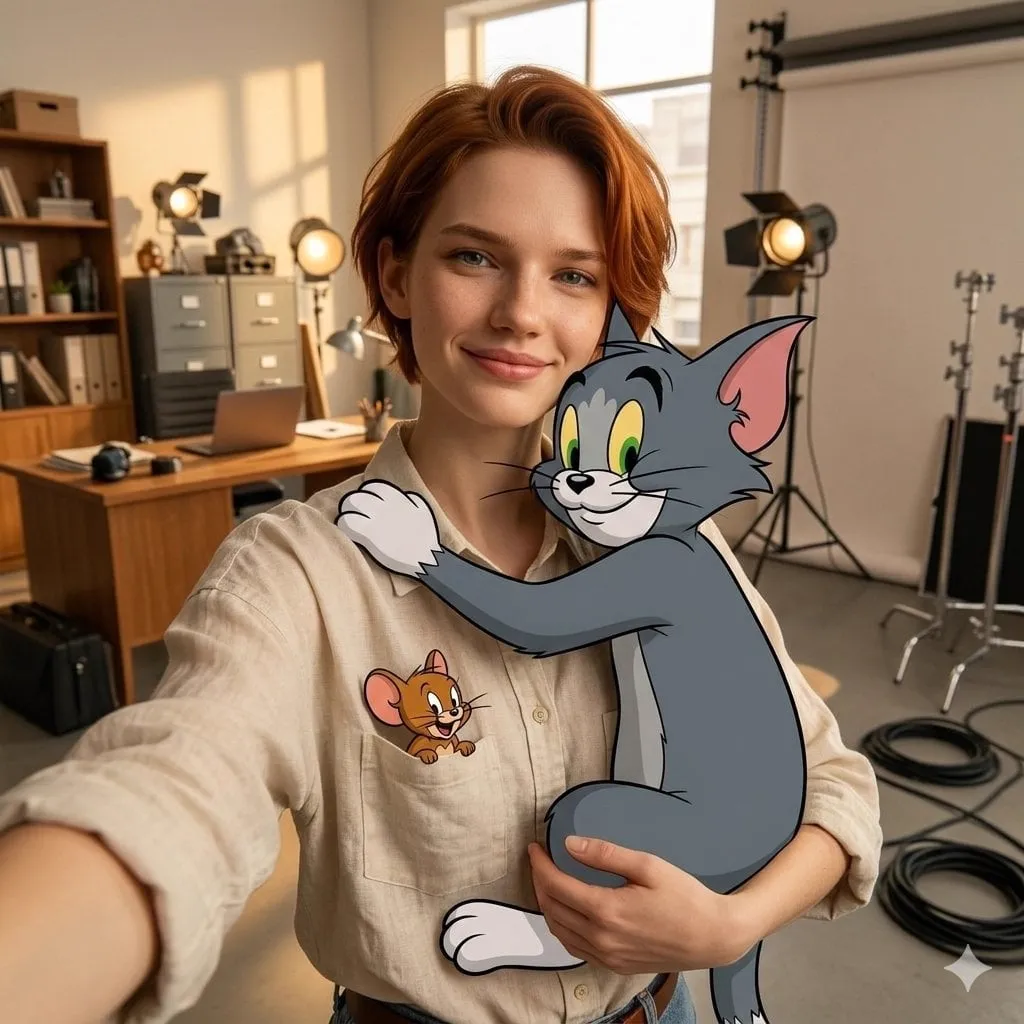
Short-form video is the dominant format of digital culture, and its production has been transformed by generative AI. The convergence of artificial intelligence and creative production marks a genuine paradigm shift: the tools that once required a full crew, a camera package, and a post-production house are now available to anyone with a prompt. The future of filmmaking is not the replacement of directors and editors. It is the multiplication of their reach, powered by a growing ecosystem of specialized AI models.
This guide explains how multi-model AI workflows are reshaping short-form filmmaking, how creators can orchestrate specialized models for better output, and where the technology is taking the craft next.
Why Multi-Model Filmmaking Matters
The central fact of the current ecosystem is specialization. No single model excels at every task. One model produces hyper-realistic humans; another is better at stylized animation; another handles fast camera motion; another excels at consistent characters across shots; another is tuned for upscaling and detail. A creator who uses one model for everything is leaving quality on the table. The creators producing standout work in 2025 are the ones who orchestrate a portfolio of models, selecting the right tool for each shot the way a cinematographer selects lenses.
This is a fundamental change in how video gets made. Traditional filmmaking optimized for a single pipeline: shoot, edit, grade, deliver. Generative filmmaking optimizes for selection: generate options, evaluate, refine, and assemble. The bottleneck shifts from technical execution to creative judgment, which is exactly where human filmmakers want to spend their time.
The Economics and Speed of the Multi-Model Approach
Speed is the most obvious benefit. A campaign that used to take weeks, from shoot planning to final delivery, can now be produced in days or even hours. The cost structure changes too: instead of paying for cameras, locations, and crews, the budget moves to compute and iteration. This changes what is possible. A small team can now test five visual directions for a product launch instead of committing to one. A solo creator can produce a branded series that previously required an agency.
The strategic implication is that iteration becomes the strategy. Because generation is cheap and fast, the winning move is to generate broadly, evaluate ruthlessly, and refine only the strongest candidates. This is the same logic that made A/B testing standard in marketing, applied to the visual itself.
The Landscape: Specialization Is the Rule
The model ecosystem in 2025 is a market of specialists. At the top of the photorealism tier are models like the Flux series, engineered with careful training approaches that preserve fine detail: skin texture, fabric weave, environmental reflections. The OpenAI Sora series brings sophisticated understanding of motion and cinematic language, producing shots that feel directed rather than merely generated. Runway Gen-4 made significant strides in character and scene consistency, closing the gap that kept generative video out of narrative work.
Beyond the leaders is a long tail of focused tools: anime and illustration models, models for product visualization, models for architecture and interior renders, models for camera motion control, models for fast draft iterations. The practical skill of the modern creator is knowing the map: which model for which job, and how to chain them together.
Premium Models and Hyper-Realistic Cinematography
When the job demands photorealism, reach for the premium tier. These models are trained with an emphasis on non-destructive detail preservation, which means the output holds up under scrutiny: a close-up of a face shows pores and micro-movements, a glass product shows believable refraction, a car body shows accurate environmental reflection.
The workflow for hyper-realistic shots starts with a strong reference: a high-resolution image, a detailed prompt, and a clear camera move. Generate a first pass, inspect it at full resolution, and refine. The premium models reward precise language: instead of "a person," describe age, wardrobe, expression, and lighting; instead of "a car," describe make, color, finish, and environment. The model's prompt understanding is the ceiling on what it can deliver.
Cinematic Consistency: Multi-Image Fusion and Keyframing
Consistency is the make-or-break skill in AI filmmaking. Audiences tolerate a lot, but a character whose face changes between shots breaks the illusion instantly. Two techniques solve this. The first is multi-image fusion: the model ingests multiple reference images of a character or scene and builds a stable identity that persists across generations. The second is keyframing: you define the start and end states of a shot, sometimes with intermediate frames, and the model fills the motion between them.
Keyframing also enables controlled camera moves. Instead of hoping the model produces a slow push-in, you set the framing at frame one and the framing at frame sixty, and the model interpolates the camera path. This turns generation into something closer to animation, with the same guarantee of control. For multi-scene projects, lock the identity first with fusion references, then build the shot list, then generate each shot with keyframed camera moves.
Strategic Model Selection: Balancing Quality, Cost, and Performance
Every generation has a cost, and the cost varies by model tier. Premium models deliver premium results but consume more resources per second of output. Lightweight models are cheap and fast but show their limits on difficult content like hands, faces, and complex motion.
The strategic approach is to match the tier to the shot's importance. Hero shots, the ones that open a video or carry the brand message, deserve the premium tier. Transitional shots, background loops, and draft versions can use cheaper models. This tiering strategy lets a production raise quality where it is seen and control cost where it is not.
A second axis is geographic performance. Different models are optimized for different markets: some excel at Asian aesthetics and language-specific prompts, others at Western photorealism. If your audience is regional, test the models built for that region; they often outperform the global leaders on cultural fit.
The Rise of the AI Agent Director
The most interesting development in generative filmmaking is not a single model but an orchestration layer: the AI agent director. This is software that sits above the model ecosystem, analyzing your script or brief, recommending shot types, choosing appropriate models for each scene, and maintaining style and character consistency across the entire production.
The agent director concept is significant because it moves the creator's job from micromanaging prompts to making creative decisions. The agent proposes: a wide establishing shot with a slow dolly-in, a close-up for the emotional beat, a fast whip transition into the montage. The creator approves, adjusts, or redirects. This is a division of labor that mirrors a real film set, with the human in the director's chair and the AI handling the technical busywork.
For solo creators, the agent director is a force multiplier. For teams, it enforces a consistent creative vision across many hands. In both cases, the pattern is the same: the human owns the intent, the agent owns the execution.
Automated Cinematography Parameters
Beyond shot selection, agent directors increasingly control the cinematography parameters directly: lens choice, depth of field, camera angle, lighting direction, motion blur, and color grade. These parameters used to be locked inside the prompt, guessed at, and refined through trial and error. In the new workflows, they are explicit controls.
The practical benefit is repeatability. A brand identity can be encoded as a set of cinematography parameters: always shallow depth of field, always warm key light from camera left, always slight handheld motion. Every shot generated for that brand then matches the identity automatically. This is how multi-model pipelines produce coherent campaigns rather than a pile of impressive but mismatched clips.
Democratizing High-Level Direction
The deepest change is democratic. Direction used to be a scarce, expensive skill, concentrated in film schools and agencies. Agent directors and controllable generation put the vocabulary of direction into everyone's hands: establishing shot, insert, rack focus, match cut, montage. A creator who has never been on a set can now speak the language of cinematography and see it executed.
This does not make directors obsolete. It raises the bar on what directors need to be: taste, story sense, and judgment become the differentiators when everyone has the same tools. The future of filmmaking belongs to the creators who understand narrative and emotion, not to those who merely own equipment.
The Technical Backbone: What Makes Multi-Model Synergy Work
Behind every multi-model workflow is infrastructure that most creators never see: task queues that route generation jobs to the right GPU, storage systems that keep thousands of assets organized, and delivery pipelines that render and distribute the final cut. When you use a platform that aggregates many models, this infrastructure is the product.
The architectural pattern that works is modularity. Each model is wrapped in a standard interface, the queue balances load, and the storage layer keeps references and outputs linked. For a creator choosing tools, the practical question is whether the platform lets you move assets between models easily and whether the references (character sheets, style guides) persist across sessions. If you have to rebuild your references for every model, the ecosystem is working against you.
The Creative Workflow: From Idea to Finished Reel
A reliable multi-model workflow has six stages. First, define intent: the story, the audience, the emotional target. Second, build references: character sheets, style frames, a shot list. Third, explore: generate broad variations with fast models to find the visual direction. Fourth, lock: select the direction and generate hero shots with premium models. Fifth, assemble: edit the clips, add transitions, sound, and music. Sixth, iterate: review, refine, and re-generate the weakest shots.
The workflow succeeds when generation serves the story. Every stage answers a question: what is this shot for, and what does it need to deliver? If a shot does not serve the story, no amount of model quality will fix it. The best AI filmmakers are the best editors of their own intentions.
FAQ
Do I need to master every AI model to produce good reels?
No. You need a working set of three or four models plus an understanding of what each is best at. Depth in a few tools beats superficial knowledge of many.
How do I keep a character consistent across multiple AI-generated shots?
Use multi-image fusion with a curated reference sheet: several angles of the same character with consistent wardrobe and lighting. Lock the identity before generating, and keep the lighting language identical across prompts.
What is the difference between an AI agent director and a prompt generator?
A prompt generator turns text into a single prompt. An agent director plans a sequence: it analyzes the script, recommends shots, selects models, and maintains consistency across the whole production. It operates at the level of the film, not the level of the sentence.
Is premium always better for hero shots?
Usually, but test. Premium models win on detail and fidelity, yet a stylized concept sometimes lands better in a model built for that style. Evaluate hero candidates side by side instead of assuming the most expensive tier wins.
How much does AI filmmaking cost in practice?
It depends on volume and tier mix. The strategic answer is to tier your usage: cheap models for exploration and transitions, premium models for hero shots. That keeps average cost down while protecting the shots the audience actually remembers.
Final Thoughts
The future of filmmaking is a portfolio, not a pipeline. Creators who treat the model ecosystem as a toolbox, who lock consistency with references and keyframes, and who let an agent director handle execution while they own intent, will produce work that was unimaginable a few years ago. The technology is moving fast, but the craft is not disappearing. It is being redistributed. The people who thrive are the ones who combine taste with the new tools, and the reels they produce will keep raising the bar for everyone else. The practical advice is to start this week: pick one project, build the references, generate broad, and cut the best. The models will improve on their own; your judgment is the only part of the pipeline that only you can improve.
